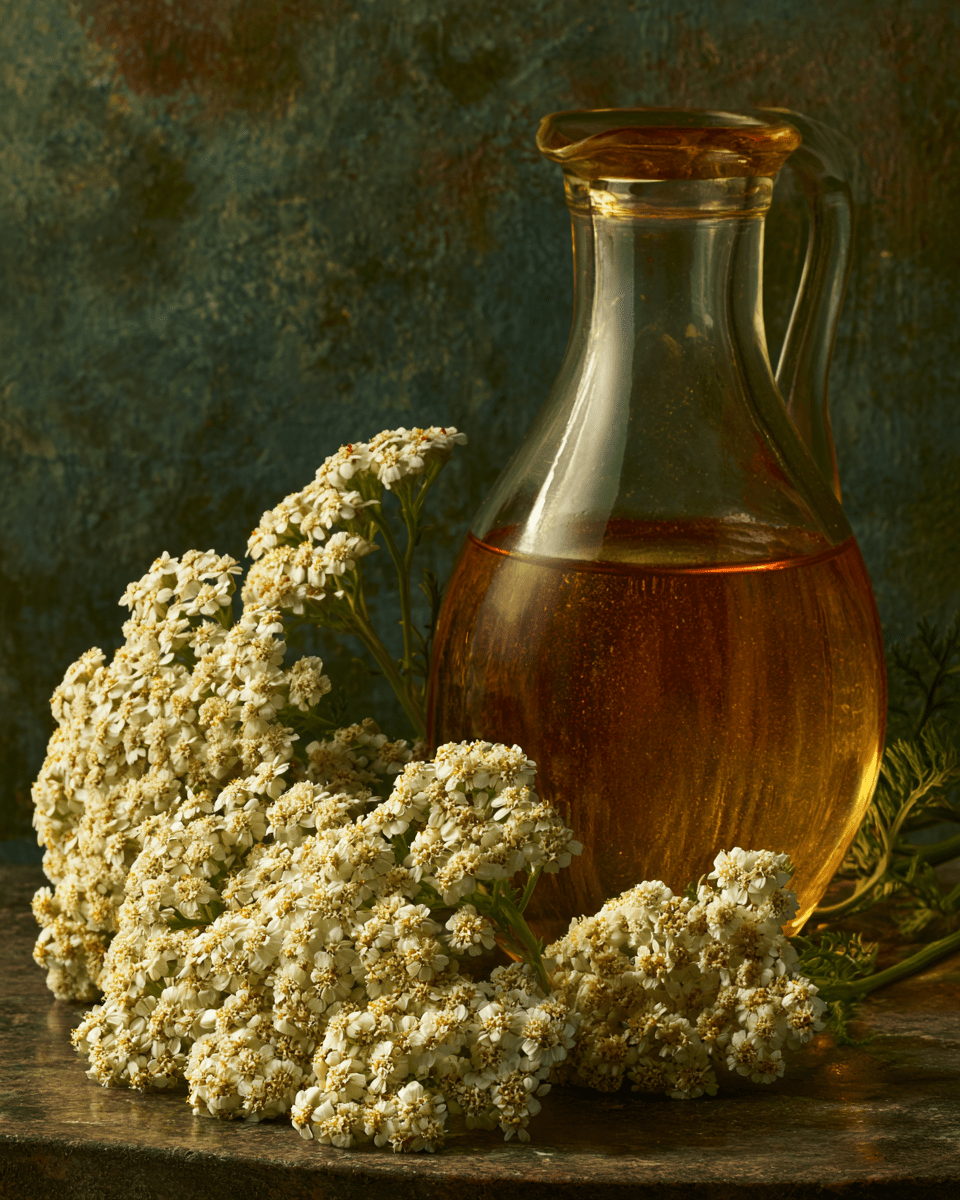
Daily protection: reinforced barrier
Gentle Cleansing: The First Act of Protection for Dehydrated and Sensitive Skin
Before discussing serums, creams, or restorative active ingredients, there's a step that determines the effectiveness of your entire routine: cleansing. For dehydrated or sensitive skin, the choice of cleanser is not a cosmetic detail—it's a decision that directly impacts the integrity of your skin barrier. Every morning and every evening, you have the opportunity to strengthen or weaken this protective barrier. Most people are unaware that their daily discomforts—tightness, redness, the sensation of "tight" skin—often stem from inappropriate cleansing, not from a lack of cream.
Understanding why your skin reacts poorly begins by observing what you subject it to when it's most vulnerable: wet, exposed, in direct contact with surfactants. This guide gives you the keys to transform this daily gesture into a true act of protection.
Skin Barrier: What It Is, What It Does, Why It Suffers
The skin barrier, or stratum corneum, is the outermost layer of the epidermis. It is composed of corneocytes (keratinized dead cells) connected by a lipid cement made of ceramides, free fatty acids, and cholesterol. It is often compared to a brick wall: corneocytes are the bricks, lipids are the mortar.
Its role is twofold: to prevent water evaporation (TEWL — transepidermal water loss) and to block the entry of pathogens, allergens, and irritants. An intact barrier maintains stable skin hydration, buffers environmental shocks, and regulates inflammatory responses. A weakened barrier, however, allows moisture to escape and disruptors to enter—hence the burning sensations, tightness, and persistent redness experienced by dehydrated or reactive skin.
Clinical studies published in the Journal of Investigative Dermatology show that repeated disruption of the skin barrier triggers an inflammatory cascade and slows down the synthesis of repair lipids. In other words, regularly assaulting the skin prevents it from regenerating properly. Cleansing is the moment when this aggression is most frequent—and yet the easiest to correct.
For dehydrated and sensitive skin, a study published in Skin Pharmacology and Physiology (PMID: 24994871) demonstrated that cleansers containing strong anionic surfactants significantly increase transepidermal water loss within 24 hours of application, even at low concentrations. This mechanism explains why many people feel their skin "drier than before" after cleansing.
Gentle vs. Harsh Surfactants: The Real Selection Criterion
Surfactants are cleansing agents that remove impurities, excess sebum, and makeup residue. But not all are equal when it comes to the fragility of dehydrated or sensitive skin. They are mainly classified according to their electrical charge:
Anionic surfactants — Sodium Lauryl Sulfate (SLS), Sodium Laureth Sulfate (SLES), Ammonium Lauryl Sulfate — these are classic foaming agents. While very effective for cleansing, they are also the most irritating. They denature surface proteins, disrupt the skin's natural pH (slightly acidic, around 4.5-5.5), and dissolve barrier lipids. The result: clean skin, but weakened.
Amphoteric surfactants — Cocamidopropyl Betaine, Sodium Cocoamphoacetate — tolerated by most sensitive skin types. Their charge varies depending on pH, which makes them less aggressive. They are often combined with anionic surfactants to mitigate their effect.
Non-ionic surfactants — Decyl Glucoside, Coco Glucoside, Lauryl Glucoside — derived from plant sugars, these gentle surfactants are best tolerated by sensitive and dehydrated skin. They cleanse without altering the hydrolipidic film or disrupting pH. These are found in dermatological formulations recommended for atopic and reactive skin.
Practical advice: on your cleanser, if the first 3 or 4 ingredients in the INCI list include a sulfate, put the bottle back. For sensitive or dehydrated skin, an ideal cleanser lists a glucoside or a sulfate-free aqueous base at the top.
Optimal Makeup Removal: The Preceding and Preparatory Step
Double cleansing — popularized by Korean routines — follows a simple scientific logic: water alone does not dissolve fats (makeup, SPF, oxidized sebum), and an aqueous cleanser alone is not always sufficient to completely remove greasy residues without forcing the dosage and thus irritation.
The first step with a fatty substance (vegetable oil, cleansing balm) obeys the "like dissolves like" principle: the lipids of the makeup remover bind to the lipids of makeup and sebum, encapsulate them, and make them easily rinsable. Contrary to popular belief, vegetable oils do not clog pores when properly rinsed — they even protect the barrier during cleansing.
For dehydrated or sensitive skin, pure prickly pear oil is an exceptional makeup remover and treatment. Rich in linoleic acid (omega-6) and plant sterols, it gently dissolves impurities while simultaneously nourishing the lipid barrier. After rinsing, the skin is not "stripped" but comforted — a fundamental difference for sensitive skin types.
The second step with a gentle cleanser (glucoside-based) then removes oil residues and pollution while preserving the skin's pH. This two-step protocol is more respectful than an aggressive single cleanser used in double dose.
Pure Prickly Pear Seed Oil: Active Ingredient for Protection and Barrier Repair
Prickly pear seed oil (Opuntia ficus-indica seed oil) is one of the vegetable oils richest in linoleic acid — between 55 and 65% according to analyses. This polyunsaturated fatty acid is a natural component of skin ceramides. When the barrier is weakened, the linoleic acid level in skin lipids drops, increasing water loss. Topical application of prickly pear seed oil helps replenish this lipid pool.
Its sterol composition (beta-sitosterol, campesterol) also gives it soothing properties that calm skin hypersensitivity reactions. The presence of vitamin E (tocopherols) at high concentrations protects surface lipids from oxidation — an important mechanism for maintaining stratum corneum cohesion. A publication in Industrial Crops and Products (PMID: 25386393) highlights the exceptional richness of this oil in tocopherols compared to other common vegetable oils.
In practice, for dehydrated sensitive skin, prickly pear seed oil can be used:
- As the first step of double cleansing in the evening, on dry skin, with gentle circular massage, rinsed with lukewarm water
- As a night treatment mixed with your usual skincare (2-3 drops) to boost nocturnal repair
- As an emergency treatment on reactive or irritated areas, pure, in a thin layer
Discover our Nopal Life Pure Prickly Pear Seed Oil, cold-pressed, 100% pure, suitable for dehydrated and sensitive skin.
Mistakes to Absolutely Avoid with Dehydrated or Sensitive Skin
The most common mistakes are also the most silent — they do not cause immediate dramatic reactions but maintain a state of chronic fragility that prevents the skin from regaining its balance.
1. Water that is too hot. Heat dilates blood vessels and alters the hydrolipidic film. Always rinse with lukewarm, never hot, water. Water that is too cold is not ideal either — it constricts pores and hinders the elimination of residues.
2. Excessive cleansing. Cleansing morning and evening is sufficient. A third cleanse (after sport, for example) without absolute necessity amplifies skin water loss. If you have perspired, a simple rinse with cool water is often enough.
3. Rubbing with a towel. Pat, never rub. Mechanical rubbing exacerbates micro-inflammation and disturbs surface corneocytes.
4. "Anti-blemish" cleansers on sensitive skin. Formulas containing salicylate, glycolic acid, or benzoyl peroxide in cleansers are designed for oily, acne-prone skin, not for sensitive, dehydrated skin. They exacerbate dryness and irritation.
5. Skipping post-cleansing care. Even with the gentlest cleanser, applying a skincare product within 2-3 minutes of rinsing is essential. Slightly damp skin absorbs moisturizing active ingredients better. Letting the skin "air dry" without applying skincare is one of the most frequent causes of aggravated skin dehydration.
6. Ignoring tap water quality. Very hard water leaves calcium deposits on the skin that disrupt pH and irritate sensitive skin. A final rinse with floral water (rose water, cornflower water) or filtered water is a relevant option if your water is particularly hard.
To go further in personalizing your routine according to your skin type, you can consult our Nopal Life Skin Intelligence™ diagnostic tool which analyzes your skin profile in detail and suggests adapted skincare combinations.
Building a Complete Daily Protection Routine
Protecting dehydrated and sensitive skin is not based on a single miracle product but on the consistency of a sequence of actions. Here is the logic of an optimized morning routine:
Morning: Gentle rinse with lukewarm water (without cleanser if the skin is very reactive and has not been exposed) → application of a toning floral water → moisturizing care with ceramides or barrier active ingredients → sun protection (SPF 30 minimum, gentle formula). The sun step is non-negotiable even for sensitive skin: UV rays are a major factor in skin barrier degradation.
Evening: Double cleansing (vegetable oil → gentle cleanser) → targeted care as needed (hydrating, repairing, anti-redness) → nourishing night care. Night is the privileged moment for skin regeneration — the skin renews its cells and restores its barrier lipids more actively after 11 PM.
For very dehydrated skin or skin in the repair phase, "minimalist skincare" is often more effective than a loaded protocol: fewer products, fewer risks of cross-reactions, better tolerance of essential active ingredients.
See also our articles on moisturizing active ingredients for dry skin and barrier repair with ceramides to delve deeper into each step of your routine.
Conclusion
Protecting your skin every day is the most rewarding anti-aging reflex. Barrier care, antioxidants, and sun protection defend it against external aggressions. This simple gesture is cultivated over time. Protected skin remains strong, comfortable, and radiant daily.
Frequently Asked Questions about Daily Protection for Dehydrated and Sensitive Skin
Q: Is it really necessary to cleanse your face in the morning if you cleansed it the night before?
A: For very sensitive or dehydrated skin, a simple rinse with lukewarm water in the morning is often sufficient. A gentle cleanser can be used if you are prone to impurities or if you applied an occlusive treatment at night. The goal is not to over-cleanse already fragile skin.
Q: Is prickly pear oil suitable for combination or oily skin?
A: Yes. Prickly pear oil has a lipid profile rich in linoleic acid, the deficient fatty acid in acne-prone and combination skin. Unlike oils rich in oleic acid (argan, olive), it helps balance the appearance of sebum rather than amplify it. Its use as a makeup remover is suitable for all skin types.
Q: How long does it take to see the effects of a cleanser change on dehydrated skin?
A: Results generally appear within 7 to 14 days. The skin barrier renews itself in about 28 days, but functional improvements (reduced tightness, better tolerance to other treatments) are noticeable from the first week if the change is significant.
Q: Are makeup remover wipes suitable for sensitive skin?
A: No, generally. Wipes often contain potentially irritating preservatives (methylisothiazolinone, phenoxyethanol) and the mechanical rubbing they involve aggravates hypersensitivity reactions. Double cleansing with a vegetable oil is always preferable.
Q: Can I use the same cleanser for my body and face if my skin is sensitive?
A: Ideally no. Facial skin is thinner, more exposed, and more reactive than body skin. It deserves a cleanser specifically formulated to respect its pH (4.5-5.5) and its sensitivity to surfactants. Body soaps are often too alkaline for the face.
Q: How do I know if my current cleanser is damaging my skin barrier?
A: Signs include: immediate tightness after rinsing, a feeling of "excessive cleanliness" or cardboard-like skin, persistent slight redness after cleansing, aggravation of discomfort sensations in the following hours. If you experience several of these signals, your cleanser is probably too aggressive for your skin type.
Q: Is daily sun protection really necessary for sensitive, dehydrated skin?
A: Absolutely. UV rays degrade ceramides and structural proteins of the skin barrier, amplifying dehydration and sensitivity. People with reactive skin who neglect SPF will see their skin condition worsen in the long term, regardless of the corrective care used. Choose a mineral SPF (titanium dioxide, zinc oxide) which is better tolerated by sensitive skin.
Your skin deserves a routine designed for it
Start by precisely identifying your skin type and profile with our personalized diagnostic tool:
Nopal Life Skin Intelligence™ Diagnostic Discover Pure Prickly Pear Seed Oil
Why choose Nopal Life for deep and lasting hydration
Skin hydration is not limited to applying water to the skin: it requires film-forming active ingredients that retain water in the deep layers of the epidermis. Nopal Life formulates each treatment around clinically validated humectant agents (hyaluronic acid, aloe vera, prebiotics) combined with prickly pear oil, an exceptional natural emollient that seals in moisture and restores the lipid film.
Result: plump, supple and comfortable skin for more than 24 hours. Each formulation is dermatologically tested and adapted to your skin type. Take your free diagnosis to identify the ideal hydration routine for you.
Information provided for cosmetic and educational purposes only; it does not constitute medical advice.


Go further than this article
Get our skincare guides by email — and start with your free skin diagnostic: 2 minutes, advice tailored to your skin. We ship to the US, UK, Canada, Australia and 27 European countries; somewhere else? Sign up and you will be the first to know when we deliver to your country.
By signing up, you agree to our privacy policy. Unsubscribe in one click.