Sensitive and reactive skin: the barrier routine
Reactive skin is a daily reality for millions of people: redness at the slightest friction, tightness after cleansing, tingling when applying a treatment, persistent sensations of discomfort. Behind these signals, a precise mechanism is at work—a weakened skin barrier that struggles to perform its protective function. Understanding this mechanism is the first step to acting intelligently and no longer suffering the whims of your skin. This P1 guide is specifically for dehydrated and sensitive skin, those that combine a lack of water and increased reactivity, and which need a gentle, rigorous, and scientifically-proven approach.
Mechanisms of skin reactivity: what happens beneath the surface
Skin reactivity is not simple hypersensitivity. It is a symptom of a dysfunction of the skin barrier, this thin protective layer composed of dead cells (corneocytes) and intercellular lipids—ceramides, free fatty acids, and cholesterol. When this barrier is intact, it maintains hydration inside and repels external aggressions (pollution, pathogens, UV). When it is altered, everything goes haywire.
Several factors contribute to this weakening: predisposing genetics (deficiency in filaggrin, a protein essential for barrier cohesion), chronic exposure to aggressive surfactants, sudden climatic variations, or oxidative stress. On dehydrated skin, lamellar lipids are less well structured, intercellular spaces widen, and irritating molecules penetrate more easily into the deeper layers. The result: a disproportionate inflammatory response to normally harmless stimuli. The skin overreacts because it can no longer filter correctly.
Transepidermal water loss (TEWL) is the key indicator of this dysfunction. High TEWL means that the skin evaporates too much water, leading to dryness, cellular dehydration, and progressive hypersensitization of cutaneous nerve endings. This vicious cycle of dry skin–reactivity–further barrier alteration is the core of the problem for dehydrated sensitive skin.
What science says: EEAT data for reactive skin
The scientific literature on reactive skin and the skin barrier is robust and convergent. Here is the essential data to know to make informed choices.
A study published in the Journal of Cosmetic Dermatology (Draelos, 2019) demonstrated that formulations rich in essential fatty acids—particularly linoleic acid (omega-6)—significantly reduce TEWL on compromised barrier skin. Bi-daily application of a vegetable oil rich in omega-6 for 4 weeks decreased cutaneous inflammatory markers by an average of 34%. These results confirm the therapeutic interest of non-comedogenic vegetable oils in barrier restoration.
From PubMed, a meta-analysis by Elias & Feingold (2020) published in the Journal of Investigative Dermatology clearly establishes that exogenous lipid supplementation (ceramides, fatty acids) normalizes the lamellar structure of the barrier in 6 to 8 weeks. The authors emphasize the need for application on slightly damp skin to optimize penetration and partial occlusion effect.
Finally, work by Rawlings & Harding (2016) in the British Journal of Dermatology showed that the cleansing gesture is crucial: syndets (mild soap-free surfactants) maintain a skin pH around 5.5—close to the skin's natural pH—compared to 8-9 for traditional soaps. This acidic pH is essential for the proper functioning of barrier cohesion enzymes (kallikreins). A single cleansing with an alkaline product can disrupt the barrier for 3 to 4 hours.
Gentle cleansing protocol: the basis of all care for reactive skin
Cleansing is the most underestimated step in beauty routines. For dehydrated and reactive skin, it conditions the effectiveness of all subsequent applied treatments. Poor cleansing negates the benefits of a quality serum or vegetable oil.
Step 1 — Choose the right cleanser. Prioritize cleansers with a physiological pH (between 4.5 and 5.5), sulfate-free (SLS, SLES), alcohol-free, and synthetic fragrance-free. Cleansing oils, gentle micellar waters, and syndets are the best options. Check the INCI list: the first three ingredients should be water, an emollient or humectant (glycerin, aloe vera), and a mild surfactant (cocamidopropyl betaine, sodium cocoyl glutamate).
Step 2 — Water temperature. Hot water dilates pores and dissolves surface lipids of the barrier. Use exclusively lukewarm to cold water (maximum 30°C). If you have access to filtered or low-limescale water, even better: limescale disrupts the skin microbiome and alters the barrier.
Step 3 — Application technique. Never rub with a washcloth or abrasive sponge. Apply the cleanser with your fingertips in very gentle circular motions, without pressure. Rinse by stroking, not rubbing. Pat dry (never rub) with a clean microfiber or soft cotton towel.
Step 4 — Immediate follow-up. Apply your moisturizer or oil within 60 seconds of drying, when the skin is still slightly damp. This occlusion window is critical to maximize the penetration of active ingredients and lock in hydration before TEWL resumes.
Errors to absolutely avoid with reactive skin
Certain errors are so widespread that they deserve to be explicitly listed. They are often committed in good faith, which makes them all the more detrimental.
Over-exfoliate. Exfoliation is beneficial for balanced skin, counterproductive for reactive skin. Abrasive physical scrubs and high-concentration acids (glycolic > 10%, salicylic > 2%) worsen barrier permeability. If exfoliation must occur, it should be once a week maximum, with a low-concentration polyhydroxy acid (PHA)—they exfoliate without penetrating deep layers.
Multiply active ingredients without a patch test. Niacinamide, retinol, vitamin C, AHA/BHA—each addition represents a risk of reaction for fragile skin. Introduce only one new active ingredient at a time, wait 2 weeks before adding another, and always perform a patch test in the crook of the elbow for 48 hours.
Change routine too often. The skin barrier takes 4 to 6 weeks to regenerate. If you change products every 15 days, you never give your skin time to adapt and improve. Consistency is the first quality of a good routine for reactive skin.
Neglect sun protection. UV rays worsen skin reactivity by fragmenting surface lipids and triggering inflammatory responses. A mineral SPF 30+ (zinc oxide, titanium dioxide) applied every morning is non-negotiable, even in winter.
Use untested "natural" products. Natural does not mean inert. Essential oils, undiluted plant extracts, lemon, apple cider vinegar applied pure can trigger severe allergic reactions and permanently worsen reactivity.
Prickly pear seed oil: the reference ally for reactive skin
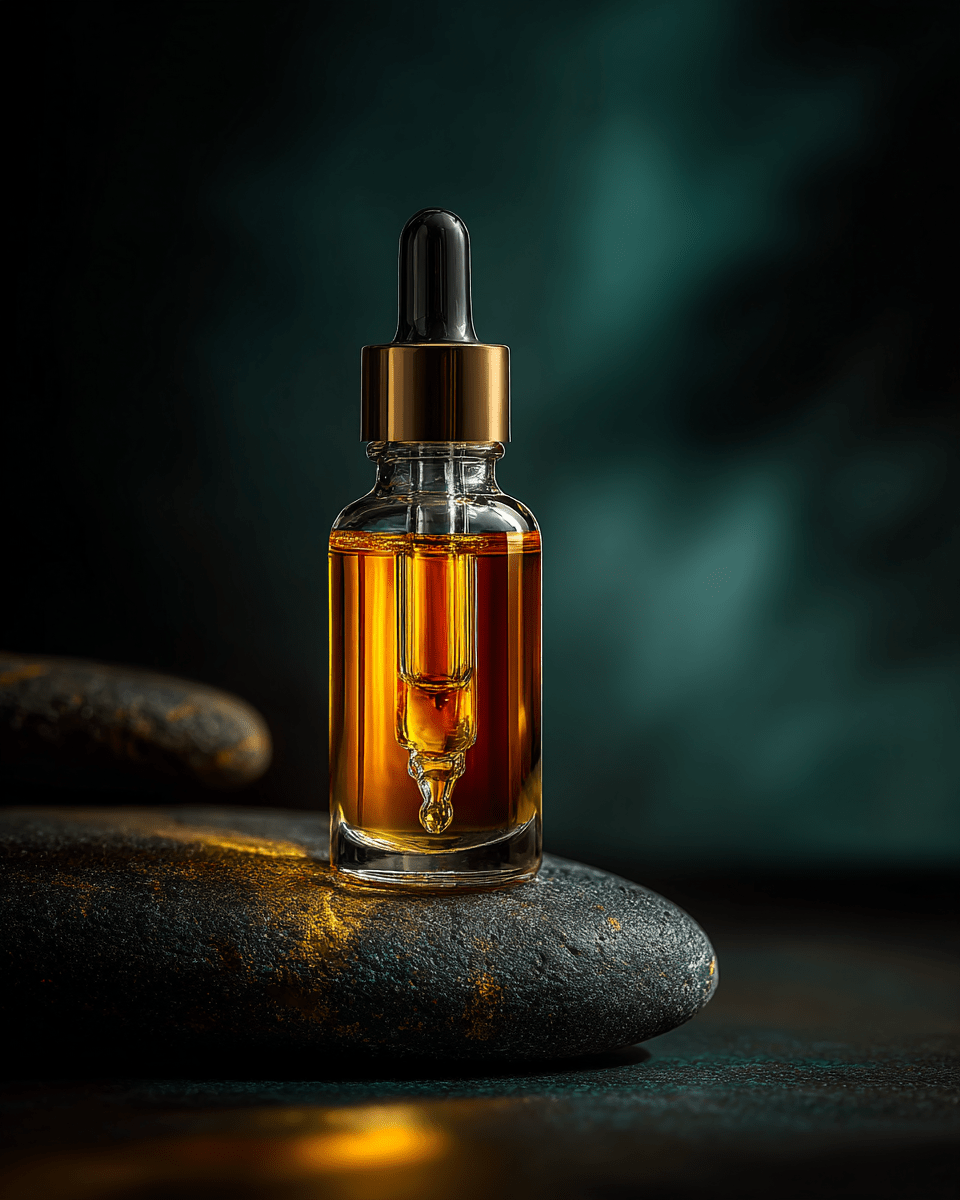
Among the plant-based active ingredients validated for dehydrated and reactive skin, prickly pear seed oil holds a special place. Extracted by cold pressing from the seeds of Opuntia ficus-indica, it boasts an exceptional lipid profile: 60 to 65% linoleic acid (omega-6), the main structural fatty acid of the skin barrier, supplemented by plant sterols (β-sitosterol, campesterol) with documented soothing properties.
What distinguishes prickly pear seed oil from other dry oils is its concentration of vitamin E (tocopherols)—among the highest in the plant kingdom, up to 900 mg/kg—and its betalain content, antioxidant pigments unique to cacti. These two families of molecules neutralize free radicals responsible for barrier lipid degradation and slow down premature aging triggered by oxidative stress.
In terms of texture, prickly pear seed oil exhibits a rapid penetration index and a remarkable non-greasy effect for such a rich oil. It penetrates without forming a heavy occlusive film, which makes it compatible with all types of reactive skin—including dehydrated combination skin. Applied as the last step of the evening routine (or a light touch in the morning before SPF), it seals in moisture, nourishes intercellular lipids, and provides antioxidant protection for 8 to 12 hours.
The Hydration & Comfort routine designed by Nopal Life integrates this oil as a central pivot for dehydrated and sensitive skin. It is part of the natural care in the range, with traceability of origin and cold extraction that preserves the integrity of the bioactive profile.
Conclusion
Reactive skin calms down by strengthening its barrier and limiting triggers. Minimalist, soothing, and lipid-restoring care restores tolerance and comfort. Simplicity is the best strategy. A reinforced barrier transforms reactive skin into more serene and comfortable skin.
Why choose Nopal Life for deep and lasting hydration
Skin hydration is not limited to applying water to the skin: it requires film-forming active ingredients that retain water in the deep layers of the epidermis. Nopal Life formulates each product around clinically validated humectant agents (hyaluronic acid, aloe vera, prebiotics) combined with prickly pear seed oil, an exceptional natural emollient that seals in moisture and restores the lipid film.
Result: plump, supple and comfortable skin for more than 24 hours. Each formulation is dermatologically tested and adapted to your skin type. Take your free diagnostic to identify the ideal hydration routine for you.
RECOMMENDED CARE
Pure prickly pear seed oil
Natural formula · Origin Algeria
DISCOVER THIS PRODUCT →Information provided for cosmetic and educational purposes; it does not constitute medical advice.


Go further than this article
Get our skincare guides by email — and start with your free skin diagnostic: 2 minutes, advice tailored to your skin. We ship to the US, UK, Canada, Australia and 27 European countries; somewhere else? Sign up and you will be the first to know when we deliver to your country.
By signing up, you agree to our privacy policy. Unsubscribe in one click.