Dry Skin: The Complete Care Guide
Beautiful skin starts with the right care. Dry skin is neither a flaw nor an inevitability: it's a skin type that simply requires the right actions, at the right time, with the right active ingredients.
Understanding Dry Skin: A Skin Type, Not a Temporary Condition
Dry skin is first and foremost a skin type, meaning a fundamental, lasting characteristic related to how the skin naturally produces its protective film. Specifically, dry skin produces little sebum: this hydrolipidic film on the surface, which retains water and protects the skin from external aggressions, is thinner.
It's crucial not to confuse dry skin with dehydrated skin. Dry skin lacks lipids (fats): it's a skin type, constant over time.
Daily, dry skin can be recognized by a few simple signs: a sensation of tightness after cleansing, a slightly rough texture to the touch, a complexion that lacks radiance and sometimes appears dull, fine dehydration lines, and increased reactivity to cold or wind. No special equipment is needed: observation over several days is enough to form a reliable idea.
Why does dry skin itch?
Itching frequently accompanies dry skin: when the hydrolipidic film thins, the skin surface becomes more sensitive and discomfort sets in, especially in cold weather. This is what the expression "itchy dry skin" summarizes — adapting one's routine is often enough to soothe it, but certain situations warrant medical advice, as summarized in the table below.
| What you observe | Common interpretation | The right approach |
|---|---|---|
| Tightness, fine flaking, slight discomfort | Cosmetic dryness (mild xerosis) | Gentle cleansing and nourishing oil |
| Temporary itching, without marked redness | Discomfort related to lack of lipids | Increase nourishment and humectants |
| Red patches, intense pruritus, persistent lesions or rashes | May suggest eczema, atopic dermatitis, psoriasis, or urticaria | Consult a doctor or dermatologist |
| Itching in infants or children, recurrent flare-ups | Possible atopic predisposition | Seek advice from a healthcare professional |
Essential Needs of Dry Skin
To remain comfortable and radiant, dry skin needs a subtle balance between water supply and fat supply. Three needs emerge.
Nourish. Since the protective film is thinner, dry skin appreciates textures rich in fatty acids that provide suppleness and comfort and help limit water evaporation.
Hydrate. Providing water to the superficial layers and retaining it there with humectant agents remains essential, even for skin that primarily lacks lipids.
Protect. Dry skin is more sensitive to external aggressions. Preserving its protective film — through gentle cleansing and daily sun protection — helps it maintain its comfort day after day.
These three needs are not contradictory: they complement each other. It is their arrangement, in the correct order, that makes all the difference to the feel and radiance of the skin.
Dry Skin Routine, Morning and Evening
An effective dry skin routine consists of a few clear, uncomplicated steps. The logic is always the same: gently cleanse, add water, then seal in comfort.
In the morning. Start with a very gentle cleanse with lukewarm water — or simply with a floral water if your skin feels tight upon waking. Then apply a moisturizing treatment (serum or lotion rich in humectants) to slightly damp skin, followed by a nourishing texture or a few drops of vegetable oil to seal in hydration. Always finish with sun protection, which prevents the dull appearance favored by external aggressions.
In the evening. Remove makeup and cleanse with a gentle texture, free of harsh surfactants. This is the ideal time to give your skin a richer treatment: after a hydrating serum, apply a nourishing vegetable oil that acts as a comfort layer overnight, when the skin naturally regenerates. Once or twice a week, a nourishing mask or a very gentle exfoliation will revive radiance.
Applying products to slightly damp skin, layering from most fluid to richest, then sealing with an oil: this trio is the backbone of a successful dry skin routine. To create yours, the Hydration & Comfort collection and the NOPAL LIFE dry skin routine bring together products designed for these specific needs.
Skin Diagnosis · Free
Curious to know what your skin truly needs?
Take my 2-min diagnosis →
Key Active Ingredients for Dry Skin
Not all ingredients are equally effective for skin seeking comfort. Three families are particularly appreciated.
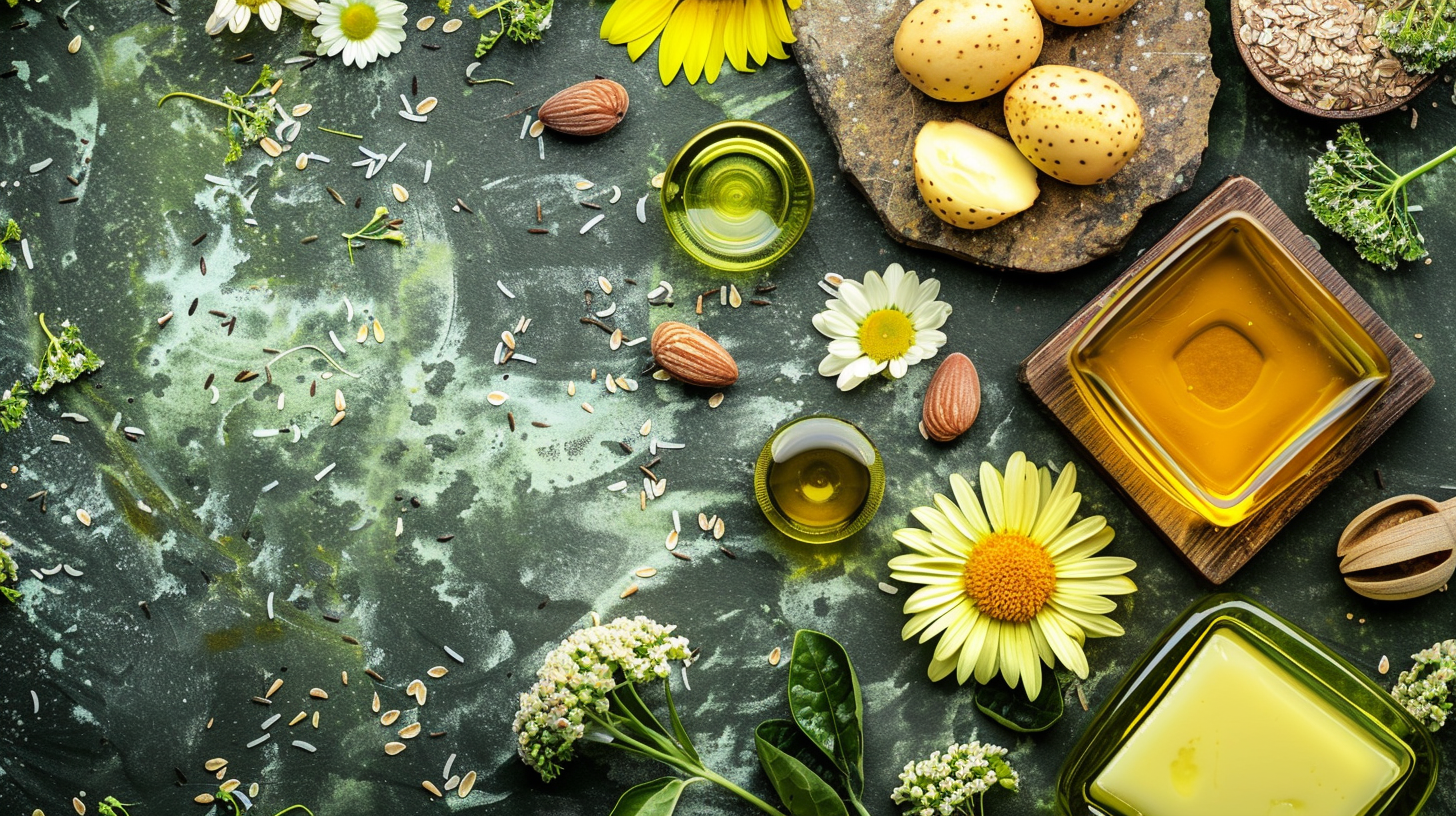
Nourishing vegetable oils. Rich in fatty acids and antioxidant vitamin E, they provide suppleness and comfort and help limit water evaporation. Cold-pressed prickly pear seed oil is one of the most precious: its natural concentration of vitamin E and essential fatty acids makes it a nourishing care of choice for dry and mature skin, leaving the skin visibly softer and more supple.
Humectant agents. Glycerin and hyaluronic acid attract and retain water in the superficial layers of the skin. They provide an immediate feeling of comfort and help reduce the appearance of dehydration lines.
Soothing film-forming butters and active ingredients. Vegetable butters and film-forming active ingredients create a comfortable layer that helps the skin barrier to be better respected. The skin appears smoother, plumper, and radiance is revived.
You will find these textures within the Natural Facial Care collection, designed around botanical ingredients.
Mistakes to Avoid
Some habits often unconsciously exacerbate the discomfort of dry skin.
Water that is too hot. It weakens the protective film and intensifies the feeling of tightness. Opt for lukewarm water, both for your face and in the shower.
Stripping cleansers. Highly detergent formulas leave skin "clean" but uncomfortable. Choose gentle textures that respect the protective film.
Over-exfoliation. Exfoliating too often or too aggressively weakens skin already seeking comfort. A gentle and infrequent exfoliation is sufficient to revive radiance.
Forgetting to seal in hydration. Applying a water-based product without "locking it in" with a richer texture allows water to evaporate. The final step of oil or cream is essential.
Neglecting sun protection. External aggressions dull the complexion and increase discomfort. Daily protection is an integral part of dry skin care.
Finally, if you notice persistent redness, marked itching, or recurring patches, it is no longer a simple cosmetic matter: it is best to consult a healthcare professional if it persists.
When to Get a Skin Diagnosis
Self-observation provides an excellent initial guide. However, to refine it—to distinguish between dryness (lack of lipids) and dehydration (lack of water), and to identify any associated needs such as radiance or firmness—nothing replaces a structured diagnosis.
The Nopal Life Skin Intelligence™ asks you a few targeted questions in two minutes and guides you towards the actions and treatments truly suited to your skin. This is the ideal step if you're hesitating between several routines, if your skin changes with the seasons, or if your usual treatments no longer provide the comfort you expect. You can then explore the entire Skin Guide to delve deeper into each need.
Frequently Asked Questions
Q: How do I know if I have dry or dehydrated skin?
A: Dry skin is a permanent skin type that lacks oil: it often feels tight and lacks radiance consistently. Dehydrated skin is a temporary condition, related to lack of water, that can affect all skin types, including oily skin. You can have both, and a diagnosis helps to differentiate.
Q: What routine should I adopt for dry skin?
A: Gentle cleansing with lukewarm water, hydrating care on damp skin, then a nourishing texture or a vegetable oil that seals in comfort. In the morning, finish with sun protection; in the evening, opt for a richer texture for overnight.
Q: Does dry skin need an oil or a cream?
A: Ideally both, in the correct order: a product that provides water, then a vegetable oil or a rich texture that seals in hydration. Oil alone nourishes and provides comfort; combined with a humectant, it helps the skin stay supple for longer.
Q: How often should I exfoliate dry skin?
A: In moderation. A gentle exfoliation, spaced out once or twice a week at most, is enough to revive radiance. Too frequent or too strong, it compromises the comfort of already dry skin.
Q: Can dry skin change over time?
A: Yes. Skin type has a constant base, but its feel evolves with age, seasons, and lifestyle. Skin can become drier in winter or with age, which is why it's important to re-evaluate your routine regularly.
Q: What ingredients should I prioritize for dry skin?
A: Vegetable oils rich in fatty acids and vitamin E like prickly pear oil, humectants like glycerin and hyaluronic acid, and film-forming vegetable butters. Conversely, avoid high concentrations of denatured alcohol and harsh exfoliants.
Q: Does an online diagnosis replace a dermatologist's advice?
A: No. The Skin Intelligence™ diagnosis is a cosmetic guidance tool for choosing a suitable routine. In case of persistent redness, itching, or recurring patches, it is best to consult a healthcare professional if it persists.
RECOMMENDED PRODUCT
Cold-pressed prickly pear seed oil · Organic
DISCOVER THIS PRODUCT →
PERSONALIZED ROUTINE
Nopal Life Skin Intelligence™ · Free Diagnosis · 2 minutes
DISCOVER MY ROUTINE →
Caring for dry skin primarily means providing what it lacks—fats and water—in the correct order and with the right textures. Gentle cleansing, layered hydration sealed with a nourishing vegetable oil, and a few daily protective actions are enough to restore comfort, suppleness, and radiance. And to stop guessing, the Skin Intelligence™ diagnosis transforms observation into a tailor-made routine.
Read More
Information provided for cosmetic and educational purposes; it does not constitute medical advice.
Our anti-aging treatments