Sensitive dehydrated reactive skin: calm hyperreactivity and strengthen the skin barrier
Reactive skin: what are we really talking about?
Reactive skin is often confused with sensitive skin, but these two realities are distinct. Sensitive skin is skin whose tolerance threshold to external agents is generally lowered — cold, heat, poorly tolerated products. Reactive skin, however, goes further: it reacts disproportionately to stimuli that, for balanced skin, would remain totally harmless. A slight temperature variation, bedding fabric, a change in tap water — and suddenly redness, tingling, and sensations of heat appear in a few seconds.
This hyperreactivity is explained by particularly over-solicited skin. The skin surface constantly perceives changes in its environment. In reactive skin, this sensation is exacerbated: the skin over-reacts, and this over-reaction ultimately maintains a state of lasting discomfort.
For affected individuals, the consequences are daily: permanent discomfort, difficulty finding well-tolerated care products, and embarrassment due to visible redness. Understanding the mechanisms of this hyperreactivity is the first step to finally adopting an adapted routine — and lastingly soothing suffering skin. To explore your own skin profile, discover Nopal Life's complete guide to dehydrated and sensitive skin.
Cutaneous hyperreactivity: understanding over-reactive skin
At the heart of reactive skin is a skin surface whose tolerance threshold is permanently lowered. The skin perceives its environment through its sensory nerve endings: they detect temperature, contact, water variations, and many external agents. In balanced skin, these signals remain discreet; in reactive skin, they quickly trigger a sensation of discomfort.
In reactive skin, this reaction threshold is permanently lowered. Moderate exposure to cold, a slightly acidic cleanser, or simple mechanical friction is enough to cause redness, tingling, or a sensation of heat. The skin then enters a self-perpetuating cycle of discomfort: the more it reacts, the more sensitive it becomes to subsequent stimuli.
Many factors accentuate this picture: intense cold, sudden temperature changes, repeated rubbing, or a drying environment. Reactive skin often has a weakened skin barrier, which makes it more vulnerable to external aggressions and more prone to reacting. This is why the most reactive skin is also frequently the most dehydrated.
Understanding this mechanism radically changes the approach to care: it is not enough to soothe the surface. It is necessary to act upstream, by reducing sources of stimulation, while strengthening the skin barrier to limit the penetration of irritating agents.
The skin barrier: the first line of defense to protect
The skin barrier is a complex structure that performs two essential functions: limiting transepidermal water loss (TEWL) and hindering the penetration of external, irritating agents and impurities. It is mainly composed of ceramides (about 50% of intercellular lipids), free fatty acids, and cholesterol, organized into a precise lamellar structure in the stratum corneum.
In reactive skin, this barrier is often altered — and this alteration is both a cause and consequence of hyperreactivity. When the lipids of the stratum corneum are depleted (by overuse of detergents, UV exposure, oxidative stress, or simple genetics), the skin becomes more permeable. External agents penetrate more easily, reach the sensory area more readily, and trigger a reaction of discomfort. This further weakens the barrier — and the cycle begins again.
Dehydration plays a major aggravating role. Dehydrated skin is skin with insufficient water content in the superficial layers of the epidermis. This water deficit weakens the cohesion of corneocytes, accelerates desquamation, and exposes deeper layers. The result: skin that feels tight, reacts to everything, and poorly absorbs beneficial active ingredients that one tries to provide. For everything concerning hydration and skin comfort, Nopal Life offers detailed resources in its educational guide.
Restoring the barrier is therefore the absolute priority in the management of reactive skin. This involves biocompatible lipid ingredients, capable of integrating into the lamellar structure without disturbing it — and supporting skin comfort.
Prickly pear oil: an ally for reactive skin
Pure prickly pear oil (Opuntia ficus-indica seed oil) is now recognized as one of the most remarkable vegetable oils for fragile skin. Its lipid composition is exceptional: it is one of the few vegetable oils to naturally contain up to 60-70% linoleic acid (omega-6), accompanied by oleic acid, palmitoleic acid, and an unsaponifiable fraction rich in tocopherols (vitamin E), plant sterols, and polyphenols.
This richness in linoleic acid is decisive for reactive skin. Linoleic acid is one of the constituents naturally present in ceramides, the lipids essential for the integrity of the skin barrier. A cutaneous deficiency in linoleic acid — frequent in reactive skin — is associated with a porous barrier and increased reactivity. Topical application of an oil rich in linoleic acid helps to compensate for this deficiency and contributes to the comfort of the lipid lamellae of the stratum corneum.
In terms of soothing, the plant sterols in prickly pear oil (β-sitosterol, campesterol, spinasterol) are traditionally associated with a soothing and comforting effect. Cosmetic research suggests these comforting properties. This soothing effect contributes to the comfort of sensitive skin and helps to limit sensations of discomfort that keep the skin on alert.
Another major advantage: prickly pear oil is non-comedogenic (index 0-1), making it a universal care product — including for reactive oily skin, or mixed-sensitive combinations that fear occlusive oils. Its dry texture and rapid absorption (linked to its omega-6 and omega-9 content) mean it leaves no greasy film and respects the skin's balance. Discover our Nopal Life Pure Prickly Pear Oil — obtained by first cold pressing, solvent-free, certified organic.
Building a soothing routine: good daily habits
Caring for reactive skin cannot be improvised. Every step of the routine must be designed to minimize excessive stimulation while providing the necessary comforting active ingredients. Here are the fundamental principles.
Gentle cleansing. Opt for very gentle cleansers (SLSA, alkyl glucosides) or micellar waters without harsh rinsing. Water temperature is crucial: avoid water that is too hot (which awakens sensations of heat) and prefer lukewarm or cool water. Pat dry gently — never rub.
Application of prickly pear oil. Apply 3 to 5 drops of pure oil to slightly damp skin after cleansing. Residual moisture facilitates emulsification and improves lipid penetration. Upward effleurage movements, without excessive pressure, activate microcirculation without stressing the skin surface. In the evening, you can slightly increase the amount for a more lasting nocturnal comforting action — the skin promotes its natural renewal during sleep.
Layering care products. For reactive skin, the rule is simple: fewer layers, more effectiveness. Limit your routine to a maximum of 3-4 steps: cleanser, hydrating serum (low molecular weight hyaluronic acid), comforting oil, sunscreen in the morning. Each additional product is a potential source of stimulus or intolerance.
Sun protection. UV rays directly stress the skin and weaken barrier lipids. A mineral screen (ZnO or TiO2), often better tolerated than organic filters for reactive skin, is essential. Apply it as the last step, after the oil.
To precisely identify your skin profile and receive a personalized routine, use the Nopal Life Skin Intelligence™ diagnostic — an AI tool developed specifically for skin and natural care. You can also find all our adapted references in the Know Your Skin Type collection.
Mistakes to avoid with reactive skin
Multiplying powerful active ingredients. Retinol, high-concentration AHAs, pure vitamin C (ascorbic acid) — these molecules are appreciated on balanced skin, but can massively increase hyperreactivity. It is best to avoid them or introduce them very gradually, with professional advice.
Over-cleansing the skin. Two daily cleansings are often one too many for reactive skin. Evening cleansing is sufficient in most cases; in the morning, a simple rinse with cool water preserves the hydrolipidic film rebuilt overnight.
Changing routines too often. Reactive skin needs time to adapt to new products — at least 4 weeks. Testing a new product every 10 days is the best way to never identify the ingredient responsible for a reaction.
Confusing reactivity with genuine intolerance. A proven intolerance to an ingredient requires strict avoidance of it. Reactivity, on the other hand, can be soothed with the right care. In case of doubt, do not draw conclusions yourself — seek professional medical advice.
Ignoring internal factors. Chronic stress, lack of sleep, an unbalanced diet (refined sugars, excess industrial omega-6s, alcohol) — these systemic factors can exacerbate skin discomfort. Skin is a mirror organ of general health.
Neglecting sun protection. This is the most frequent mistake for reactive skin, which fears irritating sunscreens. However, a well-tolerated mineral screen is non-negotiable: UV rays are among the factors that most stress reactive skin.
FAQ — Reactive skin: your questions, our answers
Q: Is reactive skin a permanent problem?
No, it's not inevitable. It's a functional skin condition characterized by a lowered tolerance threshold. It can significantly improve with an adapted routine and comforting active ingredients. In case of persistent or marked reactions, professional medical advice is still recommended.
Q: Can oil be applied to reactive skin that already reacts to the slightest product?
Yes, provided you choose a non-comedogenic oil with a simple composition. Pure prickly pear oil is particularly suitable: it is a single ingredient, without perfume, emulsifiers, or preservatives. The rule: perform a tolerance test on the bend of your elbow for 48 hours before the first facial application.
Q: How can skin reactions be best limited when choosing care products?
The first priority is not to overstimulate the skin — by avoiding irritating ingredients, extreme temperatures, and products with too low or too high a pH. Soothing care products with a simple composition, such as bisabolol or well-tolerated vegetable oils, should be preferred to preserve the comfort of reactive skin.
Q: Can prickly pear oil replace my moisturizer?
It can replace or complement it depending on the seasons and your level of dehydration. In summer, a few drops of oil are often enough. In winter or dry environments, a layer of moisturizer (hyaluronic acid, aloe vera) applied before the oil creates an optimal "sandwich" effect: the serum hydrates, the oil seals and comforts the barrier.
Q: How long before seeing results on reactive skin?
The first improvements in comfort (less tightness, reduced tingling) often appear within 1 to 2 weeks. A visible reduction in redness and comfort of the skin barrier generally requires 4 to 8 weeks of regular routine. Patience is a prerequisite.
Q: Can vegetable oils worsen imperfections on reactive-combination skin?
This depends entirely on the comedogenic index of the oil. Prickly pear oil, with an index of 0-1, is one of the least comedogenic on the vegetable market. It can therefore be used even on T-zones prone to enlarged pores. On the other hand, sweet almond, coconut, or wheat germ oils (index 4-5) should be absolutely avoided for this profile.
Q: Are there any contraindications to prickly pear oil?
An intolerance to cactus (Opuntia) or plants of the Cactaceae family is a theoretical contraindication, but it is extremely rare. Pure prickly pear oil is among the best-tolerated vegetable oils. However, as with any new care product, a preliminary tolerance test is recommended.
Q: Can an online diagnosis really identify reactive skin?
The Nopal Life Skin Intelligence™ diagnostic is designed to analyze 8 skin dimensions — including reactivity and sensitivity — through a structured questionnaire. It does not replace professional advice but helps to guide your routine with much greater precision than simply buying based on feeling. Ideal as a starting point.
Your reactive skin deserves care that matches its complexity.
Nopal Life Pure Prickly Pear Oil — first cold-pressed, certified organic — helps to comfort the skin barrier and lastingly soothe hyperreactivity.
Conclusion
Soothing reactive and dehydrated skin involves reducing hyperreactivity. Minimalist, soothing, and lipid-replenishing care strengthens the barrier and restores comfort. Limiting triggers is essential. A strengthened barrier transforms reactive skin into calmer skin.
Why choose Nopal Life for lasting hydration
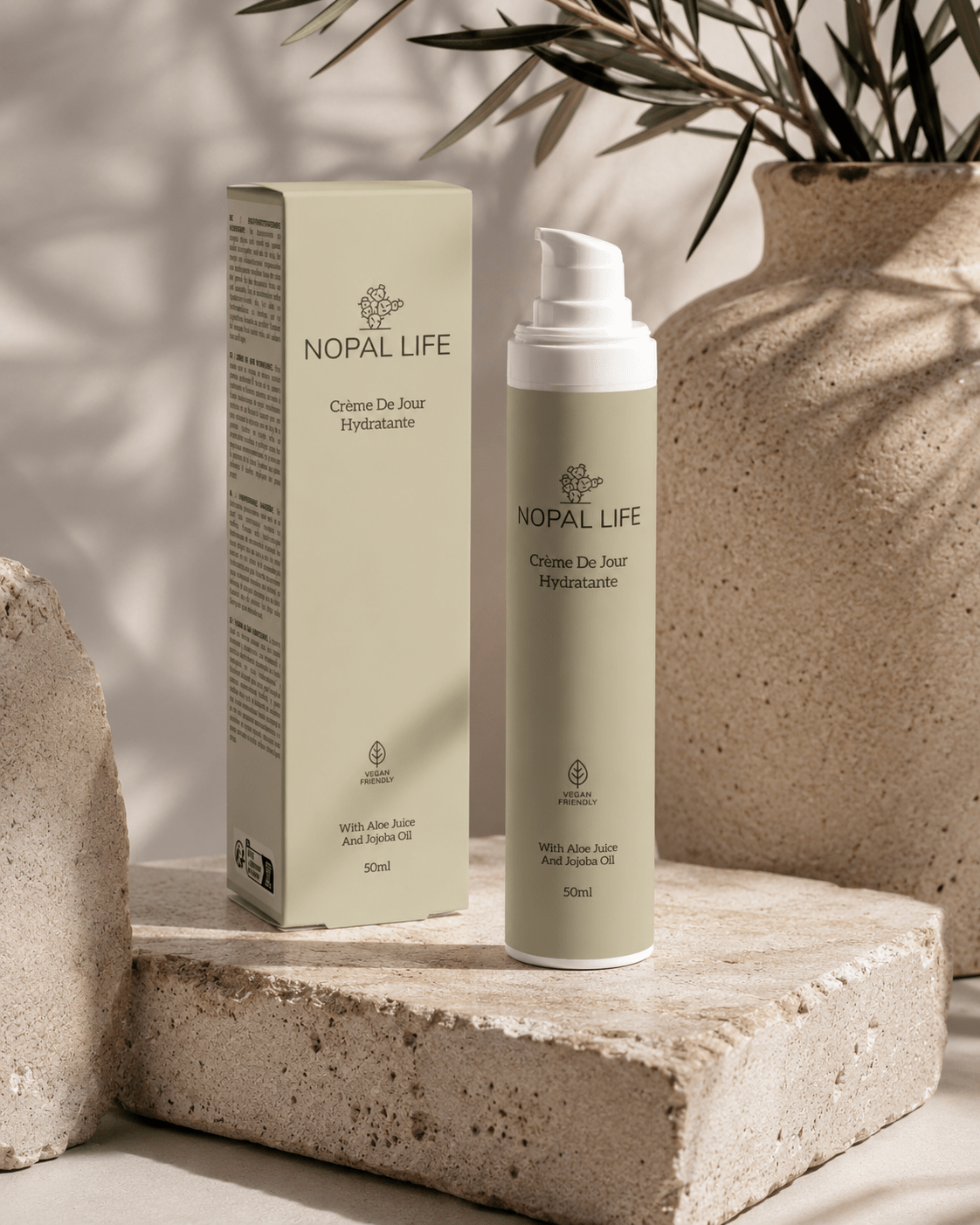
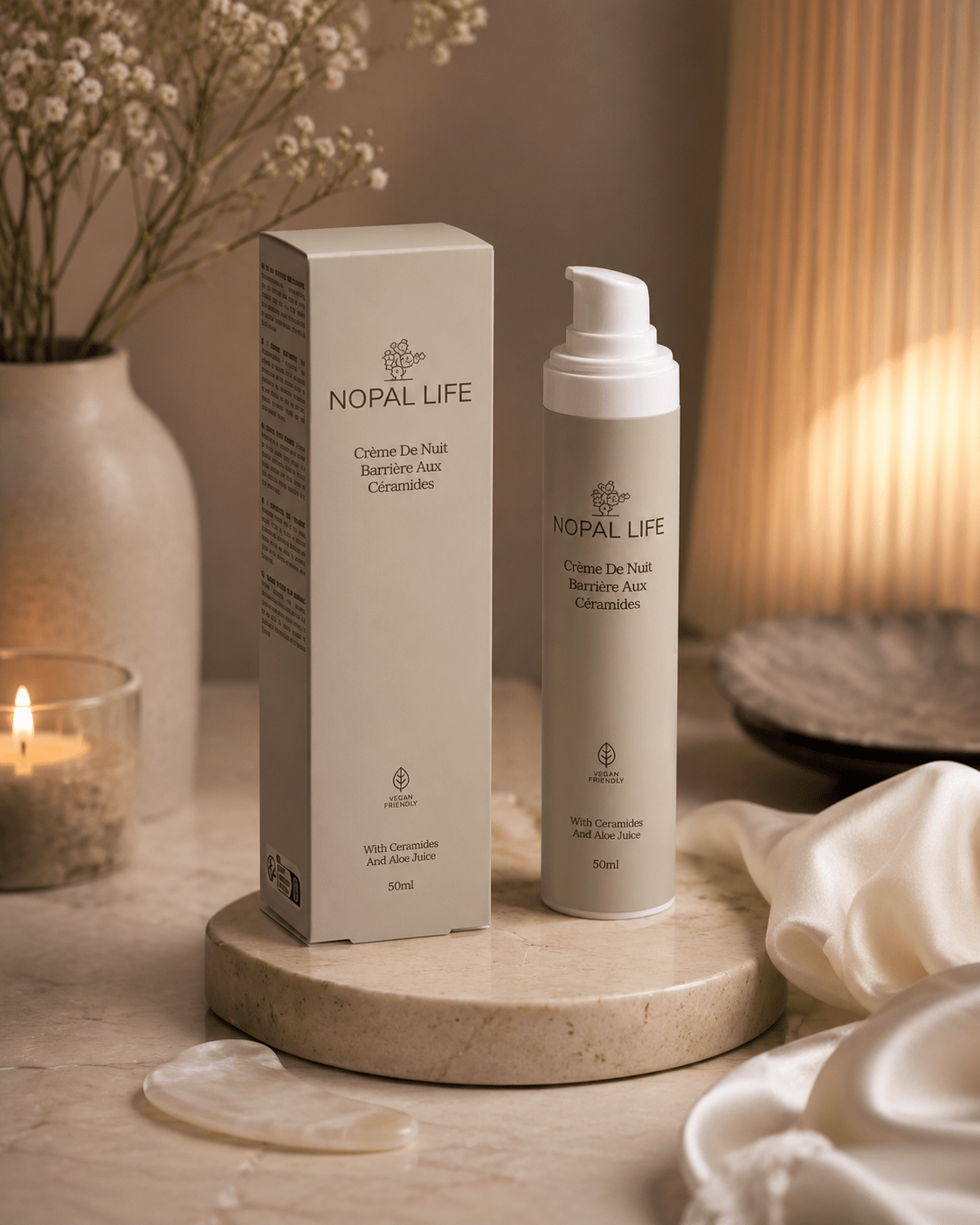
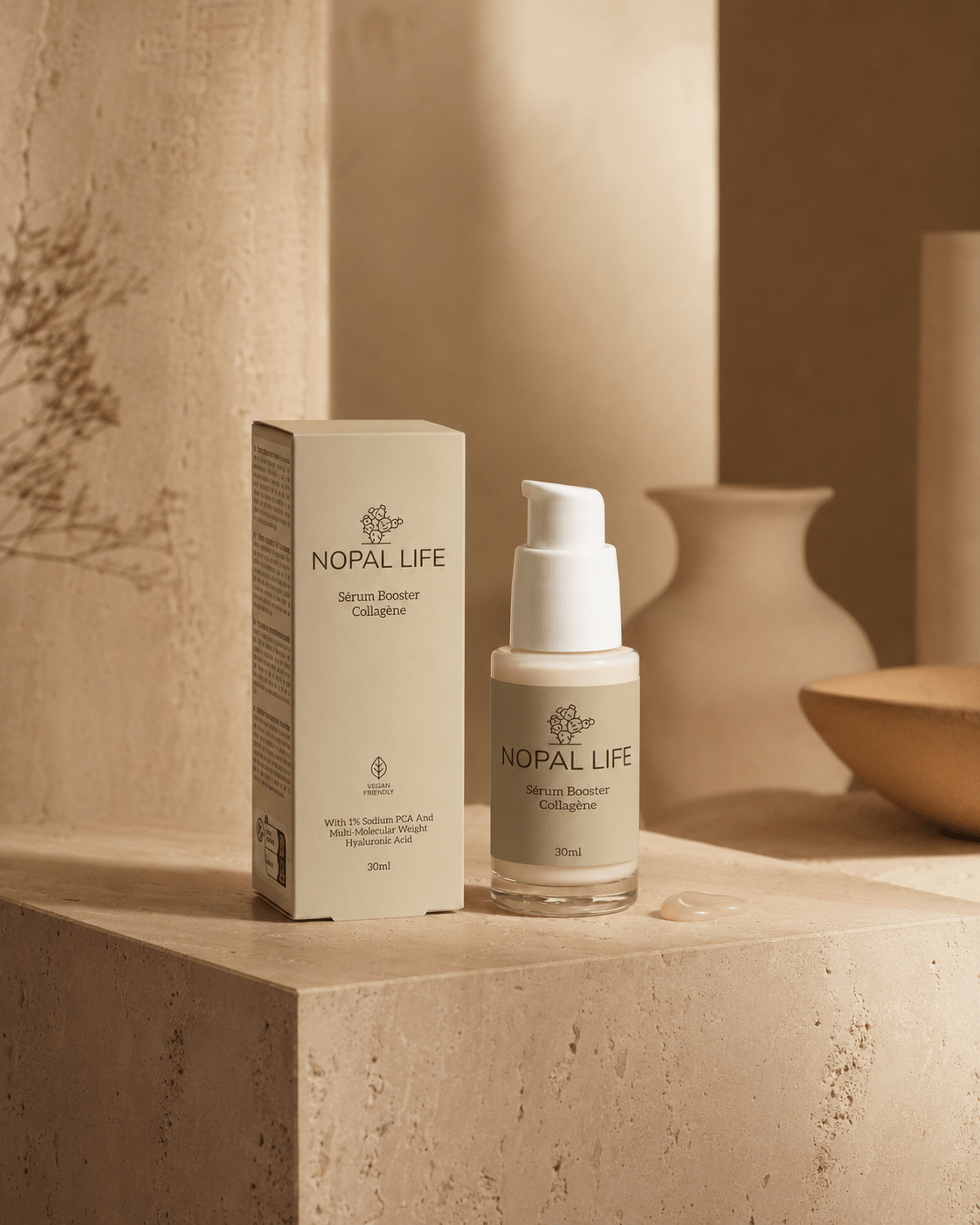
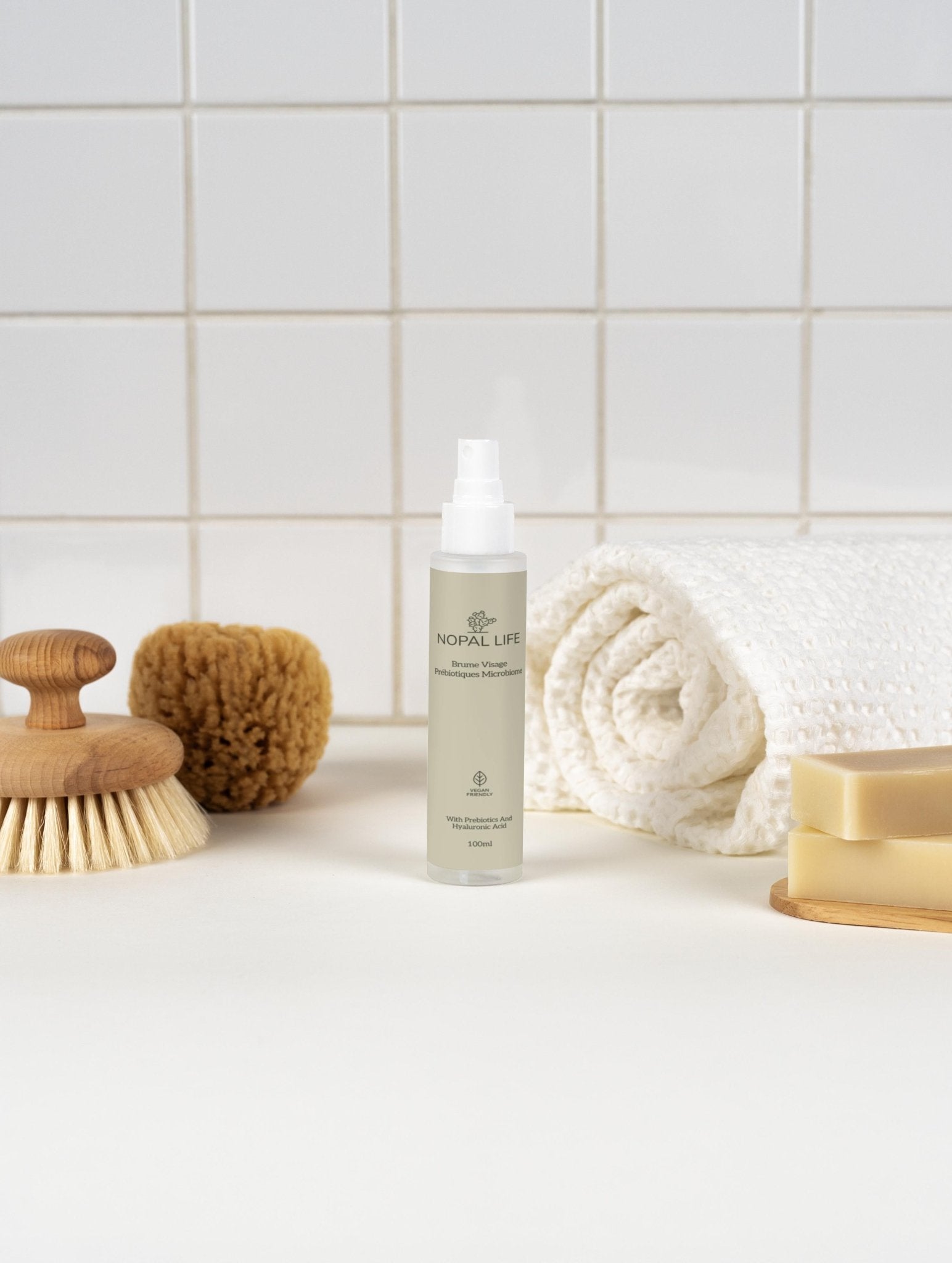
Skin hydration is not limited to applying water to the skin: it requires film-forming active ingredients that help retain water in the epidermal layers. Nopal Life formulates each product with recognized humectant agents (hyaluronic acid, aloe vera, prebiotics) combined with prickly pear oil, an exceptional natural emollient that helps seal in hydration and comfort the lipid film.
Result: visibly plumped, supple, and comfortable skin for over 24 hours. Each formulation is dermatologically tested and adapted to your skin type. Take your free diagnostic to identify the ideal hydration routine for you.
PERSONALIZED ROUTINE
Nopal Life Skin Intelligence™
Free diagnostic · 2 minutes
DISCOVER MY ROUTINE →This information is provided for educational purposes only and is not a substitute for professional medical advice.
Our anti-aging treatments