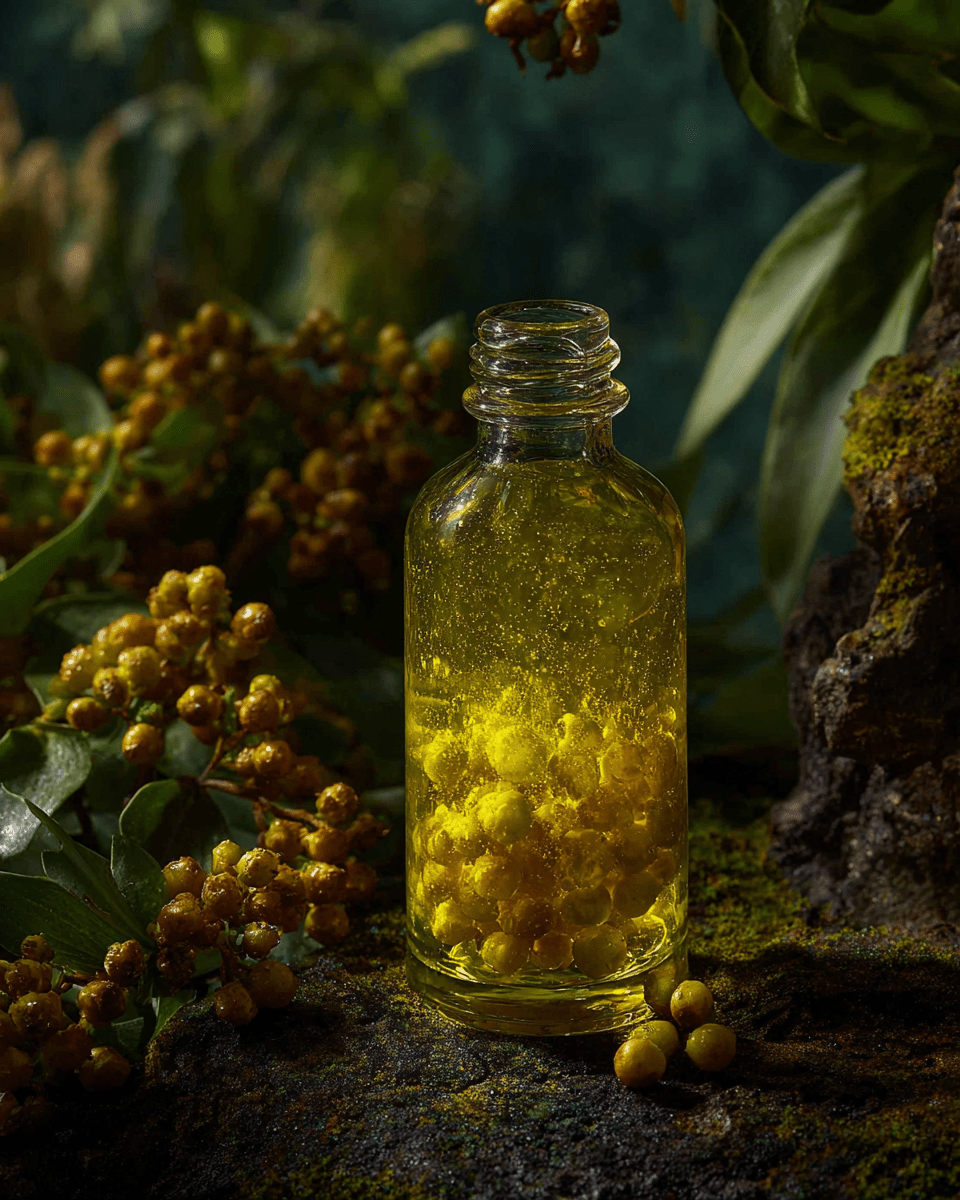
Niacinamide skin microbiome: bacterial lipases, Staphylococcus epidermidis, and sensitive skin prebiotic pH
Behind every beautiful ingredient, there's a botanical story and precise uses. This guide on Niacinamide and the skin microbiome gives you the essentials: what it is, for which skin types, how to use it — and what to combine it with in a NOPAL LIFE routine.
Niacinamide and your skin microbiome: an unrecognized but decisive relationship
Skin is not a sterile surface. It naturally hosts numerous microorganisms — microorganisms, yeasts, archaea — forming a complex ecosystem called the skin microbiome. This microbial balance supports the comfort of the skin barrier, the appearance of oily areas, and the skin's perceived tolerance. Among cosmetic active ingredients of natural origin, niacinamide — a form of vitamin B3 — is often associated with the care of skin seeking balance. Far beyond being a simple "anti-spot" ingredient, niacinamide is valued in skincare products that aim to support a balanced skin environment and the comfort of sensitized skin. This approach, still not widely highlighted in mainstream cosmetics, deserves particular attention — especially if you have sensitive dehydrated skin.
Niacinamide and skin comfort: an ingredient valued by sensitive skin
Skin in areas where sebum is more present can appear shinier and less comfortable. When the surface film is unbalanced, the skin can seem rougher, more reactive, and more prone to tightness. Skincare products formulated for these skin types aim to preserve the comfort and suppleness of the skin surface.
Niacinamide is traditionally incorporated, at usual cosmetic concentrations of 2 to 5%, into formulas designed for skin that seeks comfort and a more soothed appearance. It is valued for helping to mattify the appearance of shiny areas and maintain a more comfortable skin sensation. For dehydrated sensitive skin, this ingredient is often chosen in a gentle routine: aiming for less perceived reactivity, less tightness, and visibly calmer skin.
Staphylococcus epidermidis: a commensal of balanced skin
Staphylococcus epidermidis is one of the most prevalent microorganisms on balanced skin. Its presence is generally associated with a well-balanced skin microbiome, which itself is linked to the comfort and function of the surface barrier.
A weakened surface film, frequently observed in dehydrated skin, can be accompanied by a less balanced microbiome and skin that appears less comfortable. By helping to mattify the appearance of shiny areas and preserve the surface film, niacinamide is valued for maintaining a skin environment more favorable to comfort. Skin with an unbalanced skin microbiome often appreciates formulas combining niacinamide with active ingredients designed for skin balance the most.
This care of the skin environment is one of the most appreciated approaches in balancing cosmetics: not a direct supply of probiotics or classic prebiotics (fructo-oligosaccharides, inulin), but the maintenance of a more comfortable skin environment that promotes balanced-looking skin.
Skin pH: a comfort benchmark that niacinamide supports
The skin's surface pH is generally between 4.5 and 5.5. This slightly acidic pH corresponds to the "acid mantle" — a natural benchmark often associated with comfortable skin and a healthy surface barrier. Conversely, skin with an unbalanced surface film may appear more reactive and less comfortable.
Niacinamide is valued for supporting this surface comfort in several complementary ways:
- Daily use: it helps mattify the appearance of shiny areas and maintain a more soothed skin sensation during periods when skin appears more reactive.
- As a complement: combined with skincare products rich in plant lipids, it contributes to a routine that preserves the suppleness and comfort of the skin surface.
Skin whose surface comfort is preserved appears more soothed and better welcomes the commensals of balanced skin. It is this overall logic — niacinamide → comfortable skin → balanced appearance — that makes the ingredient valued in routines designed for skin balance.
To deepen your knowledge of your skin, Nopal Life Skin Intelligence™ analyzes your skin profile with 11 questions and identifies your barrier and microbiome imbalances.
The sensitive dehydrated skin protocol: niacinamide and prickly pear oil
While niacinamide is valued for skin comfort, prickly pear oil provides lipid richness to the surface barrier. This combination is precisely what sensitive dehydrated skin needs: skin whose balance needs to be maintained AND whose surface barrier lacks comfort.
Prickly pear oil (Opuntia ficus-indica) has a remarkable fatty acid composition: 62 to 70% linoleic acid (omega-6), 20 to 25% oleic acid, and a notable content of vitamin E tocopherol. Linoleic acid is one of the components valued for maintaining the suppleness of dry and sensitized skin. It also offers an interesting concentration of phytosterols (beta-sitosterol, stigmasterol), often associated with the comfort and softness of reactive skin.
Suggested protocol for sensitive dehydrated skin (morning):
- Gentle pH-neutral cleansing (do not exceed pH 6.5)
- Alcohol-free tonic to prepare the skin
- Niacinamide serum 4-5% (comfort + balance)
- 2 to 3 drops of pure prickly pear oil as a final treatment (sealing the care)
- Mineral sunscreen (SPF 30 minimum)
In the evening, prickly pear oil can be applied alone to slightly damp skin, for a comfortable finish and a nourished sensation. Consult our complete guide on sensitive dehydrated skin care to adapt this protocol to your exact profile.
To optimize your routine according to your skin barrier type, explore our skin barrier section and our advice on hydration and skin comfort.
Mistakes to avoid with niacinamide to preserve your skin's comfort
Despite its many benefits, niacinamide is often misused. Here are the most common mistakes:
1. Combining niacinamide and high-dose pure vitamin C (ascorbic acid) simultaneously. This combination can, in some cases, give a yellowing and less pleasant finish. In practice, modern stabilized formulas minimize this risk, but it is better to apply them at different times (morning/evening) if you use high concentrations (> 10%).
2. Using concentrations > 10% in the initial phase. Beyond 5-8%, some sensitive skin experiences a temporary warm sensation that can be confused with discomfort. Start at 2-3% and gradually increase.
3. Applying to alkaline skin (post-traditional soap). A high skin pH is less favorable to the comfort provided by niacinamide and goes against the goal of preserving the acid mantle. Always cleanse with a pH-friendly product.
4. Neglecting the order of application. Niacinamide, a water-soluble ingredient, should be applied before oil-based products like prickly pear oil. Reversing the order limits its comfort on the skin.
5. Stopping abruptly after 2 weeks. The well-being experienced with niacinamide takes 4 to 8 weeks to set in. Premature interruption does not allow for a lasting appreciation of its comfort on the skin.
Find our articles dedicated to naturally derived niacinamide and to skin radiance and evenness to complete your approach.
Why choose Nopal Life for sensitive and reactive skin
Sensitive skin needs ingredients that are doubly selected: appreciated for their use, but perfectly tolerated by a weakened barrier. Nopal Life formulates its sensitive skin care products without fragrance, without destabilizing alcohol, and without aggressive preservatives. Organic aloe vera, prickly pear oil, and prebiotics form the soothing triptych of our range that helps preserve barrier comfort, soothe feelings of discomfort, and maintain the balance of the skin microbiome.
From the first applications, skin appears less reactive, more comfortable, and visibly soothed. Discover the protocol adapted to your sensitivity with our free diagnostic.
RECOMMENDED CARE
Naturally-derived Niacinamide
Natural formula · Origin Algeria
DISCOVER THIS PRODUCT →PERSONALIZED ROUTINE
Nopal Life Skin Intelligence™
Free diagnostic · 2 minutes
DISCOVER MY ROUTINE →Frequently Asked Questions about Niacinamide and the Skin Microbiome
Q: Is naturally derived niacinamide different from synthetic niacinamide?
A: In terms of the molecule, it is identical. The distinction "naturally derived" refers to the extraction process — microbial fermentation or plant extraction from yeasts — versus total chemical synthesis. Both forms are used in the same way at equal concentrations. The choice is more ethical and formulation-based than practical.
Q: Can I use niacinamide if I have very reactive dehydrated skin?
A: Yes, it is even a highly valued indication. Start at 2-3% to get your skin accustomed, then gradually increase to 5%. The combination with prickly pear oil provides comfort thanks to its soothing phytosterols.
Q: How long before I see results?
A: The perceived comfort (less reactive skin, fewer apparent redness) is generally appreciated over weeks of regular use, often starting from 4 weeks.
Q: Does prickly pear oil also have an interest for the microbiome?
A: Indirectly. Its phytosterols and linoleic acid bring comfort to the surface barrier, for skin that appears more soothed. It creates a more favorable environment for balanced-looking skin.
It does not present a worrying profile for common cosmetic use.
Q: At what concentration is niacinamide generally used in skincare for sensitive skin?
A: In cosmetic practice, concentrations of 2 to 5% offer an appreciated comfort/tolerance ratio for sensitive skin.
Q: Can I use a niacinamide serum and prickly pear oil on the same day?
A: Absolutely, it's even the recommended combination. Apply the niacinamide serum first on cleansed skin, wait 1 to 2 minutes for absorption, then apply 2 to 3 drops of prickly pear oil to seal the treatment. This "water-soluble ingredient then lipid" strategy provides the best comfort from both active ingredient families.
Q: Is niacinamide compatible with acids (AHA/BHA)?
A: Yes, but in alternation. AHAs/BHAs (glycolic, salicylic) can temporarily lower the local pH too much, which is less favorable to the comfort provided by niacinamide if they are applied simultaneously. Reserve exfoliating acids for the evening 2 to 3 times a week, and niacinamide for daily morning use.
Your sensitive dehydrated skin deserves an exceptional oil.
Nopal Life prickly pear oil is formulated for the most reactive skin: pure, cold-pressed, certified, rich in linoleic acid and phytosterols.
This content is informative and educational; it does not replace medical advice, a diagnosis, or a dermatological consultation. In case of doubt or persistent skin problems, consult a qualified health professional.
Read more
Information provided for cosmetic and educational purposes; it does not constitute medical advice.


Go further than this article
Get our skincare guides by email — and start with your free skin diagnostic: 2 minutes, advice tailored to your skin. We ship to the US, UK, Canada, Australia and 27 European countries; somewhere else? Sign up and you will be the first to know when we deliver to your country.
By signing up, you agree to our privacy policy. Unsubscribe in one click.