



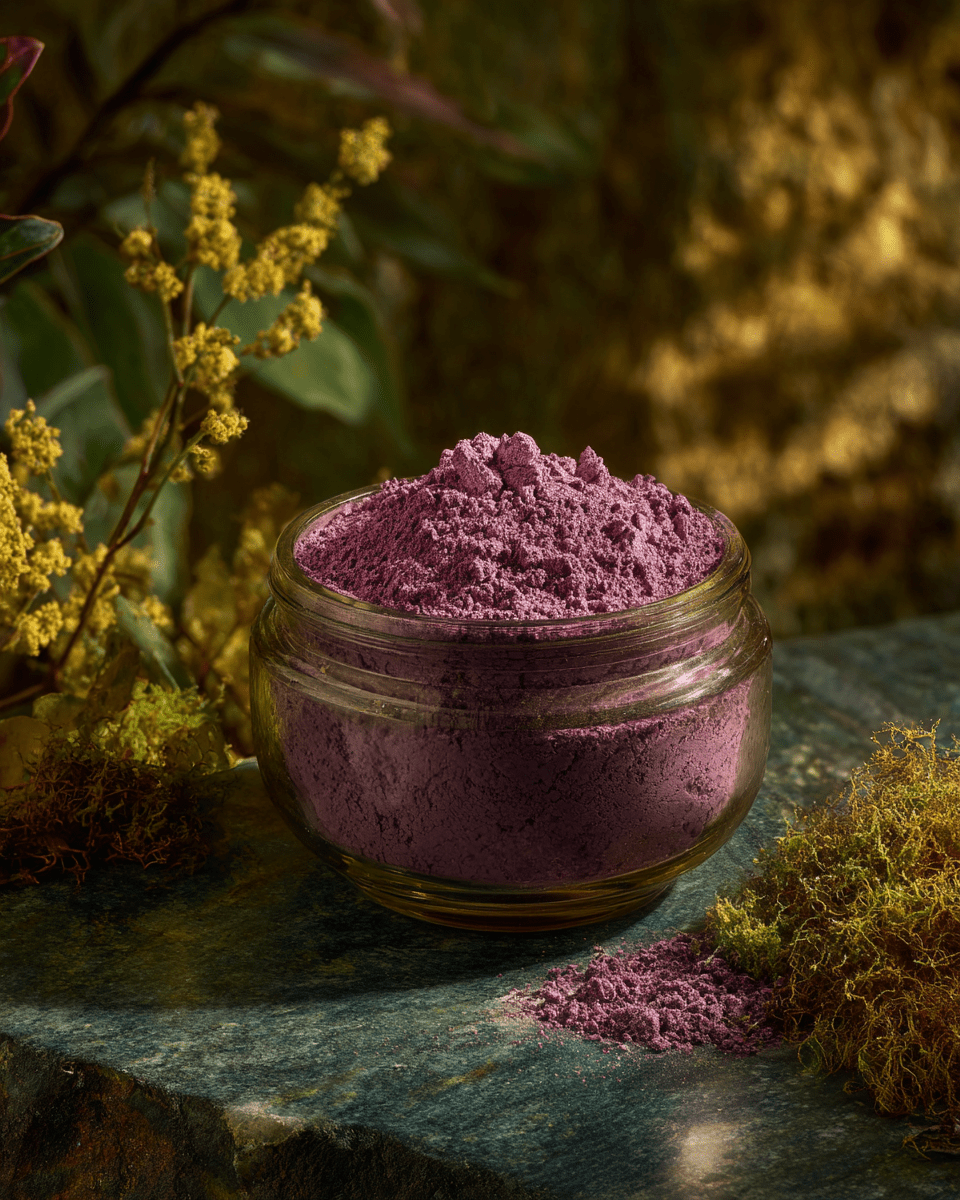
Mask for dehydrated sensitive skin: occlusion, optimal duration, and nopal powder protocol
A well-understood ingredient is a well-used ingredient. Through the Sensitive Dehydrated Skin Mask, discover its real benefits for the skin, its uses and its combinations — with the NOPAL LIFE common thread: demanding nature.
Sensitive dehydrated skin and masks: why this combination requires precision
Sensitive dehydrated skin combines two distinct vulnerabilities: a water deficit in the stratum corneum and a weakened skin barrier that allows water to escape more easily. This leakage is measured by TEWL — Transepidermal Water Loss. The higher the TEWL, the more the skin feels tight, reddens, and reacts to temperatures or cosmetics. Masks are one of the most effective tools to temporarily reverse this phenomenon, provided the right formula is chosen and an appropriate protocol is followed.
This guide reviews the complete taxonomy of masks, their mechanism of action on the skin barrier, the optimal application times validated by dermatology, and the bi-weekly protocol based on prickly pear powder — the star active ingredient of the Nopal Life range.
Taxonomy of masks: four families, four logics of action
Before choosing a mask, it is important to understand which family it belongs to. Each format corresponds to a different physiological logic, and not all are suitable for sensitive dehydrated skin.
1. Rinse-off mask — Classic format, applied in a thick layer, it creates temporary occlusion while on the skin. Its active ingredients penetrate deeper due to the local increase in skin temperature. The final rinse, however, removes some of the surface lipids if the formula contains surfactants. To be avoided when the barrier is severely compromised.
2. Sheet mask — A sheet impregnated with serum, it works by mechanical occlusion: the fabric prevents the evaporation of the serum and forces the humidification of the stratum corneum. Highly appreciated for sensitive skin as it does not require rubbing. Caution: allowing the fabric to dry on the skin produces the opposite effect — it then absorbs skin moisture.