Rhassoul: Nopal Life Complete Guide
In the tradition of the Moroccan hammam, rhassoul — or ghassoul — has held a special place for centuries. This exceptional volcanic clay, extracted from the depths of the Atlas Mountains, is not just a simple cleansing powder: it is a complete skincare active, valued for its ability to help absorb excess surface sebum, refine skin texture, and provide a rare mineralizing sensation to even the most demanding skin. At Nopal Life, we have made naturalness the cornerstone of every formula. Prickly pear — Opuntia ficus-indica — is our signature ingredient, but our philosophy extends to all naturally derived actives that deserve to be understood, mastered, and intelligently integrated into daily routines. Rhassoul is one of the foremost among them.
In this comprehensive guide, you will understand what rhassoul truly is from a cosmetic perspective, how it is used on the skin, why it is not equally suitable for all skin types, and how to effectively integrate it into a structured skincare protocol — alone or in combination with other natural actives like prickly pear oil or floral hydrosols. We will also answer the most frequently asked questions and offer a personalized diagnosis to further your knowledge of your skin.
Understanding rhassoul: origins, composition, and cosmetic use
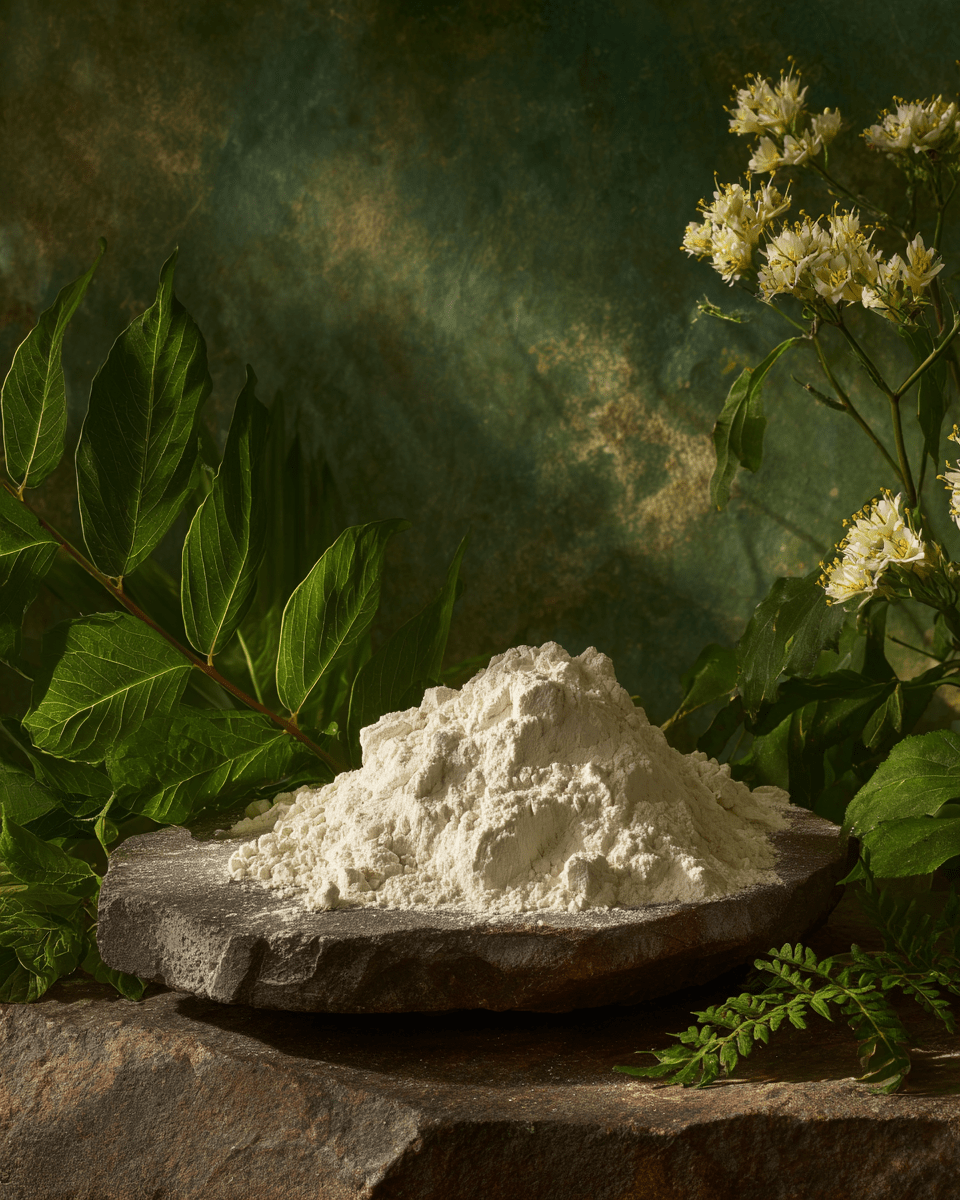
Rhassoul is a smectite clay extracted almost exclusively in the Moulouya region, in the Moroccan Middle Atlas. Its name comes from the Arabic ghassala, meaning "to wash" — an etymology that speaks volumes about its primary purpose. Unlike other clays like kaolin or illite, rhassoul has a crystalline structure particularly rich in minerals: silica (55 to 60%), magnesium (25%), calcium, iron, potassium, and sodium combine to form a mineral complex of exceptional density.
What differentiates rhassoul from other cosmetic clays is its lamellar structure. The arrangement of its layers allows it to capture sebum, cosmetic residues, and pollution particles on the surface, while providing a mineralized sensation to the skin. This textual particularity is rare in the mineral kingdom and is one of the reasons why rhassoul has long been appreciated among clays for cosmetic use.
From a textural point of view, rhassoul also stands out for its softness. Where a green clay might seem aggressive on sensitive skin, rhassoul has a finer grain size and moderate alkalinity — its pH is naturally between 7.5 and 8.5 — which makes it accessible to a wider skin spectrum.
Functionally, rhassoul is appreciated on four levels simultaneously: it helps cleanse pores on the surface thanks to its absorbent power, it helps to dislodge the appearance of impurities at the hair follicles, it exfoliates very gently thanks to its micro-grained texture, and it provides a remineralizing sensation to the epidermis thanks to magnesium and silica. This quadruple role makes it a versatile active, particularly valuable in a minimalist routine where one seeks to reduce the number of products without sacrificing comfort.
Its uses on the skin fall within the realm of skincare and skin comfort, and no abusive cosmetic claims are associated with it under European regulatory framework.
Rhassoul according to your skin type: adapting the protocol to your needs
One of rhassoul's great strengths is its modularity. Depending on the quantity used, the application time, the chosen dilution medium, and the frequency of application, it can meet very different skin needs. This is where the art of personalized clay-based skincare lies.
Combination to oily skin. This is the profile for which rhassoul offers the most visible results. Its ability to absorb excess surface sebum in the T-zone without stripping the skin makes it a choice ally for skin that shines by mid-day. Applied alone, diluted in water or tea tree hydrosol, it helps visibly tighten the appearance of pores and mattify the appearance of shiny areas. For this skin type, an application of 10 to 15 minutes, twice a week, generally yields very good results. Our article dedicated to rhassoul routines for combination and oily skin details the protocols adapted to this profile.
Dry and dehydrated skin. Surprisingly, rhassoul can be suitable for dry skin, provided it is diluted in a fatty or film-forming medium. Mixed with a few drops of prickly pear oil or rose hydrosol, it becomes a nourishing mask that cleanses without drying. The application time should be reduced (5 to 8 minutes maximum) and applied no more than once a week. Our specific guide on rhassoul for dry and dehydrated skin further explores this point with precise formulas.
Sensitive and reactive skin. The relative gentleness of rhassoul compared to other clays does not mean it can be used without caution on reactive skin. For this skin type, it is highly recommended to dilute it generously, avoid complete drying of the mask before rinsing, and not exceed one application every ten to fifteen days. Combining it with chamomile or cornflower hydrosol further softens the experience. Consult our article on rhassoul adapted for sensitive skin for a safe protocol.
Normal skin. So-called normal skin fully benefits from rhassoul without any particular constraints. A weekly application will be enough to maintain a clear and luminous skin texture throughout the year.
If you are not sure precisely what your skin type is — which is the case for many people whose skin changes with seasons, stress, or diet — our Nopal Life Skin Intelligence™ diagnostic analyzes your skin in a few minutes to guide you towards the most suitable skincare and formulas for your exact profile. This is the ideal starting point before building a clay-based routine.
Recommended routine: the Nopal Life rhassoul protocol
A rhassoul treatment is not an insignificant gesture that one simply slips into a routine. To get the most out of it while preserving skin comfort, it follows a precise logic: skin preparation, mask application, thorough rinsing, and appropriate post-mask care.
Step 1 — Prepare the skin (2 minutes)
Before any clay mask, the skin must be clean and slightly moistened. Gentle, soap-free cleansing prepares the skin and promotes better contact with the minerals. Avoid overly stripping cleansers that would weaken the epidermis before application.
Step 2 — Prepare the mask (3 minutes)
Pour two tablespoons of powdered rhassoul into a glass or ceramic bowl (avoid metal containers, which can alter the clay's properties). Gradually add your liquid medium — mineral water, floral hydrosol, aloe vera juice — until you obtain a creamy, homogeneous consistency. The proportion is generally 2 parts clay to 3 parts liquid, adjusted according to your skin type. For dry skin, a touch of Nopal Life prickly pear powder can be incorporated into the mixture for its softening and remineralizing properties.
Step 3 — Application and waiting time (8 to 15 minutes)
Apply the mask in a generous and even layer on the face, avoiding the eye contour and lips. The waiting time varies according to your skin type: 5 to 8 minutes for dry or sensitive skin, 10 to 15 minutes for combination to oily skin. The golden rule: never let the clay dry completely. An overly dry clay mask begins to draw water from the skin rather than just capturing surface impurities. If you feel the surface hardening, lightly mist with a facial spray before rinsing.
Step 4 — Thorough rinsing (2 minutes)
Rinse thoroughly with lukewarm water — never cold, which risks tightening the skin, nor too hot, which could accentuate the appearance of redness. Complete rinsing without clay residue is essential to avoid a tight feeling.
Step 5 — Post-mask care (crucial step)
After rhassoul, the skin is in an optimal state of receptivity. This is the ideal time to apply a moisturizing or soothing treatment. Our Nopal Life clarifying aloe vera gel for combination skin is the perfect complement: it provides the necessary hydration after clay cleansing while prolonging the fresh sensation on the skin. For dry or dehydrated skin, a few drops of pure prickly pear oil or our cactus oil serum will complete the gesture with targeted lipid richness.
Essential natural actives in synergy with rhassoul
Rhassoul never acts alone in a well-constructed routine. Its benefits multiply when combined with the right natural actives, chosen according to your skin type and cosmetic goals.
Prickly pear (Opuntia ficus-indica) — Nopal Life's signature active. Prickly pear seed oil is one of the most precious actives in natural cosmetics. With an exceptional content of linoleic acid (up to 60-65%), vitamin E tocopherol, and plant sterols, it ideally complements rhassoul's action by helping to preserve the comfort of the hydrolipidic film after clay cleansing. Its richness in polyunsaturated fatty acids helps maintain skin suppleness and comfort. Combined with rhassoul in powder form or used as a post-mask treatment, it perfectly balances the purifying action of the clay. Rich in betalains and flavonoids, prickly pear is appreciated for helping to preserve skin radiance daily.
Floral hydrosols. Hydrosol is the ideal dilution medium for rhassoul. Each hydrosol brings its own qualities: rose hydrosol hydrates and softens sensitive skin, tea tree hydrosol is suitable for blemish-prone skin, lavender hydrosol helps soothe the appearance of redness, chamomile hydrosol is suitable for the most reactive skin. Choosing your hydrosol means already customizing your clay mask.
Aloe vera. Aloe vera gel is another natural partner for rhassoul, particularly appreciated for combination skin. Mixed in small quantities with clay powder, it softens the mask's texture and reduces the risk of drying during the application time. It also enhances the overall soothing properties of the treatment.
White clay (kaolin). For very dry or very sensitive skin that still wants to enjoy the benefits of a clay mask, mixing 50% rhassoul and 50% kaolin provides a softer, less absorbent, but equally remineralizing mask. This combination is one of the most basic formulas taught in DIY natural cosmetics.
Essential oils. A few drops of tea tree, true lavender, or geranium essential oil can enrich a rhassoul mask intended for blemish-prone or unbalanced skin. Caution: essential oils are powerful actives that should always be used diluted and after a prior skin patch test.
Common mistakes to avoid with rhassoul
As natural as it is, rhassoul can produce undesirable effects if used incorrectly. Here are the five most common mistakes observed, and how to correct them.
Mistake 1: letting the mask dry completely. This is the most frequent and most damaging mistake. When the clay dries completely, it begins to draw water from the superficial layers of the epidermis, causing a pulling effect and a temporary sensation of discomfort. The absolute rule: rinse as soon as you feel the surface hardening, or lightly mist to keep the mask moist.
Mistake 2: using a metal utensil. Contact between clay and metal can lead to reactions that alter the clay's mineral properties. Always use a glass, ceramic, or wooden bowl, and a wooden or silicone spatula or spoon.
Mistake 3: applying the mask to dry skin. Rhassoul activates and adheres better on slightly moistened skin. On completely dry skin, distribution is uneven and absorption can be too concentrated in certain areas.
Mistake 4: not moisturizing after the mask. Rhassoul cleanses the surface — which means it also removes some of the surface sebum that contributes to skin comfort. Not applying a moisturizing treatment within minutes of rinsing leaves the skin in a temporary state of discomfort. Our complete post-mask protocol for dehydrated skin details the recommended complementary treatments based on your profile.
Mistake 5: using rhassoul daily. Even on the oiliest skin, daily use of rhassoul is excessive. The skin needs time to rebalance between clay cleansing sessions. Two applications per week are the recommended maximum, and a single weekly application is often sufficient for most profiles.
Rhassoul for hair: the forgotten hair use
Rhassoul is not reserved for facial care. In the Moroccan hammam tradition, it was used indiscriminately on skin and hair — long before hair care products invaded our bathrooms. For hair, rhassoul is used as a gentle, degreasing clay shampoo that respects the scalp's natural protective film.
For oily hair, it helps balance the appearance of sebum on the scalp and extends the time between washes. For fine hair, it adds volume without weighing down the hair fiber. For curly or coily hair, the remineralizing sensation it provides can help soften the appearance of the fiber and reduce frizz.
The preparation is slightly different from that of a face mask: rhassoul should be diluted more generously to form a fluid paste that can be applied to the entire length of the hair and scalp. Rosemary hydrosol is an excellent medium for oily hair, lavender hydrosol for sensitive scalps. Rinsing must be particularly thorough to avoid leaving any clay residue in the hair.
Rhassoul FAQ: frequently asked questions
Is rhassoul suitable for blemish-prone skin? Yes, to a certain extent. Rhassoul helps absorb excess sebum and dislodge the appearance of clogged pores. It does not replace dermatological care for moderate to severe blemishes but is an interesting complement in a routine for light blemish-prone skin. Diluted in tea tree hydrosol, it enhances its purifying benefits.
Can rhassoul be used on the body? Absolutely. For body use, it can be applied as a scrub-mask on areas prone to dryness (elbows, knees, heels) or as a treatment on the back and décolleté for blemish-prone skin. It is used in the same way as a face mask, with the same application time.
What is the difference between rhassoul and green clay? Green clay is more absorbent and more alkaline than rhassoul. It is particularly suitable for very oily skin and marked impurities but can be too aggressive for dry or sensitive skin. Rhassoul is softer, more remineralizing, and more suitable for broad-spectrum use. For combination to sensitive skin, rhassoul is often preferred.
Where to buy quality rhassoul? The quality of rhassoul varies considerably depending on its origin and packaging. Prioritize certified Moroccan rhassoul, without additives or synthetic fragrances, packaged as pure powder. Verify that the supplier can justify the exact geographical origin (Moulouya region) and the absence of chemical treatments.
Can rhassoul be used on colored hair?
Yes, with one precaution: its gentle cleansing respects the hair fiber, but space out uses in the first few weeks after coloring to preserve color intensity.
Integrating rhassoul into a complete Nopal Life skincare routine
Rhassoul is a valued active, but it is just one piece in a larger skincare puzzle. At Nopal Life, we conceive of the beauty routine as a coherent protocol where each product plays a precise and complementary role.
An example of a structured weekly routine centered around rhassoul might look like this: during the week, gentle daily cleansing morning and evening with a gel or makeup remover oil that respects the skin's pH. On weekends, a rhassoul mask (or two if the skin is combination to oily) complements the cleansing. After each mask, the application of an active serum — based on prickly pear oil for its richness in linoleic acid, or a moisturizing complex with aloe vera — prolongs the benefits of the clay treatment.
This modular approach, focused on understanding your skin's real needs rather than accumulating products, is at the heart of the Nopal Life philosophy. That's why we developed our Skin Intelligence™ diagnostic: to help you precisely identify your skin profile, apparent imbalances, and the active ingredients that truly suit you — whether it's rhassoul, prickly pear, or other natural active ingredients from our range.
If you wish to explore our entire natural skincare universe and discover how each active ingredient fits into a personalized routine, our Nopal Life Skin Guide is the ideal starting point: hundreds of expert articles, organized by skin type, concern, and active ingredient, to support you at every stage of your natural beauty journey.
Frequently asked questions about rhassoul
Can rhassoul replace shampoo?
Yes, that's its ancestral use: applied as a paste to wet hair, it gently cleanses without detergent. Sensitive or oily scalps particularly appreciate it.
What's the difference between rhassoul and green clay?
Rhassoul cleanses (it will foam slightly due to its structure), while green clay absorbs. The former is gentler and suitable for normal to dry skin; the latter targets oily skin.
How to prepare a rhassoul mask?
Two spoons of powder, lukewarm water or floral water until a smooth paste is obtained, leave on for 5 to 10 minutes without letting it dry completely, then rinse with lukewarm water.
Is rhassoul suitable for sensitive skin?
It is one of the best-tolerated clays: its gentle cleansing action respects the protective film. However, very reactive skin types should test it on a small area first.
How often should it be used on the face?
Once a week as a mask is enough for gentle purification. As an occasional cleanser, it can be used more often, always followed by good hydration.
What should rhassoul be combined with in a routine?
A floral water to prepare it, a soothing toner after rinsing, and a light oil like prickly pear to nourish. The trio of gentle purification, soothing, and nourishment.
RECOMMENDED TREATMENT
Pure prickly pear oil
Natural formula · Origin Algeria
DISCOVER THIS TREATMENT →PERSONALIZED ROUTINE
Nopal Life Skin Intelligence™
Free diagnostic · 2 minutes
DISCOVER MY ROUTINE →Read more
Information provided for cosmetic and educational purposes; it does not constitute medical advice.


Go further than this article
Get our skincare guides by email — and start with your free skin diagnostic: 2 minutes, advice tailored to your skin. We ship to the US, UK, Canada, Australia and 27 European countries; somewhere else? Sign up and you will be the first to know when we deliver to your country.
By signing up, you agree to our privacy policy. Unsubscribe in one click.