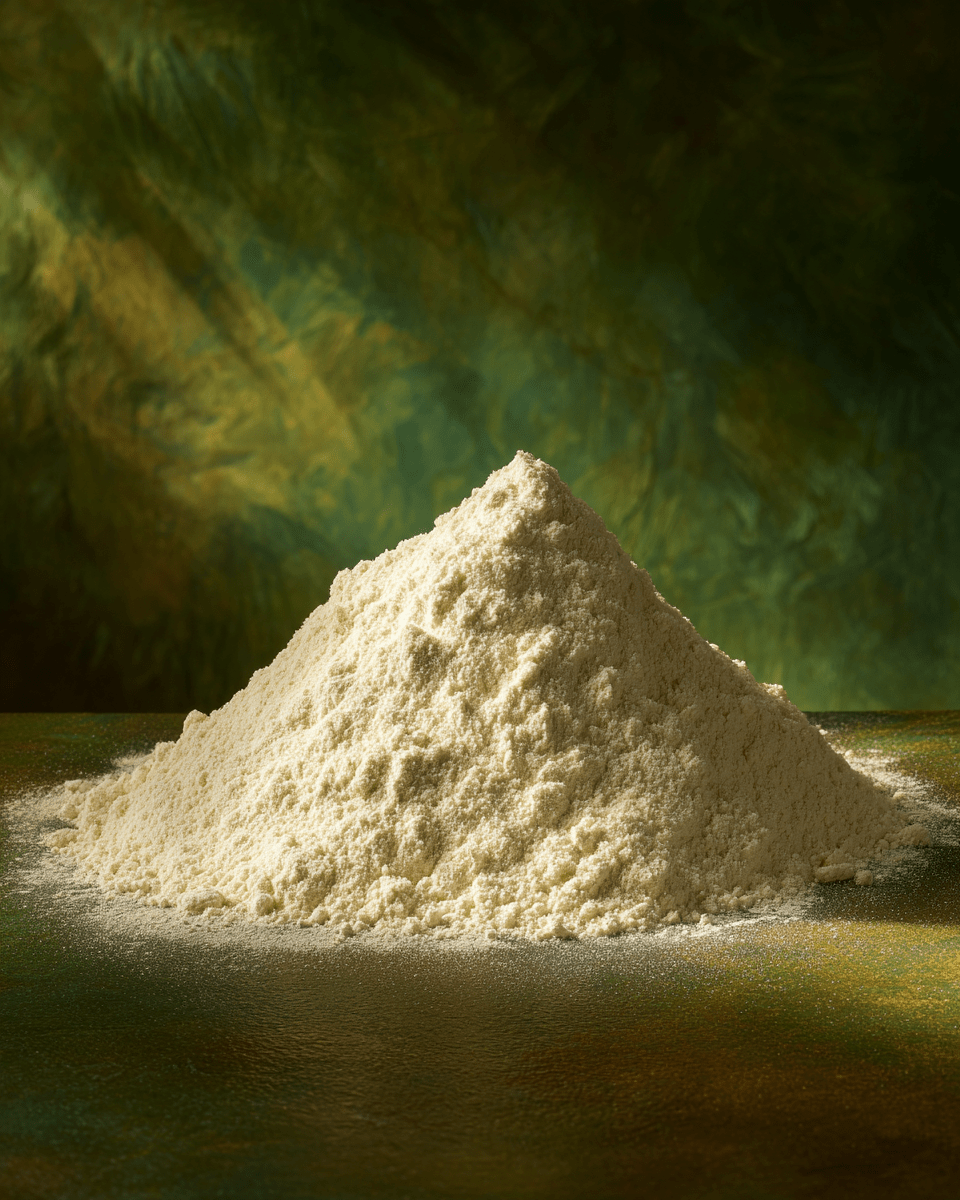
Pink Clay: History, Moroccan Hammams, and Revival
Before foaming formulas took over bathrooms, a silky, flesh-colored powder had already spanned millennia of civilizations. Pink clay is not an invention of contemporary natural brands: it is a venerable mineral whose journey runs from Pharaonic Egypt to the hammams of Fez, from the granite moors of Brittany to the foothills of the Moroccan Atlas. Understanding where it comes from is understanding why it continues to be a staple in the routines of the most demanding mature and dehydrated skin.
Key takeaways
- Pink powder is not a distinct mineral variety: it is a mixture of kaolinite and illite, colored by traces of iron oxides, whose absorbing power lies between that of white kaolin and green smectite.
- Its cosmetic use is documented over four millennia, from the Nile Valley to the Roman baths of antiquity, then in the baths of the Maghreb where it was used alongside almond, chamomile, and calendula.
- Three basins supply the bulk of the French market—the Moroccan Atlas, granite Brittany, and Andalusia; a fourth, Australian, mainly supplies Anglo-Saxon markets. The geology changes the fineness of the grain and the shade, not the nature of the mineral.
- The Nopal Life protocol sets numerical benchmarks: 1 teaspoon of clay, ½ teaspoon of prickly pear powder, 8 to 10 minutes of application, once a month on mature skin.
- A complete herbal guide of ten associated plants, a decision table for five clays, and a regulatory reading grid for fragrance allergens complete this file.
Four thousand years of documented use: the chronology
Healing clays belong to the rare category of ingredients whose use can be continuously tracked, text after text, from one side of the Mediterranean basin to the other. The table below compiles the milestones for which there is written or archaeological evidence, distinguishing what the source actually says from what modern cosmetics sometimes project onto it.
| Period | Geographical Area | Documentary Source | Attested Use |
|---|---|---|---|
| ~1550 BC | Egypt, Nile Valley | Ebers Papyrus | Clays as poultices, associated with vegetable fats, to soften and refresh the skin |
| 1st century AD | Rome, Hispania, Lemnos | Pliny the Elder, Naturalis Historia, Book XXXV | Fuller's earths (terra fullonica) and sigillata earths: cleaning fabrics and application to the skin after a hot bath |
| 8th-15th centuries | Al-Andalus, Maghreb | Andalusian treatises on agronomy and pharmacopoeia; travel narratives | Bathing culture: clays, beldi soap, aromatic plant powders |
| 16th-19th centuries | Morocco, Fez, Marrakech | Oral tradition, souk inventories | Rhassoul and light clays ground with a millstone, sold raw for weekly masks |
| 20th century | Europe | Mining inventories, then Applied Clay Science | Mineralogical characterization of clays for cosmetic and pharmaceutical use; standardization of batches |
| Since 2000 | France, Europe | European Cosmetic Regulation; INCI nomenclature | Return of raw mineral materials in natural cosmetics, with traceability of the deposit |
A methodological precision is necessary from the outset. None of these ancient sources mention "pink clay": color was never a classification criterion before the industrial era. Ancient authors designated these earths by their provenance—Lemnian earth, Chian earth, Hispanian earth—and described them by their feel and their behavior with water. The rosy color we call it today is a recent commercial marker placed on an ancient mineral continuum. To state this clearly is to do honest work rather than weave a novel.
From Egypt to Rome: the first cosmetologies
The earliest traces of cosmetic use date back over four millennia. The Egyptians knew the purifying properties of kaolinite and smectites naturally present in the Nile silts. The Ebers Papyrus, dated around 1550 BC, mentions preparations based on argillaceous earths intended to soften the skin and refresh the complexion. The material was mixed with precious vegetable oils—castor, moringa, kernel oil—to form poultices applied to the face before major ceremonies. The gesture was as much ritualistic as aesthetic: the earth accompanied the anointing, it did not replace it.
In Rome, Pliny the Elder describes in his Naturalis Historia the properties of fuller's earths for degreasing textiles and cleansing the skin. Roman baths used rosy-toned earths, especially those extracted from Hispanic deposits, for post-bath treatments. These salmon-colored earths came from the formations in the south of the Iberian Peninsula—the same ones that would later supply the Andalusian baths. The intense sweating of the caldarium was followed by an argillaceous coating, then a rinse with warm water and an oily anointing: the three-step structure we now call "mask, rinse, care" was already complete in the first century.
Two details are worth noting, as they shed light on contemporary use. First, clay was never used alone: it was systematically combined with a fatty substance or perfumed water. Second, the ancient application time was short, dictated by the pace of the bath, which aligns exactly with what is recommended today to prevent surface dryness. Roman luxury, here, invented nothing useless: it codified an effective process.
The trade in earths: a forgotten economy
It is hard to imagine the extent of the trade these powders generated. The sigillata earths of Lemnos were packaged in tablets stamped with a seal—hence their name—and traveled to Rome in dedicated amphorae. This seal attested to their origin: it is, literally, the first known cosmetic traceability. Ancient port inventories mention these earths alongside oil, wine, or Baltic amber. The price depended on three criteria that have not changed: the fineness of the grain, the consistency of the color, and the reputation of the deposit.
This economy has a direct consequence on what we read. Ancient texts mostly describe the earths that traveled—and therefore the most expensive ones. Clays for daily use, extracted from the nearest riverbank and used raw, left almost no written trace. Their written history is thus, by design, that of their most luxurious versions.
Al-Andalus and the Arab-Berber world: entry to the hammam
With the expansion of Islamic civilization in the Mediterranean, from the 8th to the 15th century, the bathing culture refined its use. The roja earth of Andalusia, whose deposits extend from Huelva to Granada, became a choice ingredient in the preparations of bath mistresses. Its hue comes from a fine inclusion of iron oxides in a kaolinite and illite matrix, which gives it both a soft touch and a slight toning effect on the complexion's appearance.
In Morocco, traditional establishments passed down an ancestral practice from mother to daughter, centered around beldi soap and Atlas earths. Rhassoul, the famous reddish-brown earth from the Moulouya mountains, coexisted with lighter, rosy-hued earths extracted from the High Atlas outcrops. These preparations were reserved for women's facial care after childbirth, to restore smooth skin texture and a rested complexion—a gesture that aligns with what contemporary cosmetology observes regarding the contribution of aluminosilicates to mature skin.
The oral transmission of these practices allowed them to span centuries without interruption. In the souks of Marrakech, these stone-ground earths are still found, sold raw for weekly masks according to ancient recipes. This living link between tradition and daily practice is precisely what makes pink clay valuable for those seeking verifiable authenticity.
The complete sequence of the traditional hammam
To isolate clay from its context is to misunderstand it. In the Maghreban hammam, the application of clay occupies a precise position within a long sequence, described as follows by ethnographic accounts:
- Acclimatization — twenty to thirty minutes in the warm room, then in the hot room. The humid heat softens the stratum corneum and prepares the exfoliation.
- Beldi soap — black olive paste applied all over the body, left to sit while the steam works.
- Kessa — vigorous scrubbing that removes softened dead cells. This is the mechanical step, and the only abrasive one.
- Clay — applied to the face and sometimes the scalp, on already clean and warm skin. The application time is short, timed to the end of resting in the warm room.
- Rinse and anoint — warm water, then local vegetable oil, often argan or olive, applied to still damp skin.
This sequencing explains something often overlooked: it was not a cleansing product. Cleansing was already done by the soap and the mitt. The clay was applied as a finishing touch, on clean skin, to refine the appearance of the skin texture and leave a clean feel. This is exactly the place it should occupy in a modern routine—after cleansing, never in its place.
A place of transmission
This place was not just a bath: it was a place of exchange where recipes, plants, and opinions circulated. Women compared provenances there just as we compare references today, and these conversations constituted a true horizontal information system. Modern ethnobotany largely relies on this oral memory, collected in the 20th century from the last practitioners. This is where we learn, for example, that the same preparation changed its name from one valley to another, or that a certain flower was reserved for young girls and another for women of a certain age.
Ethnobotany of the bath: the herbal guide associated with clay
The history of pink clay is inseparable from a flora. Around the Mediterranean basin, these earths have always traveled accompanied by powders and floral waters, which corrected their dryness, perfumed the preparation, or modified its texture. This botanical dimension is the least told part of their story, and yet the most useful for anyone wanting to compose a mask today.
| Plant | Latin Name | Habit / Cycle | Organ Used | Form in Hammam | Role in Preparation |
|---|---|---|---|---|---|
| Almond tree | Prunus dulcis | Tree, late winter flowering | Seed | Defatted powder; sweet oil | Softens the paste, makes the grain less rough when rinsing |
| Roman chamomile | Chamaemelum nobile | Low perennial, aromatic | Flower head | Hydrolat, cooled infusion | Liquid for mixing, traditionally associated with comforting reactive skin |
| Calendula (marigold) | Calendula officinalis | Annual, long flowering | Petal, flower head | Oily macerate, dried petals | Fatty substance and warm tint; traditional use on fragile skin |
| Damask rose | Rosa × damascena | Thorny shrub, cultivated in valleys | Petal | Floral water | Fragrant mixing liquid, slightly acidic reaction |
| Bitter orange | Citrus aurantium | Fruit tree, bitter flower | Flower | Neroli hydrolat | Olfactory alternative to rose water, widely used in the Maghreb |
| Argan tree | Argania spinosa | Endemic tree of southern Morocco | Fruit kernel | Cold-pressed argan oil | Final anointing after rinsing, never in the paste |
| Prickly pear | Opuntia ficus-indica | Arborescent cactus, perennial | Seed, pip | Seed powder; seed oil | Compensates for dryness during application; oil as final care |
| White lily | Lilium candidum | Bulb plant, summer flowering | Bulb, petal | Petal macerate | Complexion preparation in Mediterranean traditions |
| Henna | Lawsonia inermis | Shrub from warm regions | Leaf | Crushed powder | Hair and hand coloring, in separate preparations |
| Myrtle | Myrtus communis | Aromatic Mediterranean shrub | Leaf, twig | Decoction, hydrolat | Scented rinsing water, Andalusian tradition |
Three lessons emerge from this herbal. The first relates to the distribution of roles: aromatic plants provide the mixing liquid, oilseeds provide the fatty substance, and the fatty substance always comes after rinsing, never in the paste. The second concerns the calendar: chamomile is a perennial harvested from May to September, calendula is an annual whose flower heads are harvested all summer, while oilseeds — almonds in August, prickly pears in September — are only processed in autumn. The mask was therefore a seasonal object, whose composition varied throughout the year. The third relates to the diversity of plant habits: a tree like the almond tree, a shrub like the rose, a bush like henna, a bulbous plant like the lily, a cactus like Opuntia. This variety is not decorative: it tells a story of terraced agriculture where each level produced its share of care.
The question of attributed virtues
One point requires caution. Chamomile is traditionally described, in ancient pharmacopoeias, as a calming plant, sometimes qualified as an anxiolytic when consumed as an infusion. This reputation relates to internal use and historical ethnobotany: it does not translate to a hydrolat applied to the face, and nothing in a clay mask could claim it. The qualifier anxiolytic belongs to medical vocabulary, never to that of a cosmetic treatment. It is retained here for what it is — a cultural fact that explains why this flower has accompanied baths for so long, and why it still crosses aromatherapy shelves today.
The same reservation applies to all the virtues attributed to bath plants. Ethnobotany describes uses; it does not certify effects. This distinction, a little austere, is what separates serious documentary work from a promotional brochure. We adhere to it.
The almond tree, from tree to powder
The almond tree deserves a section all to itself, as it is the most versatile of bath trees. Its spectacular flowering in February on the Atlas terraces precedes a harvest by six months that supplies both cooking and cosmetics. The essential distinction is between sweet and bitter varieties: the latter, from a distinct variety, contains amygdalin and is not used as such in care preparations. Only the sweet variety, of food or cosmetic grade, is used in bath preparations.
Two forms coexist. The defatted and ground seed, obtained after pressing, provides a very fine body that makes the clay paste more slippery when spread. Sweet oil, rich in oleic acid, is used, on the other hand, for the final anointing. Mixing them in the same bowl would combine the two functions at the wrong time: tradition separates them, and rightly so. Finally, an important reservation: anyone with a nut allergy should avoid it in all its forms, powder and oil alike.
Compositae: the family to watch
Calendula and chamomile belong to the same family, Asteraceae. This is practical as well as taxonomic information: people sensitive to one are often sensitive to the other, and cross-allergy within this family is well-documented in dermato-cosmetics. If you have reacted to one, consider the other with the same circumspection.
That said, the use of this flower in bath preparations is ancient and constant, from Mediterranean antiquity to medieval monastic gardens. This annual plant has the advantage of flowering almost continuously from April to the first frosts, making it the most available flower in the entire herbal. Its orange hue passes into the oily macerate and gives preparations a warm color that has nothing to do with that of clay, but which is readily combined.
The gesture that survived: mixing water
Of all this pharmacopoeia, only one gesture has come down to our bathrooms intact: replacing tap water with floral water. This is not a decorative refinement: floral water is slightly acidic, weakly mineralized, and does not bring the limescale that disturbs the behavior of the powder when spread. It is the least expensive and most effective detail of the entire preparation.
Hydrolats and allergens: the regulatory interpretation grid
Choosing aromatic water to dilute your mask is not insignificant from a regulatory perspective. Hydrolats contain traces of volatile compounds inherited from distillation: linalool and linalyl acetate in orange blossom, geraniol and citronellol in rose, various esters in composite flowers. The European cosmetic regulation requires the explicit declaration of twenty-six of these substances when they exceed a specific threshold: 0.001% in a leave-on product, 0.01% in a rinse-off product.
| Floral water | Typical volatile compounds | Possible declarable allergens | Suitable for |
|---|---|---|---|
| Damask Rose | Geraniol, citronellol, phenylethyl alcohol | Geraniol, citronellol | General use, mature skin |
| Neroli (bitter orange) | Linalool, linalyl acetate | Linalool, limonene | Combination skin, olfactory preference |
| Roman Chamomile | Esters of angelate and isobutyrate | Variable traces depending on batch | Reactive skin, excluding Asteraceae allergy |
| Myrtle | 1,8-cineole, myrtenol | Limonene, linalool | Body rinse, Andalusian tradition |
| Demineralized water | None | None | Allergic skin, first use |
Among the twenty-six substances on the regulatory list are also benzyl benzoate, benzyl salicylate and benzyl alcohol, which are found in certain balms and scented resins but rarely in a simple hydrolat. Remember the principle rather than the list: the more fragrant a floral water is, the more likely it is to contain declarable molecules. For known allergic skin, demineralized water remains the most sober option, and it does not change the behavior of the paste.
Geological sources: Atlas, Brittany, Andalusia
From a mineralogical perspective, pink clay belongs to the mixed clay family: a variable mixture of kaolinite, illite, and montmorillonite, to which traces of ferric iron oxide—hematite or goethite—are added, giving it its hue. This profile gives it an intermediate position between white kaolin, which is soft and not very absorbent, and red clay, which is richer in iron. This middle position is not a weak compromise: it is precisely what makes it usable on skins that cannot tolerate the most absorbent materials.
| Deposit | Original formation | Dominant minerals | Shade | Feel / grain | Target skin type |
|---|---|---|---|---|---|
|
Moroccan Atlas (Midelt, Khénifra) |
Alteration of Triassic sandstones, 1,200 to 1,800 m altitude | Kaolinite, illite, magnesium silicates | Sandy pink, matte | Medium grain, supple paste | Mature skin, dehydrated skin |
|
Brittany (Huelgoat, Finistère) |
Armorican Massif, alteration of pink feldspar granites | Dominant kaolinite, residual quartz | Pale pink, almost beige | Very fine, almost impalpable | Sensitive skin, first trials |
|
Andalusia (Huelva, Spain) |
Sedimentary formations of southern Iberia | Illite, kaolinite, more abundant iron oxides | Deep salmon | More pronounced grain, light exfoliating effect | Combination skin, irregular texture |
|
Australia (Perth region) rare in France |
Kaolinic laterites | Very predominant kaolinite | Uniform light pink | Silky, low covering power | Very dry skin |
Two nuances should accompany this table. First, the same geographical origin covers very different batches: the composition varies from one quarry face to another, and only the supplier's technical sheet is authoritative. Second, the pH measurement often cited for Atlas clays—around 6.0 to 6.5 in aqueous suspension—is an order of magnitude value, not a constant. It simply indicates a slightly acidic reaction, unlike some treated kaolins.
Brittany deserves a special mention. Its pink granite, famous on the Côtes-d'Armor coast, and its light clays share the same mineral lineage: feldspars. Granite is the intact parent rock; clay is its alteration product, after millions of years of rain and frost. The pink color of both is therefore not an aesthetic coincidence, but a direct chemical kinship. It is one of the few regions in Europe where one can see, over a few kilometers, the rock and what descends from it.
From deposit to pot: the steps of the process
Between the quarry and the jar, five operations follow one another, each influencing the final result on the skin.
- Selective extraction. Not the entire layer is sampled: overly sandy or overly ferruginous levels are discarded at the working face. This is where the consistency of hue is primarily determined.
- Drying. Traditionally in the sun, today often in a low-temperature oven. Drying that is too hot degrades the layered structure and reduces the ion exchange capacity—this is the most frequent defect in cheap batches.
- Grinding. Stone mill in the ancestral process, hammer mill or micronization today. The resulting fineness directly determines the feel.
- Sieving. Calibration separates fractions; the finest are reserved for the face, the coarsest for the body and poultices.
- Control. Heavy metal testing and microbiological control, mandatory for any raw material marketed in Europe.
An increase in fineness does not mechanically translate into a better result: beyond a certain degree of micronization, the paste becomes sticky and difficult to rinse. Moroccan artisans knew this empirically; they stopped at the grain that the mill naturally gave them, and that grain remains, for many users, the most pleasant.
Pink, white, green, rhassoul: the decision table
The most frequent question is not historical but practical: which one to choose. Here are the benchmarks, with columns that are deliberately concrete rather than adjectives.
| Clay | Dominant mineral | Absorption (scale 1-5) | Recommended application time | Maximum frequency | Most suitable skin |
|---|---|---|---|---|---|
| Pink | Kaolinite + illite | 2 | 8 to 10 min | 1×/month (mature) — 1×/week (combination) | Mature, dehydrated, sensitive combination |
| White (kaolin) | Pure kaolinite | 1 | 10 to 12 min | 1×/week | Very dry, very reactive |
| Green (illite/smectite) | Illite, montmorillonite | 4 | 5 to 8 min | 1×/week | Oily, prominent T-zone |
| Rhassoul | Stevensite | 3 | 5 to 10 min | 1×/week | Hair, body, normal skin |
| Bentonite | Swelling Montmorillonite | 5 | 5 min | 2×/month | Oily, occasional and localized use |
The scale used here is a practical guide, not a laboratory measurement: it reflects the speed at which the paste pulls on the skin and begins to crack. Remember the simple rule that follows: the higher the absorbing power, the shorter the application time. This is why rose clay, at level 2, tolerates ten minutes, while bentonite requires five.
Contemporary Renaissance
After several decades dominated by synthetic active ingredients, the return of clays in cosmetics is not nostalgic: it is well-documented. Specialized literature, particularly the journal Applied Clay Science, has described the physicochemical mechanisms that explain their behavior in contact with the skin. Three mechanisms systematically recur.
- Surface adsorption. The sheets bind fats and particles deposited on the stratum corneum. This is not a deep action: it is a surface phenomenon, reversible with rinsing.
- Cation exchange. The sheets carry surface charges that exchange ions—calcium, magnesium, potassium—with the aqueous medium of the mask. This is the basis of these powders' reputation for mineralization, and it's also what tap water's limescale disrupts.
- Mechanical action of rinsing. Gentle micro-exfoliation with wet fingers contributes to the visible improvement of skin texture and the natural radiance of the complexion the next morning.
None of these three mechanisms fall under pharmacology. They are physical and ionic surface phenomena that perfectly explain what is observed—a clearer complexion, a smoother feel—without needing to attribute virtues they do not possess. This descriptive honesty is, in our view, the best defense of the ingredient. It is also the only tenable position given the European framework, which strictly regulates what can be claimed about a skincare product.
Dehydrated mature skin particularly benefits from rose clay for an additional reason: its moderate activity—level 2 on our 5-level scale—allows it to cleanse excess without stripping. On skin whose surface barrier has thinned with age, this natural balance is invaluable. This is also why the recommended frequency is monthly, not weekly: at a certain age, moderation is better than repetition.
It is in this continuity that our Nopal Life collection of botanicals and minerals fits: offering raw materials, similar to those used by the women of the Atlas and Roman bathers, with the traceability of the source and the clarity of formulation required by contemporary skin. If you are hesitant between several textures, the Nopal Life skin diagnostic will guide you in a few minutes.
Monthly Mask Protocol: Mineral and Botanical Synergy
The combination of rose clay with prickly pear powder is, from our formulator's perspective, the most intelligent for mature and dehydrated skin. This seed powder (Opuntia ficus-indica) is rich in betaines, amino acids, and film-forming polysaccharides, which precisely compensate for the slightly drying potential of clay left on for too long. The result: a mask that cleanses without aggression and leaves immediate comfort upon rinsing.
Nopal Life Protocol — dehydrated mature skin
- Frequency: once a month. No more: mature skin does not need weekly deep cleansing. For combination skin, it can be increased to once a week.
- Preparation: In a ceramic or glass bowl — never metal — mix 1 level teaspoon of rose powder, ½ teaspoon of Opuntia powder, and 2 teaspoons of rose floral water or chamomile hydrosol. Adjust drop by drop until a creamy, never liquid, texture is achieved.
- Paste Rest: 2 minutes, bowl covered. Complete hydration of the flakes makes spreading significantly more even.
- Application: On clean, slightly moistened skin, apply an even layer 2 to 3 mm thick, avoiding the eye and lip contour. A floral water mist before application is sufficient to prepare the skin.
- Application Time: 8 to 10 minutes maximum. Never let it dry completely: as soon as the paste begins to feel slightly taut, it's the signal to rinse.
- Rinsing: With lukewarm water, neither cold nor hot, using gentle circular motions that take advantage of the mechanical micro-exfoliation.
- Care: Immediately apply a few drops of prickly pear oil while the skin is still damp, to lock in hydration. This oil, rich in linoleic acid and alpha-tocopherol—the form of vitamin E whose antioxidant function is best characterized in vegetable fats—complements the mask's benefits.
The detail that changes everything happens at step 7: the window is three minutes. Beyond that, residual water has evaporated and the oil merely sits on the surface. Time it once, and you won't forget it.
The 24-hour tolerance test
A natural raw material remains raw: its composition varies from batch to batch, and individual sensitivity is always possible, especially in people with a history of contact allergies. Before first use, proceed as follows:
- Prepare a small amount of paste according to the protocol above.
- Apply it to a 2 cm area in the crook of the elbow or behind the ear.
- Leave on for 10 minutes, rinse with lukewarm water.
- Observe the area at 1 hour, then at 24 hours. In the absence of a reaction, application to the face can be considered.
This test also applies to botanicals added to the preparation: ground seeds should be avoided in case of known nut allergies, and macerated composite flowers require the same caution in people sensitive to this family. When in doubt, professional advice is better than an experiment.
Adapt the protocol according to the season
Tradition varied its composition throughout the year; there's no reason to do otherwise. Three simple adjustments, all based on the same principle—the drier the air, the more the hydrating component must increase:
- Winter, dry heating: increase the botanical portion to ¾ teaspoon and reduce application time to 7 minutes.
- Summer, perspiration: maintain the basic proportions, but rinse at 8 minutes rather than 10.
- Mid-season: the standard protocol applies as is.
Usage guidelines according to skin age
Age doesn't dictate a routine, but it shifts priorities. Here's how we adjust the guidelines in-store, without ever making them a rigid rule.
| Age Range | Recommended Frequency | Application Time | Recommended Addition |
|---|---|---|---|
| 20-30 years | Once a week | 10 minutes | Neroli hydrosol only |
| 30-45 years | Twice a month | 9 minutes | ¼ tsp Opuntia powder |
| 45-60 years | Once a month | 8 minutes | ½ tsp Opuntia powder |
| 60 years and over | Once a month | 7 minutes | ¾ tsp + rose floral water |
The equipment: five items, no more
Nothing is more discouraging than a preparation that requires hard-to-find equipment. Here is the complete list, and it fits on one hand. A ceramic or glass bowl with a capacity of 15 to 20 centiliters, wide enough so that whisking doesn't overflow. A measuring spoon, ideally made of olive wood or bamboo, kept dry between uses. A 2-centimeter flat brush, the kind found in drugstores, which provides a much more even layer than fingers. A mister filled with floral water, to moisten the face before application and refresh the layer if it dries too quickly. A thin cotton cloth, reserved for this use, for the final rinse.
Three points are worth noting. The brush should be washed with lukewarm water and laid flat to dry after each use: a brush stored wet will degrade in a few weeks. The cloth should be washed at 60 degrees without fabric softener, as fragrant detergent residues are a common source of reaction on a freshly rinsed face. Finally, avoid soft plastic containers, which retain odors and scratch, complicating cleaning.
The annual calendar: twelve sessions, continuous improvement
An isolated session doesn't say much. A ritual is judged over a full year, and it is also over a year that one identifies what works. We recommend keeping a minimal log: date, actual application time, liquid used, and a comfort rating out of five given the next morning. Four lines per session, twelve sessions per year – the exercise takes less than two minutes and transforms a vague habit into useful observation.
What is most often observed after six to eight sessions: the ideal duration stabilizes around a personal value, generally between seven and eleven minutes, different from that of a neighbor. The preferred diluting liquid also emerges, often for olfactory rather than technical reasons. And the frequency self-adjusts to the rhythm of the seasons, more spaced out in winter when the indoor air is dry, more regular in spring.
Two common-sense benchmarks frame this progression. The first: never link two sessions less than ten days apart, even if the result of the first was exciting. The second: suspend the ritual during periods when the face is already stressed—after prolonged sun exposure, in the days following a professional treatment, or simply when the skin feels tight upon waking. Waiting a week costs nothing and avoids most disappointments.
What this ritual does not do
For honesty's sake, let's also state what not to expect from it. A monthly mask does not replace daily cleansing or sun protection, which remain the two actions whose effect on facial appearance is best established over time. It does not alter the deep structure of the epidermis. It does not compensate for lack of sleep or general dehydration, on which water intake and lifestyle weigh more heavily than any preparation. And it does not produce spectacular results in the first session: it is a fundamental gesture, whose value lies in regularity rather than intensity.
Framing it this way is not a commercial reservation; it's a way of setting expectations correctly. A ritual that delivers on its modest promises is better than a product that makes grand claims and delivers none.
Mistakes to avoid
Even a material as gentle as rose clay can be misused. Here are the six most common mistakes, particularly detrimental to mature skin.
- Leaving the mask to dry completely. This is the number one mistake. A paste that cracks draws water from the most superficial layers and temporarily accentuates dehydration lines. The rule: remove at the first signs of tension.
- Using hard tap water. Limescale disrupts the ionic exchanges described above. Prefer filtered water, low-mineral mineral water, or a floral hydrosol.
- Mixing in a metal bowl. Some metals, aluminum in particular, interact with these ions. Ceramic, glass, or wood only.
- Applying to dry skin. The paste adheres better and spreads more evenly on pre-moistened skin.
- Too frequent sessions. On mature skin, excessively frequent cleansing can lead to lasting discomfort. Once a month is the right rhythm.
- Neglecting post-treatment care. The three-minute window after rinsing is when the skin, still damp, best retains a fatty substance. Missing it means losing half the benefit of the session.
Recognizing quality powder
The market is uneven. Four checks are sufficient, and none require equipment.
- The shade. A strong, uniform, and vibrant tone should raise a red flag: natural earths are matte and slightly irregular. A color that is too homogeneous may indicate a mixture of white kaolin and dye.
- The dry touch. When rubbed between two fingers, a quality material is slippery, not gritty. Grittiness indicates an excess of residual quartz.
- Behavior in water. Poured onto water, it should sink slowly and hydrate itself within one to two minutes. A product that floats while remaining dry has likely been dried at too high a temperature.
- The label. A precise geographical origin and a clear INCI name—Kaolin, Illite, Montmorillonite—are worth all marketing arguments. The absence of a mentioned source is in itself information.
Storage: three rules and a classic mistake
A material of this type does not strictly expire, but it does degrade. Store it in an airtight container, away from light and humidity, at room temperature and away from shower steam. The classic mistake is to dip a wet spoon into the jar: the introduced moisture forms clumps that won't break down, and it opens the door to contamination. Use a dry spoon, close immediately, and your jar will last for several years without changing its behavior.
What history teaches us, concretely
It would be easy to conclude with the charm of Roman baths and Fès souks. The interest lies elsewhere. By comparing four millennia of use, we find that the most stable practices are also those that physico-chemistry validates today: short application time, previously clean and warm skin, non-calcareous diluting liquid, fat applied after and not during. These four invariants are not picturesque traditions; they are empirical solutions to real constraints, found by trial and error and preserved because they worked.
The unique contribution of our era is twofold: the traceability of the deposit, which allows us to know what we are applying, and the reasoned association with hydrating plant powders, of which Opuntia is the most accomplished example in our range. The rest—the gesture, the rhythm, the patience—comes directly from the hammam, and there is nothing humiliating in recognizing that on this point, antiquity had already found the answer.
Conclusion
Used since antiquity, passed down through hammams, and now described by mineralogy: pink clay has transcended centuries without ever needing reinvention. It cleanses gently, leaves skin clear and a complexion radiant, and fits effortlessly into a demanding routine. A ceramic bowl, a floral water, ten minutes of patience, and a few drops of prickly pear oil: the protocol takes five lines, and it is four thousand years old.
Frequently Asked Questions
- Is pink clay suitable for very sensitive or reactive skin?
- It is one of the most well-tolerated clays for sensitive skin, due to its low absorbency (level 2 on our scale, compared to 4 for green clay) and its slightly acidic reaction, close to the skin's natural pH. It is still not recommended for broken or irritated skin, and a 24-hour tolerance test on the crook of the elbow is recommended before first use.
- What is the difference between pink, white, and green shades?
- White (kaolin) is the gentlest, almost inert, suitable for very dry skin: leave on for 10 to 12 minutes. Green is the most absorbent, designed for oily skin, and should not be kept on for more than 5 to 8 minutes. Pink is intermediate: 8 to 10 minutes, moderate absorption, making it the safest choice for combination, mature, or dehydrated skin.
- Can pink clay be mixed directly with prickly pear oil?
- No, it is preferable to keep them separate. The oil forms a film that blocks ionic exchange with the skin. The optimal protocol is to apply a few drops of this oil immediately after rinsing, within three minutes, while the skin is still damp.
- What effect does it have on fine lines?
- No material of this type erases structural fine lines. However, the micro-exfoliation during rinsing and the mineral supply contribute to improving radiance and surface texture. Dehydration lines, those that become more pronounced at the end of the day or in dry weather, respond well to a monthly session followed by an oily treatment.
- Can Opuntia powder replace the hydrating part of a mask?
- Yes, that is even its most relevant use. Its richness in polysaccharides, betaines, and amino acids forms a natural moisturizing complex that counteracts the absorbent effect of the mineral. Reference dosage: ½ teaspoon for 1 teaspoon of clay, increasing to ¾ teaspoon in winter.
- What plants were historically associated with the preparation?
- Mediterranean baths combined crushed almond seeds (Prunus dulcis), floral and bitter orange flower hydrosols, and macerations of marigold, an annual plant harvested in summer. The fatty substance — argan, olive — was always applied after rinsing, never in the paste.
- Should one be wary of floral waters on sensitive skin?
- Hydrosols provide volatile compounds, some of which are among the twenty-six perfume allergens that must be declared above 0.001% in a leave-on product and 0.01% in a rinse-off product: linalool, geraniol, citronellol, benzyl benzoate. For allergic individuals, demineralized water is the simplest option and does not alter the mask's behavior in any way.
- Where is pink clay extracted for the French market?
- Three basins supply most of the market: Brittany (Huelgoat, Finistère), whose grain is the finest; the Moroccan Atlas (Midelt, Khénifra), most used for mature skin; and Andalusia (Huelva), richer in iron oxides. The origin changes the fineness and shade, not the nature of the mineral.
- How should the powder be stored?
- In an airtight container, away from moisture and light, at room temperature. A mineral powder does not expire per se, but humidity alters its texture and ionic behavior. Never immerse a wet spoon in the jar.
Why Choose Nopal Life
Our work on mineral and plant materials follows a simple rule: state where the material comes from and what it actually does. No attributed virtues, no invented mechanisms. Pink clay is an alteration product whose fineness depends on its deposit; Opuntia is a cactus whose seeds yield a rare oil, rich in linoleic acid and alpha-tocopherol. Combined in the correct order — mineral first, then fatty substance — they form the oldest and most reliable known treatment for mature, dehydrated skin.
RECOMMENDED CARE
Pure Prickly Pear Oil
The treatment that follows the mask · a few drops on damp skin
DISCOVER THIS CARE →PERSONALIZED ROUTINE
Nopal Life Skin Intelligence™
Start my free diagnosis · 2 minutes
START MY FREE DIAGNOSIS →Sources: Carretero M. I., "Clay minerals and their beneficial effects upon human health. A review", Applied Clay Science, vol. 21, 2002; López-Galindo A., Viseras C., Cerezo P., "Compositional, technical and safety specifications of clays to be used as pharmaceutical and cosmetic products", Applied Clay Science, vol. 36, 2007; Pliny the Elder, Naturalis Historia, book XXXV (1st century AD); Ebers papyrus, translation B. Ebbell, 1937; Regulation (EC) No 1223/2009 on cosmetic products, Annex III (perfume allergens to be declared); BRGM, inventory of mineral resources in France.
Information provided for cosmetic and educational purposes; it does not constitute medical advice.


Go further than this article
Get our skincare guides by email — and start with your free skin diagnostic: 2 minutes, advice tailored to your skin. We ship to the US, UK, Canada, Australia and 27 European countries; somewhere else? Sign up and you will be the first to know when we deliver to your country.
By signing up, you agree to our privacy policy. Unsubscribe in one click.