Anti-aging hydration: the 8-week step-by-step protocol
As we age, our skin changes—and so do its needs. This guide provides numerical benchmarks, a dated protocol, and concrete actions to support your skin, in the NOPAL LIFE spirit: natural, precise, without exaggerated promises.
Key takeaways
- Aging skin retains less water: NMF and lipid cement become scarce, and the sensation of tightness becomes more frequent after 40.
- Order matters more than price: humectant on damp skin, then emollient within 60 seconds. Reversed, the same hyaluronic acid serum provides less comfort.
- Only three families structure any hydrating routine: humectants (attract water), emollients (smooth film), occlusives (slow evaporation). Our table compares them by usual dosage in formula and exact place in the routine.
- Our 8-week protocol below specifies what to add, week by week, in drops and minutes—it's consistency, not product layering, that makes a visible difference.
- Prickly pear oil does not hydrate: it seals. Its richness in linoleic acid and tocopherols makes it a final-step emollient, not a serum substitute.
What "anti-aging hydration" really means
The expression is everywhere, but it covers two distinct things that need to be separated to build a coherent routine. On one hand, hydration: the amount of water retained by the superficial layers of the skin, and their ability to keep it. On the other hand, what the market calls anti-aging: supporting the skin's appearance over decades—suppleness, radiance, wrinkle appearance, feeling of firmness.
These two dimensions intersect for a simple reason, verifiable in the mirror: dehydrated skin reflects light less effectively and makes surface texture more prominent. Fine, network-like dehydration lines fade within a few days of regular hydration. Established wrinkles, however, involve a deeper architecture and do not disappear with a cream—no cosmetic product erases them. However, the overall appearance of the face—skin clarity, evenness of complexion, plump appearance—is very directly dependent on the level of water retained.
Making this distinction prevents the main disappointment of so-called anti-aging facial treatments: expecting a structural result from a hydrating product, then concluding that it is useless. Hydration does not remodel; it provides the skin with the conditions for a rested and smooth appearance. This is already considerable, and it is visibly measurable in three to four weeks.
Commercial vocabulary doesn't help: the same formula can be sold as an anti-aging serum, an anti-wrinkle cream, or an overall anti-aging treatment depending on the packaging. What matters remains the INCI list, the texture, and the application time. The rest is marketing.
Why skin retains less water with age
Three mechanisms combine, none of which are diseases: these are normal physiological changes.
NMF, the water reservoir of the stratum corneum
The Natural Moisturizing Factor (NMF) is a set of small hygroscopic molecules present in the superficial layers: free amino acids (serine, alanine, glycine), pyrrolidone carboxylic acid (PCA), lactates, urea, and simple sugars. It represents a significant fraction of the dry weight of the stratum corneum and acts like a molecular sponge: it captures water and keeps it where it is useful, i.e., in the very first micrometers of the epidermis.
With age, repeated UV exposure, and the use of overly stripping cleansers, the presence of these components decreases. The skin then retains ambient humidity less effectively and becomes more sensitive to hygrometric variations: a heated office in winter, a long-haul flight, or a dry wind are enough to trigger the sensation of tightness that was not known at 25.
The intercellular lipid cement
Between the cells of the stratum corneum, a lipid mortar—ceramides, cholesterol, free fatty acids—ensures the relative impermeability of the surface. Its composition evolves over decades, and its barrier quality changes. The concrete result: trans-epidermal water loss (TEWL) increases, meaning water evaporates faster than before. Skin can therefore be properly hydrated in the morning and feel tight at 4 PM: this is not a lack of input, it's a leak.
Changes in the dermis and the appearance of firmness
In the dermis, natural collagen production gradually declines from the age of thirty, and the organization of elastic fibers changes. This is a documented physiological fact, not a skincare promise: no cosmetic product applied topically rebuilds this architecture. Facial treatments can, however, support the appearance of firmness and density—by maintaining a good water level, smoothing the surface texture, and enhancing radiance. This is precisely where the real value of a well-executed hydrating routine lies, and this is why consistency, rather than potency, remains the watchword.
Added to this are contextual factors: smoking, short sleep, unprotected sun exposure, and for many women, a period of hormonal transition around the age of fifty, often accompanied by more pronounced skin dryness and a need for richer textures.
Humectants, emollients, occlusives: the reference table
All hydrating cosmetics fall into three families. Confusing them is the most costly mistake, because it leads to buying the same product twice and forgetting another.
| Family | What it does | Key ingredients | Usual dosage in formula | Place in routine |
|---|---|---|---|---|
| Humectants | Attract and bind water in the stratum corneum | Hyaluronic acid, glycerin, PCA, urea, propanediol, betaine | HA 0.1 to 2%; glycerin 3 to 10%; urea 2 to 5% in cosmetics | Step 1, on damp skin |
| Emollients | Smooth texture, soften, fill in micro-roughness | Prickly pear oil, squalane, jojoba, plant esters, ceramides | 5 to 25% in a cream; 100% in pure oil | Step 2, within 60s |
| Occlusives | Slow evaporation by forming a continuous film | Shea butter, plant waxes, lanolin, film-forming silicones | 2 to 15%; in occlusive night treatment up to 30% | Step 3, in the evening or winter |
The rule derived from this table is simple: humectant first, emollient second, occlusive if necessary. A humectant alone on leaky skin is a leaky bucket; an emollient alone on dry skin smooths the surface without adding anything. Synergy is what produces the lasting hydrating effect.
One detail that few routines respect: the 60-second window. Applying the emollient while the skin is still slightly damp, right after the serum, changes the feeling of comfort at the end of the day. After two or three minutes, the surface water has already evaporated and the emollient seals... dry skin.
Hyaluronic acid: choosing the right molecular weight
Hyaluronic acid is the most well-known humectant, and the most misused. There is not "one" hyaluronic acid but a family of polymers whose size dictates their surface behavior. A well-constructed hyaluronic acid serum combines several.
| Fraction | Order of magnitude | Behavior | Sensation upon application | Common INCI name |
|---|---|---|---|---|
| High molecular weight (HMW) | 1,000 to 1,800 kDa | Stays on the surface, forms a non-occlusive hydrating film | Immediate smoothing effect, slight tightening as it dries | Sodium Hyaluronate |
| Medium molecular weight | 100 to 800 kDa | Compromise between film and superficial diffusion | Supple comfort, no tightness upon drying | Sodium Hyaluronate |
| Low molecular weight (LMW) | 10 to 50 kDa | Distributes more diffusely in the superficial epidermis | Perceived deeper hydration, no film effect | Hydrolyzed Hyaluronic Acid |
Three practical consequences. Firstly, a bottle that simply states "hyaluronic acid" without further precision rarely indicates the fraction: the presence of two different INCI names (Sodium Hyaluronate and Hydrolyzed Hyaluronic Acid) is a good sign of multi-weight formulation. Secondly, beyond about 2% in an aqueous phase, hyaluronic acid no longer provides additional comfort but a sticky finish: the spectacular concentrations displayed on some packaging are a marketing ploy. Thirdly—and this is the game-changer—an anti-aging hyaluronic acid serum applied to perfectly dry skin in a room with 30% humidity can accentuate the feeling of tightness, because the humectant draws water from wherever it can find it.
The correct method takes ten seconds: spray or pat with water, apply 3 to 4 drops of serum to still-damp skin, smooth without rubbing, then seal. This single change in order often transforms the perceived effectiveness of a product previously judged disappointing.
Glycerin, urea, PCA: the underestimated humectants
Glycerin is less photogenic than hyaluronic acid and often much more effective in daily use. A small molecule, very well tolerated, it is commonly dosed between 3 and 10% and contributes to the lasting comfort of dry mature skin. A facial cream that lists glycerin in the third or fourth INCI position is generally a good base, regardless of its price.
Urea at low concentrations (2 to 5%) is part of the NMF itself: it helps the superficial layer maintain its suppleness and is particularly suitable for skin that is slightly flaky. Sodium PCA and free amino acids play the same role, with a lighter texture and without the tingling that urea can cause on sensitized skin.
Betaine, propanediol, and vegetable glycerol complete the family. Their combined presence in a formula indicates serious work on fundamental hydration, which is more reliable than an isolated star active ingredient.
The Nopal Life 8-week protocol
Most routines fail because they introduce four new products on the same day. The protocol below adds only one step at a time, with precise quantities, to give the skin time to adapt and to understand what each product does. It is conducted over eight weeks, simply noting the face's comfort level each Sunday.
| Weeks | Added step | Quantity | Time | What to observe |
|---|---|---|---|---|
| W1 – W2 | Gentle cleansing + hyaluronic acid serum on damp skin | 3 to 4 drops | Morning and evening | Gradual disappearance of tightness after cleansing |
| W3 | Sealing emollient within 60s after serum | 3 drops of oil or 1 pea-sized amount of cream | Evening | Skin still supple upon waking, less tightness at 4 PM |
| W4 | Systematic SPF in the morning, including in the city and on cloudy days | 2 fingers (≈ 1.2g) face + neck | Morning | No immediate effect: this is the most profitable investment over 5 years |
| W5 | Systematic extension to neck and décolleté | + 1 to 2 drops, upward movements | Morning and evening | More even neck texture, an area often forgotten |
| W6 | Visible radiance/firming active: low-dose retinol or bakuchiol | 1 pump, 2 evenings per week | Evening, never with an exfoliant | Slight flaking possible: space out, do not stop |
| W7 | Increase frequency of active if skin remains comfortable | 3 evenings per week | Evening | Clearer complexion upon waking, refined texture |
| W8 | Richer night cream or weekly hydrating mask | 1 pea-sized amount / leave on 10 min | Evening, once a week | 8-week assessment: this is the realistic timeframe for visible results |
Two rules frame this protocol. Never add two new products in the same week—otherwise, in case of discomfort, you won't know which one is to blame. And don't judge a product before four full weeks: the renewal of the stratum corneum alone takes several weeks, even more so on mature skin. Changing creams every fortnight means never allowing a routine to do its job.
The morning routine, minute by minute
Four steps, about three minutes. The goal in the morning is not performance but protection: we prepare the skin for the day and limit what aggresses it.
- 0:00 — Minimal cleansing. For mature skin, lukewarm water alone or a non-stripping cleanser is sufficient in the morning. Excessive cleansing removes part of the protective film regenerated overnight.
- 0:30 — Antioxidant serum or hydrating serum. 3 to 4 drops on damp skin, smoothed flat with the palm of the hand, never rubbed. A hyaluronic acid serum is suitable for all skin types; a stabilized vitamin C serum adds a radiant dimension.
- 1:00 — Day cream. A pea-sized amount, with a texture adapted to the season: fluid in spring, more nourishing in winter. This is the emollient step that seals in the serum.
- 2:00 — SPF. Two fingers' worth of product for the face and neck, applied last, even behind a window and on cloudy days. Daily photoprotection is, by far, the most crucial step to preserve the skin's appearance long-term. No anti-aging serum or anti-wrinkle cream can compensate for its absence.
If time is short, the order of priority is unambiguous: SPF first, cream next, serum if possible. A two-product routine followed every day beats a six-product routine followed three times a week.
The evening routine, minute by minute
In the evening, the goal changes: remove the day's impurities, then create the conditions for nighttime comfort. This is when active ingredients are applied, because they are not exposed to UV rays and have seven to eight hours without aggressions.
- 0:00 — Makeup removal. Oil or cleansing balm massaged onto dry skin for 45 seconds, then emulsified with lukewarm water. For mature skin, this step advantageously replaces wipes, which rub and leave residue.
- 1:00 — Gentle cleanser if the day involved makeup, SPF, or urban pollution. Otherwise, stop at the previous step.
- 1:30 — Evening active ingredient according to the protocol schedule: low-dose retinol, bakuchiol, peptides, or niacinamide. Only one family per evening. Allow 1 minute before proceeding.
- 2:30 — Hydrating serum on slightly re-misted skin, 3 to 4 drops. It buffers the active ingredient and limits the initial discomfort of retinol.
- 3:00 — Sealing emollient. Rich night cream, or 3 drops of Pure Prickly Pear Seed Oil warmed between the palms then pressed onto the face and neck. This is the final step: nothing goes on top of an oil.
Twice a week, during cold periods, an additional occlusive layer applied in a thin film to dry areas extends comfort until morning. This practice, sometimes called slugging, is nothing new: it's simply the occlusive from the chart, used in its proper place.
Adapting hydration to your skin type
Not all mature skin ages in the same way. Identifying your skin type is the first step to choosing the right cream and serum — and to avoid buying a texture that will never suit you.
Dry mature skin: rich cream as a base
These skin types often have a more fragile barrier and faster water loss. Expression lines appear more pronounced by the end of the day, and dehydration lines appear all over the face, especially on the cheeks. The foundation: a hyaluronic acid serum morning and night, followed by a cream rich in essential fatty acids and ceramides. In winter, double the emollient step in the evening rather than increasing the amount of serum. The pinch test on the back of the hand provides a simple indicator: if the skin takes more than a second to return, the occlusive layer is missing.
Combination mature skin: balanced hydration
Shiny T-zone, tight cheekbones, first wrinkles settling on the upper cheeks: this paradox is classic and is resolved by geography, not by compromise. A universal hydrating serum over the entire face, a fluid cream in the morning, then in the evening a more nourishing texture applied only to the cheekbones, around the mouth, and on the neck. This zone-specific application reduces shine on the forehead and nose while providing comfort where it's needed, without unbalancing the whole.
Aging normal skin: preserving water capital
Even skin that shows no apparent problems benefits from a light hydrating cream from the age of thirty. An antioxidant serum in the morning, a comfort cream in the evening, daily SPF: the goal is to preserve what is still working well rather than correcting later. Preventive care is incomparably more accessible than corrective care, and the neck deserves exactly the same attention as the face.
Reactive mature skin: simplicity as a strategy
Temporary redness, stinging upon application, low tolerance threshold: these skin types require short INCI lists, fragrance-free products, and a very slow introduction of active ingredients. Retinol is replaced by bakuchiol, glycerin and ceramides are favored, and the routine is limited to three products. The risk here is not doing too little, but rather layering products that counteract each other: each new product is introduced alone, every third night, for two weeks before proceeding further.
Decade by decade: what changes concretely
Age is not a sufficient selection criterion — two 50-year-old women can have opposite needs — but it provides a useful framework for knowing when to add what.
| Decade | Priority | Evening texture | Active to introduce | Starting frequency |
|---|---|---|---|---|
| 25 – 34 years | Daily SPF + foundational hydration | Fluid cream | Niacinamide, vitamin C | Daily |
| 35 – 44 years | Radiance and even skin tone | Comfort cream | Low-dose retinol or bakuchiol | 2 evenings / week |
| 45 – 54 years | Comfort and appearance of firmness | Rich cream + sealing oil | Peptides, ceramides | Daily |
| 55 years and older | Daily comfort for established dryness | Nourishing night cream, occlusive 2 ×/week | Essential lipids, multiple humectants | Daily, including neck |
This table should be read as an order of arrival, not as a hard boundary. A 32-year-old with dry skin might fall under the "45 – 54" line for texture, while still using the active ingredients from her decade. The feeling of comfort arbitrates.
Retinol, bakuchiol, peptides: their place in a hydrating routine
A global anti-aging facial treatment almost always combines a hydrating base with one or two targeted active ingredients. However, they need to be positioned correctly, as they are not interchangeable and do not layer well.
| Active | Desired benefit | Time of day | Recommended start | Precaution |
|---|---|---|---|---|
| Retinol | Refined texture, radiance, smoothed appearance of fine lines | Evening only | 2 evenings / week, low dose | SPF imperative the next day; to be avoided during pregnancy |
| Bakuchiol | Radiance and visible firmness, better-tolerated plant-based alternative | Evening, sometimes morning | 2 evenings / week, then 3 if skin remains comfortable | Do not combine with retinol on the same evening |
| Peptides | Smoothed and plumped appearance of surface relief | Morning or evening | Daily | Very well tolerated, progressive effect over 8 weeks |
| Niacinamide | Even skin tone, barrier comfort | Morning | Daily, 4 to 5% | Beyond 10%, possible stinging |
| Stabilized Vitamin C | Radiance, daytime antioxidant | Morning, before SPF | Daily | Light-sensitive: opaque bottle, use within 3 months |
The safety principle is simple: one strong active per evening, never two. Retinol and an acidic exfoliant on the same evening guarantee a sensitized barrier and a two-week routine halt later. And whatever the active, it should be applied between cleansing and hydration, never on skin already covered with oil.
SPF: the step that conditions all others
There is no product whose effort/result ratio is as favorable for skin appearance over the decades. Chronic sun exposure, including urban and winter exposure, is the main external factor that alters the appearance of the face. An irreproachable hydrating routine without photoprotection is like bailing out a boat without plugging the leak.
Three practical points. First, quantity: the two-finger rule — two beads of product on the index and middle fingers — corresponds approximately to the face and neck dose needed to achieve the SPF indicated on the packaging; most users apply significantly less and therefore achieve lower actual protection. Second, texture: for mature skin, fluid hydrating formulas prevent a chalky effect in fine lines. Finally, reapplication: every two hours in direct exposure, a single application is sufficient for an office day.
SPF is applied last in the morning, after cream. It does not replace hydration: a hydrating SPF is primarily a filter.
Prickly pear seed oil: a final-step emollient
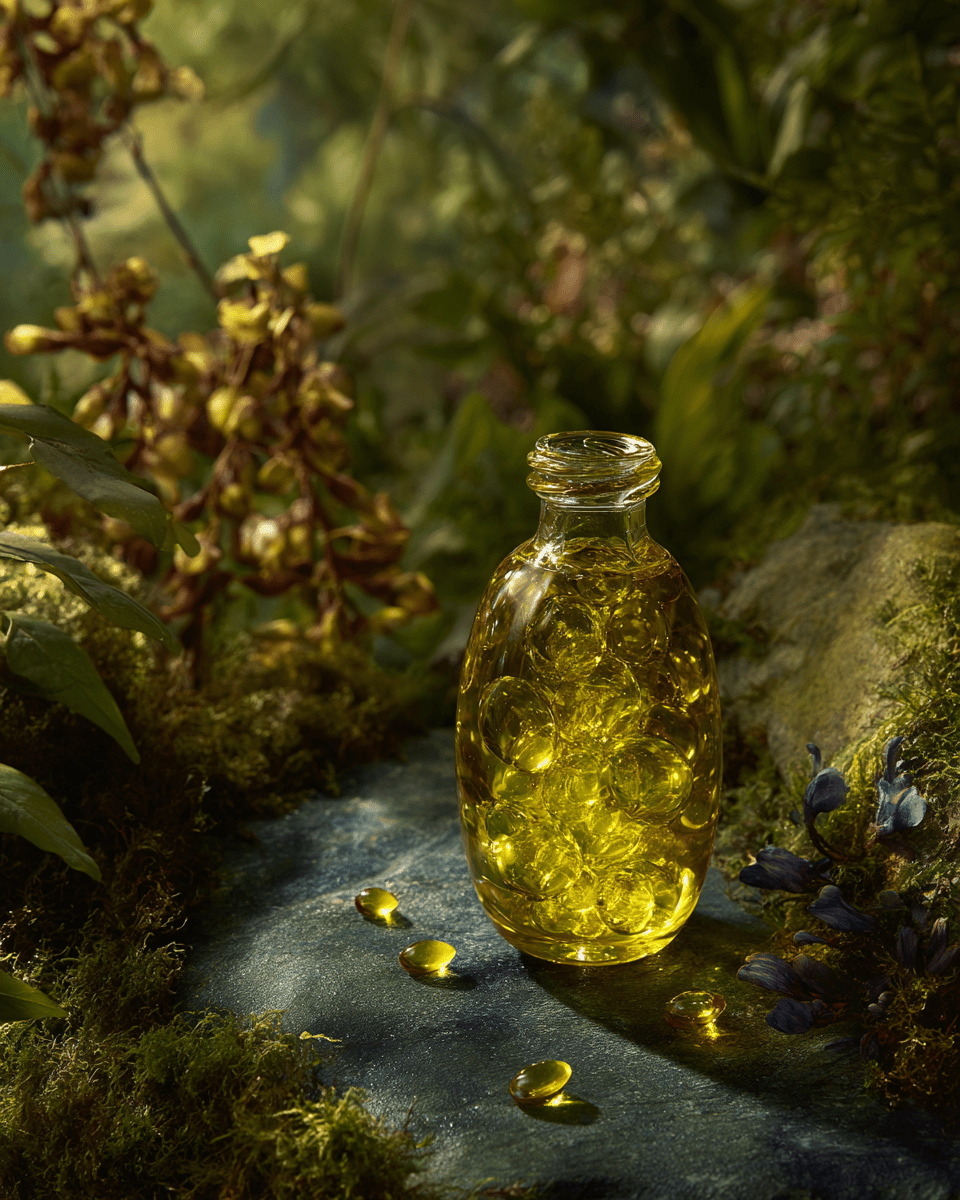
It's the brand's signature ingredient, and the first honest thing to say about it is what it is not: it is not a humectant. Prickly pear seed oil does not add water to the skin. It smooths, softens, and forms a film that helps slow down the evaporation of water already present. This is exactly what is expected of an emollient — and that's why it's applied last, after the serum, never in its place.
Its composition explains its behavior. Opuntia ficus-indica seed oil is dominated by linoleic acid, with a significant proportion of oleic acid and a particularly high tocopherol (vitamin E) content for a vegetable oil, mostly in the form of gamma-tocopherol; it also contains sterols, including beta-sitosterol (Ramadan & Mörsel, Food Chemistry, 2003 — see source at bottom of page). This lipidic signature gives a dry, fast-absorbing oil that leaves no greasy finish — a decisive point for a final routine step applied to the face.
In practice: 3 drops warmed between the palms, pressed onto the face still damp with serum, then 1 to 2 additional drops for the neck and décolletage. In the morning, 1 to 2 drops mixed with day cream are sufficient for dry skin; combination skin types will reserve it for the evening. Prickly pear extracts, rich in betalains and polysaccharides, are also found in some aqueous formulas where they contribute to an immediate sensation of hydration.
Finally, a quality indicator: authentic prickly pear seed oil is cold-pressed, straw-yellow to amber in color, and its rarity comes from the yield of the raw material — a considerable amount of fruit is needed to obtain a liter of oil. This explains its positioning, and it's also why bottles should be stored away from light and consumed within a year.
Day cream, rich cream, night cream: how to choose the texture
A face cream is chosen first by its texture, then by its active ingredients. A remarkable formula in an unsuitable base will not be applied regularly — and a routine that is not applied yields no results.
- Gel-cream: for combination skin, warm season, under morning SPF. Light sensation, rapid absorption, low occlusive effect.
- Comfort cream: the versatile format, suitable for most normal to dry mature skin, morning and evening.
- Rich cream: for dry skin, winter, dry or windy climates. Dense texture, to be warmed between the palms before application to avoid overuse.
- Night cream: more concentrated in lipids and often in active ingredients, without sun filter. Its real benefit lies less in the "night" marketing than in its richness: nothing prevents its use in the morning in winter if the skin demands it.
- Oil as a final step: for dry and mature skin, replacing or supplementing the evening occlusive.
A complete routine — serum, day cream, night cream — typically costs between 40 and 90 € depending on the formulations. The decisive criterion is never the displayed price but the INCI list: hyaluronic acid and glycerin for hydration, peptides for a smoothed appearance, retinol or bakuchiol for radiance and visible firmness, plant lipids and ceramides for barrier comfort.
Reading an INCI list in three minutes
A quick reading habit is better than ten online reviews. Here's the method we use internally to evaluate a hydrating formula for mature skin.
- The first five ingredients make up 80% of the product. If glycerin is not listed and no fatty substance appears before the tenth position, the formula will be light, no matter what the packaging claims.
- Identify the two families. At least one identified humectant (Glycerin, Sodium Hyaluronate, Urea, Sodium PCA, Betaine) and at least one emollient (Squalane, Opuntia Ficus-Indica Seed Oil, Butyrospermum Parkii Butter, Ceramide NP). Only one of the two families = incomplete formula.
- Locate the star active ingredient. If it appears after preservatives and fragrance, its presence is symbolic. Preservatives (Phenoxyethanol, Sodium Benzoate) are dosed at less than 1%: everything that follows them is below that.
- Check for fragrance on reactive skin. Parfum/Fragrance in the middle of the list, on easily stinging skin, should be ruled out before blaming the active ingredient.
- Beware of spectacular percentages. "5% hyaluronic acid" makes no sense in an aqueous phase: beyond 2%, the texture becomes sticky with no gain in comfort.
This checklist can be read while standing in an aisle, in three minutes, and it eliminates most bad purchases — regardless of the price range or the product's notoriety.
Common mistakes with hydrating skincare for mature skin
- Applying serum or cream to perfectly dry skin: the humectant then draws water from wherever it can find it. Apply to still-damp skin, then seal within a minute.
- Neglecting the neck and décolletage: Sagging and wrinkles are often more visible here than on the face. Extend every gesture down to the décolletage, using upward strokes.
- Changing cream every three weeks: It takes 4 to 8 weeks for a mature skin care product to show its effects. Cell turnover in the stratum corneum doesn't speed up just because you've switched bottles.
- Relying solely on thermal water mists: Without a humectant or emollient to follow, pure water evaporates, leaving the skin feeling tighter than before.
- Forgetting serum: For mature skin, it's not optional. Cream alone provides lipids; serum provides the water that these lipids will retain.
- Layering too many active ingredients on the same night: Stacking retinol, exfoliating acid, and vitamin C can sensitize the barrier and set you back weeks.
- Cleansing too harshly in the morning: The protective film reconstituted overnight deserves to be preserved. Lukewarm water or a very gentle cleanser is sufficient.
- Expecting a cream to erase an established wrinkle: It softens its appearance by plumping the surface, which is already visible — but it's not the same thing.
Environment and lifestyle: what really matters
Some skin hydration happens outside the bathroom, and neglecting this aspect means having to overcompensate with products.
Indoor air. Below 40% relative humidity—a common situation in heated homes in winter or air-conditioned homes in summer—skin evaporation significantly accelerates. A humidifier in the bedroom, or simply a damp cloth on the radiator at night, noticeably changes morning comfort within three days.
Water temperature. Very hot and prolonged showers dissolve some of the skin's surface lipid film. Lukewarm water and a reasonable duration preserve what protects the skin, including the face.
Sleep. Skin recovers best during the night. An elaborate evening routine with five hours of sleep produces less than a simple routine with seven hours of sleep.
Food and drink. Drinking enough is necessary but not sufficient: ingested water does not mechanically reach the stratum corneum. However, essential fatty acid intake—vegetable oils, fatty fish, oilseeds—more directly supports the quality of the skin's film.
Tobacco and alcohol. Both emphasize the feeling of dryness and dull the complexion. These are variables that no facial treatment can permanently compensate for.
Finally, a change of season warrants an adjustment in texture, not a complete change in routine. Keep the same active ingredients, thicken the emollient step from October to March, and lighten it from April to September.
Decoding anti-aging vocabulary
Anti-aging serum, anti-wrinkle cream, booster, concentrate, lotion, global anti-aging treatment: the beauty aisle has created a lexicon where few terms correspond to a formulation reality. Here's the translation, category by category, to know what you're actually buying.
| Name on the bottle | Formulation Reality | Texture / Phase | Useful for mature skin? |
|---|---|---|---|
| Anti-aging serum | Aqueous phase concentrated in active ingredients, little to no emollients | Fluid, fast absorption | Yes - this step provides water and active ingredients |
| Anti-wrinkle cream | Water-in-oil or oil-in-water emulsion, with humectants and lipids | Rich | Yes - this step seals in the serum |
| Booster / concentrate | Highly targeted serum, to be mixed or alternated | Fluid or oily | Optional - only makes sense as a complement to a solid base |
| Lotion / essence | Light aqueous phase, often rich in humectants | Very fluid | Useful for hydrating the skin before serum |
| "Filler" or "lift" effect | Film-forming polymers or silicones that optically smooth the surface | Gel or firming cream | Immediate and reversible cosmetic effect upon makeup removal |
| Global anti-aging treatment | Versatile formula combining hydration, radiance, and lipids | Comfort cream | Yes, if the INCI list delivers on its promises |
| Rich cream / night cream | Higher fat content, without sun filter | Dense | Yes, in winter and for dry skin |
Two key insights emerge from this decoding. First, none of these names are regulated: the same product can be marketed as a serum or a concentrate depending on the brand's strategy. Second, "lift effect" or "filler" labels refer to immediate optical results, achieved by a film that smoothes the face's surface. These effects are real and pleasant—they are also temporary, and they should not be confused with the deep work produced by a regular moisturizing routine.
As for organic or natural mentions, they inform about the origin of ingredients and production method, not about cosmetic performance. A well-constructed organic formula—quality vegetable oils, plant-derived humectants, controlled preservation—yields excellent results on mature skin; an organic formula poor in active ingredients remains a poor formula. The label indicates an approach, the INCI list indicates content.
Precautions and special cases
An anti-aging routine is not without risks, and some situations are worth knowing before adding a product.
- Retinol and pregnancy. Vitamin A derivatives applied to the skin are not recommended for pregnant or breastfeeding women. Bakuchiol, peptides, and hyaluronic acid are suitable alternatives during this period.
- Hormonal transition period. Many women in their fifties notice significantly increased skin dryness, even on skin that wasn't dry before. The solution is not to multiply active ingredients but to enrich the emollient phase and increase the presence of humectants.
- Risk of sensitization. Any introduction of a concentrated active ingredient should be tested in the crook of the elbow or behind the ear for 48 hours. A temporary tingling sensation upon application is not abnormal; persistent redness requires discontinuation and professional advice.
- Accumulation of active ingredients. The main risk of long routines is not ineffectiveness but irritation due to layering. Three well-chosen products are better than seven superimposed products.
- Sun exposure. Retinol, exfoliating acids, and certain essential oils increase skin sensitivity to light. They should be used in the evening, and daily SPF is non-negotiable.
- Eye contour area. Concentrated active ingredients should be applied sparingly here: the skin is thinner and reacts more quickly. Stay away from the lash line.
Finally, a common-sense principle: facial treatments are cosmetics. They support the appearance and comfort of the skin. Any lesion, any unusual change in a facial area, or any persistent reaction requires a health professional's attention, not just a change of cream.
Skin aging: three misconceptions
"A cream can restart collagen production." Collagen production naturally decreases with age: this is a physiological phenomenon of the dermis. A cosmetic applied to the surface works on the epidermis and on appearance—suppleness, radiance, smoothed relief. Presenting a beauty product otherwise falls under commercial promise, not formulation.
"Oily skin ages better." More abundant sebum production is often accompanied by a thicker surface film and a later sensation of dryness. This does not preclude either hydration or photoprotection: the determining factor for visible aging remains cumulative sun exposure, not skin type.
"The more expensive the product, the more effective it is." Price reflects packaging, distribution, and research, in highly variable proportions. The ingredients that drive hydration—glycerin, hyaluronic acid, ceramides, vegetable oils—are inexpensive and found across all price ranges. What distinguishes good formulas is their overall coherence: a humectant, an emollient, a texture you want to apply every day.
Frequently asked questions about mature skin hydration
Does hyaluronic acid applied to the skin help with the appearance of wrinkles?
It visibly improves comfort and suppleness, which reduces the appearance of dehydration fine lines in a few days. For established wrinkles, the visible effect is limited and due to surface plumping, not a modification of the dermis. Regular use over several months yields noticeable results on fine wrinkles, provided it is combined with an emollient.
Should it be used morning and evening?
Both applications provide the best comfort, but even just one application in the evening is still beneficial if the routine is consistent. In the morning, serum under cream and SPF provides comfort for the day; in the evening, it prepares the skin for the active ingredients of the nighttime routine.
Can glycerin replace hyaluronic acid?
It is an excellent humectant, very affordable, and largely sufficient for many skin types. Its action is concentrated on the surface and in the shorter term. Both are complementary, and the best moisturizing formulas combine them rather than choosing one over the other.
What cream for the appearance of deep facial wrinkles?
For nasolabial folds and forehead wrinkles, a cream concentrated in peptides and bakuchiol is appreciated: these active ingredients help preserve the firm and plump appearance of the skin and soften the visible relief over weeks. For very dry skin, it is combined with a hyaluronic acid serum for an immediate plumping effect. No anti-wrinkle cream makes a deep wrinkle disappear – it only modifies its appearance.
Can a hydrating serum be used from the age of 25?
Yes, and it's even the best time to establish the habit. A light hyaluronic acid serum morning and evening, complemented by daily SPF, forms a solid base. More concentrated active ingredients can then be gradually introduced as needed.
What criterion should be prioritized when choosing a moisturizer?
The INCI list, before the brand and before the price. Look for the joint presence of an identified humectant and an emollient in the first eight ingredients. Peptides, retinol or bakuchiol and essential lipids—prickly pear oil, ceramides—usefully complement a formula intended for mature skin.
Does prickly pear seed oil really hydrate?
Strictly speaking, no: it's an emollient, not a humectant. It helps retain water already present on the surface rather than adding it. Applied after a hydrating serum, it seals in the sensation of hydration and prolongs it: this humectant-emollient synergy produces the long-lasting effect felt.
How do I know if my skin is sufficiently hydrated?
It feels supple to the touch, quickly returns when lightly pinched, doesn't feel tight after cleansing, and has a natural glow. Fine network wrinkles on the cheeks are the most reliable sign of a deficiency. Our Skin Intelligence diagnostic accurately assesses this level in two minutes.
Can NMF be supported by applied skin care products?
Partially. Formulas containing low-dose urea, amino acids, PCA, or botanical extracts rich in hydrating compounds help the superficial layer maintain its suppleness. Regularity matters more than concentration: a decent product used daily outperforms a remarkable product used only on Sundays.
Do I need a specific eye contour treatment?
Not necessarily. The skin there is thinner and more mobile, which justifies a lighter texture and application by tapping with the ring finger, but a gentle hydrating serum followed by a comfortable cream is suitable for many skin types. A dedicated treatment becomes useful when the area reacts to rich textures.
How long does it take to see results?
For comfort and tightness: 3 to 7 days. For the appearance of dehydration fine lines and radiance: 3 to 4 weeks. For skin texture and smoothed appearance related to active ingredients: a full 8 weeks. This is the timeline adopted in our protocol above, and it is deliberately conservative.
Adjusting your routine with the seasons
The calendar is as important as the bottle's contents. From October to March, heated indoor air often drops below 40% relative humidity: thicken the evening sealing step and add an occlusive layer twice a week to areas that feel tight. From April to September, lighten the texture, keep the exact same active ingredients, and increase vigilance regarding sun protection—sufficient quantity, reapplication every two hours outdoors.
Two turning points deserve to be anticipated rather than endured: the first real cold snap, and the first sunny weekend of spring. In both cases, the adjustment is to the texture, never to the routine's composition. Changing an entire ritual with the change of season resets the eight-week counter to zero.
Building your routine
The foundation is the same for all mature skin types: a humectant on damp skin, an emollient within a minute, SPF every morning, and eight weeks of consistency before judging. Everything else—texture, active ingredients, frequency—is personalized according to skin type, season, and initial hydration level. Revisit the eight-week protocol, add one step at a time, and note what you observe every Sunday: it's this journal, more than the bottle's contents, that will make a difference in your face's appearance next year.
RECOMMENDED TREATMENT
Pure Prickly Pear Seed Oil
Last-step emollient · Cold-pressed, 3 drops in the evening
DISCOVER THIS TREATMENT →PERSONALIZED ROUTINE
Nopal Life Skin Intelligence™
Your personalized hydrating routine · 2 minutes
START MY FREE DIAGNOSIS →Source cited: M. F. Ramadan, J.-T. Mörsel, "Oil cactus pear (Opuntia ficus-indica L.)", Food Chemistry, 2003.
Information provided for cosmetic and educational purposes; it does not constitute medical advice.
Read more


Go further than this article
Get our skincare guides by email — and start with your free skin diagnostic: 2 minutes, advice tailored to your skin. We ship to the US, UK, Canada, Australia and 27 European countries; somewhere else? Sign up and you will be the first to know when we deliver to your country.
By signing up, you agree to our privacy policy. Unsubscribe in one click.