Prickly Pear: From Fruit to Oil, the Extraction Process
How do you get from cactus fruit to that precious bottle of oil? Manual harvesting, seed extraction, drying and cold pressing: the manufacturing process of prickly pear oil is long, delicate and largely artisanal. A look behind the scenes of an exceptional oil.
It all starts with the prickly pear cactus
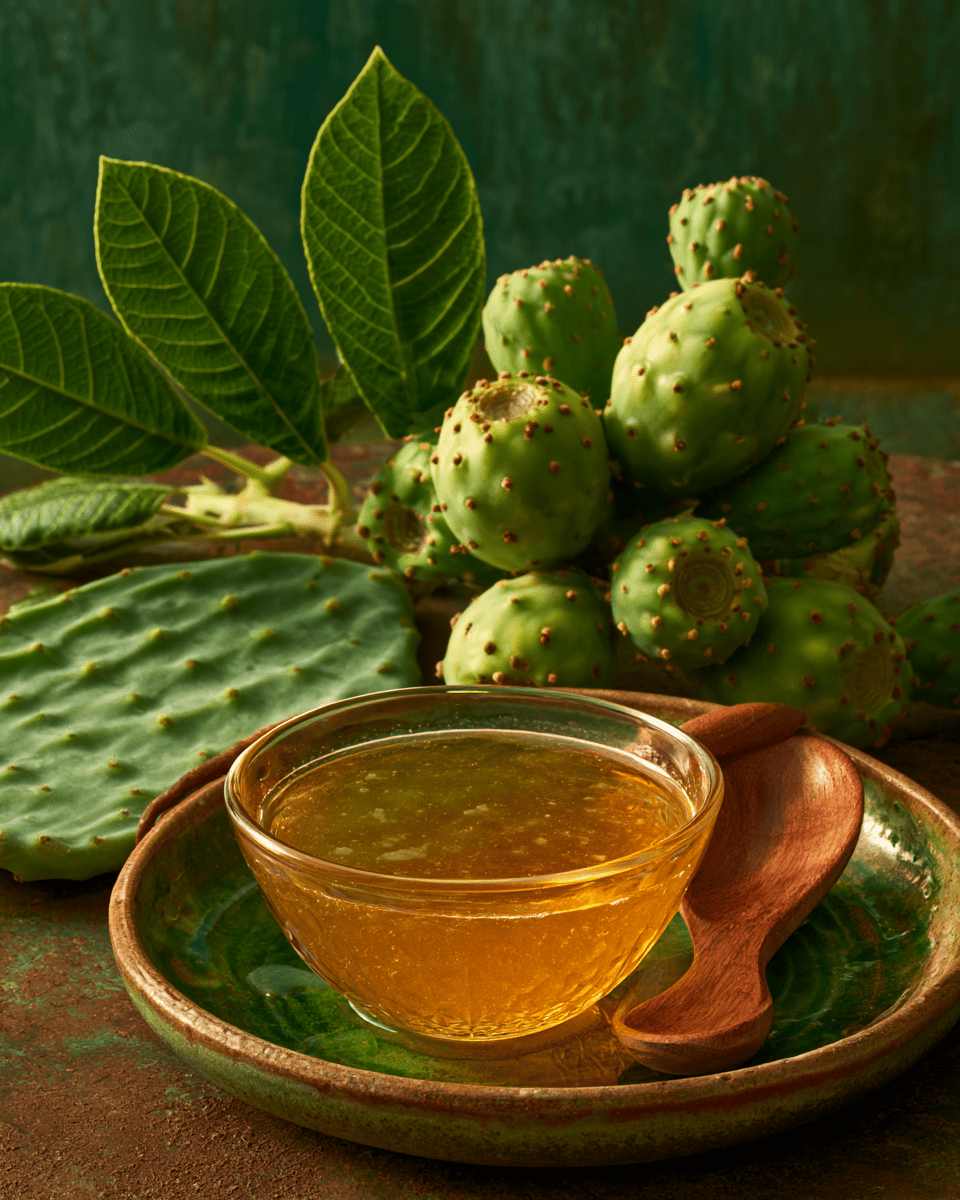
The oil comes from the fruit of Opuntia ficus-indica, a robust cactus that grows in arid climates, particularly in Algeria, Morocco, Tunisia and Mexico. Its fruits—prickly pears—ripen in late summer and contain many small seeds, only a fraction of which will yield oil (see Prickly pear seed oil: all its benefits for the skin).
Originally from Mexico, the prickly pear cactus has spread throughout the Mediterranean basin, where it grows without irrigation on poor soils. It can now be found from Morocco to Sicily, and as far south as France.
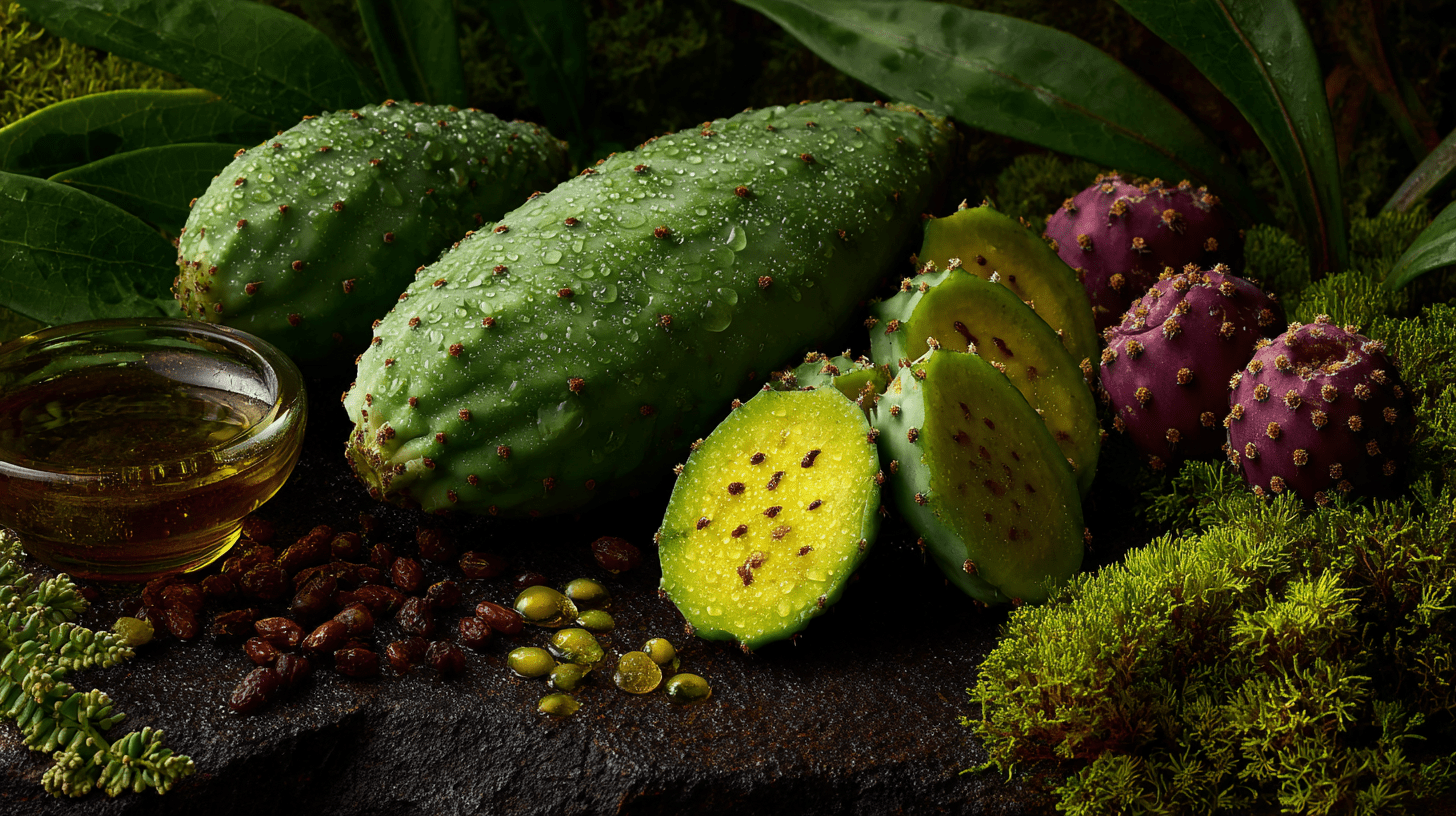
Its fruit comes in several varieties—yellow, red, white—whose sweet pulp is eaten fresh. But it's not the pulp that produces the oil: it's the tiny, sparse seeds that must be separated one by one from the pulp.
Step 1: manual harvesting
The fruits are harvested by hand, one by one, from cacti covered in thorns. This is meticulous and physical work, often done early in the morning. This non-mechanizable harvest already explains part of the oil's cost (see Why is prickly pear oil more expensive?).
Step 2: extracting the pulp and seeds
Once harvested and peeled, the fruits are opened to extract the pulp. The seeds are then separated from the flesh—a tedious operation, as each fruit contains only a small quantity. A mountain of fruit is needed to gather enough seeds.
Step 3: washing and drying
The seeds are carefully washed to remove any pulp residue, then dried. This step is crucial: poorly dried seeds would yield lower quality oil, prone to oxidation. Drying is done in the air, away from moisture.
Step 4: cold pressing
Finally comes cold pressing, without heat or solvents. This preserves vitamin E, essential fatty acids and sterols (see Composition of prickly pear oil: what makes it unique). The yield is tiny: it takes about a ton of fruit for one liter of oil. Hot or chemical extraction would yield more oil, but would destroy some of the active ingredients—hence the importance of this qualitative choice.
Step 5: filtration and packaging
The resulting oil is filtered to eliminate the last impurities, then packaged in amber glass bottles that protect it from light. Careful packaging is essential to preserve the oil until use (see Storing prickly pear oil: our tips).
Why this process guarantees quality
Each step—manual harvesting, careful drying, cold pressing, filtration, protective bottle—contributes to the final quality. That's why the production method is one of the primary criteria for recognizing a good oil (see How to recognize quality prickly pear oil ?). An oil produced through a respectful process costs more, but offers the full richness of the active ingredient.
Often local expertise
In producing regions, this production supports cooperatives, sometimes women-led, that perpetuate artisanal know-how. Choosing traceable oil also means supporting these sectors.
Frequently asked questions
How many fruits for one liter of oil?
About a ton of fruit, or tens of thousands of figs.
Why is cold pressing important?
It preserves vitamin E and fatty acids, which heat would destroy.
Does hot extraction exist?
Yes, it yields more oil but with fewer active ingredients; to be avoided for quality cosmetic use.
Is the process mechanized?
Only partially: harvesting and seed extraction remain largely manual.
In summary
From the manual harvesting of thorny fruits to the cold pressing of the seeds, the production of prickly pear oil is a long and artisanal process that explains its rarity, price and quality. Understanding this journey helps better appreciate the value of every drop.
Discover NOPAL LIFE Prickly Pear Seed Oil, cold-pressed and organic, stemming from respectful expertise. Get your skin diagnosis to incorporate it into your routine.
This article is for informational purposes only and does not replace the advice of a healthcare professional.
Information provided for cosmetic and educational purposes; it does not constitute medical advice.
The products mentioned in this article


Mature skin · Dry skin

Go further than this article
Get our skincare guides by email — and start with your free skin diagnostic: 2 minutes, advice tailored to your skin. We ship to the US, UK, Canada, Australia and 27 European countries; somewhere else? Sign up and you will be the first to know when we deliver to your country.
By signing up, you agree to our privacy policy. Unsubscribe in one click.