Strengthen the skin barrier naturally
The skin barrier is the outermost layer of the skin: it retains water inside and blocks external aggressions. When it weakens, the skin loses water faster, feels tight and becomes sensitive. To strengthen it naturally, you need to provide the lipids that compose it (ceramides, cholesterol, fatty acids), avoid what aggresses it, and support its balance — especially its microbiome. Here's how to proceed, gently and over time.
What is the skin barrier?
The skin barrier corresponds to the stratum corneum, the outermost part of the epidermis. It is often described as a wall: the surface cells (corneocytes) are the "bricks", and a "mortar" of lipids cements them together.
This lipid cement is composed of ceramides, cholesterol, and fatty acids. It ensures the cohesion of the barrier and limits water loss. When the architecture of this wall is intact, the skin retains water well and resists aggressions. (Read: Skin Hydration: The Complete Guide)
Why it weakens
An altered barrier allows water to escape: transepidermal water loss can then increase significantly. The most frequent causes:
- overly stripping cleansers, excessive exfoliation, overdosed irritating active ingredients;
- cold, wind, heating, air conditioning;
- water that is too hot and overly frequent washing;
- fatigue, stress, and internal factors.
The result: tightness, redness, sensitivity, dull complexion, and skin that "drinks" products without remaining comfortable. (Read: How to recognize dehydrated skin?)
Providing the right lipids
Strengthening the barrier means first restoring the lipids that constitute it. The ideal: formulas that combine ceramides, cholesterol, and fatty acids, the trio that reconstructs the intercellular cement.
- Ceramides are the backbone of this barrier: they strengthen the lipid cement between cells and limit water loss. A ceramide night cream is particularly suitable for nighttime repair.
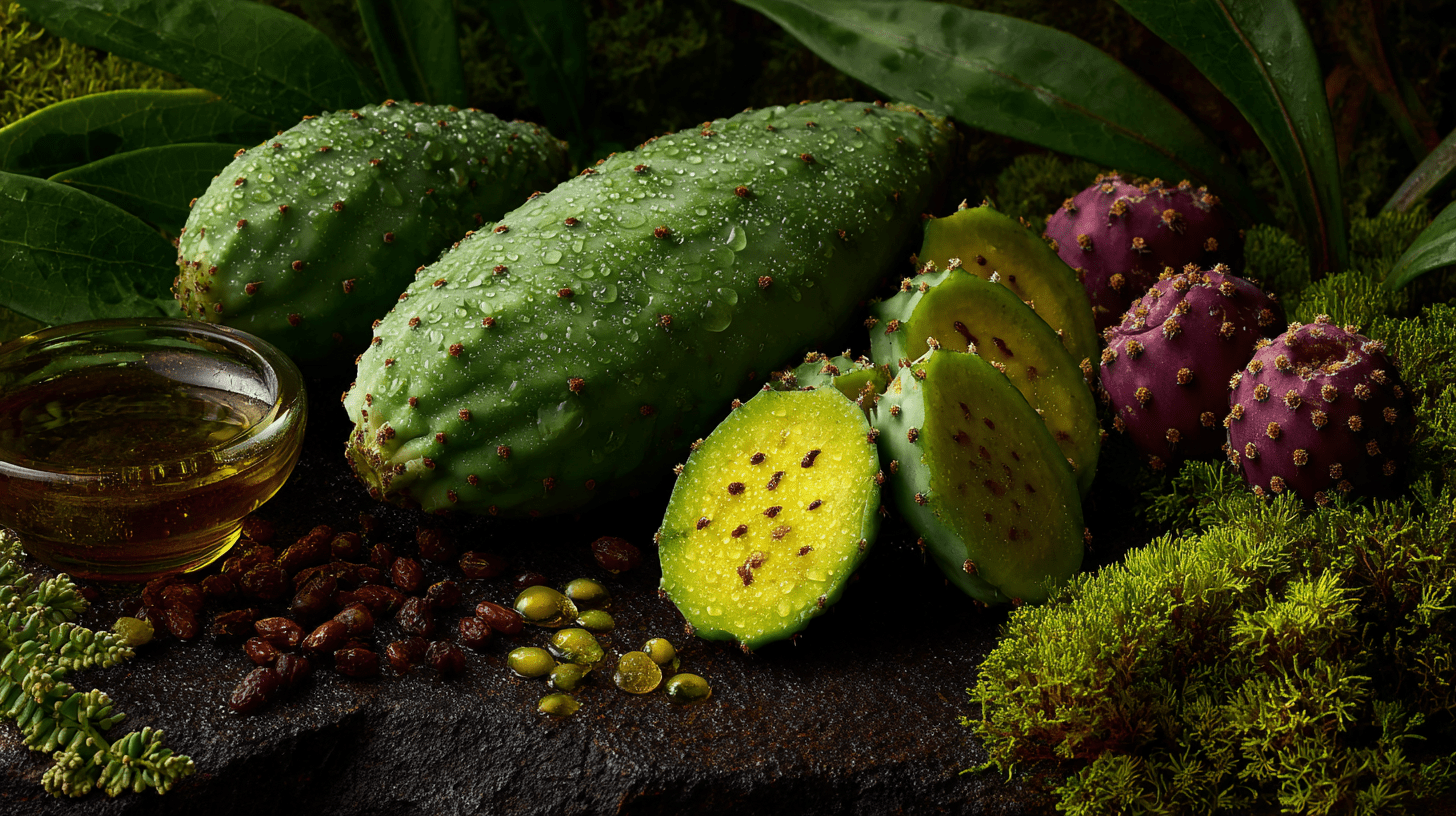
- Vegetable oils rich in fatty acids, such as prickly pear seed oil, provide lipids and help limit evaporation.
- Humectants (hyaluronic acid, glycerin) complete the action by providing the water that lipids retain. (Read: Hyaluronic acid: role and use for the skin)
Supporting the skin microbiome
The skin harbors an ecosystem of microorganisms — the microbiome — which contributes to its defense and balance. A preserved microbiome is associated with a more resilient barrier.
Prebiotic skincare, such as a prebiotic mist, aims to maintain this balance to help the skin remain soothed and comfortable. Avoiding overly aggressive products contributes to the same goal: not disrupting this protective flora.
The surface flora contributes to this same defense function. It occupies the ground, maintains a slightly acidic pH, and limits the establishment of undesirable species. Overly frequent or overly detergent cleansing disturbs it, and it takes several hours for it to reconstitute itself.
Two cleansings per day are amply sufficient, just one for those who do not wear makeup and live in the countryside. After cleansing, applying the product within three minutes allows it to penetrate while the skin is still receptive, and this short window explains a good part of the differences in results between two otherwise identical routines.
Actions that protect the barrier
Strengthening the barrier is as much about what you avoid as what you apply:
- Cleanse gently, with formulas that respect the hydrolipidic film.
- Limit exfoliation and irritating active ingredients, especially during periods of sensitivity.
- Prefer lukewarm water to hot water.
- Layer humectants then lipids to capture and seal in water.
- Be consistent: the barrier rebuilds over time, not with a single treatment.
To find out if your barrier is weakened and what care suits it, NOPAL LIFE's Skin Intelligence diagnostic analyzes your skin and guides you. (Read: Hydration or nutrition: what's the difference for the skin?)
Sun protection comes first, by far. Radiation directly degrades the structures that ensure the cohesion of the stratum corneum, and no product applied afterwards can make up for what was lost during the day. It is the first line of defense in the literal sense: it acts before the aggression, never after.
Pollution acts differently, by deposition. Fine particles settle on the surface and remain there until cleansing removes them. Hence the importance of evening makeup removal in the city, not to strip the skin but to remove what has accumulated — two very different actions, often confused.
FAQ
How long does it take to strengthen the skin barrier?
The skin renews itself gradually: it usually takes several weeks of gentle and regular care to feel a lasting improvement.
Can too many products damage the barrier?
Yes. Using too many strong active ingredients (acids, retinoids, exfoliants) can weaken it. During periods of sensitivity, simplify your routine.
Are ceramides suitable for everyone?
They are generally well tolerated and useful for skin that feels tight or lacks comfort. If in doubt, test on a small area.
Does oily skin also have a barrier to protect?
Yes. Oily skin can have a weakened barrier, often due to overly stripping products. In this case, prioritize gentleness and light textures.
Should tap water be avoided?
Very hard or too hot water can increase discomfort. Lukewarm water and gentle cleansing are usually sufficient to protect the barrier.
How long does it take to restore a weakened skin barrier? From two to six weeks depending on the extent and what weakened it. A one-time aggression recovers quickly; chronic irritation maintained for months requires more patience, and above all, stopping what maintains it.
How to distinguish sensitive skin from a damaged barrier? The former has always reacted in a fairly consistent way; the latter has started to react when it didn't before. The recent nature of the change is the best indicator, much more so than the intensity of the sensations.
Should I stop everything? Often, yes, for a few days: a gentle cleanser, a simple product, nothing else. Adopting a reduced routine until things normalize yields better results than adding a repairing product to the rest.
In summary
The skin barrier retains water and protects the skin thanks to its cement of ceramides, cholesterol, and fatty acids. To strengthen it naturally, you need to provide these lipids, support the microbiome with prebiotics, and especially avoid aggressions — all consistently.
To identify the state of your barrier and the appropriate care, start with NOPAL LIFE's Skin Intelligence diagnostic.
Sources: SFDermatologie (Skin Barrier); Aroma-Zone; Ceramol; Hydratis (transepidermal water loss). Informative article, not medical advice.
Information provided for cosmetic and educational purposes; it does not constitute medical advice.


Go further than this article
Get our skincare guides by email — and start with your free skin diagnostic: 2 minutes, advice tailored to your skin. We ship to the US, UK, Canada, Australia and 27 European countries; somewhere else? Sign up and you will be the first to know when we deliver to your country.
By signing up, you agree to our privacy policy. Unsubscribe in one click.