Exfoliation: Nopal Life Complete Guide
Exfoliation is one of the most transformative steps in a beauty routine—yet it's also one of the most misunderstood. Too frequent, too aggressive, or, conversely, completely absent, this key step directly influences your skin's radiance, texture, and apparent balance over time. At Nopal Life, we've built our entire approach around a simple principle: exfoliate intelligently, with natural active ingredients that respect skin comfort.
Prickly pear (Opuntia ficus-indica) holds a central place in our philosophy. Rich in amino acids, beta-carotene, and linoleic acid (up to 60% in its oil), it offers exceptional support to the skin during and after exfoliation—by accompanying the skin's natural renewal while preserving the comfort of the protective barrier.
In this comprehensive guide, you will discover how exfoliation works, how to adapt the technique to your skin type, Nopal Life's recommended protocol, the natural active ingredients to prioritize, common mistakes to avoid, and answers to the questions you really have. Whether you are a novice or a skincare enthusiast, this guide will give you the keys to exfoliate correctly—and reveal the skin you deserve.
Understanding exfoliation: principles and stakes for skin appearance
Our skin is constantly renewing itself. Epidermal cells form in the deeper layers and gradually move up to the surface, where they form dead cells known as the stratum corneum. This natural process of desquamation accompanies the skin's natural renewal. Over time, this rhythm tends to slow down, which can explain a duller complexion and a rougher texture.
Exfoliation consists of facilitating this natural process by eliminating accumulated dead cells on the surface.
There are two main types of exfoliation:
- Mechanical exfoliation: uses abrasive particles (sugar, clay, seed powder) or tools (gloves, brushes) to physically dislodge dead cells. It is effective but requires precision—excessive pressure can weaken the skin barrier.
- Chemical exfoliation: uses acids (AHA, BHA, PHA) or enzymes that act on surface dead cells without friction. At low concentrations (5 to 12%), AHAs are reputed to help smooth the skin's appearance and reduce the appearance of surface fine lines after several weeks of regular use.
Lactic acid—an AHA derived from natural sources—has the advantage of being both exfoliating and moisturizing: its molecular structure allows it to attract water while working on the superficial layers of the epidermis. PHAs (polyhydroxy acids), even milder, are suitable for the most sensitive skin types.
As for enzymes, papain (from papaya) and bromelain (from pineapple) offer a gentle action targeting surface dead cells, without irritating the skin. This gentleness makes them valuable allies for reactive skin.
Finally, prickly pear plays a complementary role: its mucilaginous polysaccharides form a soothing film on the freshly exfoliated epidermis, while its richness in vitamin E (tocopherol) supports the comfort of skin challenged by exfoliation.
Exfoliation according to your skin type
There is no universal exfoliation routine. The frequency, type of exfoliant, and formulation must be adjusted to your skin—and its current condition. Here are the general guidelines, skin type by skin type.
Normal to combination skin
You can use a light chemical exfoliation two to three times a week, with a 5-10% AHA or a PHA. Exfoliating toner used after makeup removal but before serum is the most practical and gradual format. A gentle mechanical exfoliation once a week can complement this protocol if you enjoy the immediate smooth sensation.
Oily skin and enlarged pores
BHA (salicylic acid) is your number one ally: lipid-soluble, it penetrates the pore and helps to clear its appearance. A 1 to 2% leave-on concentration, applied two to four times a week, can help refine the skin's texture. Be careful not to confuse quantity with efficacy: over-exfoliating oily skin can unbalance it and accentuate its shine.
Dry and dehydrated skin
Prioritize PHAs (gluconolactone acid, lactobionic acid) or a low concentration (5%) lactic acid, whose humectant capacity compensates for the dehydrating tendency of exfoliation. Limit yourself to once or twice a week, and systematically follow exfoliation with a rich moisturizing treatment. Our Hydrating Rose Water Toner is specially formulated to restore comfort after an exfoliating step.
Mature skin showing signs of aging
Mature skin greatly benefits from regular but gentle exfoliation: slowed renewal allows dead cells to accumulate, which can accentuate textural fine lines and dull the complexion. AHAs—especially glycolic acid and lactic acid—are particularly suitable, as they support both the skin's natural renewal and its hydration, for a visually brighter and firmer appearance. To delve deeper into the specific exfoliation strategy for mature skin, consult our dedicated guide: Exfoliation for mature, dull skin and firmness: anti-aging prevention.
Sensitive and reactive skin
Caution is advised. Start with an enzymatic or PHA exfoliation, once a week maximum, and observe your skin's reaction for two to three weeks before increasing the frequency. Avoid any product combining several acids at high concentrations. Our Skin Intelligence diagnostic is particularly useful for sensitive skin, as it refines recommendations based on your actual responses.
To accurately identify your skin type and receive a customized exfoliation protocol, use our Nopal Life Skin Intelligence™ diagnostic—a tool designed to personalize your routine according to your needs.
Recommended routine: the Nopal Life protocol
Exfoliation is not improvised. The order of application, time of day, and frequency make all the difference between a transformative result and irritated skin. Here is the Nopal Life protocol, designed to maximize benefits while preserving the skin barrier.
When to exfoliate: morning or evening?
Evening is the ideal time for exfoliation, for two reasons. First, freshly exfoliated skin is temporarily more sensitive to UV—applying a chemical exfoliant in the morning without optimal sun protection increases the risk of spots. Second, night is when the skin naturally rests: exfoliating in the evening allows subsequent treatments (serum, oil) to offer their full comfort on skin freed from its surface dead cells.
The step-by-step protocol
- Makeup removal and cleansing: always start with clean, dry skin. Use your usual cleanser, rinse, and gently pat dry.
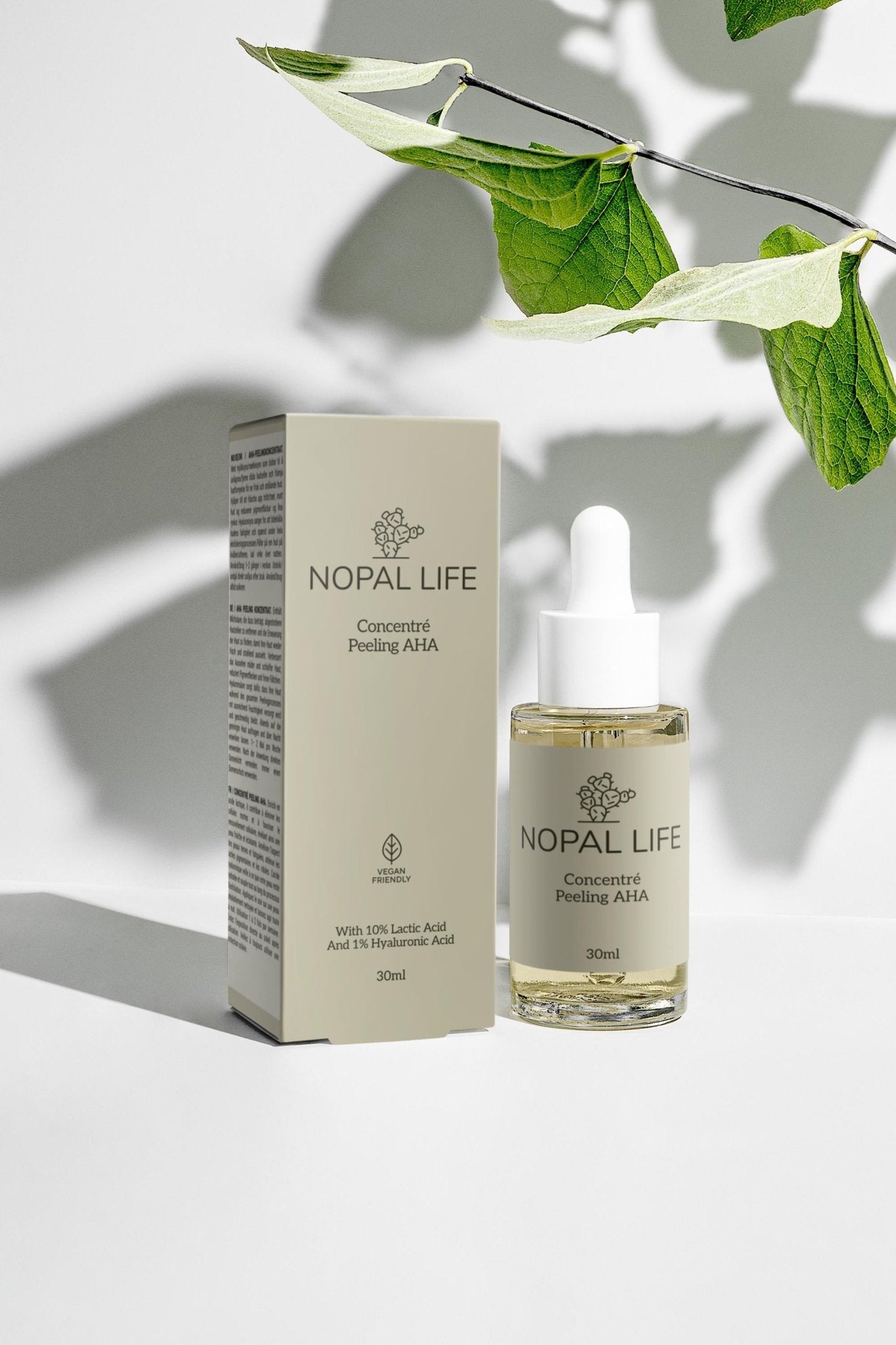
- Exfoliant application: apply your chemical exfoliant to dry skin (for high-concentration AHAs) or slightly damp skin (for tonic formulas). Our AHA 10 Peeling—Lactic Acid & Hyaluronic Acid Radiance combines 10% AHAs with hyaluronic acid for an exfoliating effect immediately followed by a feeling of hydrated freshness. Apply a thin layer to the face, avoiding the eye and lip contour. Leave on for 5 to 10 minutes, then rinse if necessary (depending on the formulation).
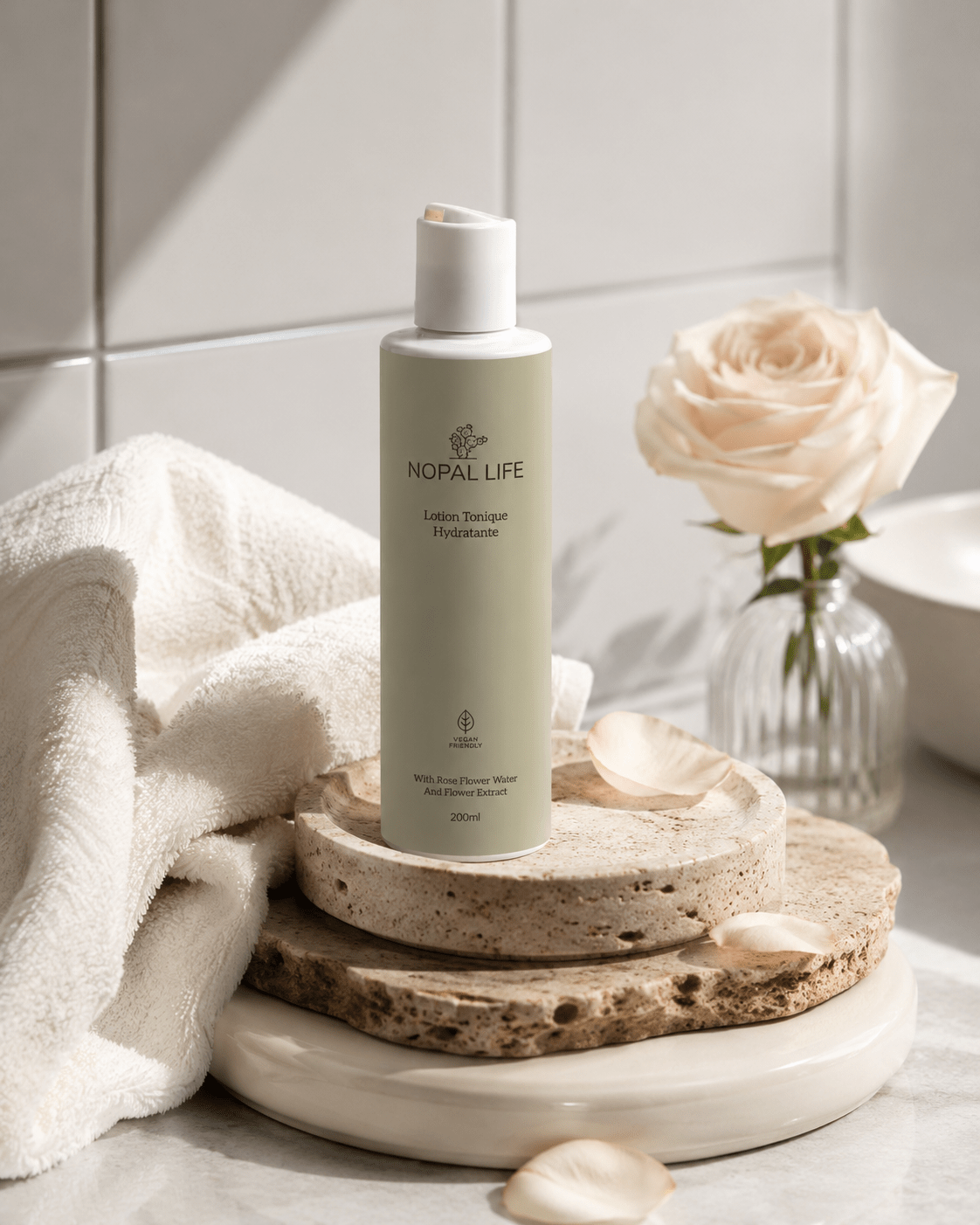
- Toning and rebalancing: after exfoliation, skin comfort may be slightly altered. A gentle toner based on rose water—like our Hydrating Rose Water Toner—helps restore a sense of balance while providing a first layer of hydration.
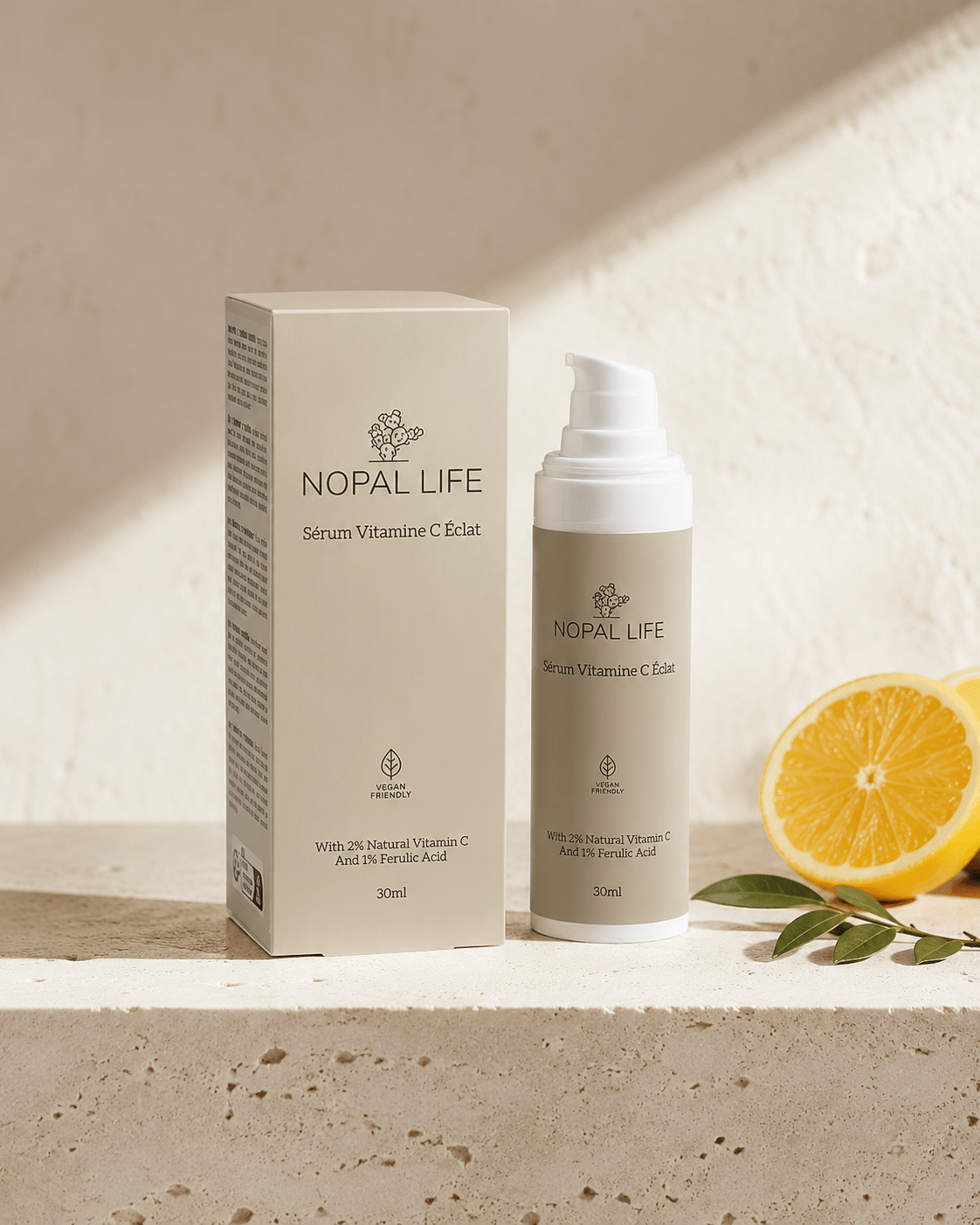
- Active serum: take advantage of freshly exfoliated skin to apply your serum—vitamin C, niacinamide, or prickly pear extract depending on your goal.
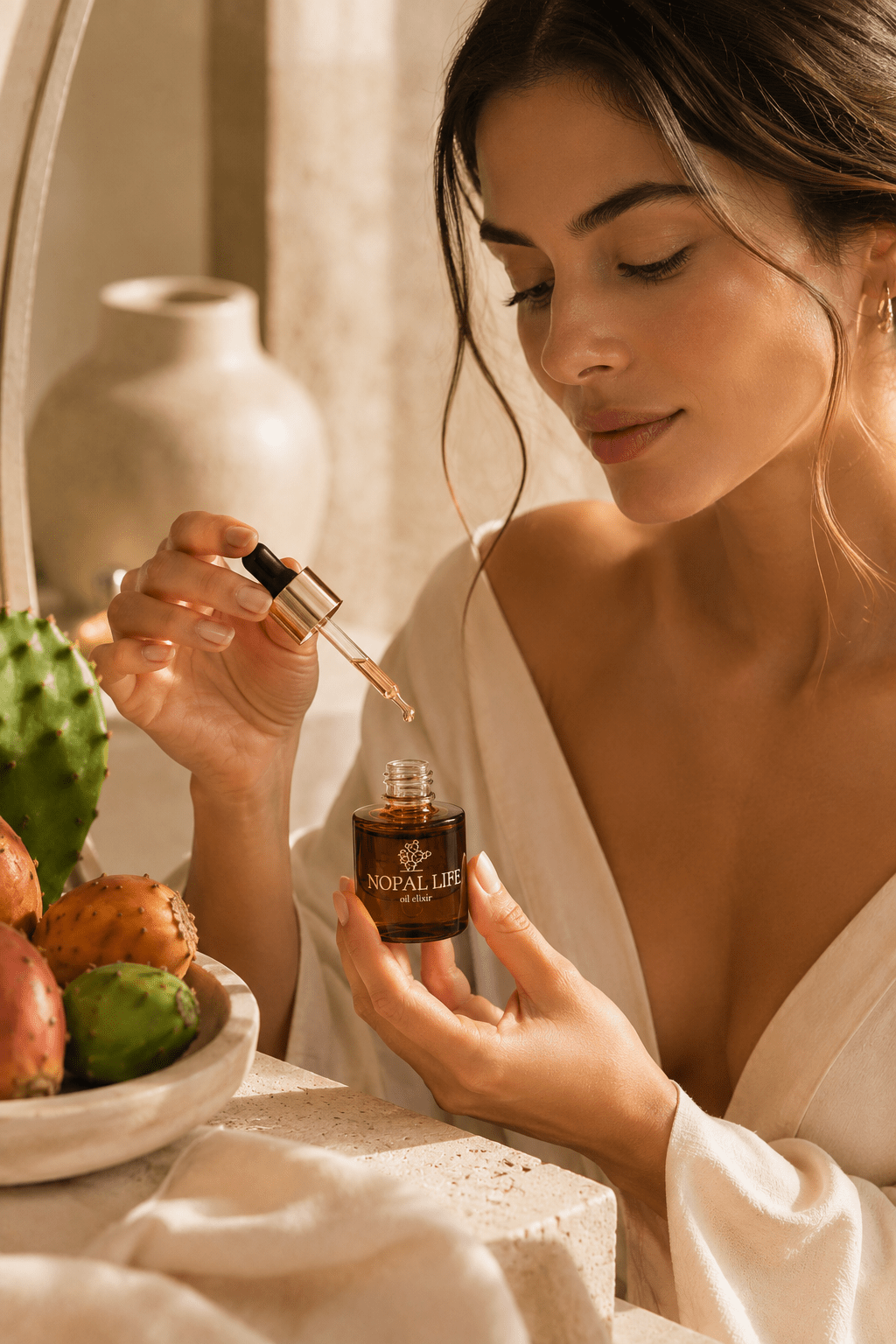
- Moisturizer or oil: finish with a nourishing treatment. Prickly pear oil, rich in linoleic acid, helps restore the comfort of the lipid film challenged by exfoliation.
Frequency according to exfoliant type
- Gentle enzymatic exfoliant: 2 to 3 times a week
- AHA 5-8%: 2 to 3 times a week
- AHA 10% (like our Peeling): 1 to 2 times a week, gradually increasing
- BHA 1-2%: 2 to 4 times a week depending on tolerance
- Gentle mechanical exfoliant: 1 time per week maximum
Golden rule: always start with a low frequency and gradually increase. Your skin will guide you better than any generic recommendation.
Essential natural active ingredients for effective and respectful exfoliation
Natural cosmetics have long been associated with lower efficacy. This misconception is now disproved by many formulations—and by the extraordinary richness of certain plant active ingredients. Here are the key ingredients to look for in your exfoliating products.
Prickly pear (Opuntia ficus-indica): the star of the Nopal Life protocol
Prickly pear is at the heart of Nopal Life's identity, and for good reason. Its oil, cold-pressed from the seeds, contains about 60% linoleic acid (omega-6), an essential fatty acid valued for its role in skin barrier comfort. Prickly pear oil is also among the cosmetic vegetable oils richest in vitamin E and compounds appreciated for helping to preserve the radiance and apparent clarity of the complexion.
Its richness in beta-carotene (a precursor to vitamin A) gives it recognized antioxidant properties, while its mucilages form a protective veil on the freshly exfoliated epidermis.
Lactic acid: the gentlest and most moisturizing AHA
Naturally present in fermented milk and certain fruits, lactic acid is the most hydrophilic of AHAs. Its ability to attract water into the superficial layers of the epidermis—a humectant property—distinguishes it from glycolic acid, which is more potent but less comfortable. It is particularly suitable for dry, mature, or sensitive skin seeking the benefits of chemical exfoliation without discomfort.
Hyaluronic acid: the post-exfoliation ally
Naturally present in the skin, hyaluronic acid can hold up to 1,000 times its weight in water. Combined with a chemical exfoliant, it immediately compensates for the slight dehydration that exfoliation can induce. Our AHA 10 Peeling integrates this synergy into a unique formula: exfoliation and hydration in the same step.
Rose water (Rosa damascena): the natural soothing agent
Steam-distilled from rose petals, rose water has mild soothing properties that make it an ideal rebalancing agent after exfoliation. It helps soothe the appearance of redness, tighten the appearance of pores, and prepare the skin for subsequent treatments.
Plant enzymes: papain, bromelain
These natural enzymes gently act on surface dead cells without irritating the skin. They are a gentle alternative to acids for very sensitive skin or during periods of skin reactivity. Their action is more gradual but particularly well tolerated.
Common mistakes to avoid during exfoliation
Mistake 1: exfoliating every day
Enthusiasm is understandable—skin immediately looks smoother after exfoliation. But daily exfoliation weakens the skin barrier, causes redness, increased sensitivity, and paradoxically chronic dehydration. Allow a minimum of 48 hours between exfoliations.
Mistake 2: mixing several exfoliants without transition
Combining an AHA, a BHA, and a mechanical exfoliant in the same routine—even alternating them—can be too aggressive for most skin types. Choose a main type of exfoliant suitable for your skin, and only add a second format after several weeks of acclimatization.
Mistake 3: neglecting sun protection after exfoliation
Exfoliation temporarily makes the skin more vulnerable to UV. If you exfoliate in the morning, a minimum SPF 30 sun protection is essential. Without it, the risk of post-exfoliation spots is significantly increased, especially for skin prone to hyperpigmentation.
Mistake 4: using overly abrasive exfoliants on the face
Body exfoliants (large salt grains, coarsely ground seeds) are too aggressive for facial skin. For the face, always opt for very fine particles, enzymes, or acids. Facial skin should never be red or irritated after a correctly performed exfoliation.
Mistake 5: ignoring your skin's signals
Persistent redness, burning sensations, sudden dryness: these signals indicate that your exfoliation protocol is too intense. Reduce the frequency, switch to a milder exfoliant, and allow your barrier to regain its comfort.
Exfoliation and ingredients not to mix
To avoid
- AHA/BHA + retinol: the combination can be highly irritating. If you use both, alternate evenings rather than applying them on the same evening.
- AHA/BHA + vitamin C (pure ascorbic acid): risk of irritation. Use vitamin C in the morning and the exfoliant in the evening.
- Two chemical exfoliants simultaneously at high concentrations: the risk of over-exfoliation increases. Prefer formulas that combine them at balanced concentrations.
Combinations that work well
- AHA + hyaluronic acid: exfoliation-hydration synergy, as in our AHA 10 Peeling.
- AHA + niacinamide: niacinamide helps soothe and reduce the appearance of post-exfoliation redness.
- Exfoliation + prickly pear oil: after exfoliation, prickly pear oil helps the barrier regain its comfort while providing antioxidants. This is the flagship combination of the Nopal Life protocol.
Exfoliation, a pillar of an effective natural beauty routine
Properly conducted exfoliation is one of the most beneficial steps in a beauty routine: it immediately improves radiance, optimizes the absorption of subsequent treatments, and contributes in the long term to preserving the skin's youthful and radiant appearance. But its efficacy relies on a precise equation—the right type of exfoliant, at the right frequency, with the right associated treatments.
At Nopal Life, we have designed our products to integrate into a coherent protocol, where each formula interacts with the others. Our AHA 10 Peeling, our Hydrating Rose Water Toner, and all our prickly pear treatments form a skincare ecosystem designed to reveal your skin at its best.
To further your knowledge of your skin—and receive a truly personalized exfoliation protocol—use our Skin Intelligence™ diagnostic. In 3 minutes, it analyzes your skin type, concerns, and habits to recommend the most suitable products and routine.
Your skin deserves informed care. Exfoliate correctly, nourish well, always protect.
RECOMMENDED TREATMENT
Pure Prickly Pear Seed Oil
Natural formula · Origin Algeria
DISCOVER THIS TREATMENT →PERSONALIZED ROUTINE
Nopal Life Skin Intelligence™
Free diagnostic · 2 minutes
DISCOVER MY ROUTINE →Frequently asked questions about exfoliation
Is exfoliation suitable for blemish-prone skin?
Yes, with caution. Salicylic acid (BHA) is particularly suitable for blemish-prone skin: it helps to clear the appearance of pores and has mild soothing properties. However, mechanical exfoliants are not recommended for active blemish-prone skin, as they can exacerbate its appearance and make it more fragile.
Why is my skin redder after exfoliation?
Slight, temporary redness (disappearing within 10 to 20 minutes) is normal. Persistent redness or intense tingling indicates that the product is too strong or applied too frequently. Reduce the concentration or frequency, or switch to a gentler format.
Does exfoliation help with dark spots?
Regular exfoliation supports the skin's natural renewal process and helps reduce the visible appearance of superficial dark spots. For an optimized effect, combine exfoliation with a brightening serum (vitamin C, niacinamide) and daily sun protection.
Should I exfoliate my body too?
Yes — body skin benefits from exfoliation as much as facial skin. Elbows, knees, heels, and décolletage particularly accumulate dead skin cells. A weekly body scrub, followed by a nourishing oil or lotion, is enough to maintain soft and even skin.
Read more
Information provided for cosmetic and educational purposes; it does not constitute medical advice.
Our anti-aging treatments