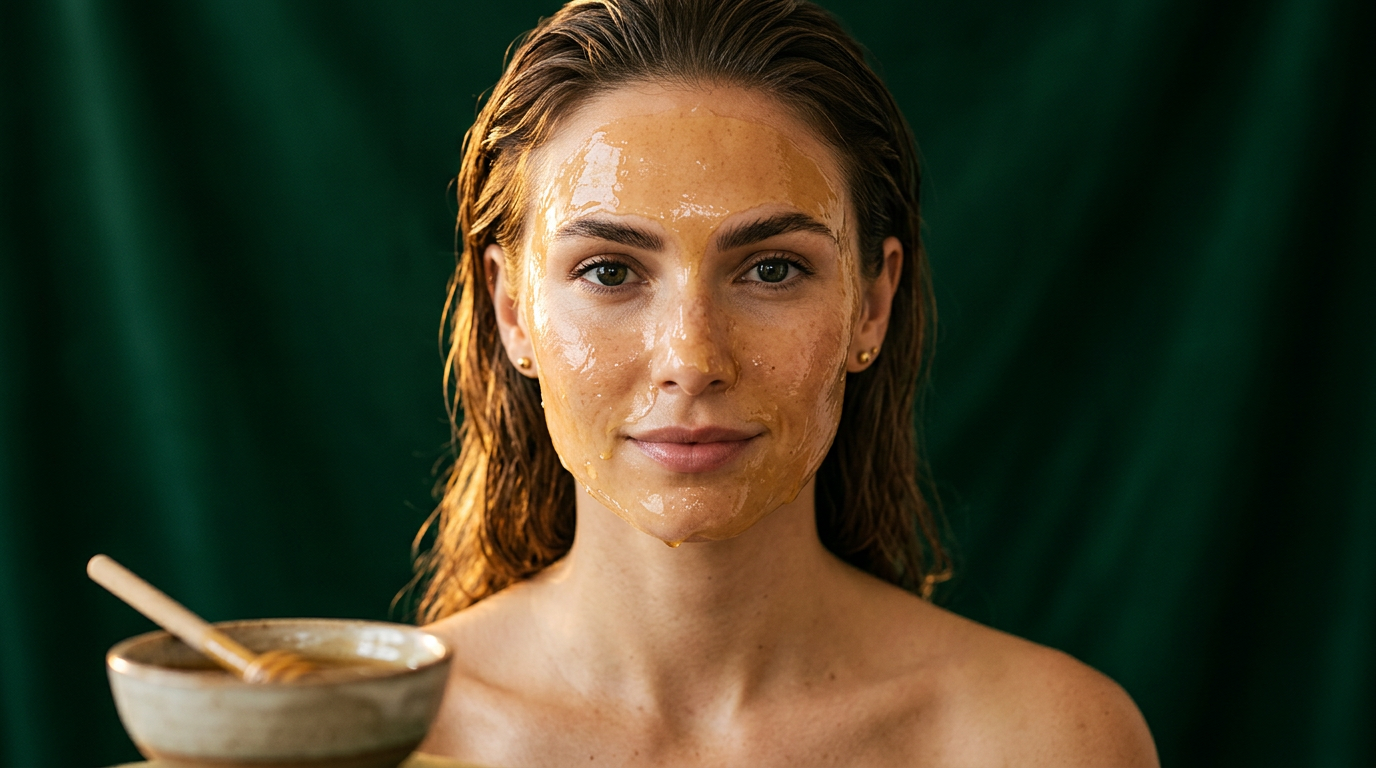
Face cream for combination skin: moisturizes without weighing it down
Combination skin requires solving a paradox: providing enough hydration to areas that feel tight without making the forehead, nose, and chin feel too rich. The right face cream for combination skin is therefore not one that "dries out oily areas," but one that maintains hydration with a texture adapted to different needs in different areas.
Recognizing Combination Skin
Combination skin generally combines a shinier T-zone with normal or dry cheeks. Pores may be more visible around the nose, while the sides of the face remain comfortable or sometimes lack suppleness. This combination varies with seasons, climate, and the products used.
Combination skin should not be confused with dehydrated skin. Oily skin can lack water, and high sebum production does not guarantee good hydration. It is precisely for this reason that an overly harsh product can worsen discomfort without permanently resolving oily areas.
Why Certain Areas Are Shinier
Sebaceous glands are not evenly distributed. The forehead, nose, and chin are naturally rich in sebum-producing structures, which explains the tendency for this region to shine. The cheeks, on the other hand, may have less lipid film and become drier.
Skin balance also depends on cleansing. An aggressive cleanser can quickly remove surface lipids, leaving a clean but sometimes uncomfortable feeling. Conversely, a very occlusive formula used in large quantities can feel heavy on the T-zone. Adjustment is therefore made as much by texture as by active ingredients.
What a Moisturizer Should Provide
A good cream for combination skin often combines humectants, which attract or retain moisture, and emollients, which improve softness. Glycerin is an effective classic. Hyaluronic acid can also support hydration, especially when integrated into a balanced formula.
The presence of a gel or fluid emulsion is not mandatory, but these textures are often pleasant for oily combination skin. A light cream may be sufficient in summer, while a more enveloping texture can sometimes be useful on dry areas in winter.
The goal is not to have a completely matte face all day. A little physiological shine is normal. Trying to remove every trace of sebum often leads to an unnecessary proliferation of powders, cleansers, and acids.
How to Apply Skincare by Zone
Instead of distributing the same amount everywhere, adjust the dose. Start with a pea-sized amount for the entire face. Apply a thin layer to the forehead, nose, and chin, then add an extra touch to the cheeks if they seem dry.
This method allows you to use a single cream without treating the face as a uniform surface. If the differences are very pronounced, two textures can also coexist: hydrating gel on the T-zone and a more comfortable cream on the sides.
Morning Skincare Routine
In the morning, a rinse with water or a very gentle cleanse may be sufficient if the skin is not oily upon waking. Then apply a hydrating serum if you use one, followed by the cream. Finish with an appropriate sunscreen, as sebum-controlling products never replace sun protection.
To avoid a heavy finish, wait one minute between the cream and sunscreen. If makeup pills, reduce the number of layers rather than adding a new corrective product.
Evening Routine
In the evening, properly remove sunscreens, pollution, and makeup with an appropriate cleanser. A double cleanse can be useful if the first step is oily or if makeup is tenacious, but it is not necessary for everyone.
After cleansing, apply the cream to slightly damp skin. Once or twice a week, a hydrating mask can be used on the cheeks if they feel tight. Exfoliants should be spaced out if the skin becomes sensitive or uncomfortable.
Combination Skin and Acids: Avoid Overuse
Acids can be beneficial for texture or pores, but combination skin gains nothing by accumulating them. Combination skin does not automatically need daily exfoliation. If you introduce an acid, start once or twice a week and observe tolerance.
Redness, persistent tingling, or a feeling of tight skin indicate that the routine is probably too aggressive. In this case, simplify for several days: gentle cleansing, hydration, sun protection.
Where to Place a Plant Oil
An oil is not the first choice for all oily areas, but a few drops can be useful on dry cheeks. Prickly pear seed oil can be reserved for regions that require more nourishment, without systematically applying it everywhere.
This localized use better corresponds to the logic of combination skin: addressing the real needs of each region instead of following a single rule.
What Cream Cannot Balance Alone
An emulsion does not definitively "normalize" sebaceous glands, physically tighten follicular openings, or transform combination skin into normal skin. Its role is more modest: to maintain good hydration, reduce discomfort, and offer a texture compatible with sebum production.
If the skin changes abruptly, becomes persistently irritated, or shows manifestations that go beyond a simple cosmetic issue, it is best to seek professional advice. For the majority of combination skin types, however, a short and well-dosed routine is often more effective than a succession of mattifying products.


Go further than this article
Get our skincare guides by email — and start with your free skin diagnostic: 2 minutes, advice tailored to your skin. We ship to the US, UK, Canada, Australia and 27 European countries; somewhere else? Sign up and you will be the first to know when we deliver to your country.
By signing up, you agree to our privacy policy. Unsubscribe in one click.