How to get rid of face pimples: method without popping
How to remove pimples from the face: the safest method is to avoid popping them, simplify your routine, and use a targeted active ingredient with a progressive frequency. A red pimple, a blackhead, and a small closed bump do not require exactly the same action. A painful, extensive, or persistent breakout deserves professional advice rather than a series of home remedies.
Identify the type of blemish before choosing an active ingredient
A blackhead is an open plug whose surface oxidizes; it is not black because it is dirty. A closed comedone forms a small skin-colored bump. A red pimple contains a deeper local reaction and does not tolerate finger pressure well.
Use a normal mirror, not a ten-times magnifying glass, then count the affected areas. An isolated blemish is managed locally, while a widespread breakout requires a global routine. The page recognizing blemish-prone skin helps establish this profile.
Why popping increases the risk of marks
Nail pressure can rupture the follicle wall and push the contents deeper. It also creates a wound and increases the duration of redness. On medium and dark skin tones, the residual brown mark can remain visible for several weeks or months.
If the pimple opens on its own, wash your hands, clean gently, and apply a hydrocolloid patch. Change it when it turns white or after eight to twelve hours. Do not apply pure alcohol, toothpaste, or lemon.
How a pimple forms
Understanding the mechanism explains why nothing works overnight and why certain actions make things worse.
It all starts with the pilosebaceous follicle. Four events occur in sequence, and each opens a different door for action.
First, excessive sebum production, stimulated by androgens — which explains adolescent breakouts, those related to the menstrual cycle, and those linked to certain hormonal treatments.
Next, an accumulation of dead cells in the follicular canal. Normally shed by desquamation, they adhere to each other here and form a plug with the sebum. This is called hyperkeratinization, and it's the point where acids act.
Then, the proliferation of Cutibacterium acnes, a bacterium normally present on the skin. It is not an external contamination: it multiplies because the closed, sebum-rich environment suits it.
Finally, inflammation, which transforms a discreet comedone into a red papule or pustule. It's what causes pain and leaves marks.
Two practical consequences follow from this. The first: the appearance of pimples has nothing to do with a lack of hygiene, and washing more aggravates by damaging the skin barrier. The second: a pimple visible today began forming two to three weeks earlier. No treatment can therefore eliminate it quickly — what we effectively treat are those that will appear next month.
This is why the protocols described below are judged over twenty-eight days, never three days.
Cleanse morning and evening without stripping
Use a gentle gel for twenty seconds, then rinse with lukewarm water. Skin that feels squeaky after washing has likely lost too many surface lipids. In the morning, a single light cleanse is sufficient; in the evening, completely remove SPF and makeup.
Avoid abrasive brushes, kernel grains, and alkaline soaps. Irritation can increase compensatory shine and make marks more visible. The facial cleansing guide compares surfactants and textures.
Salicylic acid: protocol for blackheads and pores
Choose a lotion or serum containing 0.5 to 2% salicylic acid. Apply two or three drops to dry skin, every third night during the first week. Cover with a light, unscented cream.
If the skin remains comfortable, switch to every other night. Do not use a scrub, AHA, or retinoid on the same night. The salicylic acid sheet explains its affinity for the lipidic environments of the follicle.
Niacinamide, zinc PCA, and benzoyl peroxide: different roles
| Active Ingredient | Common Dose | Main Target | Precaution |
| Niacinamide | 2 to 5% | Shine, marks | Avoid 10% if sensitive |
| Zinc PCA | 0.1 to 1% | Oily appearance | Limited data |
| Salicylic acid | 0.5 to 2% | Blackheads | Introduce slowly |
| Benzoyl peroxide | 2.5 to 5% | Inflammatory pimples | Pharmacist/doctor's advice |
NOPAL LIFE operates within the topical cosmetic framework. For a product outside this framework or a significant breakout, consult a pharmacist or doctor. Do not combine several powerful active ingredients from the first week.
Practical routine over twenty-eight days
Week 1: cleanser, cream, SPF and salicylic acid two evenings. Week 2: three evenings if well tolerated. Weeks 3 and 4: maintain the same rhythm and take a weekly photo, without adding a new mask.
In the morning, apply a light cream then an SPF 50+ to limit the contrast of marks. Change your pillowcase once or twice a week and clean your phone screen. These actions reduce unnecessary contact without claiming to be the sole cause of pimples.
Homemade mask: what is reasonable and what is not
For an oily T-zone, mix one tablespoon of kaolin, two teaspoons of water, and half a teaspoon of glycerin. Apply for six minutes without letting it crack, then dampen and rinse. Limit this mask to once a week.
Do not add pure tea tree essential oil. An improperly diluted essential oil can irritate and complicate the routine. Prefer a correctly dosed finished product or stick to the salicylic and moisturizing protocol.
When pimples require professional advice
Seek advice if pimples are numerous, painful, deep, leave significant marks, or persist despite eight to twelve weeks of a consistent routine. A sudden breakout accompanied by other symptoms also warrants evaluation. Do not delay this step with repeated extractions.
During pregnancy, retinoids are not recommended, and any active ingredient should be checked with a professional. Bring a list of products used, dates, and photographs. This timeline helps distinguish a spontaneous breakout from a reaction to a new formula.
How to remove pimples from the face also starts by examining hair products. An oil or wax that touches the forehead can promote localized blemishes. Keep hair away from the face for two weeks and observe without changing any other variable.
Makeup brushes and sponges accumulate product, sebum, and moisture. Wash them once a week with a gentle cleanser, then let them dry completely. A damp applicator stored in a closed pouch is difficult to keep clean.
A so-called non-comedogenic cream reduces a statistical risk without guaranteeing zero pimples for every person. Test it on one half of your forehead for a week. The texture and dose influence the result as much as the marketing claim.
How to remove pimples from the face during the menstrual cycle requires comparison over several months. A breakout at the same time may have a hormonal component. A stable cosmetic routine allows you to better observe this rhythm and discuss it with a professional if necessary.
Hydrocolloid patches work best on superficial lesions that release fluid. They do not extract a deep, closed comedone. Apply them to clean, dry skin, without cream underneath.
Niacinamide at 4 or 5% can be used in the morning under a light cream. Avoid combining a 10% serum, an acidic toner, and an absorbent mask. Tolerance matters more than the number of anti-blemish active ingredients.
A clean pillowcase limits residue but is not a sole solution. Change it once or twice a week and avoid applying excessive hair oil to it. The goal is to reduce avoidable contact.
Stress does not create every pimple, but it can coincide with hormonal changes, sleep changes, and habits. Avoid touching your face while working. A discreet reminder near your screen can help reduce this automatic movement.
How to remove pimples from the face on dry skin requires lower doses. Use salicylic acid only on the affected area and reinforce cream on the cheeks. General application can increase flaking without improving an isolated lesion.
Occlusive hair products can touch the temples during the night. Tie up long hair and protect the pillowcase with a clean cloth. Observe this area for two weeks before concluding.
What the method cannot promise
How to remove pimples from the face does not mean achieving perfectly smooth skin in forty-eight hours. Follicle renewal takes time, and marks often persist after the raised area disappears. A stable routine is judged over eight to twelve weeks.
Cosmetics do not replace treatment when lesions are deep or painful. They can limit certain surface factors, improve tolerance, and reduce aggravating actions. The priority remains not to pop and not to over-exfoliate.
What replaces the act of popping
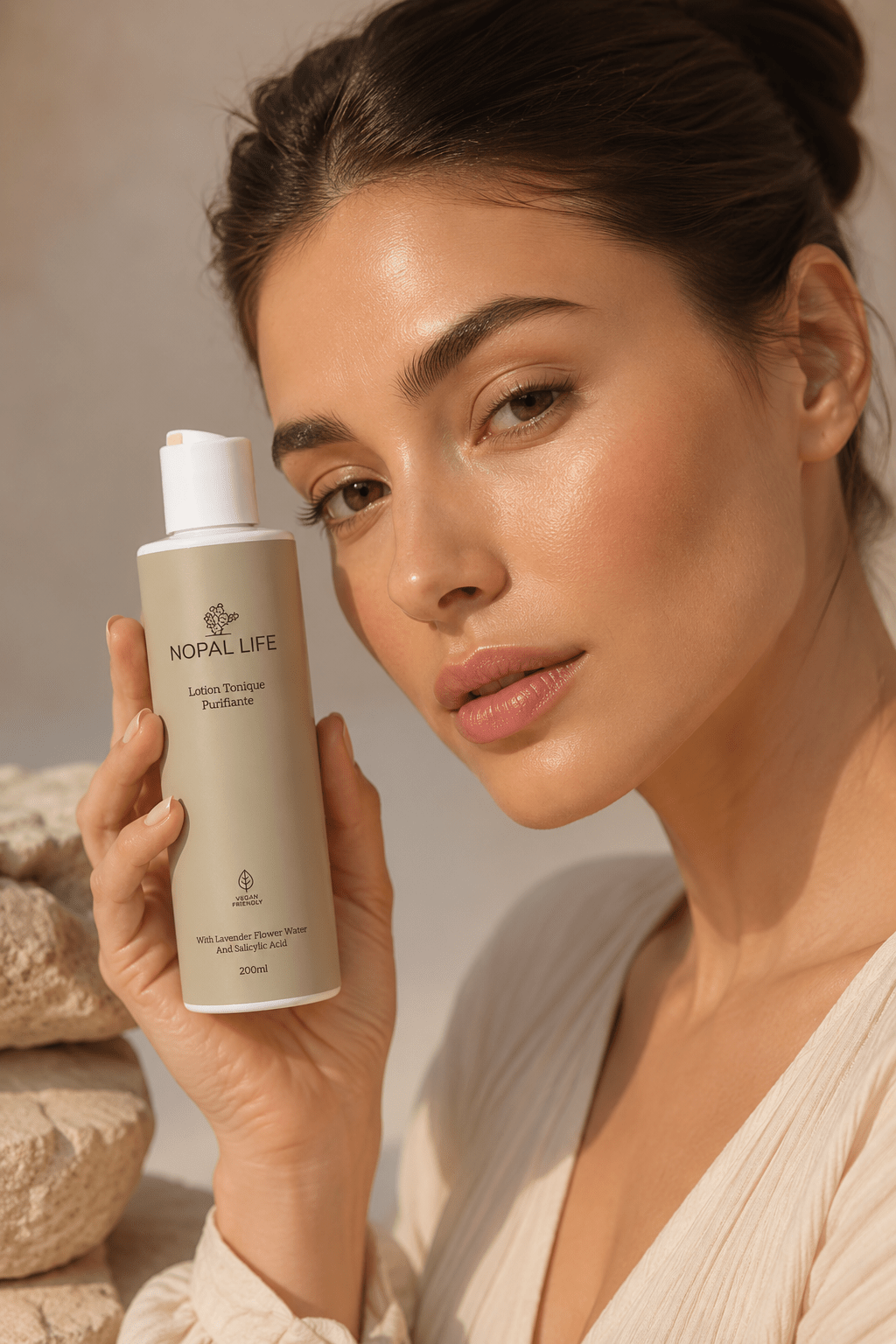
Popping shifts the problem to a mark that lasts for months, so something needs to be done instead, otherwise the hand will return. A purifying salicylic acid toner applied locally in the evening provides this substitute action, with an effect judged over four weeks.
Our anti-aging treatments