Facial cleansing: how to choose the right cleanser for your skin type
Caring for your skin starts with understanding what it's going through. This guide provides clear benchmarks and concrete actions, with NOPAL LIFE as the guiding principle: the demanding nature, from prickly pear to your routine.
Facial cleansing: the essential first step in any routine
Facial cleansing is the foundational step of any skincare routine, often underestimated in its importance. Inadequate cleansing alone can compromise the comfort of subsequently applied treatments: excessive cleansing can leave the skin uncomfortable, while insufficient cleansing leaves residues that can sensitize the skin. Yet, this step rarely receives as much meticulous attention as the choice of a serum or cream.
Throughout the day, the skin accumulates several categories of "dirt": oxidized sebum, perspiration residues, atmospheric pollution (PM2.5 particles, ozone, nitrogen dioxide), makeup and sunscreens, and various daily impurities. The goal of cleansing is to eliminate these elements while preserving the skin's comfort and apparent balance. Even brief exposure to alkaline or aggressive cleansers can leave the skin uncomfortable and tight for several hours.
Skin pH: why cleanser should be slightly acidic
The skin's natural pH is generally between 4.5 and 5.5 (slightly acidic). This acidic environment contributes to the skin's comfort and apparent balance and helps preserve its supple feeling on the surface. A classic soap with a pH of 9-10 or a facial cleanser with a pH of 7-8 can disrupt this acidic balance, with immediate and delayed consequences for skin comfort.
pH disruption alkalinizes the skin and can promote a feeling of discomfort and tightness. Returning to a comfortable feeling takes 30 minutes to 2 hours depending on the extent of the aggression. Choosing a cleanser formulated with a pH of 4.5-5.5 (or a maximum of 6-6.5) is therefore an essential selection criterion, even before the ingredient list.
Types of cleansers: characteristics and indications by skin type
The facial cleanser market is vast and often confusing. Here is a functional classification. Foaming gel cleansers are the most common. Those formulated with mild surfactants (coco glucoside, lauryl glucoside, sodium lauroyl sarcosinate) are suitable for normal to oily or blemish-prone skin. Formulas with SLS (sodium lauryl sulfate) should be avoided for all skin types, especially dry and sensitive. Creamy or milk cleansers contain emollients (oils, butters, esters) that maintain comfort during cleansing. They are suitable for dry and mature skin. Cleansing oils dissolve surface lipids (sebum, waterproof makeup) by the principle of "like dissolves like." They emulsify upon contact with water and rinse off easily. Paradoxically, they are also suitable for oily skin (solubility principle: oil dissolves oil). Micellar waters contain micelles (spherical aggregates of surfactants) that capture impurities. They cleanse without rinsing but can leave residues on sensitive skin if not rinsed. Powder cleansers (enzymes, clay) are interesting for gentle exfoliation but require precise dosing to avoid irritation.
Mistakes to avoid when cleansing your face
The first mistake is using water that is too hot. Heat certainly dilates pores, but it also dissolves surface lipids and can accentuate the feeling of tightness. Lukewarm to cool water is systematically recommended for rinsing. The second mistake is using a washcloth or a rough towel. Mechanical rubbing can irritate the skin's surface and sensitive skin. A clean, soft cotton towel, used by patting, is the least aggressive option. Ideally, soft fabric makeup remover pads or a very damp konjac sponge (whose gelatinous texture is non-abrasive). The third mistake is over-cleansing, thinking it will control imperfections or oiliness. Paradoxically, too frequent or too aggressive cleansing can make the skin look shinier due to rebound. Facial cleansing should not exceed twice a day for most skin types. The fourth mistake is ignoring the neck and jawline, areas where makeup and pollution often accumulate and are prone to imperfections.
Cleansing methods according to skin type
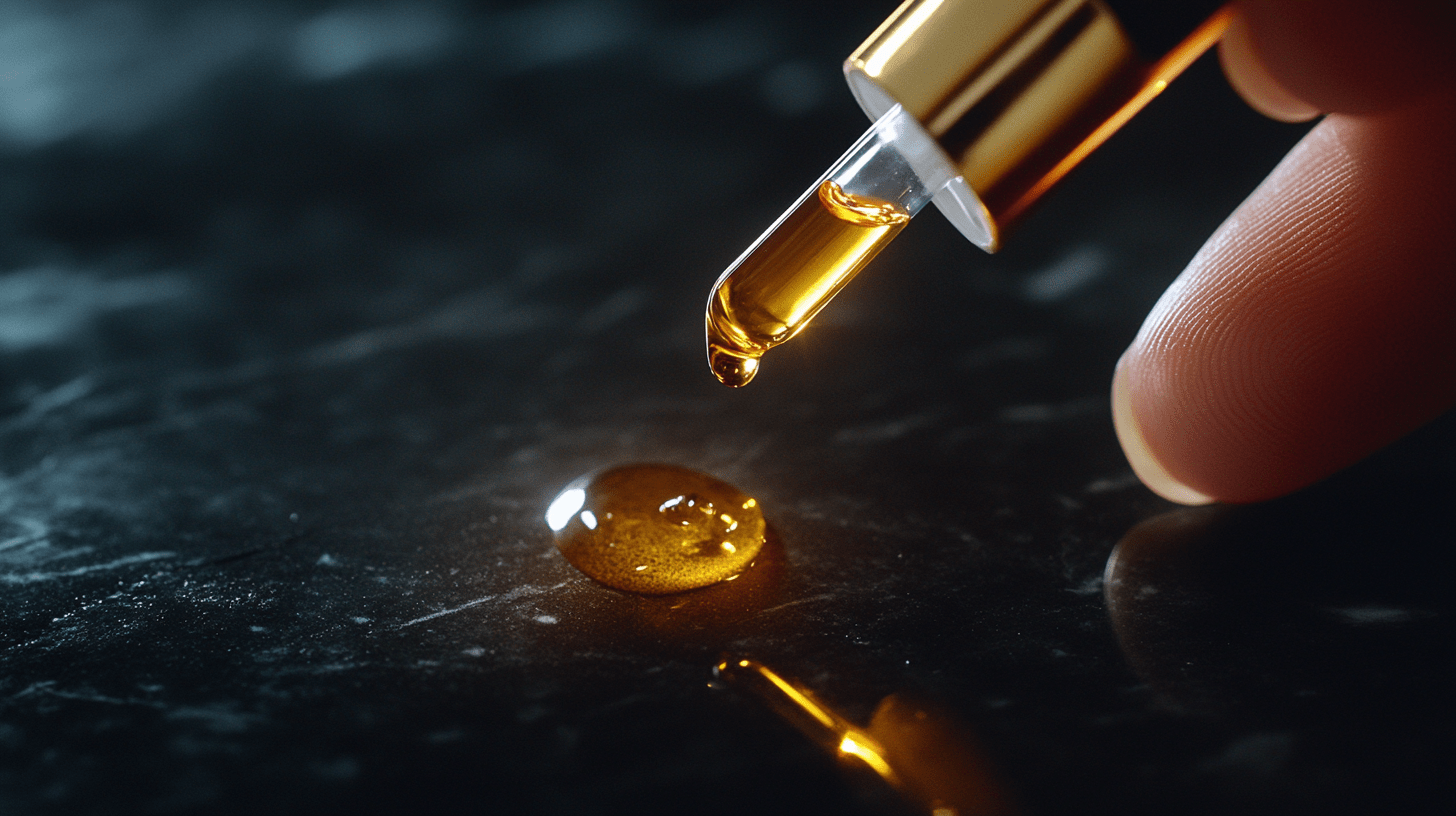
For oily and blemish-prone skin, a gel cleanser with a pH of 4.5-5.0 with salicylic acid 0.5% or diluted tea tree extract in the evening, followed by a cold water rinse. In the morning, a simple rinse with lukewarm water is often sufficient for oily skin that hasn't accumulated impurities overnight. For dry and mature skin, a cleansing milk or makeup remover oil in the evening, a creamy cleanser or simple floral water in the morning. The principle of cleansing oil is particularly suitable: it dissolves impurities while preserving skin comfort, thanks to its affinity for surface lipids. Prickly pear oil, for example, used as a cleansing method, gently cleanses while providing ceramides and tocopherols. For sensitive and reactive skin, micellar water without rinsing (or with a light cold water rinse) in the morning, an unscented milk or oil in the evening. Never exfoliate, never use water that is too hot.
Pore cleansing: realities and limitations
The idea of "opening pores" then "closing" them with cold water is a persistent myth. Pores do not have sphincter muscles and do not open or close. What changes with heat or cold is the viscosity of sebum and the appearance of the skin, not the anatomical size of the pores. Visible pores are pilosebaceous follicles dilated by excess sebum or a keratinocyte plug (microcomedones). Caring for the appearance of dilated pores involves actions that help to mattify the appearance of shiny areas (niacinamide, retinol, salicylic acid) and regular chemical exfoliation, not thermal treatments. Topical hyaluronic acid can help reduce the appearance of pores by improving the feeling of hydration on the skin's surface, but it does not change their actual anatomical diameter.
Why choose Nopal Life for skin cleansing and purity
Cleansing is the first, often most neglected, step of any effective skincare routine. Aggressive surfactants or incorrect technique can compromise skin comfort even before treatments have had a chance to work. Nopal Life offers cleansing solutions based on aloe vera and prickly pear oil: gentle formulas that eliminate impurities, excess sebum, and pollution residues while preserving the comfort of the surface film.
Clean, comfortable skin, ready to receive your treatments. This is the starting point of an effective routine. Build your complete routine with our free Skin Intelligence diagnosis.
RECOMMENDED TREATMENT
Pure Prickly Pear Seed Oil
Natural formula - Origin Algeria
DISCOVER THIS TREATMENTFrequently asked questions about facial cleansing
Should you wash your face in the morning if your skin was clean from the night before?
For dry and sensitive skin, a simple rinse with lukewarm water or a floral water is sufficient in the morning. For oily or combination skin, a gentle cleanser in the morning remains beneficial to remove sebum produced overnight.
Are electric cleansers (Foreo, Clarisonic) effective?
They improve mechanical cleansing through ultrasound or vibrations. For normal to oily skin without sensitivity, they can optimize cleansing. For sensitive or redness-prone skin, they should be avoided: their stimulation can accentuate apparent reactivity.
Can you clean your face with Marseille soap?
No, even authentic Marseille soap has a pH of 9-10, which is largely alkaline. It disrupts the skin's pH and surface comfort, even if it is of natural origin. The criterion is pH, not origin.
Does mineral makeup require special cleansing?
Mineral pigments (iron oxides, mica, titanium dioxide) are water-insoluble and require an initial oil-based step to be completely removed. Double cleansing is recommended for all long-lasting makeup or mineral SPF.
Should micellar water be rinsed off?
Theoretically no, but micelle residues can make sensitive skin uncomfortable. A light rinse with cold water after application is recommended for reactive skin.
How often should pores be deeply cleansed?
A deeper cleansing (clay mask, AHA serum in the evening) once a week is sufficient for most skin types. Beyond that, the risk of irritation and dryness outweighs the benefit.
Is a konjac sponge suitable for sensitive skin?
Yes, it is the gentlest mechanical accessory available. Its moist gelatinous texture cleanses by capillarity without abrasive friction. It should be rinsed after each use and replaced every 4-6 weeks to prevent microbial proliferation.
Information provided for cosmetic and educational purposes; it does not constitute medical advice.
Read more
Our anti-aging treatments