Centella Asiatica: Benefits and Uses of Cica for the Face
Centella asiatica, or “CICA,” has established itself as one of the most popular soothing active ingredients in face care. This guide focuses on its concrete benefits and how to use it daily — with NOPAL LIFE's guiding principle: demanding nature. For the complete botanical identity card of the ingredient, the dedicated sheet awaits you at the end of the article.
CICA, gotu kola, tiger grass: what are we talking about?
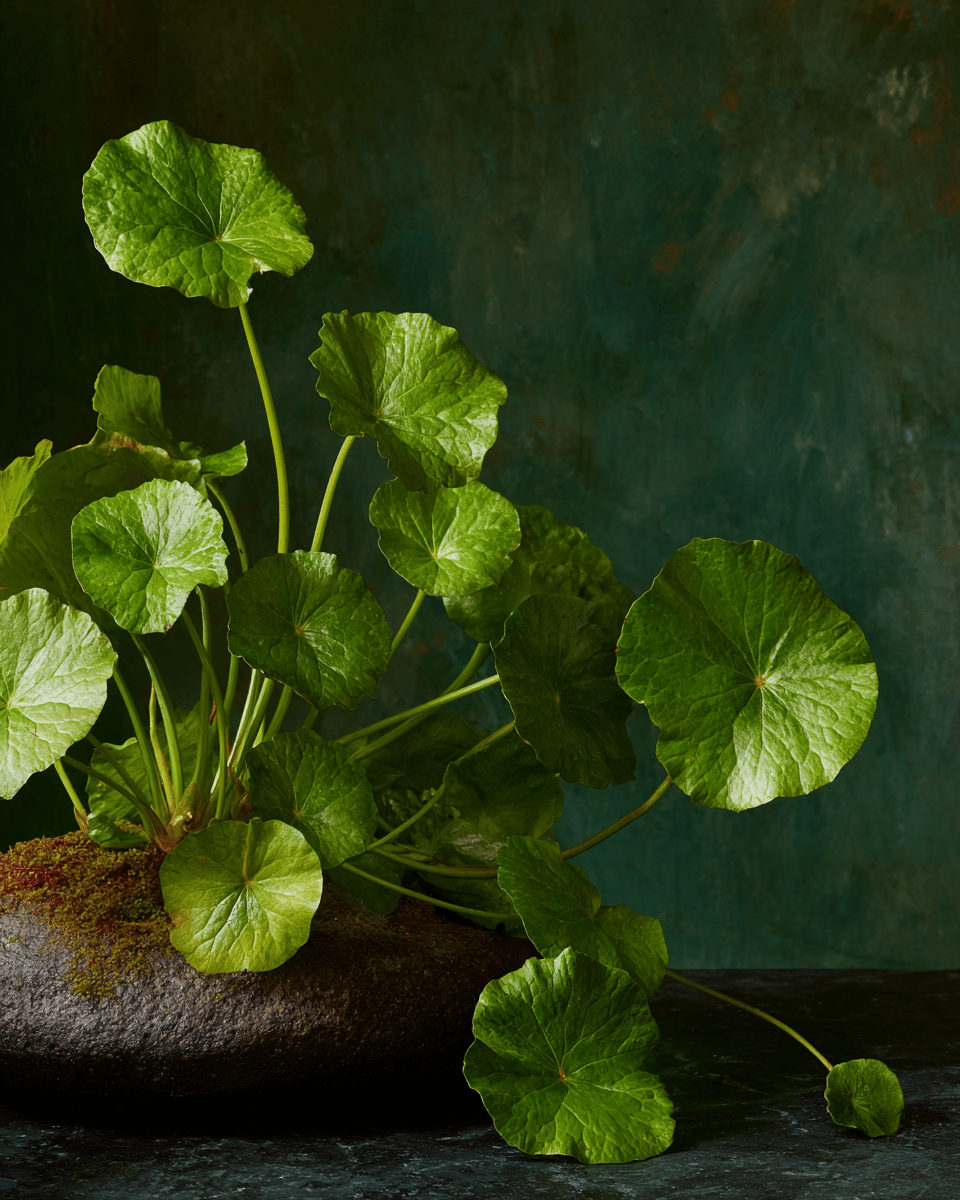
Behind these three names lies the same herbaceous plant from the Apiaceae family, native to the wetlands of tropical Asia. Used for over 3,000 years in Indian and Asian botanical traditions, it was popularized in modern cosmetics by Korean K-Beauty in the early 2010s, under the acronym CICA. Korean brands were the first to highlight its comforting qualities for stressed and sensitive skin, an approach that Western cosmetology has since largely adopted.
Its effectiveness comes from four triterpenic molecules concentrated in its leaves and aerial parts. These form the core of its composition and are found in the standardized total extract, or TECA (Titrated Extract of Centella Asiatica) — the most well-documented form in formulation. These properties, long observed in botanical tradition, are what give it its recognized benefits in cosmetics today.
| Molecule | Family | Associated Cosmetic Quality |
|---|---|---|
| Madecassoside | Triterpenic saponoside | Comfort, smooth and even skin texture appearance |
| Asiaticoside | Triterpenic saponoside | Firm and plump appearance |
| Asiatic acid | Aglycone (triterpenic acid) | Radiance, toned appearance |
| Madecassic acid | Aglycone (triterpenic acid) | Comfort for reactive skin |
Three benefits that explain its success
The first advantage is comfort. Tiger grass is recognized for providing soothing relief, a valuable quality for reactive skin, visible redness, and fragile epidermises after an aesthetic procedure (peeling, laser, microneedling). Madecassoside also supports the appearance of smoother and more even skin in stressed areas.
The second benefit concerns radiance and visible firmness. Over time, skin can lose its toned and plump appearance; asiaticoside and asiatic acid make it a prime botanical active to help preserve this firm appearance, while remaining gentle.
The third, finally, is its tolerance. Non-comedogenic and well-accepted by most skin types, it slips into almost all routines without weighing them down. This versatility explains why it is found today in serums, creams, and masks worldwide.
How to use it in your routine
This active ingredient is suitable for both times of day. In the morning, its soothing properties comfort skin that wakes up "reactive"; in the evening, it supports the skin's natural recovery rhythm. The galenic form is chosen according to the need:
| Form | Ideal Time | Skin Profile |
|---|---|---|
| Serum (0.1 to 1% extract) | Morning or evening, after cleansing | Targeted use, visible redness |
| Rich cream | Evening, as a comforting treatment | Dry skin, after aesthetic procedure |
| Light gel / mask | As desired | Combination to oily skin |
Regarding combinations, the ingredient works well with niacinamide (barrier comfort), hyaluronic acid (hydration), panthenol (softness), and ceramides. These synergies structure the best CICA formulas and multiply their benefits on skin comfort. For visible imperfections, the combination with azelaic acid and niacinamide helps unify skin tone. Find a complete step-by-step guide in our article on the order of applying skincare products.
Face, eye contour, body: where to apply it
While the face remains its preferred area, this versatile active ingredient finds its place well beyond. On the eye contour, a light texture helps preserve the smooth appearance of a delicate and stressed area, where fine lines first appear. On the body, a rich cream with plant extract supports the comfort of dry skin and the supple appearance of the epidermis. The logic remains the same everywhere: a small amount of product, applied regularly, focusing on hydration and gentleness rather than accumulation. This consistency, week after week, maintains a rested skin appearance and an even complexion — one of the simplest beauty gestures to maintain over time.
Recognizing a good Centella treatment
Not all products are equal, and the label speaks volumes. Three indicators help judge the quality of a cosmetic product. First, the position of the active ingredient in the INCI list: it's better to see " Centella Asiatica Extract " listed quite high rather than a trace relegated to the end of the formula. Second, the standardization rate in triterpenes (asiaticoside, madecassoside): this guarantees the richness of the extract, much more than a simple percentage displayed on the packaging. Finally, overall coherence: a texture designed for your skin, complementary active ingredients like hyaluronic acid or niacinamide, and the absence of superfluous fragrance for reactive skin. A good product is recognized by this balance, never by the plant's name alone on the packaging.
Four mistakes to avoid
Firstly, do not rely solely on this active ingredient for old and established marks: these situations require dermatological advice. Secondly, avoid over-formulating by layering several CICA products: an effective concentration in a good product is sufficient, as excess can saturate the skin. The third trap is impatience: the benefits for firmness and plumpness are real but gradual, requiring several weeks of regularity. Finally, never neglect sun protection — an SPF 50 every morning remains non-negotiable when caring for comforted skin.
What skin types is it for?
Its dual purpose makes it valuable for very different profiles. Young skin with visible imperfections (15-30 years old) appreciates its soothing action in addition to targeted care (salicylic acid, niacinamide), without overloading. Mature skin (after 35 years old) finds it a gentle active ingredient dedicated to radiance and visible firmness, complementing other routines. Finally, fragile skin after an aesthetic procedure benefits from its gentleness during the skin recovery window. To identify your exact profile, the Nopal Life Skin Intelligence™ diagnostic guides you accurately.
A natural alliance at Nopal Life
In our formulas, this active ingredient interacts with our signature ingredient. Prickly pear seed oil, rich in linoleic acid, vitamin E, and plant sterols, helps nourish the skin and support the comfort of the lipid barrier. Combined with the soothing plant from Asia, it forms a comforting synergy dedicated to radiance and visible firmness.
The alliance makes sense ethnobotanically: just as nopal has adapted to the aridity of the desert, tiger grass has developed its own survival assets in tropical wetlands. Two demanding plants that our formulations put at the service of your skin's appearance. Explore the range on the Nopal Life facial care page.
Frequently Asked Questions
Q: What is the difference between CICA and Centella asiatica?
A: "CICA" is the marketing name born from K-Beauty. The official INCI name remains "Centella Asiatica Extract" — this is the mention to look for in the ingredient list to confirm the presence of the standardized triterpene active ingredient.
Q: Does it help with imperfection marks?
A: It is appreciated for helping to reduce the visible appearance of recent marks and pigmented areas, while unifying the complexion's appearance. For deep and established marks, dermatological advice is still necessary.
Q: Is it compatible with acids (AHA/BHA)?
A: Yes, by separating them in time: exfoliating acids in the evening, soothing active ingredient in the morning or alternating. In the post-exfoliation phase, it is ideal for supporting skin comfort.
Q: How long does it take to see results?
A: The effects on comfort and visible redness are often noticeable within the first few weeks. The appearance of firmness, however, requires several weeks of daily use: consistency makes the difference.
Q: Is it suitable for oily skin?
A: Absolutely. Many formulas are light, aqueous, or gel-based, perfectly suited. Non-comedogenic, the active ingredient brings comfort to oily skin prone to visible imperfections.
Q: Does it affect the appearance of wrinkles?
A: Its contribution focuses on the firm and plump appearance and skin radiance, which can help preserve a smoothed appearance and better skin texture. For already established wrinkles, it mainly supports comfort and the beauty of daily gestures, without replacing more targeted active ingredients or professional advice.
Q: What concentration should be preferred in a serum?
A: A significant contribution is generally observed from 0.1% of standardized extract. Active serums are most often between 0.1 and 1%. The triterpene standardization rate counts as much as the raw concentration.
RECOMMENDED CARE
Pure Prickly Pear Seed Oil
Natural formula · Origin Algeria
DISCOVER THIS TREATMENT →PERSONALIZED ROUTINE
Nopal Life Skin Intelligence™
Free diagnostic · 2 minutes
START MY FREE DIAGNOSIS →
Ingredient Reference
Centella Asiatica
Skin comfort, soothing & firm and plump appearance.
Discover the sheet →Read more
Information provided for cosmetic and educational purposes; it does not constitute medical advice.
Next to read


Go further than this article
Get our skincare guides by email — and start with your free skin diagnostic: 2 minutes, advice tailored to your skin. We ship to the US, UK, Canada, Australia and 27 European countries; somewhere else? Sign up and you will be the first to know when we deliver to your country.
By signing up, you agree to our privacy policy. Unsubscribe in one click.