Uneven skin tone: gently unify
Understanding uneven skin tone
Uneven skin tone can involve several types of visible irregularities, including pigmentation issues and those related to circulation: dark spots appearing after sun exposure, melasma (hormonal context), marks left by old blemishes, diffuse redness and rosacea, and varying visible signs of aging depending on the area. While these origins are distinct, unifying active ingredients help improve the appearance of several of them simultaneously.
Melanin is the natural pigment that colors the skin; its distribution is not always homogeneous, resulting in areas with a more pronounced appearance. A suitable routine aims to help gradually unify the appearance of skin tone and reduce the visible appearance of these areas.
Pigmentation mechanisms in detail
The appearance of spots is primarily promoted by sun exposure, but also by visible inflammation, hormonal factors (melasma), and visible light (especially blue light). A strategy to unify the appearance of skin tone must therefore take these different factors into account.
So-called unifying active ingredients form a primary category: they help reduce the visible appearance of spots and unify the overall appearance of the complexion. This is the preferred approach for supporting skin with an uneven tone.
Niacinamide is a key active ingredient in this category. Known for its excellent tolerability, it helps unify the appearance of skin tone and is suitable for all skin types.
The most effective unifying active ingredients
Niacinamide (5-10%) remains a classic for "tolerability": versatile (skin tone appearance, skin barrier comfort, appearance of shiny areas, skin texture), it can be used on all skin types. The appearance of the complexion appears more even after a few weeks of daily use.
Azelaic acid (10-20%, often by prescription at 20%) is appreciated for helping to reduce the visible appearance of irregularities, particularly in the context of melasma and marks left by old blemishes. It is known for its good tolerability.
Kojic acid (1-2%) is a traditional unifying active ingredient; it can be sensitizing for some skin types and is best used in moderate concentrations. Alpha-arbutin (2-4%) is a gentle alternative often chosen to help reduce the visible appearance of spots at well-tolerated concentrations.
Botanical extracts (licorice, white peony flower) offer gentle alternatives for sensitive skin, with excellent long-term tolerability. Prickly pear oil, with its sterols and polyphenols, contributes to the antioxidant protection of skin exposed to external aggressors and helps maintain a radiant appearance.
The even skin tone protocol: organization and synergy of active ingredients
The effectiveness of a unifying routine depends as much on the choice of active ingredients as on their organization. In the morning: niacinamide or vitamin C (antioxidant) followed by a mineral SPF 50+. Without sun protection, any unifying active ingredient can only support a complexion that the sun tends to mark again.
In the evening: application of a foundational active ingredient (retinol 0.3-0.5% or azelaic acid) that supports the skin's natural renewal and helps refine its texture. Gentle exfoliants 2-3 times a week (glycolic acid 5-10%, mandelic acid for darker skin tones) help smooth the surface appearance and even out the complexion's appearance.
The recommended duration for a serious routine is 8-12 weeks, the time it takes for the skin's appearance to visibly evolve. The visible results are progressive and can fade if unprotected sun exposure resumes.
Sun protection and maintaining results
Sun protection is not just another step in the unifying routine: it is the fundamental gesture without which brightening active ingredients have limited impact on appearance. The sun tends to mark the complexion again faster than active ingredients help improve its appearance.
For dark spots and melasma, even visible light is an aggravating factor for appearance. New generation filters (SPF 50+ with integrated visible light protection, often recognizable by their beige tint) offer more comprehensive coverage. Reapplying every 2 hours in case of exposure is essential to maintain the achieved appearance result.
Mistakes to avoid for an even skin tone
Changing products before 8 weeks: Most unifying active ingredients need time to show a visible result. Changing too early prevents appreciating the actual outcome.
Over-exfoliating to speed up results: Skin irritation can accentuate the appearance of marks. Exfoliation should remain gentle and regular rather than intensive and irregular.
Neglecting SPF on cloudy days: A large portion of UVA rays penetrates clouds. Daily sun protection, even on cloudy days, is non-negotiable for maintaining the appearance of an even skin tone.
Using very powerful active ingredients without medical supervision: This type of ingredient requires a supervised setting and monitoring by a qualified health professional. For daily self-care, prefer the gentle alternatives mentioned above.
FAQ
Can the appearance of melasma be improved?
Melasma requires patience. With a strict routine (SPF + unifying active ingredients), the visibility of areas can be significantly reduced, but the appearance of marks tends to return with exposure.
Does vitamin C work on existing dark spots?
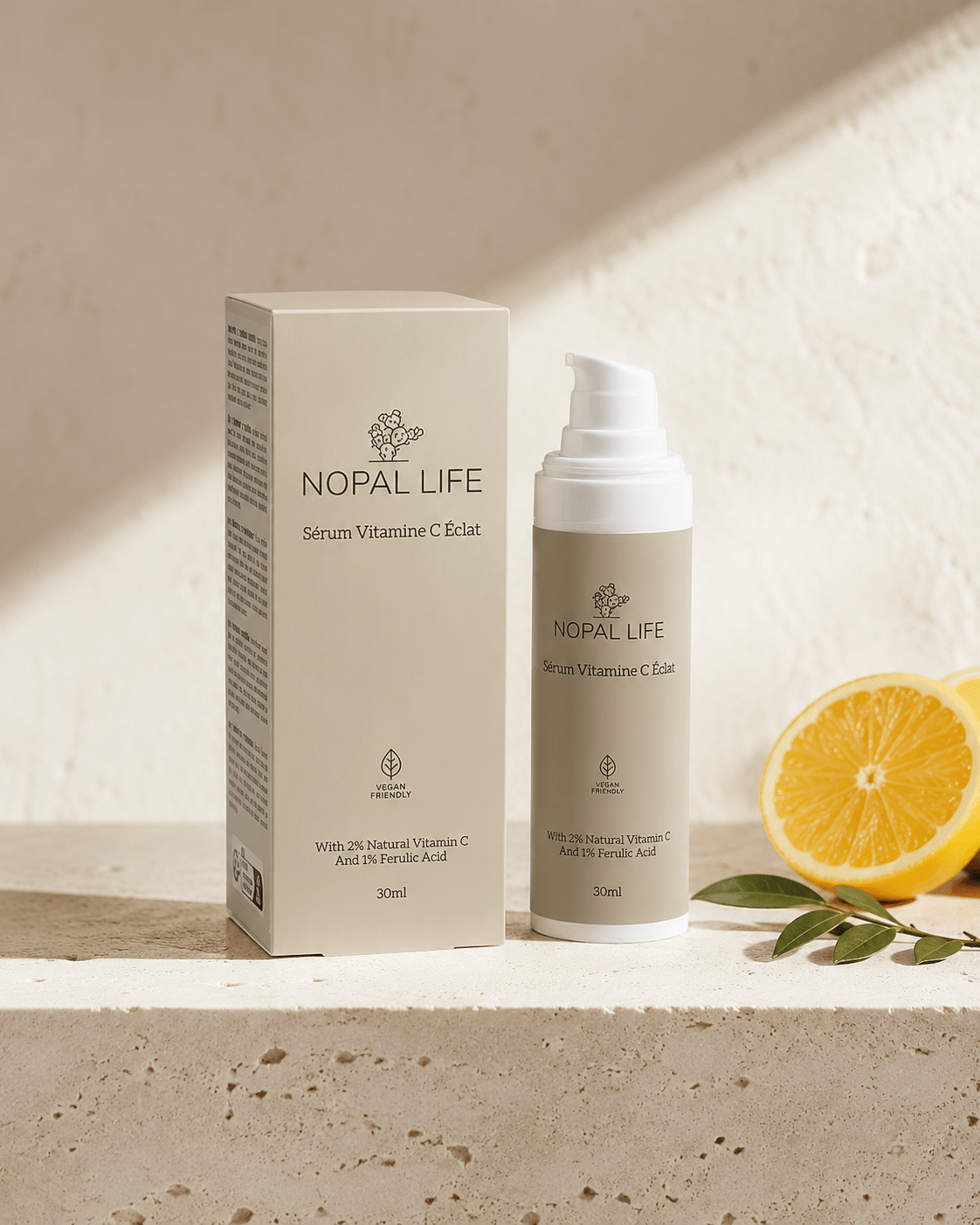
Yes, but the improvement in appearance is slower than for prevention. Vitamin C helps unify the appearance of skin tone and restore radiance, with visible results after 8-12 weeks.
Can darker skin tones use AHAs?
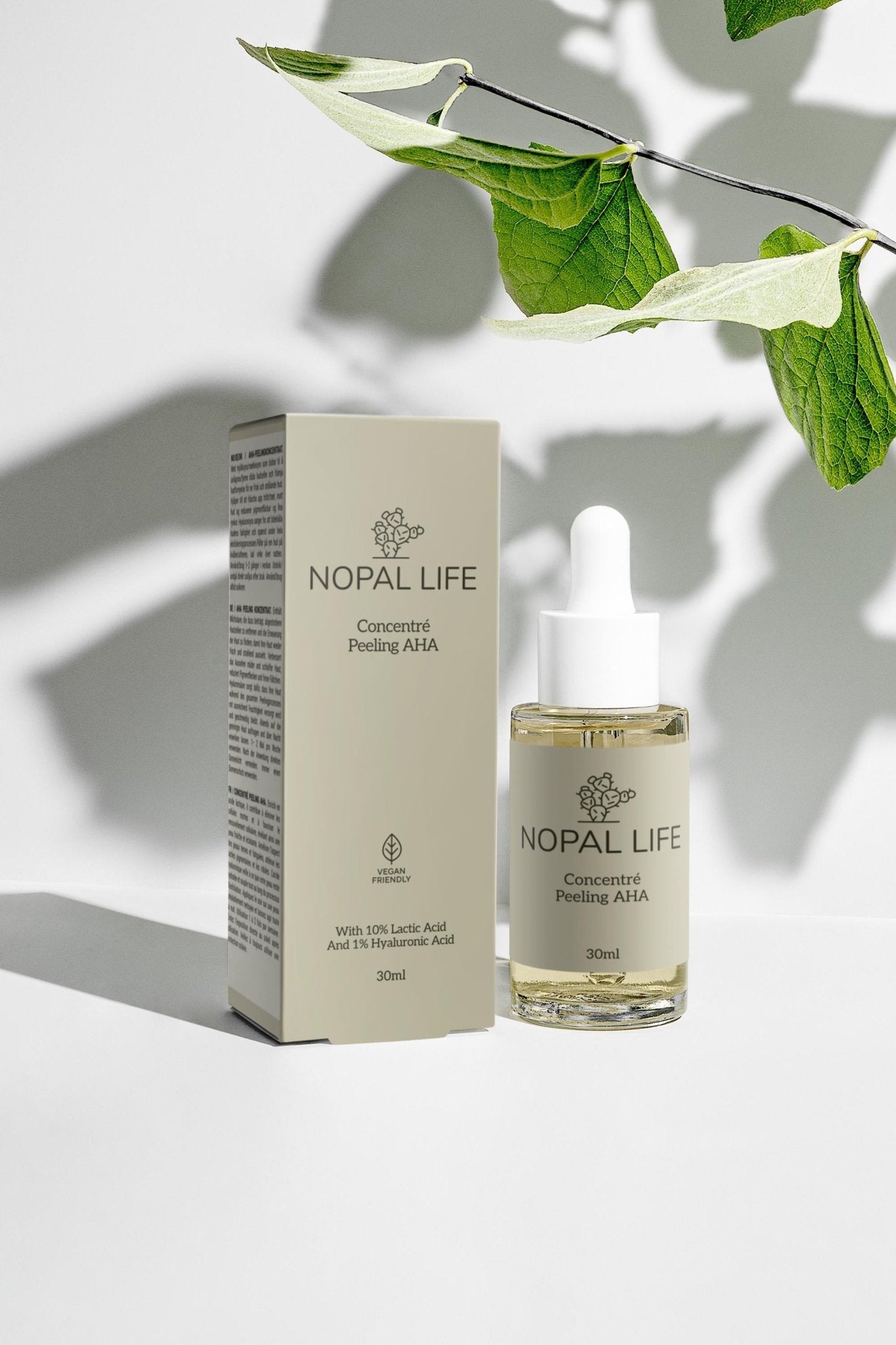
Yes, but with caution. Used incorrectly on darker skin, AHAs can accentuate the appearance of marks. Mandelic acid (less irritating) and lactic acid are best tolerated.
Does tinted foundation replace active ingredients?
No. Foundation temporarily conceals but does not act on the lasting appearance of the complexion. For long-term improvement, topical active ingredients remain useful.
Is a professional peel necessary?
Not for mild to moderate cases. Professional peels accelerate results, but well-chosen daily topical care provides comparable appearance results in the long term.
Does rose water help even out skin tone?
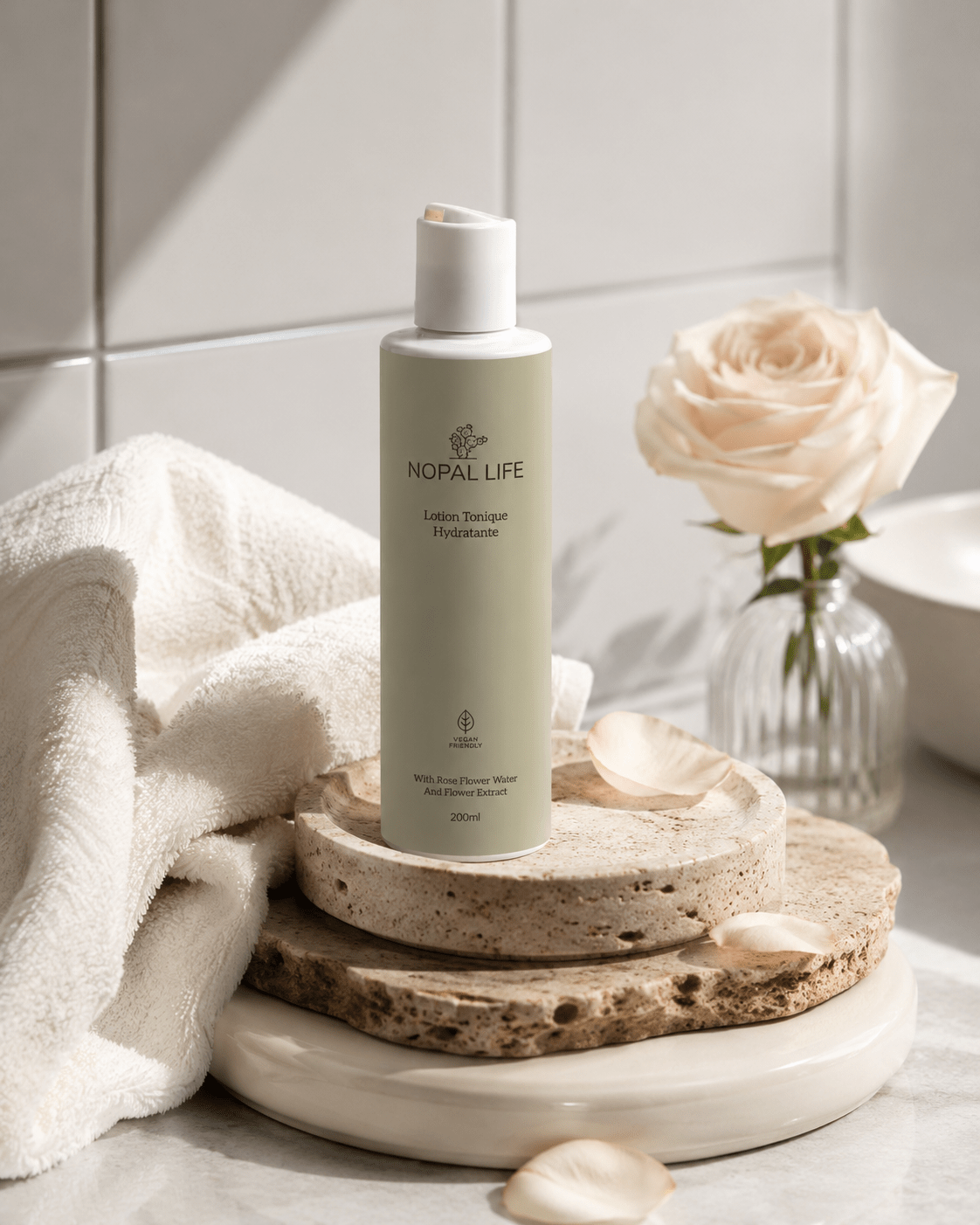
Rose water has mild soothing properties that help reduce the appearance of redness and revive a dull complexion, without specifically targeting the appearance of dark spots.
Why choose Nopal Life for a radiant and even complexion
The appearance of a radiant and even complexion relies on a comprehensive approach: supporting the skin's natural renewal, helping to unify the appearance of the complexion, and pampering the skin barrier for a healthy glow. Nopal Life has selected active ingredients renowned for this goal: stabilized vitamin C, plant-derived AHAs, and antioxidant prickly pear oil. These active ingredients are combined in balanced formulations, tested under dermatological control.
The difference is visible: a more unified complexion appearance, smoother skin texture, and revived radiance. Our brightening skincare products are suitable for all skin tones and ages. Discover your personalized brightening routine with our Skin Intelligence diagnostic.
PERSONALIZED ROUTINE
Nopal Life Skin Intelligence™
Free diagnostic · 2 minutes
DISCOVER MY ROUTINE →This content is informative and educational; it does not replace medical advice, diagnosis, or dermatological consultation. In case of doubt or persistent skin problems, consult a qualified health professional.
Our anti-aging treatments