



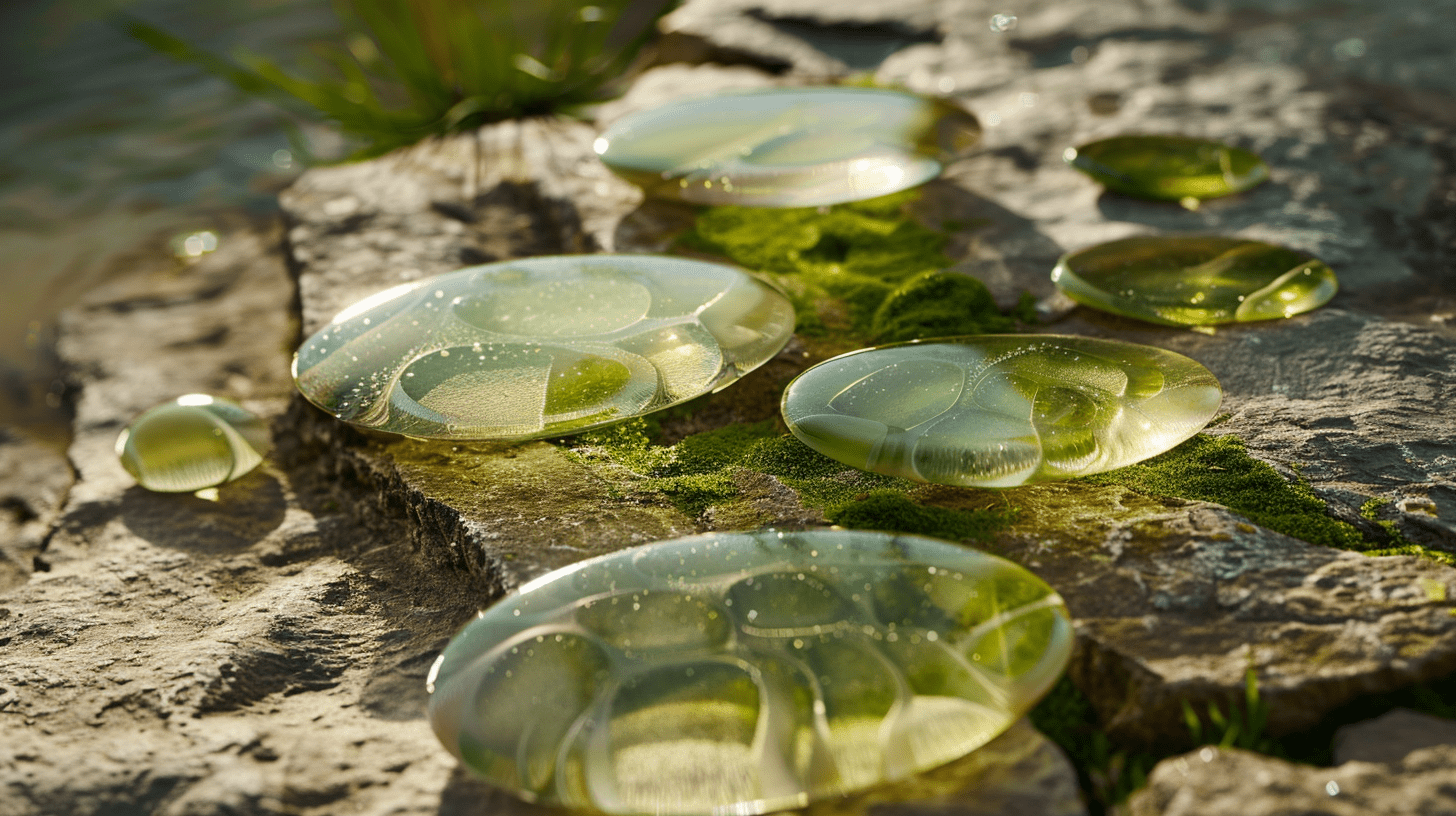
Layering skincare: The multi-serum routine
One serum, two serums, sometimes three... The temptation to combine active ingredients is strong, as each bottle promises its share of radiance, suppleness, or comfort. But layering doesn't mean blindly stacking products. In this Beauty Lab guide, NOPAL LIFE explains layering: its application order, proper dosage, and ideal combinations for a more effective routine without overload—with the precision that is so dear to us.
What is layering?
Layering refers to the art of applying several skincare products in a thoughtful order, from lightest to richest, so that each one works effectively without hindering the others. Inspired by Asian beauty rituals, it is based on a simple idea: the skin benefits more from active ingredients applied in successive layers than from a single, ultra-concentrated product.
Applied to serums, layering consists of combining several concentrates targeting complementary needs: for example, one serum for hydration and another for radiance. When well thought out, it allows addressing multiple goals within the same routine. When poorly thought out, it can weigh down the skin, create discomfort, or simply waste active ingredients that no longer penetrate.
The key lies in two words: order and measure. Order, because texture determines absorption; measure, because skin can only "drink" a limited amount of product. Understanding these two principles is enough to transform a haphazard stack into a coherent and pleasant routine.
In what order should serums be applied?
The golden rule of layering is intuitive: from thinnest to thickest. An aqueous texture penetrates quickly and prepares the skin; a thicker or oilier texture comes next, as it would have prevented the previous ones from settling if applied first.
Here is a simple application framework, after cleansing.
1. The most aqueous textures first. A lotion or hydrating essence prepares the skin and facilitates the absorption of subsequent products.
2. Fluid serums next. A hyaluronic acid or glycerin serum, for example, attracts water and establishes a base of comfort.
3. More concentrated or targeted serums. Specific active ingredients are applied to skin that is already receptive.
4. Rich textures and oils last. A vegetable oil or nourishing cream seals everything in and limits water evaporation. Oil, in particular, should always be applied at the end of the routine: applied too early, it would form a film preventing aqueous treatments from penetrating.
Between each layer, allow the skin a few moments to absorb the product before applying the next. This short pause prevents pilling and significantly improves overall comfort.
The right dosage: less, but better
Layering does not mean multiplying quantities. On the contrary: the more layers you apply, the lighter each one should be. A few drops of serum are enough to cover the face; an excess will not penetrate further, but will remain on the surface and eventually weigh down the skin.
A useful benchmark: the skin can only absorb a limited amount of active ingredients and water at any given moment. Beyond that, the surplus stagnates. It is better to use two or three well-dosed products than an accumulation of five generously applied products.
In terms of quantity, two to three serums constitute a comfortable layering for most routines. Beyond that, the risk of incompatibilities, discomfort, or simply fatigue increases—with no guaranteed additional benefit. Simplicity is often the hallmark of a well-thought-out routine.
Finally, listen to your skin. If it feels tight, shines unusually, or shows signs of discomfort, it's probably a sign of one layer too many. For serums designed to complement each other without overloading, the NOPAL LIFE Face Serums collection offers targeted and comfortable concentrates.
Free Skin Diagnosis
Curious to know what your skin truly needs?
Do my diagnosis in 2 min →
Which active ingredients to combine, which to space out?
Not all active ingredients work well together in the same routine. A few simple guidelines help create a harmonious layering.
Comfortable combinations. Hyaluronic acid and glycerin get along with almost everything: they are humectants that attract water and provide comfort. Nourishing vegetable oils pair well with humectants, which they seal in at the end of the routine. This is the advantage of combining a hydrating serum with an oil like cold-pressed prickly pear seed oil, rich in vitamin E and essential fatty acids, which leaves the skin visibly softer and more supple.
Active ingredients to space out. Some highly active concentrates benefit from not being layered at the same time, to preserve skin comfort. A good practice is to reserve some for the evening routine and others for the morning, rather than combining everything in a single application. If in doubt, introduce new products one by one.
Sun protection in the morning. Regardless of the morning layering, sun protection always comes as the last step of the day, over the skincare products.
To seal everything in, the NOPAL LIFE Face Oils collection offers ideal textures for a finishing touch. And to learn more about each active ingredient, the entire Skin Guide provides clear benchmarks.
Building a simple and sustainable layering routine
There's no need to aim for a spectacular routine. A successful layering is above all regular and adapted to your skin. Start modestly: a moisturizing product, a targeted serum, an oil for finishing. Observe the results for a few days before adding anything else.
Introduce products one by one, allowing your skin time to adjust. This gradual approach helps identify what truly provides comfort and what is superfluous. A routine is built over time, not in one evening.
Finally, remember that consistency trumps complexity. Two or three well-chosen steps, repeated morning and evening, do more for comfort and radiance than an impressive but irregular accumulation. If an unusual reaction appears when introducing a new product, space out applications and, if it persists, seek professional medical advice.
Frequently Asked Questions
Q: In what order should I apply several serums?
A: From thinnest to thickest. Start with aqueous textures (lotion, essence), then fluid serums, then more targeted concentrates, and finish with rich oils and creams to seal everything in. Oil should always be applied last.
Q: How many serums can I layer?
A: Two to three serums constitute a comfortable layering for most routines. Beyond that, the risk of discomfort and incompatibilities increases without guaranteed benefit. Simplicity is often the sign of a well-thought-out routine.
Q: Should I wait between each layer?
A: Yes, a few moments are enough. Allowing each product time to settle before applying the next prevents pilling and improves overall comfort. No need to wait long, just avoid layering everything at once.
Q: Can I apply oil before a serum?
A: It's best to avoid it. Oil forms a film that would prevent aqueous products from penetrating. It should always be applied as the last step, to seal in the hydration provided by previous layers.
Q: Is layering suitable for all skin types?
A: Yes, provided you adapt the textures. Dry skin appreciates nourishing layers and a finishing oil; oily skin will prefer lighter textures and fewer layers. Diagnosis helps calibrate the routine.
Q: Can too many serums weigh down the skin?
A: Yes. The skin only absorbs a limited amount of active ingredients and water. Beyond that, the excess stagnates on the surface, weighs down the skin texture, and can create discomfort. A few well-dosed products are better than a generous accumulation.