Nopal powder: uses and benefits in cosmetics
Nopal powder, obtained from the pads of the prickly pear cactus, is a valuable cosmetic active ingredient. Rich in mucilage, fiber, and antioxidants, it helps to hydrate, soothe, and plump the skin, especially when used as a mask. Discover its uses and benefits.
What is nopal powder?
Nopal is the name given to the pads (the flattened stems) of the prickly pear cactus, Opuntia ficus-indica. Dried and then finely ground, they yield a green powder used in cosmetics. This is another way to harness the richness of this cactus, complementary to the oil extracted from the fruit's seeds (see Prickly pear seed oil: all its benefits for the skin).
Nopal is a cactus, and the word in Mexico refers to the pads themselves rather than the entire plant. These pads are not botanical leaves: they are flattened stems that have taken over photosynthesis when the true leaves were reduced to spines.
Nopal, Opuntia ficus indica, is harvested young, when the pad reaches the size of a hand. Beyond this stage, it lignifies and is no longer suitable. This harvesting constraint explains why the yield remains low and why the raw material costs more than most ingredients from large-scale crops.
A composition rich in mucilage
The particularity of nopal lies in its richness in mucilage: vegetable fibers that form a gel when they come into contact with water. This gel has hydrating and plumping properties: it helps the skin retain water and gives it a fuller appearance. The powder also contains antioxidants (including vitamin E and polyphenols) and minerals.
Cosmetic benefits
- Hydration: mucilage helps the skin capture and retain water (see How to recognize dehydrated skin?).
- Plumping effect: the gel formed helps to smooth and plump the appearance of the skin.
- Soothing: the powder helps to calm feelings of discomfort, which is interesting for sensitive skin (see How to recognize sensitive skin?).
- Radiance: by hydrating and smoothing, it helps to revive the complexion's luminosity (see Prickly pear oil and complexion radiance: how it works).
As always, we remain in the cosmetic realm: the powder contributes to the comfort and appearance of the skin.
How to use it as a mask
The most common use is as a hydrating mask:
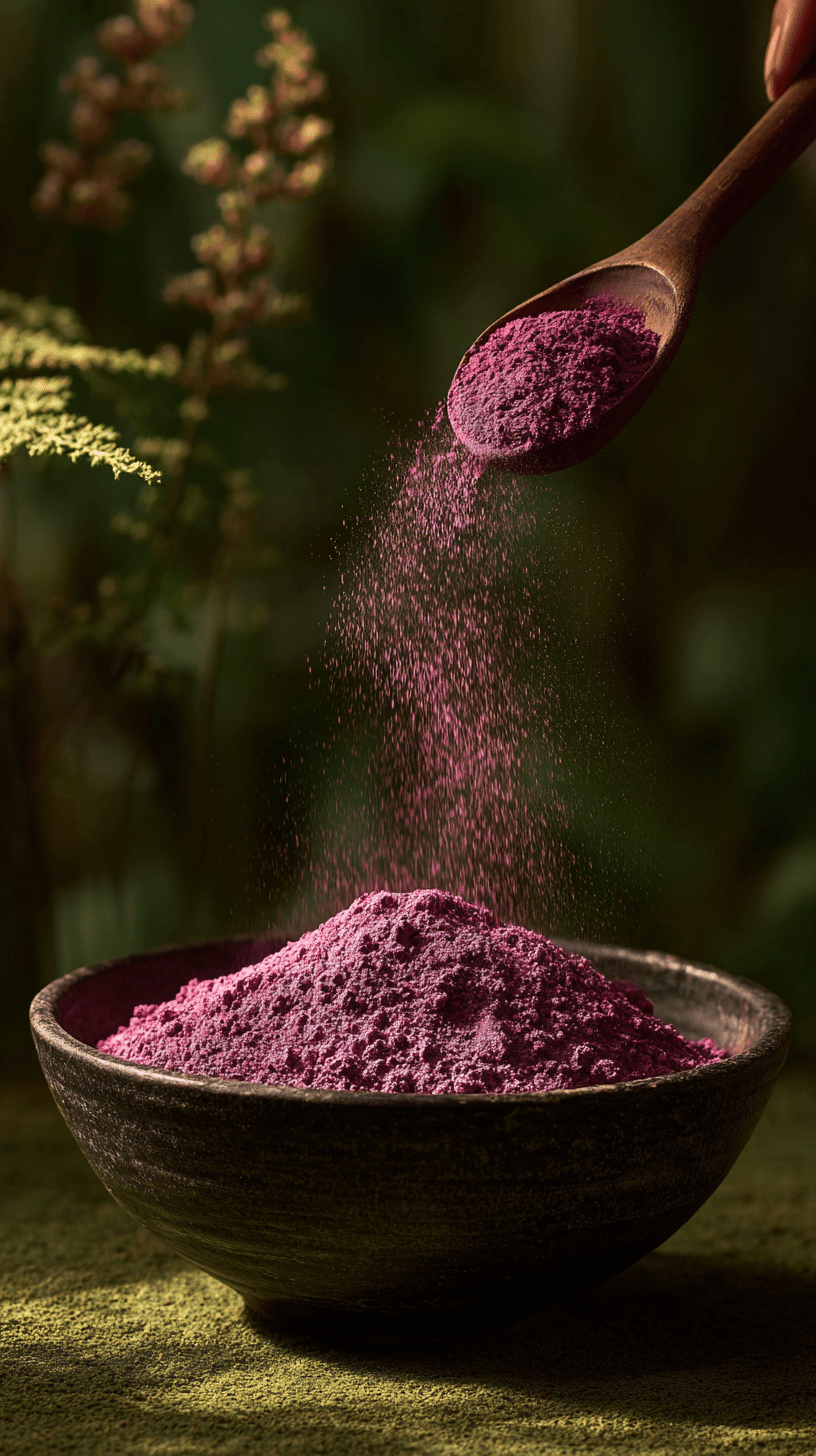
1. Mix a spoonful of nopal powder with a little water, hydrolat, or aloe vera gel until a paste is formed.
2. Apply to a clean face in an even layer.
3. Leave on for 10 to 15 minutes, without allowing it to dry completely.
4. Rinse with lukewarm water and follow with your routine (serum, oil).
To enhance nourishment, you can follow the mask with a few drops of prickly pear oil (see How to use prickly pear oil on the face?).
Lukewarm water yields a better gel than cold water, without going as far as hot water, which makes the mixture lumpy. Allow one minute of rest after mixing: the material needs this time to absorb the liquid and reach its final consistency. A mixture that appears too liquid at first glance often thickens on its own.
On dry skin, the mask tightens as it dries and becomes uncomfortable to remove. Two solutions: reduce the application time to seven or eight minutes, or spray a little hydrolat halfway through to keep it supple. The second option makes rinsing much easier and avoids rubbing.
Other uses
- Added to a homemade mask (clay, honey) for a hydrating effect.
- As a gentle scrub mixed with a creamy base, for gentle exfoliation.
- In formulated skincare products where it contributes its mucilage.
A practical point determines success: particle size. Fine grinding yields a smooth gel; coarse grinding leaves particles that scratch and make rinsing difficult. The difference is not visible on the packaging, but it can be felt under the fingers during the first mix.
Storage follows the same logic. Dry and protected from light, the material keeps for more than a year; when humidified, it does not last the day. This is why the dose is prepared just before application, and why ready-made commercial preparations must contain a preservative.
Powder, oil, hydrolat: the prickly pear range
The cactus comes in three complementary cosmetic forms: nopal powder (pads) for hydration and mask effect, oil (fruit seeds) for nourishment and protection, and hydrolat for freshness (see Prickly pear hydrolat: uses and benefits). Together, they form a complete routine based on a single exceptional active ingredient.
For which skin types?
Nopal powder is suitable for all skin types, and particularly for dehydrated, dull, or sensitive skin. Its gentleness and hydrating effect make it very versatile. Perform a preliminary test if your skin is very reactive.
The pad is rich in fibers, and this fibrous structure retains water well beyond its own weight. This is what interests cosmetics: applied as a mask, the material swells on contact with water and forms a gel that stays on the skin instead of running off.
It also provides calcium and magnesium in unusual proportions for a plant, as well as free amino acids. These minerals do not cross the epidermis and are not intended to do so; they contribute to the texture and comfort of application, which is already their role in the formula.
Frequently asked questions
Does nopal powder come from the fruit?
No, it comes from the pads (stems) of the cactus; the oil, however, comes from the seeds of the fruit.
How often should I use the mask?
Once or twice a week is enough to benefit from its hydrating effect.
Can it be mixed with other ingredients?
Yes, with hydrolat, aloe vera, clay, or honey depending on the desired effect.
Is it suitable for oily skin?
Yes, its light, non-greasy hydrating effect makes it suitable even for combination to oily skin.
Can it be mixed with clay? Yes, and the combination makes sense: clay mattifies and tightens, while the other ingredient softens and retains water. One part to two parts clay yields a mask that is significantly less drying than clay alone, without removing its benefits.
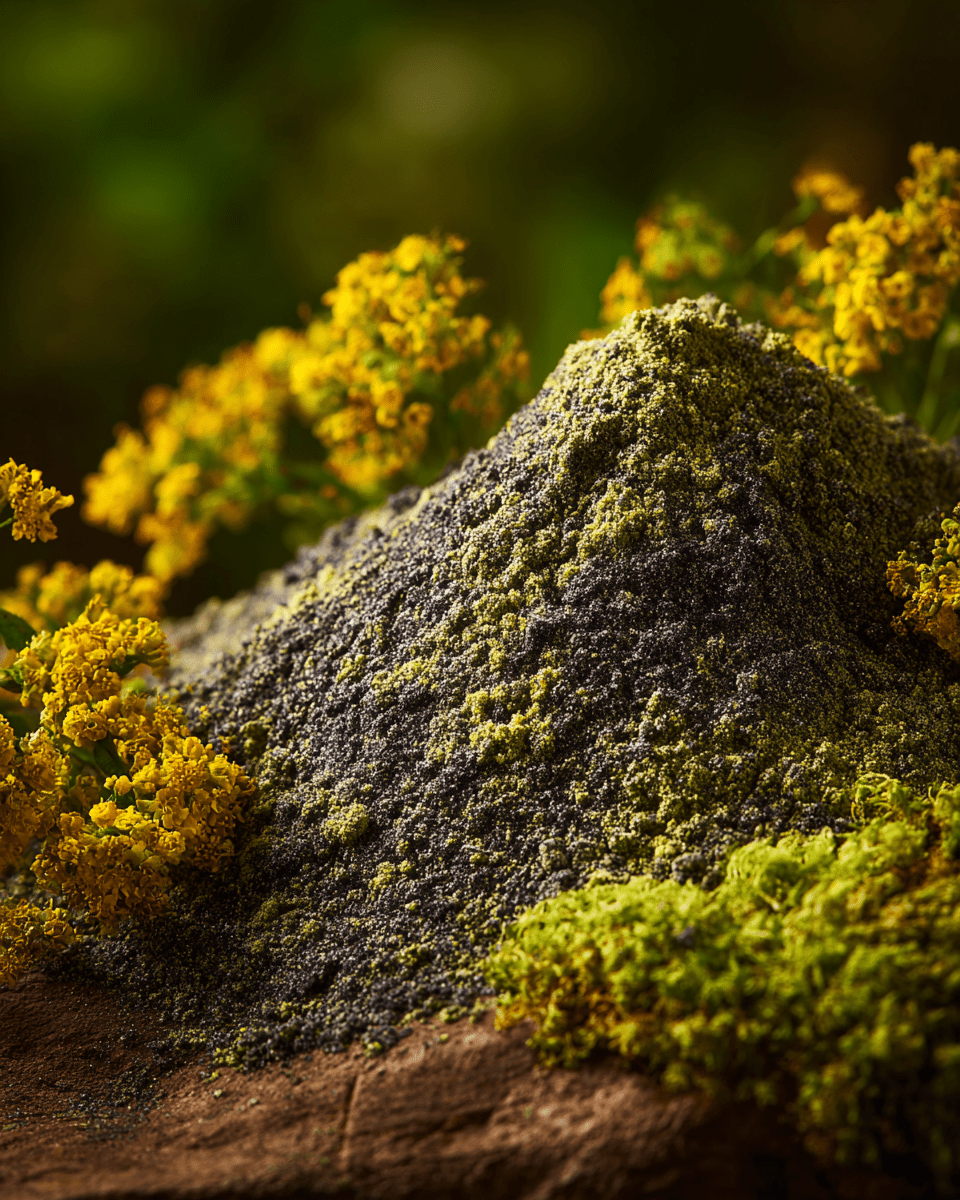
What color should it be? A bright green, sometimes a little grayish. A very vivid green rather suggests an added dye, a dull brown suggests too hot drying or an old batch. This is the simplest visual indicator when purchasing.
Is it suitable for reactive skin? Generally well, because the composition is short and fragrance-free. The elbow crease test remains the rule, as for anything applied for the first time.
In summary
Rich in hydrating mucilage and antioxidants, nopal powder is a valuable active ingredient for hydrating, plumping, and soothing the skin, especially as a mask. It ideally complements the oil and hydrolat for a 100% prickly pear routine.
Discover the NOPAL LIFE Prickly Pear Powder Mask and Prickly Pear Seed Oil. Take your skin diagnosis to find out how to integrate it into your routine.
This article is provided for informational purposes only and does not replace the advice of a healthcare professional.
Information provided for cosmetic and educational purposes; it does not constitute medical advice.


Go further than this article
Get our skincare guides by email — and start with your free skin diagnostic: 2 minutes, advice tailored to your skin. We ship to the US, UK, Canada, Australia and 27 European countries; somewhere else? Sign up and you will be the first to know when we deliver to your country.
By signing up, you agree to our privacy policy. Unsubscribe in one click.