Sensitive skin: the skin barrier routine
Sensitive and dehydrated skin is one of the most common types in France – yet one of the most misunderstood. We hydrate it with creams that are too heavy, cleanse it with harsh gels, and expose it to irritating active ingredients, believing we are doing good. The result: redness, tightness, a feeling of skin that no longer responds. This P1 guide demystifies the actual functioning of the skin barrier, explains why this skin type reacts so quickly, and provides a concrete protocol to restore comfort and balance. The central active ingredient in this approach: pure prickly pear seed oil, one of the most restorative plant lipids ever documented for fragile skin.
Understanding the mechanisms: why is sensitive skin so reactive?
Sensitive skin is not a genetic fate: it is a signal of a weakened skin barrier. This barrier – called the stratum corneum – is the outer layer of the epidermis, composed of corneocytes (flattened dead cells) and a lipidic cement rich in ceramides, free fatty acids, and cholesterol. When this cement is altered, water evaporates too quickly (this is called TEWL, or transepidermal water loss), and external irritants – pollution, fragrances, UV – penetrate more easily.
Two phenomena then combine: intercellular dehydration which makes the skin dull and tight, and nervous hyperreactivity linked to the activation of TRPV1 and TRPA1 receptors, thermosensitive ion channels whose activation threshold decreases when the barrier is compromised. This is why sensitive skin reddens in the cold, stings upon contact with even a mild active ingredient, and reacts to temperature or pH variations that are harmless for healthy skin.
Dehydrated/sensitive skin thus presents a double vulnerability: lack of water in the superficial layers AND lack of lipids in the intermediate layers. Any skincare routine must address these two levels simultaneously, without over-stimulating skin that is already on alert.
What science says about the skin barrier and dehydration
Dermatological research over the past twenty years has profoundly reshaped our understanding of the skin barrier. A study published in the Journal of Investigative Dermatology (Proksch et al., 2008) demonstrated that restoring the lipid barrier by topical application of essential fatty acids significantly reduces TEWL and improves tolerance to irritants within 14 days. Ceramides, linoleic acid, and oleic acid are identified as the three lipidic pillars of this restoration.
A systematic review published in Skin Pharmacology and Physiology (2016) established that vegetable oils rich in linoleic acid (omega-6) are particularly effective for skin with an altered barrier, compared to oils dominated by oleic acid. Linoleic acid is indeed a direct precursor of type I ceramides, essential for the integrity of the intercellular cement.
Regarding hydration and comfort, studies on filaggrin – a key protein of the natural moisturizing factor (NMF) – show that its degradation produces urocanic acid and pyrrolidone carboxylic acid, two hygroscopic molecules that capture water in the stratum corneum. A filaggrin deficiency, common in sensitive and atopic skin, explains chronic dehydration even in the absence of adverse environmental conditions.
These data converge towards a clear recommendation: to restore the barrier, biocompatible lipids must be provided, preferably from a raw material with a broad spectrum of essential fatty acids. Prickly pear seed oil precisely meets these specifications, with a rare composition of linoleic acid (55-60%), vitamin E, and plant sterols.
Step-by-step protocol: cleansing and care for sensitive, dehydrated skin
The first step – and often the most neglected – is cleansing. For dehydrated/sensitive skin, cleansing is as much a treatment as a preparatory step. Here is the recommended protocol:
Morning - Gentle cleansing: rinse your face with lukewarm water (never hot, never cold). If necessary, use a sulfate- and alcohol-free cleanser with a pH between 4.5 and 5.5 to respect the hydrolipidic film. Apply with light stroking motions, without rubbing. Gently pat dry with a clean, soft towel.
Immediately after cleansing: apply 2 to 3 drops of pure prickly pear seed oil to still slightly damp skin. This "skin flooding" technique optimizes lipid penetration by sealing residual water in the superficial layers. Warm the drops between your palms, then gently press onto your entire face – forehead, cheeks, chin, eye contour.
Evening - Adapted double cleansing: if you wear makeup, start with an oil cleanse (prickly pear seed oil can be used here as a gentle makeup remover). Then follow with a light gel or milk cleanser. Finish with your oil routine, applying a slightly thicker layer than in the morning to allow for nocturnal repair.
Frequency of intensive treatments: once or twice a week, apply the oil as an overnight mask – 5 to 6 drops on the face, leave on all night. It is during deep sleep phases that cellular regeneration is maximal (GH peak between 11 PM and 1 AM).
Find all the products adapted to this protocol in our natural skincare collection.
Mistakes to absolutely avoid with sensitive skin
1. Over-cleansing your face. Two cleanses per day are sufficient. A third cleanse in the middle of the day – even with a gentle product – disrupts the skin's microbiome and removes the protective sebum that the skin has just reconstituted.
2. Piling on exfoliating active ingredients. AHAs (glycolic acid, lactic acid) and BHAs (salicylic acid) are useful occasionally, but contraindicated for daily use on sensitive skin. They lower the skin's pH and temporarily weaken the barrier – which aggravates reactivity in the short term, even if medium-term results can be positive on robust skin.
3. Using denatured alcohol or synthetic fragrances. These ingredients are among the main triggers of inflammatory reactions on sensitive skin. Always check the INCI: Alcohol Denat., Parfum, or Fragrance at the top of the list are warning signs.
4. Changing your routine too often. The skin barrier needs 28 days (a complete keratinocyte cycle) to adapt to new active ingredients. Introducing a new product every week prevents identifying what works or irritates, and keeps the skin in a state of chronic stress.
5. Neglecting sun protection. UV rays degrade surface lipids and activate metalloproteases that weaken the dermis and epidermis. A mineral SPF 30 (zinc oxide or titanium dioxide) is the best ally for a barrier undergoing restoration.
The first is to confuse sensitivity and allergy. Reactive skin responds to a stimulus — wind, rays, a change in temperature — with temporary redness and discomfort, without an allergic mechanism at play.
The second is to try too many new products. For sensitive and reactive skin, only introduce one new product at a time, for two weeks: this is the only way to know what causes itching when it occurs.
Pure prickly pear seed oil: the allied active ingredient for the skin barrier
Among all the natural active ingredients documented for sensitive skin, prickly pear seed oil holds a special place. Cold-pressed from the seeds of Opuntia ficus-indica, it concentrates in a few drops what sensitive skin needs most: restorative essential fatty acids, powerful antioxidants, and plant sterols with proven soothing properties.
Its exceptional linoleic acid content (55-60%) makes it one of the most valuable vegetable oils for restoring the intercellular cement. The plant sterols (beta-sitosterol, stigmasterol) it contains mimic the action of natural ceramides and help close micro-cracks in the stratum corneum. Vitamin E (tocopherols) protects surface lipids from oxidation induced by UV and pollution. Finally, its lightness – an almost zero comedogenic index – makes it a non-occlusive treatment, ideal even for combination-sensitive skin.
In vitro studies published in Industrial Crops and Products (2017) confirmed the superior antioxidant activity of this oil compared to argan, rosehip aril, and pomegranate, all of which are recognized for their anti-aging properties. This high ORAC capacity makes it both a cellular shield and a lipid repairer.
In practice: 2 to 3 drops morning and evening are sufficient for normal to dry skin. For very dehydrated skin, an application as an overnight mask once or twice a week amplifies the results. The first effects – soothing, reduced tightness – are noticeable within 48 to 72 hours. Barrier restoration, measurable by a reduction in TEWL, is observed over 3 to 4 weeks of regular use.
Conclusion
For sensitive skin, everything starts with the skin barrier. Strengthening it with soothing and lipid-replenishing treatments calms reactions and restores lasting comfort. The simplicity of the routine protects this delicate skin. A consolidated barrier means more tolerant, serene, and comfortable skin.
Why choose Nopal Life for deep and lasting hydration
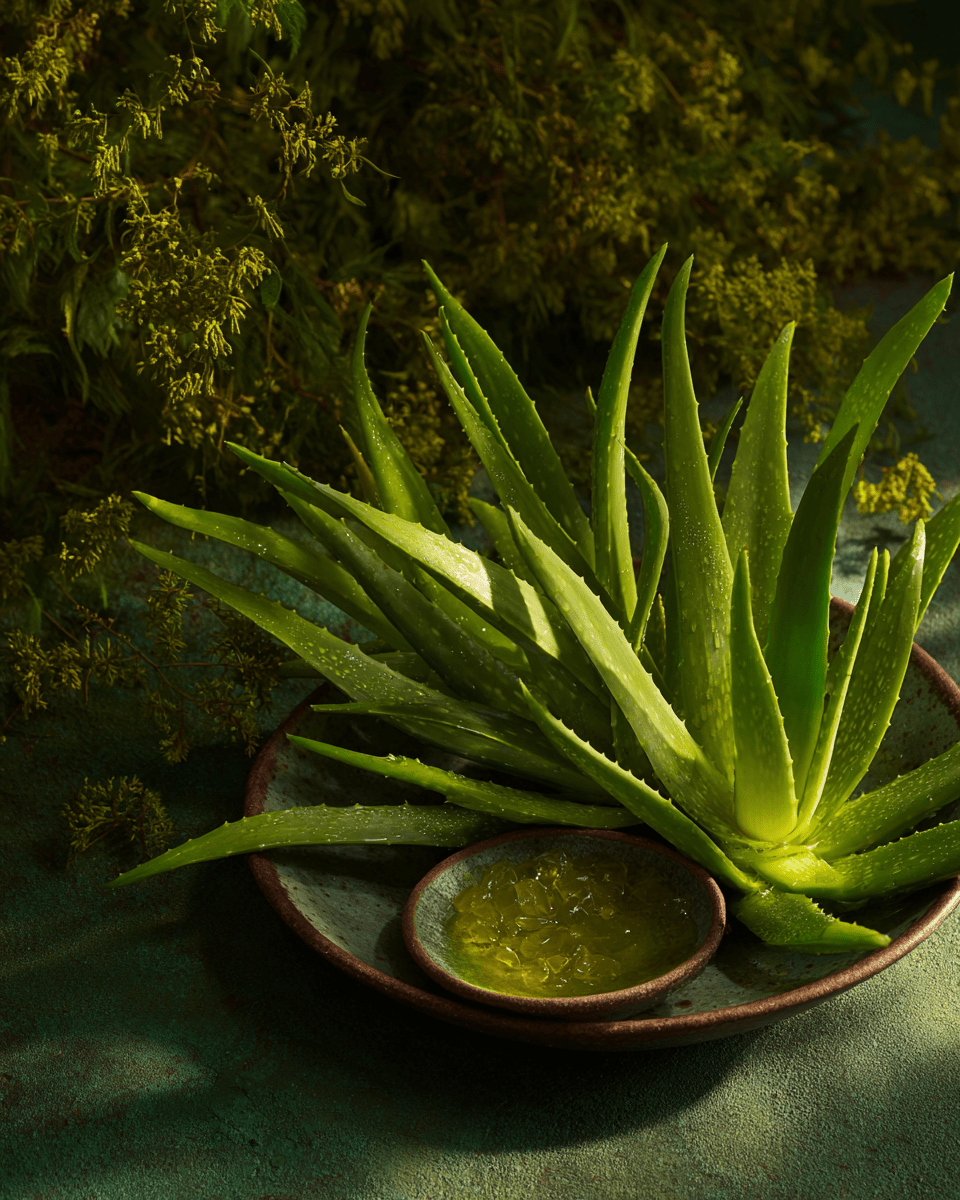
Skin hydration is not limited to applying water to the skin: it requires film-forming active ingredients that retain water in the deep layers of the epidermis. Nopal Life formulates each product around clinically validated humectant agents (hyaluronic acid, aloe vera, prebiotics) combined with prickly pear seed oil, an exceptional natural emollient that seals in hydration and restores the lipid film.
The result: plumped, supple, and comfortable skin for more than 24 hours. Each formulation is dermatologically tested and adapted to your skin type. Take your free diagnosis to identify the ideal hydration routine for you.
RECOMMENDED CARE
Pure Prickly Pear Seed Oil
Natural formula · Origin Algeria
DISCOVER THIS TREATMENT →Information provided for cosmetic and educational purposes; it does not constitute medical advice.


Go further than this article
Get our skincare guides by email — and start with your free skin diagnostic: 2 minutes, advice tailored to your skin. We ship to the US, UK, Canada, Australia and 27 European countries; somewhere else? Sign up and you will be the first to know when we deliver to your country.
By signing up, you agree to our privacy policy. Unsubscribe in one click.