Japanese face mask: formats, lotion and label
"Japanese face mask" does not refer to a product category but to at least four different things. A technique—the lotion-mask, made with cotton pads and an ordinary lotion. A format—the sheet mask, popularized by J-beauty. A manufacturing origin. Or simply a marketing claim on a product designed in Europe. These four meanings do not have the same composition, price, or regulatory status. This page helps you understand what you are actually buying and how to get the most out of each format.
The J-beauty logic: thin layers and repeated gestures
Before the products, there is a method that explains why these masks exist in this form.
The Japanese routine prioritizes fluid textures applied in successive layers rather than a single thick cream. Lotion—called keshōsui, sometimes translated as softener or toner—is not an astringent product as in the West, but a first hydrating layer applied to still-damp skin.
The dominant gesture is pressure, not rubbing: you pat the palm against the skin until absorbed. This difference in gesture is probably more decisive for tolerance than any star ingredient.
And sun protection plays a central, daily role, all year round. This is the most transferable aspect of this approach, and paradoxically the one least discussed when selling a mask.
Within this logic, a mask is not a treatment but a temporary intensification of the moisturizing layer. Expecting it to have a corrective effect is to misunderstand its function.
The lotion-mask: the technique, without purchase
This is the most interesting format because it costs nothing more than the lotion you already own.
Take four thin cotton pads and split them by hand: each pad separates into two or three layers, providing enough material to cover the face without absorbing all the product.
Soak with five to eight milliliters of alcohol- and fragrance-free lotion. The layers should be damp and pliable, not dripping.
Place on the forehead, cheeks, and chin—avoiding the eye area and sides of the nose. Leave on for three minutes, no longer.
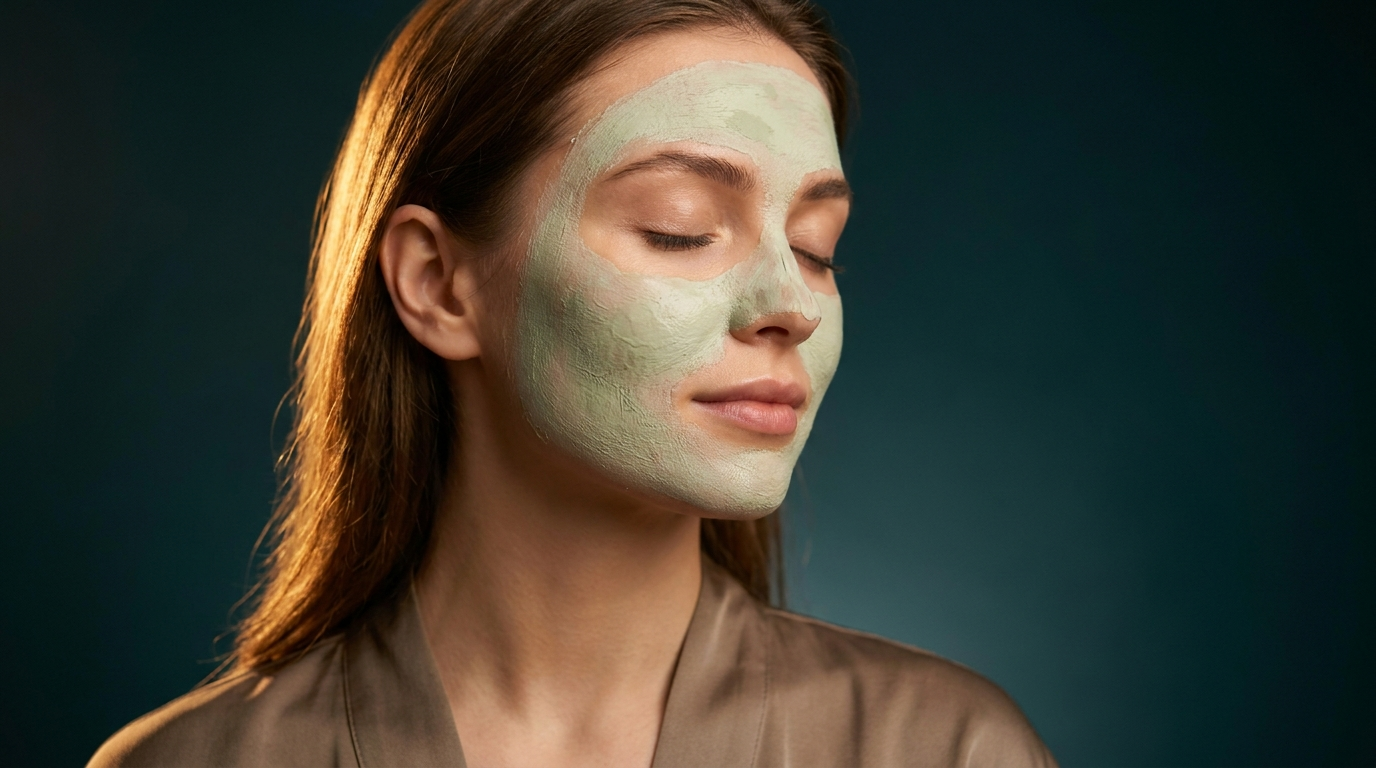
Remove before any drying begins, then immediately apply a cream. This point is key to the gesture and the reason for the short duration: a cotton pad that dries on the skin reverses the exchange and draws water from the stratum corneum instead of providing it. This is the same mechanism that makes clay harmful if left to crack.
Never prepare the cotton pads in advance. A lotion in an open container, handled with fingers, loses the protection of its preservative system within a few hours.
Sheet masks and compressed tablets
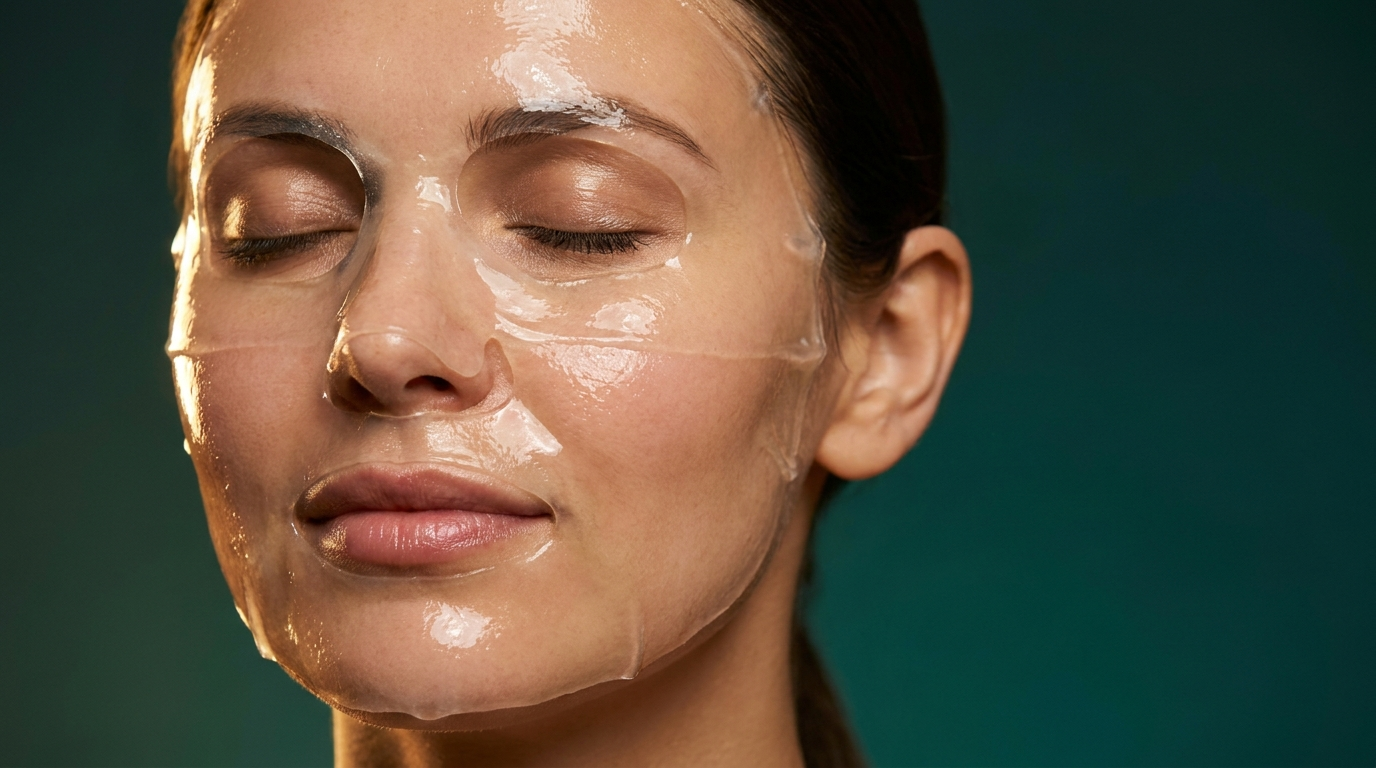
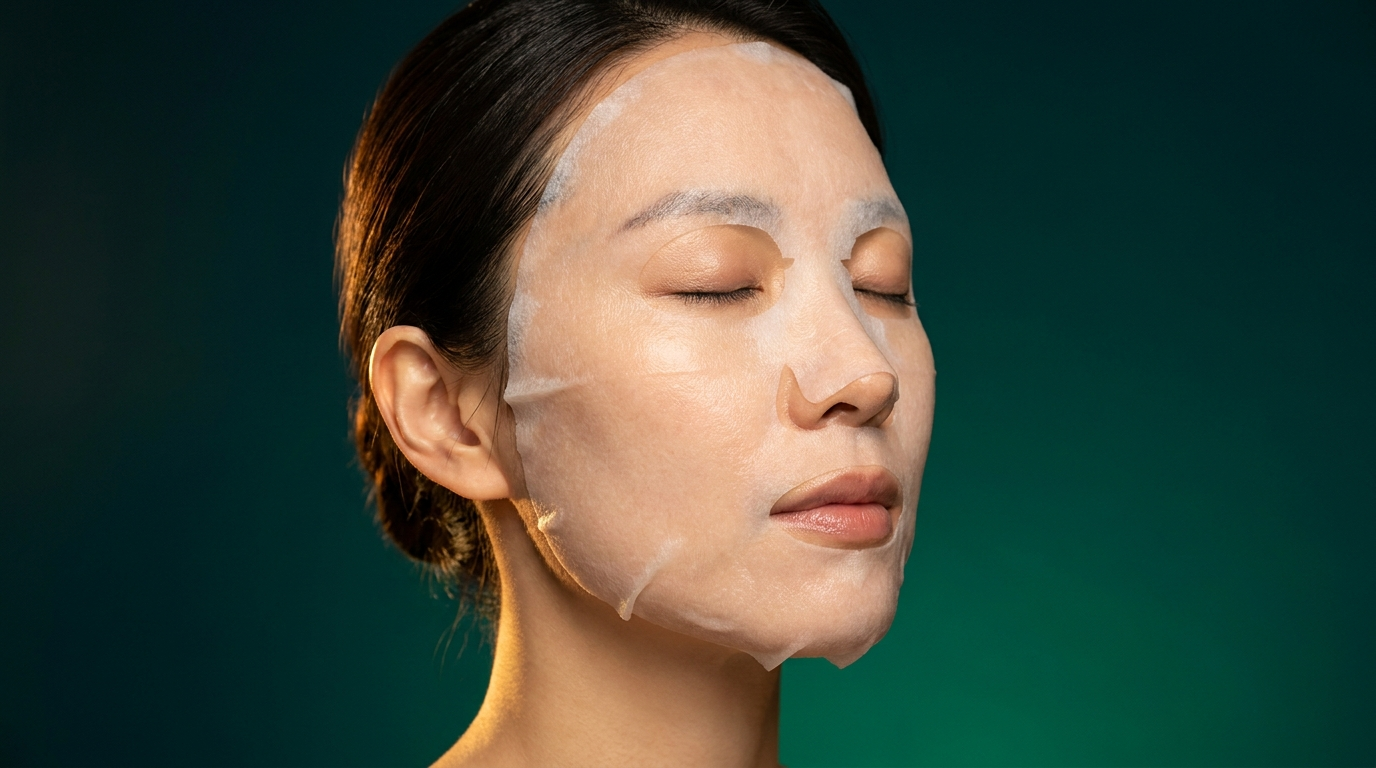
A ready-to-use sheet mask usually contains twenty to thirty milliliters of serum, which is ten times a typical application. This quantity creates an occlusion that promotes the penetration of water and humectants; however, it does not make the active ingredients more effective.
The recommended application time is ten to fifteen minutes. Beyond that, the material begins to dry and the benefit reverses—this is the same principle as the lotion-mask, with a wider margin because the fabric retains more.
Compressed tablets are the economical version: a dry disc that you unfold with ten to fifteen milliliters of your chosen lotion. The advantage is control over the liquid; the drawback is that the material absorbs a lot, and a light squeeze before application prevents it from dripping.
An absolute rule for these tablets: only use preserved cosmetic liquids. No homemade green tea infusion, no floral water open for months, no food preparation. A damp material left on the face for fifteen minutes is an ideal culture medium.
And a sheet mask is for single use. Any remaining serum in the sachet can be applied to the neck or hands; the mask itself should be discarded.
Emblematic ingredients, as read in the INCI
| Common Name | INCI Name | What it provides | What it does not do |
|---|---|---|---|
| Fermented Rice | Oryza Sativa Extract, ferment filtrates | amino acids, sugars, humectants | does not whiten skin |
| Yeast (sake) | Saccharomyces Ferment Filtrate | various metabolites, hydrating effect | non-standardized composition |
| Green Tea | Camellia Sinensis Leaf Extract | antioxidant in formula | does not replace sunscreen |
| Camellia | Camellia Japonica Seed Oil | emollient fatty substance | does not provide water |
| Algae | Laminaria, Undaria extracts | film-forming, texture | mainly sensory effect |
The position in the INCI list indicates the order of magnitude. A rice ferment placed in the second or third position genuinely contributes to the formula; placed after fragrance and preservatives, it is present at less than 1% and is merely a label claim.
Mentions such as ferment filtrate require particular caution: they describe a process, not a composition. Two fermentation filtrates with the same INCI name can contain very different molecules depending on the strain and culture conditions. See our page how to read an INCI list.
Verifying the compliance of an imported product
This is the most concrete point, and the one that distinguishes a safe purchase from a blind one.
- A responsible person established in the European Union, with name and address. This is the central requirement of the European cosmetic regulation.
- The list of ingredients in INCI nomenclature, legible.
- The content volume, the batch number, and the minimum durability date or period after opening.
- Usage precautions in a language understandable to the buyer.
A product purchased on a marketplace and shipped directly from Japan often lacks all of these elements. This does not mean it is dangerous—it means that no identifiable person is responsible for its safety and no recourse exists in case of a reaction.
A label solely in Japanese is not sufficient for regular marketing in France. And the absence of a legible INCI makes it impossible for you to perform the only check you can do yourself: verifying that an ingredient to which you react is not present.
Sensitive skin: what to avoid
The occlusion created by a mask increases the penetration of everything in the formula, including irritants.
Avoid fragrances and essential oils, the primary cause of contact allergies in cosmetics. Avoid menthol and denatured alcohol, which provide a pleasant coolness in open air but become harsh under occlusion. And avoid so-called warming masks.
Prefer a short formula, centered around glycerin, panthenol, beta-glucan, or hyaluronic acid. The fewer ingredients there are, the easier it is to identify the culprit in case of a reaction.
Test the serum behind the ear or under the jaw twenty-four hours before the first full application. For reactive skin, forty-eight hours is better: some reactions are delayed.
Knowing if the mask makes a difference
The question deserves to be tested, because the answer is often negative and it can be expensive.
Week 1: lotion-mask for three minutes, twice. Week 2: sheet mask for ten minutes, twice. Week 3: nothing, just your usual routine.
For each week, note the comfort upon waking, the feeling of tightness at the end of the day, any stickiness, and any redness. Then compare the three.
This alternation separates what comes from the mask material from what comes from the lotion—and often, the third week is indistinguishable from the first two. This is not a test failure: it is information that saves you a recurring expense.
The immediate effect after removal, however, tells you nothing. Skin that has just spent ten minutes under moist occlusion is temporarily plumped, regardless of the product.
What Japanese origin does not guarantee
It guarantees neither gentleness, nor naturalness, nor superior concentration. The Japanese market, like all markets, produces both short, well-designed formulas and heavily fragranced formulas.
It says nothing about the actual place of manufacture: "J-beauty inspired" is a marketing phrase without regulatory content.
It does not exempt from any checks: reading the INCI, verifying the European responsible person, and performing a tolerance test remain the same as for any other product.
And a mask, regardless of its origin, does not replace a well-maintained skin barrier, a regular hydration routine, or daily sun protection. It adds a temporary layer to a whole—it does not replace it.


Go further than this article
Get our skincare guides by email — and start with your free skin diagnostic: 2 minutes, advice tailored to your skin. We ship to the US, UK, Canada, Australia and 27 European countries; somewhere else? Sign up and you will be the first to know when we deliver to your country.
By signing up, you agree to our privacy policy. Unsubscribe in one click.