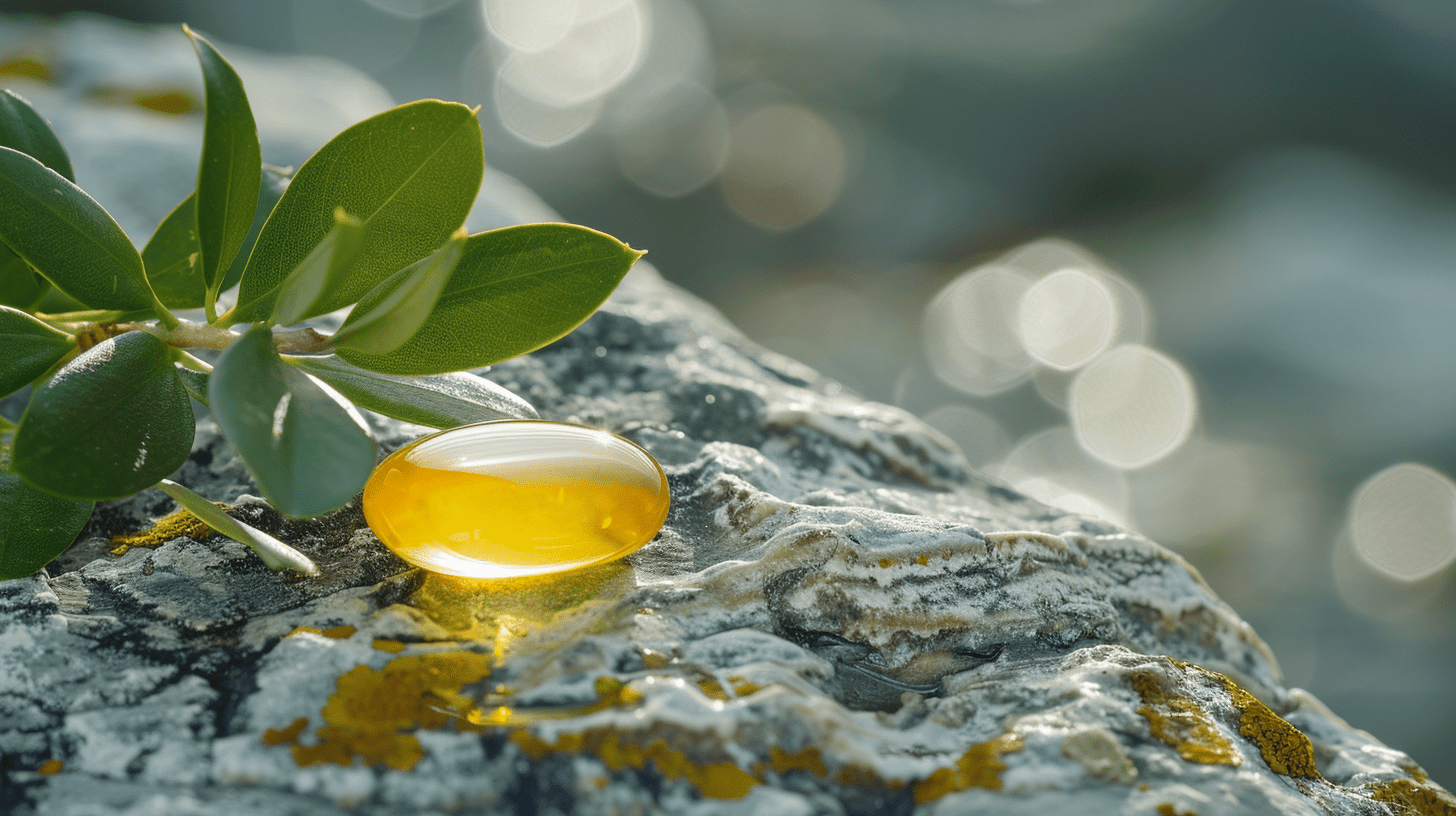
Cold-pressed prickly pear seed oil: what difference it really makes
At NOPAL LIFE, we like to reiterate a truth too often forgotten: the beauty of a vegetable oil is determined long before it reaches the bottle, at the precise moment of its extraction. Prickly pear seed oil is among the most precious in the world, and the mention "cold-pressed" is not just a marketing ploy. Through this Beauty Lab guide, let's discover together what this method truly changes regarding the richness, purity, and promise of radiance of this signature oil.
What exactly is cold pressing?
Cold pressing is a mechanical extraction method. Prickly pear seeds — these tiny seeds located at the heart of the fruit — are pressed at low temperature, without chemical solvents and without excessive heat. We generally refer to a temperature maintained below a threshold that preserves the integrity of the oil's fragile components.
In contrast, some oils are hot-extracted or solvent-extracted: these processes increase yield and lower costs, but heat and chemical agents can alter some of the most delicate active ingredients, such as vitamin E and certain fatty acids. Cold pressing, on the other hand, prioritizes quality over quantity.
This is why a cold-pressed oil is often described as virgin: it corresponds to the very first juice extracted from the seeds, without further processing. When it also comes from organic farming, you get an organic virgin oil, traceable and respectful of both the seed and the skin.
This demanding process comes at a price: a considerable amount of fruit is needed to obtain a few precious milliliters of oil. But it is precisely this attention to detail that distinguishes an exceptional oil from an ordinary one.
What cold extraction preserves in the oil
If cold pressing is universally acclaimed by botanical skincare enthusiasts, it's because it protects the natural treasures of the seed. Here's what it helps preserve.
Generous vitamin E. Prickly pear oil is one of the vegetable oils richest in natural vitamin E, an antioxidant that helps protect the skin from oxidative stress and contributes to a radiant complexion. Since heat is the enemy of this fragile molecule, cold extraction allows a much larger proportion of it to be preserved.
Intact essential fatty acids. Prickly pear oil is distinguished by its high content of linoleic acid (omega-6), a fatty acid that helps strengthen the skin's protective barrier and limit water evaporation. Preserved through cold pressing, these lipids retain their full nourishing capacity.
Sterols and plant compounds. Phytosterols and other natural compounds contribute to the feeling of suppleness and comfort. Here again, gentle extraction better respects this botanical cocktail.
Authentic color and scent. A cold-pressed oil retains a golden to slightly green tint and a subtle vegetal fragrance, signs of a minimally processed raw material. This also provides reassuring sensory cues.
In summary, cold pressing ensures an oil that is closer to what nature intended — and therefore more beneficial for the skin.
Free Skin Diagnosis
Curious if a vitamin E-rich oil is right for your skin?
Take my 2-min diagnosis →
What it changes for your skin daily
Beyond the technique, the real question is simple: what changes when the oil touches your skin? A cold-pressed prickly pear oil offers a sensory experience and comfort that refined versions struggle to match.
Its texture is surprisingly dry and fine: it absorbs quickly, without leaving a greasy film, which makes it pleasant even for skin that typically avoids oils. Rich in fatty acids and vitamin E, it provides suppleness and comfort, helps smooth the appearance of dehydration lines, and revives skin radiance. Both dry and mature skin types will find it a nourishing treatment of choice, leaving the skin visibly softer.
Because it is minimally processed, organic virgin oil concentrates more active ingredients: for the same quantity, you benefit from greater botanical generosity. It is a treatment that is applied drop by drop, in the evening, to envelop the skin in a layer of comfort.
To explore this family of skincare, the Face Oils collection and the Nutrition & Repair collection from NOPAL LIFE bring together textures designed to nourish and enhance.
Two to three drops are sufficient for the entire face, morning and evening, on clean, still damp skin. The quantity is always surprising: it's significantly less than what one might spontaneously use, yet it's the amount that penetrates best. Beyond that, the excess remains on the surface.
The eye contour can tolerate application, provided you stay about a centimeter from the lash line and gently pat rather than spread. Sensitive skin generally tolerates it well, as the composition is short and fragrance-free, but a patch test in the crook of the elbow for two days is still advisable before incorporating it into a routine.
How to recognize and use a cold-pressed oil
Not all prickly pear oils are created equal. A few pointers will help you choose, then fully enjoy your bottle.
When purchasing, check three mentions: "cold-pressed" or "first cold pressing," "virgin," and ideally "organic." A short ingredient list, without additives, is an excellent sign. The presence of a tinted glass bottle protects the oil from light, which can degrade its active ingredients.
Store it away from heat and light. As a cold-pressed oil is minimally processed, it should be stored in a cool, dark place, with the cap tightly closed, to preserve its freshness.
In use, a few drops are enough. Warm 2 to 4 drops between your palms, then gently press onto clean, slightly damp skin, as the last step in your routine to seal in hydration. Evening is the ideal time to benefit from its richness.
Combine it intelligently. For skin seeking radiance, prickly pear oil wonderfully complements a serum or moisturizer. For mature skin, the Anti-aging & Wrinkles collection offers targeted complements.
If your skin experiences persistent reactions or unusual discomfort, seek advice from a healthcare professional before adjusting your routine.
Three mentions determine quality, and they all appear on the label. The full INCI name, Opuntia ficus indica seed oil, which guarantees that it is indeed from the seeds and not the pulp. The mention "100% pure," which excludes any dilution in a cheaper carrier. And the origin, Morocco for the majority of world production.
An organic prickly pear oil adds a guarantee on cultivation — absence of synthetic treatments, annual control — without saying anything about the process itself. The two mentions are cumulative and not interchangeable, which many labels willingly obscure.
Make the right choice with a diagnosis
Cold extraction guarantees the quality of the oil, but it's your skin that determines the ideal routine. To find out if this signature oil meets your needs — comfort, radiance, suppleness — nothing beats a structured diagnosis.
The Nopal Life Skin Intelligence™ asks you a few targeted questions in two minutes and guides you towards truly adapted gestures and care. You can then delve deeper into each need thanks to the Skin Guide.
Frequently Asked Questions
Q: Why is prickly pear oil cold-pressed?
A: Because heat and solvents can alter its most fragile active ingredients, notably vitamin E and essential fatty acids. Cold pressing preserves these botanical treasures and offers a virgin oil that is richer and closer to nature.
Q: What is the difference between cold-pressed oil and refined oil?
A: Cold-pressed oil is extracted mechanically, without excessive heat or solvents: it retains more active ingredients, its natural color, and scent. Refined oil, extracted with heat or solvents, offers a better yield but loses some of its fragile components.
Q: What does "organic virgin oil" mean?
A: "Virgin" refers to the first juice extracted from the seeds, without further processing. "Organic" indicates raw material from organic farming. Together, these mentions guarantee a pure, traceable, and minimally processed oil.
Q: Does cold-pressed oil leave a greasy film?
A: No, that's one of its qualities. Prickly pear oil has a dry, fine texture that penetrates quickly, without a greasy effect, making it pleasant even for skin that typically dislikes oils.
Q: Why is this oil more expensive than others?
A: Because it takes a large quantity of fruit and precious seeds to obtain a few milliliters of oil, and cold pressing prioritizes quality over yield. This is the price of an exceptional oil, rich in active ingredients.
Q: How should I store my cold-pressed oil?
A: Away from heat and light, in a cool, dark place, with the cap tightly closed. A tinted glass bottle protects its active ingredients. Well-preserved, it retains its freshness and all its richness.
Q: Does the online diagnosis replace a dermatologist's advice?
A: No. The Skin Intelligence™ diagnosis is a cosmetic guidance tool for choosing an appropriate routine. In case of persistent discomfort or unusual reactions, consult a healthcare professional.
RECOMMENDED TREATMENT
Cold-pressed Organic Prickly Pear Seed Oil
DISCOVER THIS TREATMENT →
PERSONALIZED ROUTINE
Nopal Life Skin Intelligence™ · Free Diagnosis · 2 minutes
DISCOVER MY ROUTINE →
Cold pressing is not a detail: it is the promise of a prickly pear oil that is richer, purer, and more beneficial for the skin. By preserving vitamin E, fatty acids, and botanical compounds, it transforms a simple drop into a gesture of radiance. The question remains whether it meets your needs – and that's the whole point of the diagnosis.
Why this price? The yield. It takes about a ton of fruit for one liter, and harvesting is done by hand in difficult-to-access plots. It is a truly rare commodity, not just in a marketing sense.
How long does it keep? Twelve to eighteen months with the bottle closed, six months after opening. Store away from light and away from the bathroom, where temperature variations damage it more surely than time passing.
How to tell if it has gone bad? The smell changes first, becoming a little pungent. The color then darkens. An oil in this state is not dangerous, but it has lost what justified its price.
Read more
Information provided for cosmetic and educational purposes; it does not constitute medical advice.
To delve deeper into this specific point, see our guide Cold Face Mask.
The products mentioned in this article


Mature skin · Dry skin

Go further than this article
Get our skincare guides by email — and start with your free skin diagnostic: 2 minutes, advice tailored to your skin. We ship to the US, UK, Canada, Australia and 27 European countries; somewhere else? Sign up and you will be the first to know when we deliver to your country.
By signing up, you agree to our privacy policy. Unsubscribe in one click.