Dry facial skin: which oil and which techniques
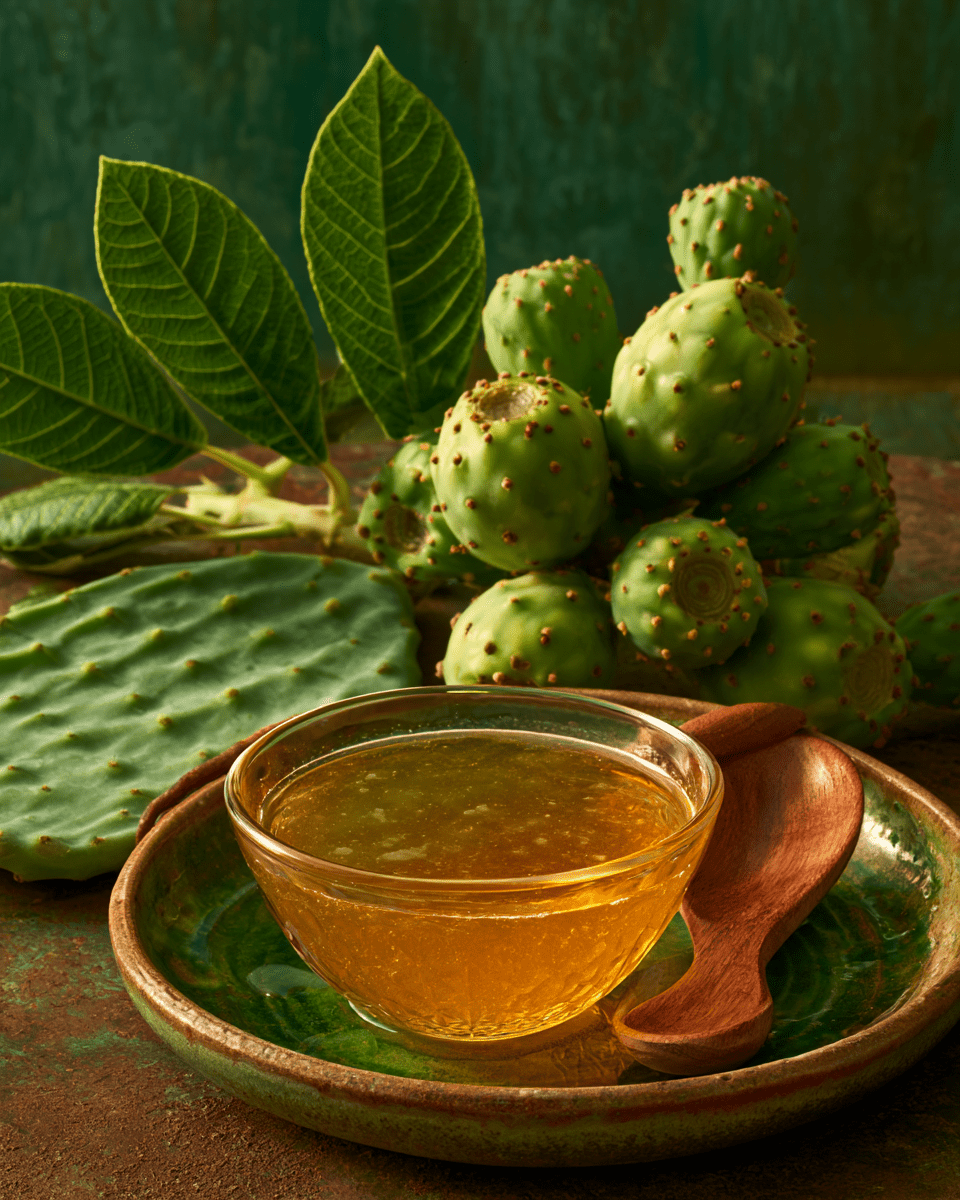
Is prickly pear oil effective on dry facial skin? Yes: its richness in essential fatty acids and vitamin E makes it one of the most beneficial oils for nourishing, soothing, and restoring comfort to tight-feeling skin. Here’s why it works and how best to use it.
Dry skin: what does it need?
Dry skin lacks lipids: its hydrolipidic film, which retains water and protects against aggressors, is insufficient. The result: tightness, discomfort, sometimes roughness or flakiness, and a more fragile skin barrier (see How to recognize dry skin?).
To help dry skin, it therefore needs a supply of quality lipids—exactly what a plant oil rich in essential fatty acids offers.
Why prickly pear is suitable
Prickly pear seed oil ticks all the boxes for dry skin:
- Linoleic acid (omega-6): it is part of the composition of ceramides and helps strengthen the skin barrier, which better retains water.
- Vitamin E: its antioxidant action helps protect dry skin, which is often more sensitive to external aggressions.
- Soothing sterols: they help calm feelings of discomfort (see Prickly pear seed oil: all its benefits for the skin).
Its dry texture might be surprising for dry skin, but it’s an asset: it penetrates well and can be easily layered with a richer cream if needed.
Benefits for dry skin
- Immediate comfort: it helps soothe tightness.
- Suppleness: the skin appears more supple and smoother.
- Radiance: dry skin is often dull; the oil helps revive luminosity (see Prickly pear oil and complexion radiance).
- Barrier support: by nourishing, it helps the skin better retain its water over time.
How to use it on dry facial skin
- In the evening, as the last step, a few drops massaged onto slightly damp skin.
- In the morning, a small amount under day cream and sunscreen, for a brightening effect (see Prickly pear oil: morning or evening?).
- As a "seal": on very dry skin, first apply a hydrating serum (hyaluronic acid), then seal with the oil to limit water evaporation (see Prickly pear oil vs hyaluronic acid).
Dry skin or dehydrated skin?
It is essential to distinguish between the two. Dry skin lacks lipids (a lasting condition, it’s a skin type); dehydrated skin lacks water (a temporary condition that affects all types). Dry skin can also be dehydrated. In this case, oil alone is not enough: water must also be supplied (see How to recognize dehydrated skin?).
Building a dry skin routine
A simple and effective routine: gentle cleansing, hydrating serum, prickly pear oil for nourishment, and possibly a rich cream over it in the evening. In the morning, don't forget sun protection. A night cream with ceramides can supplement the oil for the driest skin types.
A gentle cleanser starts the routine: for dry facial skin, a classic foaming gel removes the little available oil, and the problem worsens by the next day.
Then comes skin hydration, with a moisturizing cream applied to a still-damp surface, followed by the oil to seal it. These three treatments are sufficient; sensitive skin, in fact, does not tolerate adding more.
A gentle scrub is still possible once a week to remove dead cells, provided it doesn't scratch. You can do without it without losing anything.
Frequently asked questions
Is oil enough for very dry skin?
Often yes, but for very dry skin, it can be combined with a hydrating serum and/or a rich cream.
Can it be applied pure?
Yes, a few pure drops, on slightly damp skin.
Morning and evening?
Yes, this is one of the profiles where bi-daily use is most relevant.
Does it help with fine lines?
It helps reduce the appearance of dehydration lines, which are common on dry skin (see Prickly pear oil and wrinkles: what does research say?).
In summary
Yes, prickly pear oil is effective on dry facial skin: it nourishes, soothes tightness, revives radiance, and helps support the skin barrier. This is one of its most relevant uses.
Discover NOPAL LIFE Prickly Pear Seed Oil and the Vegetable Ceramide Night Cream for the driest skin types. Take your skin diagnosis for a routine adapted to your level of dryness.
This article is provided for informational purposes only and does not replace the advice of a healthcare professional.
Information provided for cosmetic and educational purposes; it does not constitute medical advice.


Go further than this article
Get our skincare guides by email — and start with your free skin diagnostic: 2 minutes, advice tailored to your skin. We ship to the US, UK, Canada, Australia and 27 European countries; somewhere else? Sign up and you will be the first to know when we deliver to your country.
By signing up, you agree to our privacy policy. Unsubscribe in one click.