Pomegranate extract: The complete Nopal Life guide
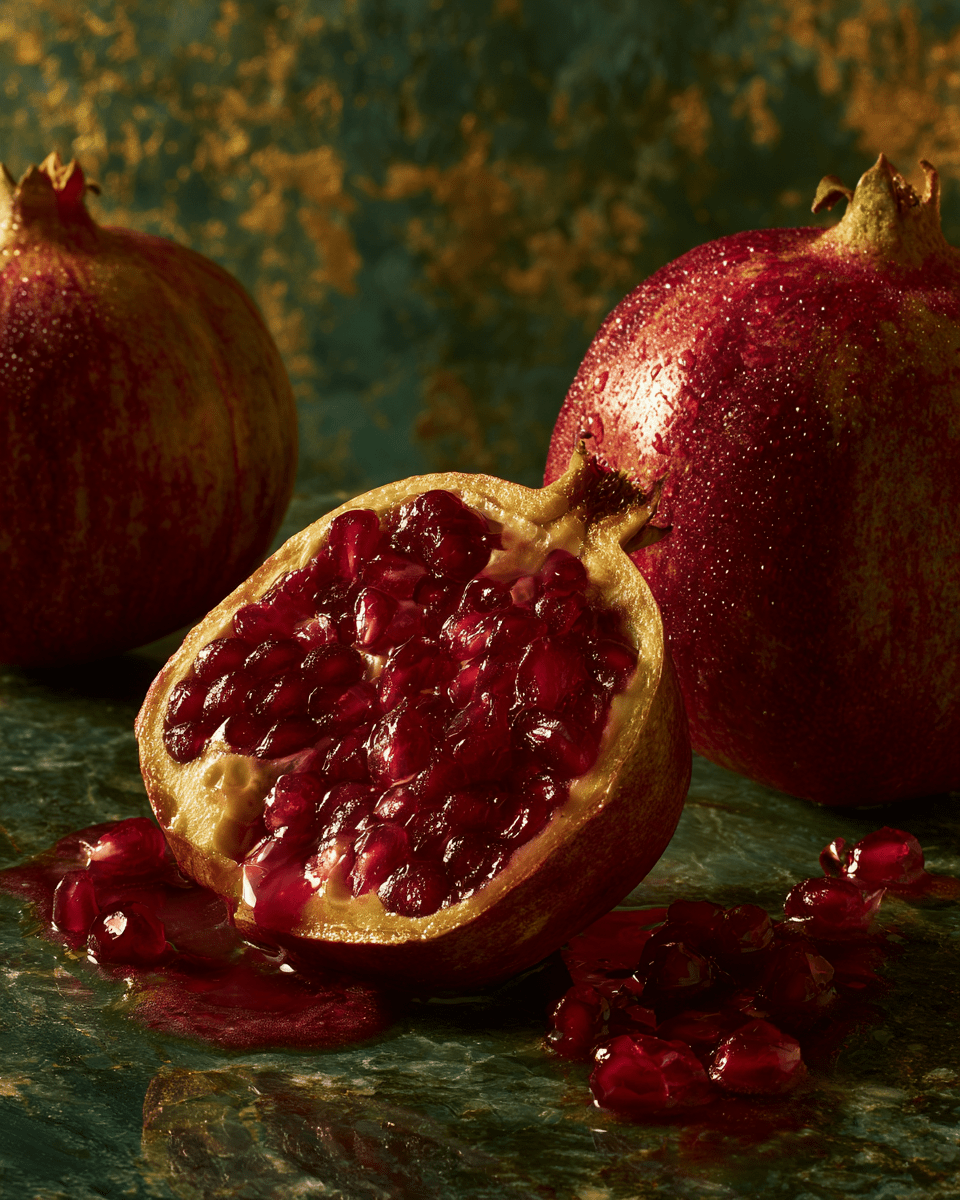
Pomegranates have fascinated civilizations for millennia. Today, modern cosmetics are rediscovering this exceptional fruit for what it contains: a remarkable concentration of polyphenols, punicic acid, and ellagitannins, molecules valued in natural cosmetics for their antioxidant richness against environmental stress. At Nopal Life, we have built our expertise around a founding principle: the most precious active ingredients are those that nature has taken millions of years to perfect. Pomegranate extract — just like our prickly pear seed oil from Opuntia ficus-indica — embodies this philosophy. It's not a trendy active ingredient. It's a botanical concentrate whose cosmetic qualities are increasingly highlighted in skincare formulations. In this comprehensive guide, you will discover what makes this extract so interesting for mature, dehydrated, or radiance-seeking skin. You will learn how to integrate it into a practical routine, identify common mistakes, and understand how it pairs with other natural active ingredients. Whether you are curious to understand your skin or ready to take action, this guide is designed to support you every step of the way.
Understanding Pomegranate Extract and Cutaneous Oxidative Stress
To understand why pomegranate extract is gaining increasing interest in cosmetics, we must first look at oxidative stress. Of all organs, the skin is the most directly exposed to external aggressions: UV rays, fine particulate pollution, tobacco, thermal variations. These factors generate what are known as reactive oxygen species (ROS) — unstable molecules that, in excess, can contribute to the appearance of signs of skin fatigue and weaken the skin's appearance.
Antioxidants are molecules known to help limit the impact of these reactive species. Pomegranate extract contains a particularly notable diversity of them. Ellagitannins, including punicalagin — a molecule specific to pomegranate — are among the most valued antioxidants in the plant world, supporting the skin against oxidative stress. Punicic acid, derived from the seeds, is a polyunsaturated fatty acid from the omega-5 family, found in significant concentrations in pomegranate seed oil, and its film-forming and nourishing properties are of interest to natural cosmetic formulators.
Punica granatum extract is traditionally valued in natural cosmetics for its richness in polyphenols, associated with skin comfort and suppleness. Its antioxidant richness makes it a valuable ally for supporting radiance and maintaining the appearance of firmer, plumper skin. As with any botanical active ingredient, scientific cosmetics communicate with caution: cosmetic qualities are assessed on the appearance and comfort of the skin, without constituting a promise of results.
At Nopal Life, we systematically combine this active ingredient with the active principles of Opuntia ficus-indica — notably its betalains and its richness in amino acids — to offer a complete plant synergy.
Pomegranate Extract According to Your Skin Type
One of the major assets of pomegranate extract lies in its versatility. Unlike some very targeted active ingredients, pomegranate polyphenols can suit several skin profiles, provided the formulation and routine are adapted.
Mature skin and loss of firmness. This is probably the profile for which pomegranate extract is most valued. Mature skin tends to appear less dense, has less effective surface hydration, and is more sensitive to oxidative stress. Pomegranate extract, combined with moisturizing and nourishing active ingredients such as prickly pear seed oil (rich in linoleic acid up to 60%), forms a particularly suitable synergy to help preserve the firm and plump appearance of the skin. To delve deeper into specific gestures for this skin type, our dedicated article on pomegranate extract for mature and dehydrated skin details a complete weekly protocol.
Dehydrated skin (lack of water, not oil). Skin dehydration is often exacerbated by oxidative factors, which weaken the appearance of the surface barrier. Pomegranate extract, through its supportive action against oxidative stress, can help preserve the comfort and smooth appearance of this barrier. It combines ideally with film-forming active ingredients and hyaluronic acid in a base serum. Our guide to skincare for dehydrated skin based on pomegranate extract offers a routine adapted season by season.
Combination skin with a dull tendency. Radiance — or its absence — is often linked to an accumulation of dead skin cells on the surface and a complexion that lacks vitality. The cosmetic properties of pomegranate extract, particularly its richness in natural vitamin C and polyphenols, can help unify the complexion's appearance and support visible luminosity. This synergy is particularly interesting when combined with gentle plant enzymes.
Sensitive or reactive skin. Although less directly targeted, sensitive skin can benefit from the soothing properties of pomegranate extract, provided the formulation is free of alcohol, synthetic fragrances, and aggressive preservatives. High concentrations of polyphenols can, in rare cases, cause a slight reaction in very reactive skin: a preliminary skin test is recommended.
Not sure what your skin profile is yet? Our Nopal Life Skin Intelligence™ diagnostic analyzes your skin according to 11 parameters and guides you to the most suitable routine for your actual profile — beyond generic categories.
Recommended Routine: The Nopal Life Pomegranate Extract Protocol
Integrating pomegranate extract into your routine does not require revolutionizing all your habits. It involves identifying the right times, textures, and complementary active ingredients to best leverage its cosmetic qualities.
Morning: Preparing the Skin for the Day's Aggressions
Morning is the strategic time for antioxidant active ingredients. After gentle cleansing, prioritize your pomegranate extract and vitamin C-based treatments: these active ingredients form a layer of comfort against diffuse UV radiation and urban pollution. Our Radiance & Spots Vitamin C Serum combines stabilized vitamin C with plant polyphenols — an ideal base before your day cream. Apply 3 to 4 drops on slightly damp skin, gently patting from the center of the face towards the temples. Allow to absorb for 60 seconds before applying your moisturizer.
Evening: Supporting the Skin During the Night
At night, the skin enters its resting phase — a privileged moment, mainly between 11 PM and 3 AM. This is the ideal time for dense and nourishing active ingredients. The Ginkgo Antioxidant Gel Booster combines ginkgo biloba extract — rich in flavonoids and terpenes — with a light gel base that blends pleasantly on the epidermis without overloading it. Used as a second step after the serum, it enriches the antioxidant density of the evening protocol.
Frequency and Precautions
For normal to combination skin: use the serum in the morning and the booster in the evening, 5 days a week. For mature or dehydrated skin: both steps can be applied morning and evening without excess. Avoid layering pomegranate extract with concentrated AHAs/BHAs on the same evening (risk of potential discomfort due to saturation). If in doubt about your active ingredient combination, our guide on active ingredient associations with pomegranate extract answers this question in detail.
Essential Complementary Natural Active Ingredients
Pomegranate extract is rarely used alone in a premium formulation. It is precisely in its associations that it reveals its full potential. Here are the natural active ingredients that pair best with it.
Prickly Pear Seed Oil — The Nopal Life Signature Active Ingredient
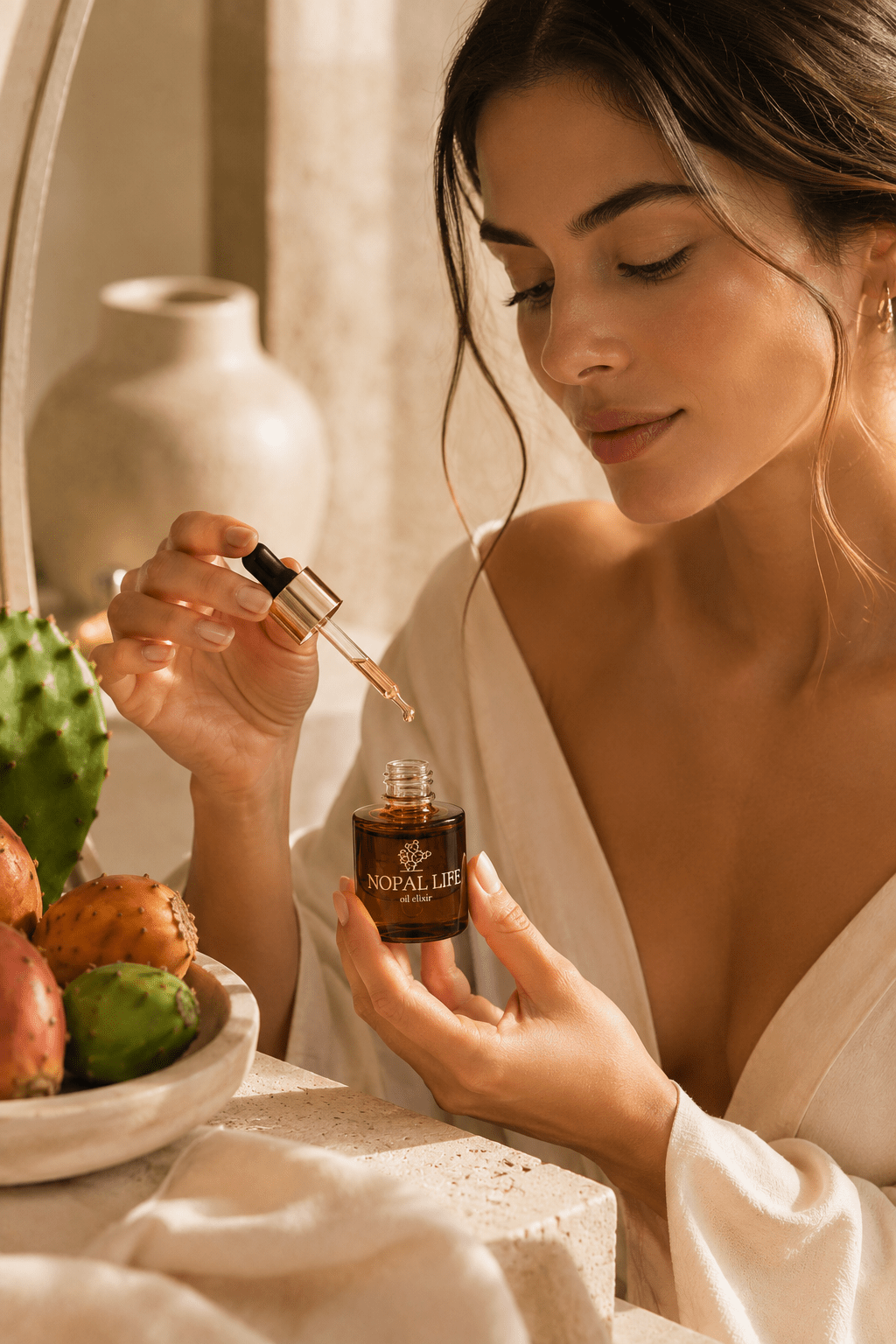
Derived from Opuntia ficus-indica, prickly pear seed oil is the central active ingredient of the entire Nopal Life range. Its composition is remarkable: 60% linoleic acid (omega-6), one of the highest vitamin E (tocopherol) contents in the plant kingdom, and phytosterols known for their affinity with the skin. Combined with pomegranate extract, it creates a complete antioxidant and lipid synergy: pomegranate polyphenols express themselves in the aqueous phase, while prickly pear seed oil nourishes and provides comfort to the lipid phase of the epidermis.
Stabilized Vitamin C
Vitamin C is the most valued water-soluble antioxidant in cosmetics. In its stabilized form (ascorbyl glucoside, 3-O-ethyl ascorbate), it better resists atmospheric oxidation and can help unify the skin's surface appearance. Combined with pomegranate extract, it supports the protocol's radiance and the skin's comfort against free radicals. This association is at the heart of our Vitamin C Serum.
Ginkgo Biloba Extract
One of the oldest trees on the planet, ginkgo biloba contains flavonoids (quercetin, kaempferol) and terpenes (ginkgolides, bilobalide) with well-appreciated cosmetic qualities. In combination with pomegranate, it supports complexion radiance and the skin's feeling of vitality. Our Ginkgo Gel Booster specifically leverages this synergy for a visible result on skin texture.
Hyaluronic Acid and Plant Peptides
For dehydrated skin, adding low molecular weight hyaluronic acid to an antioxidant active ingredient like pomegranate helps preserve lasting hydration while maintaining antioxidant comfort on the surface. Plant peptides derived from legumes or hydrolyzed rice complete this protocol by supporting the appearance of dense and toned skin.
Common Mistakes to Avoid with Pomegranate Extract
Pomegranate extract is an accessible and well-tolerated active ingredient, but certain usage errors can limit its cosmetic benefits or cause undesirable reactions.
Mistake 1 — Confusing food-grade pomegranate juice with cosmetic extract. Freshly pressed pomegranate juice does not have the same stability or active ingredient concentration as a standardized cosmetic extract. Professional formulations use titrated extracts (often in punicalagins or total polyphenols at defined concentrations), ensuring reproducible activity. Applying fruit juice directly to the skin carries risks of microbial contamination and active ingredient instability.
Mistake 2 — Applying an antioxidant active ingredient after UV exposure without sun protection. Antioxidants do not replace sun protection. They act as a complement: SPF physically or chemically blocks UV radiation, while antioxidants support the skin against free radicals that SPF cannot capture 100%. Applying your antioxidant serum without sunscreen in the morning significantly reduces the benefit of your preventive routine.
Mistake 3 — Layering too many antioxidant active ingredients without an application order. The general rule is: from lightest (aqueous serum) to richest (oil or cream). A polyphenolic serum should be applied before prickly pear seed oil, not after. Applying in the wrong order creates a lipid film that hinders the proper distribution of water-soluble active ingredients. Our guide on antioxidant skincare application strategies explains this order in detail.
Mistake 4 — Expecting immediate results. Antioxidant active ingredients show their benefits over time, not overnight. The first visible effects on radiance and complexion uniformity usually appear after a few weeks of regular use. Consistency is key to a successful cosmetic routine.
Mistake 5 — Ignoring sourcing quality. The quality of a pomegranate extract directly depends on the extraction method (hydroalcoholic, supercritical CO2), the botanical variety used, and adherence to the cold chain. A degraded or poorly preserved extract loses a large part of its polyphenolic richness. At Nopal Life, our extracts are selected from certified suppliers, with technical data sheets attesting to polyphenol content.
Frequently Asked Questions About Pomegranate Extract
Why is pomegranate so prized in cosmetics?
For its exceptional antioxidant richness: its punicalagins are among the most valued antioxidants in the plant world. A choice ally for supporting the skin against oxidative stress that marks the skin's appearance over time.
Pomegranate extract or pomegranate seed oil?
The extract (from the fruit) concentrates antioxidant polyphenols; the seed oil provides nourishing punicic acid. Two complementary uses of the same exceptional fruit.
Which skin types benefit most from it?
Mature skin and exposed skin (city, sun) benefit most: antioxidant comfort, radiance support, and support for a firm appearance.
Can it be combined with vitamin C?
Yes, an excellent antioxidant synergy: pomegranate polyphenols and vitamin C complement each other pleasantly for more complete and lasting comfort.
Does pomegranate help with spots?
Indirectly: by supporting the skin against oxidative stress, it contributes to complexion comfort. To reduce the visible appearance of established spots, it is combined with unifying active ingredients like niacinamide.
Morning or evening?
Morning is preferable: it's during the day that the skin faces UV and pollution, and when the antioxidant comfort of pomegranate is most useful. Always complemented with SPF.
RECOMMENDED TREATMENT
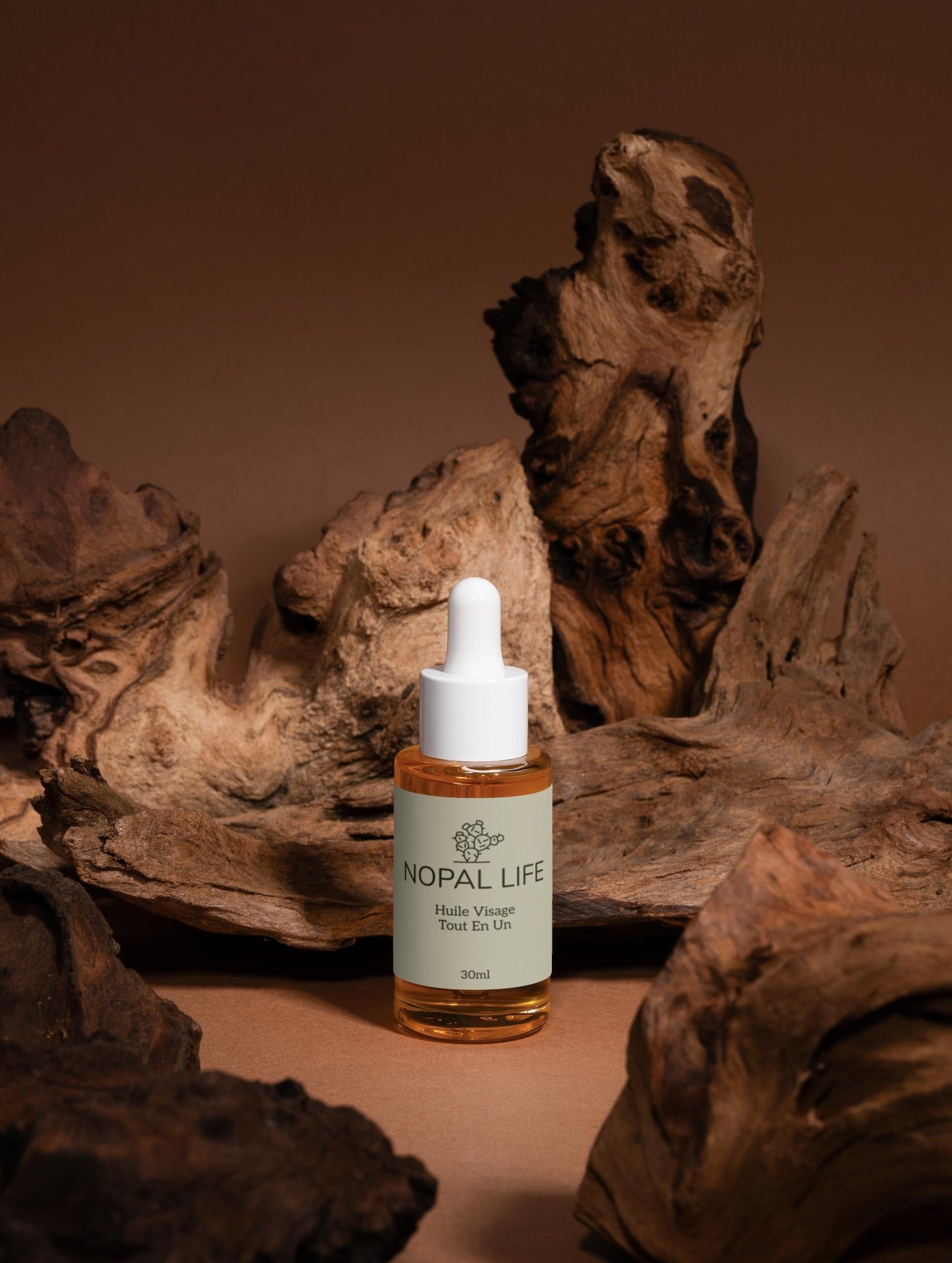
Pure prickly pear seed oil
Natural formula · Origin Algeria
DISCOVER THIS TREATMENT →PERSONALIZED ROUTINE
Nopal Life Skin Intelligence™
Free diagnostic · 2 minutes
DISCOVER MY ROUTINE → Pomegranate extract - NOPAL LIFE" style="width:88px;height:88px;object-fit:cover;border-radius:8px;flex-shrink:0;" loading="lazy">
Ingredient Reference
Pomegranate Extract
Antioxidant, radiance & vitality — the fruit for mature skin.
Discover the sheet →Read More
Information provided for cosmetic and educational purposes; it does not constitute medical advice.
Our anti-aging treatments