



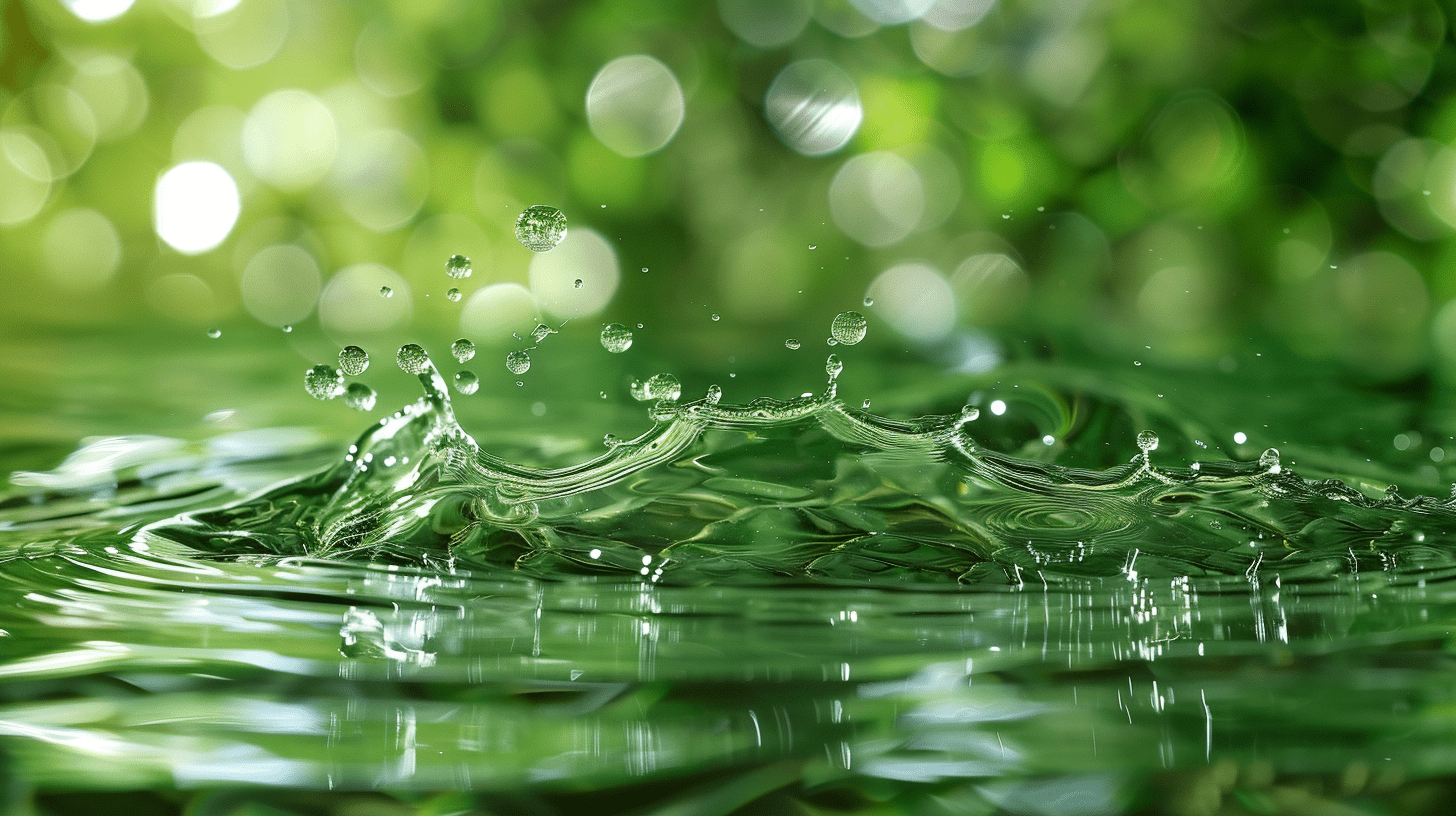
Natural 'glass skin' effect: aim for a bright and smooth complexion
The beauty of skin is first revealed by light. The "glass skin" effect — that impression of a complexion so smooth and luminous it appears translucent — is a dream, but it's not just a filter for screens. Through this Beauty Lab guide, NOPAL LIFE helps you understand what this Korean trend truly encompasses and how to naturally achieve a brighter, smoother, and visibly even complexion — with the precision and botanical nutrition we hold dear.
What is the "glass skin" effect?
The expression "glass skin," or peau de verre, refers to a complexion that appears smooth, hydrated, and luminous, reflecting light evenly, much like a frosted glass surface. This is not about oily, shiny skin, nor a plastic-like effect: on the contrary, the idea is of refined texture, of a light that comes from within, and of a calm surface, without demarcation or dull areas.
Specifically, this effect relies on three visible pillars. First, generous hydration, which plumps the skin and gives it that characteristic transparency. Second, a regular skin texture, where pores appear refined and the surface is softer to the touch. Finally, a uniform light, without marked contrast between raised and hollow areas.
It's important to remember one thing: the glass skin effect is an appearance that we help reveal, not a transformation of the skin's nature. Every skin has its own potential for radiance, and the realistic goal is not to look like a retouched photo, but to help your skin radiate its best light. This is precisely where well-chosen actions and active ingredients make a difference.