Radiant complexion: the 28-day protocol that shows results
You look at your reflection and no longer see the natural glow that once characterized you. Your skin appears gray, tired, as if veiled by an invisible layer—and makeup, instead of correcting, seems to sit on top without ever truly adhering. This is one of the primary skin concerns expressed, especially after age 35, and it affects all skin types, all complexions, and all seasons.
The good news is that a loss of radiance is almost always the result of four identifiable factors—and each of them can be addressed with simple cosmetic actions, provided you know which one is predominant for you. This guide provides a complete method: how to recognize, through three mirror tests, what dulls your complexion, which protocol to apply over a full skin cycle, which active ingredients to choose and at what dose, which plant oils to objectively compare, and the eight mistakes that silently negate all your efforts.
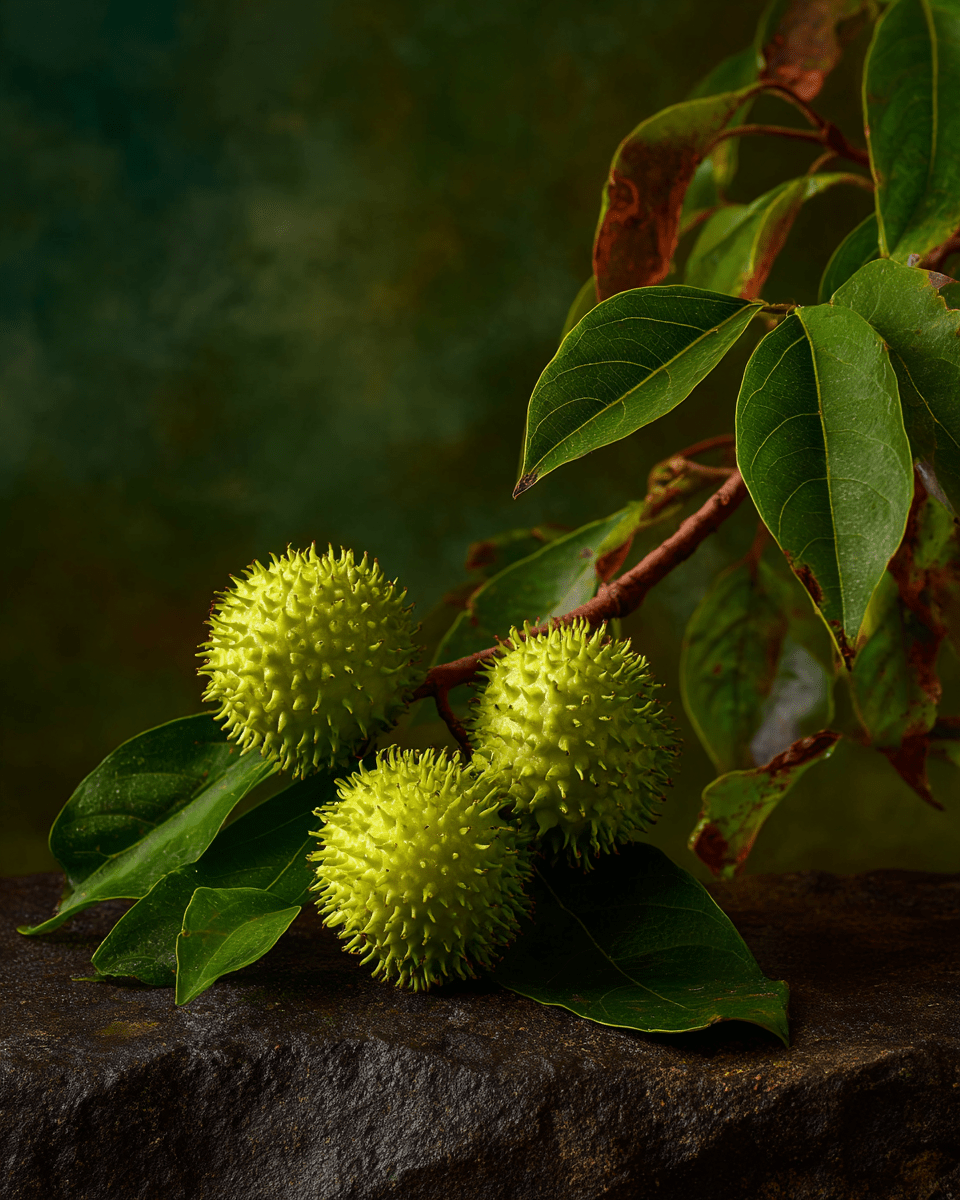
At Nopal Life, we have built our approach around an exceptional ingredient: the prickly pear (Opuntia ficus-indica), cultivated in the semi-arid regions of the Maghreb and valued for its richness in essential fatty acids and natural tocopherols. Combined with complementary active ingredients like stabilized vitamin C and ginkgo biloba extract, it forms the foundation of a coherent, progressive, and skin barrier-friendly routine. This has been our consistent approach: few product references, active ingredients chosen for their traceability, and verifiable benchmarks rather than mere promises.
Key takeaways
- Dull skin manifests across four parameters: surface regularity, color uniformity, hydration level, and vitality. The three mirror tests below will tell you which one is dominant for you.
- The relevant time benchmark is not a week but the skin cycle, typically around 28 days in young adults: this is the unit of measurement for our four-step protocol.
- Three doses to remember: 2% vitamin C in the morning, gentle exfoliation 1 to 3 nights per week maximum, 3 to 5 drops of prickly pear oil in the evening.
- Prickly pear seed oil stands out for its very rich profile in linoleic acid (around 60% of fatty acids) and its tocopherol content—two criteria you can verify before purchasing (see the 5-criteria grid).
- Sensitive topic: no cosmetic product erases a dark spot. We are talking here about the appearance of spots and the visible uniformity of the complexion, which is already a lot—and verifiable with photos.
Why a complexion loses its radiance: four parameters, not just one
Skin radiance is not an abstract or purely aesthetic concept. It's an optical phenomenon: your skin reflects light, and how it reflects it depends on its surface and color. Four concrete parameters govern this result, and topical care can support them daily. Knowing them means already knowing where to prioritize your actions.
1. Surface regularity
A smooth surface reflects light specularly—it "shines" uniformly. A surface cluttered with dead cells, micro-reliefs, and pronounced pore edges diffuses light in all directions: optically, this results in a matte, gray, flat appearance. When the skin's natural renewal process follows its usual rhythm—typically around 28 days in young adults, which lengthens with age—surface cells shed naturally, revealing skin that appears fresher and more regular. When this rhythm slows, the superficial layer thickens, and light no longer "bounces" off: this is the primary cause of dull skin, and the simplest to correct.
2. Color uniformity
A complexion can be perfectly smooth yet still appear dull, simply because its color is not homogeneous. The appearance of the complexion changes due to oxidative stress, exacerbated by UV rays, atmospheric pollution, smoking, a diet poor in antioxidants, or fatigue. Cumulative exposure to fine particles and solar radiation contributes to a less uniform complexion and the visible appearance of dark spots, which disrupt the surface's unity. The eye does not see "a spot"; it sees an overall less clear complexion. This point is detailed in our dedicated guide on uniform complexion.
3. Hydration level
Skin dehydration plays a central but often underestimated role. Skin with an altered hydrolipidic film—due to overly harsh cleansers, prolonged wind exposure, insufficient ambient humidity, or forced-air heating—loses comfort and appears less plump on the surface. Micro-reliefs, pore edges, and surface fine lines then become more visible, and the effect is immediate: the skin appears dull and wrinkled. This is also the parameter that responds most quickly, often within 48 to 72 hours.
4. Aspect of vitality
The last parameter is one we often forget because it doesn't depend on a bottle. Cold weather, a sedentary lifestyle, insufficient sleep, or prolonged stress give the grayish or slightly yellowish complexion characteristic of fatigue. A short night does not profoundly alter your skin, but it changes how it looks—and that's exactly what we're talking about when we discuss radiance. Lifestyle is not a peripheral detail: it is the fourth leverage, in its own right.
Understanding these four levers is essential, as they do not call for the same actions. Congested skin requires gentle, assisted renewal; dehydrated skin needs water and lipids; an uneven complexion needs antioxidants and rigorous sun protection. It is not a single product that makes a difference, but the order in which you address your dominant parameters. This is also what distinguishes a structured radiance routine from a collection of bottles.
Three mirror tests to find out what dulls your complexion
Before buying anything, spend five minutes with your mirror. These three tests, which can be performed at home without any equipment, allow you to prioritize instead of randomly layering products. Do them in the morning, on cleansed skin, without applying any product, in front of a window—and note the date; you will repeat them on day 28.
| Test | How to do it | Positive sign | Parameter involved | Priority action |
|---|---|---|---|---|
| Grazing light | Stand sideways to a window, with light hitting the side of your face. Observe your cheek 30 cm from the mirror. | The relief catches the light: micro-roughness, pronounced pore edges, "textured" appearance. | Surface regularity | Gentle exfoliation 1 night/week, gradually increase. |
| Flash photo | A front-facing photo, flash on, no filter. View it in black and white on your phone. | Darker areas appear on the cheekbones, forehead, or upper lip. | Color uniformity | 2% Vitamin C in the morning + SPF 30 minimum, every day. |
| Gentle pinch | Gently pinch your cheek between two fingers for 2 seconds, release, observe. | Fine lines appear and take a few seconds to fade; feeling of tightness. | Hydration | Non-foaming cleanser + 3 to 5 drops of oil in the evening, before any other changes. |
How to interpret the results. If only one test is positive, start with that and change nothing else for two weeks: this will help you identify what works. If all three are positive, the order to follow is always the same—hydration first, then surface, then color last. Treating color on dehydrated skin is like repainting a damp wall: unifying active ingredients are poorly tolerated, and discomfort negates the visual benefit. This path, in this order, is the shortest route to visible results.
The Nopal Life 28-day radiance protocol
An effective routine is not an accumulation of products; it is a sequence over time. We have aligned our protocol with a complete skin cycle—approximately 28 days—because this is the duration after which a surface modification becomes truly visible. Four stages, with only one new element introduced per stage, which allows for immediate identification of what works and what doesn't. No special equipment is needed: the five products mentioned fit into any well-structured routine, ours or another.
| Period | Morning | Evening | New element introduced | What you might observe |
|---|---|---|---|---|
|
Days 1 to 7 Reset |
Gentle cleansing (30 sec) + SPF 30. | Cleansing + 3 to 5 drops of prickly pear oil, warmed for 5 sec between palms. | The evening oil, alone. | Morning tightness receding within 48 to 72 hrs; makeup adheres better. |
|
Days 8 to 14 Antioxidants |
Cleansing + 2% Vitamin C serum (3 to 4 drops) + 60 sec pause + SPF 30. | Same as week 1. | Morning Vitamin C. | Complexion appears clearer by end of week; no redness expected at this dose. |
|
Days 15 to 21 Surface |
Same as week 2, + ginkgo booster gel in a thin layer before SPF. | 1 evening: gentle exfoliant (AHA or enzyme), 5 to 10 min. Other evenings: oil. | Exfoliation, only once. | Smoother surface to the touch the next morning. |
|
Days 22 to 28 Cruising speed |
Complete routine, unchanged. | Maximum 2 evenings of exfoliation during this first cycle, never consecutive; oil on other evenings. | One mask, once a week (10 min). | Compare your flash photo from day 1: that's where the difference is visible. |
The rule that makes this protocol clear: only one variable changes per week. This may not be dramatic, but it is the only way to know, by day 28, what worked for you. Take a flash photo on day 1, day 14, and day 28, in the same room, at the same time, without makeup. In black and white, the difference in uniformity is much clearer than in color.
The morning detail: protection and radiance
Step 1 — Gentle cleansing (30 seconds). A cleanser that respects the hydrolipidic film is sufficient. Avoid foaming, alcohol-based gels that strip the skin barrier: skin cleansed too aggressively loses comfort within an hour, and the complexion shows it before noon. Use lukewarm water, never hot.
Step 2 — 2% Vitamin C serum (3 to 4 drops). Apply to clean, slightly damp skin, gently patting from the center of the face outwards. Vitamin C helps to unify the appearance of the complexion and maintain the skin's radiant look. At 2%, the concentration remains comfortable without being irritating, making it suitable for almost all skin types, including reactive ones. Allow 60 seconds before the next step—this delay is not cosmetic; it prevents mixing textures and pilling.
Step 3 — Antioxidant booster gel. The ginkgo booster gel is applied in a thin layer over the serum. Its light texture is suitable for all skin types and absorbs quickly. Ginkgo biloba extract, rich in flavonoids and terpenes, is traditionally valued in radiance care to revive a healthy glow and support antioxidant defense against pollution. It can be used alone on rushed mornings, or layered over the serum when you have three minutes. This is the only product in the routine whose action is visible on the same day, without waiting.
Step 4 — Sun protection. Non-negotiable, and this is the point on which we never compromise. Without SPF, antioxidant active ingredients work against the tide: radiation precisely maintains the oxidative stress you are trying to limit. SPF 30 minimum, broad-spectrum, including in winter and behind a window. A routine without sun protection is not an incomplete routine: it is a cancelled routine. If you were to remember only one thing from this page, this would be it.
The evening detail: comfort and renewal
Step 1 — Makeup removal then cleansing. In the evening, the skin must not retain any makeup residue or urban particles. Double cleansing—oil-based first, then gentle cleanser—remains the most reliable method on makeup days. On makeup-free days, a single pass is largely sufficient.
Step 2 — Renewal active, 1 to 3 nights per week. Gradually introduce a gentle exfoliant, fruit acids or enzyme. Only one night in the first week you introduce it, two the following week, never two consecutive nights. Reactive skin types can stay at one night per week indefinitely: the ideal frequency is what your skin tolerates without redness the next day.
Step 3 – Prickly Pear Seed Oil or nourishing treatment. Three to five drops of prickly pear seed oil, warmed for five seconds between the palms then pressed – not rubbed – onto the face and neck. Rich in linoleic acid and natural tocopherols, it helps maintain the comfort of the skin barrier overnight, helps reduce feelings of tightness, and keeps the skin looking supple. For very dehydrated skin, apply it to still-damp skin: it will blend more smoothly and absorb more quickly.
Frequencies not to exceed
- 2% Vitamin C serum: every morning – or 5 days a week for reactive skin.
- Ginkgo gel booster: morning and/or evening, as needed.
- Gentle exfoliation: 1 to 3 evenings per week maximum, never two evenings in a row.
- Mask (white clay or moisturizing formula): once a week, for 10 minutes, never until completely dry.
- Prickly pear seed oil: 3 to 5 drops every evening, or at least on evenings without exfoliant.
Adapting the routine to your skin type
There is no universal glow routine. How a complexion becomes dull — and therefore how to restore its radiance — varies depending on skin type, age, hormonal history, and daily environment. Here are the five profiles we encounter most often, and the precise adjustments to be made to the above protocol.
Mature skin: slowed renewal
This profile accounts for the majority of requests. The combination of slower natural renewal, skin that appears less nourished, and a more fragile skin barrier creates a picture where dull complexion, the appearance of spots, and visible lack of firmness coexist. The priority is twofold: to support renewal gently, without aggressing an already stressed barrier, and to provide film-forming hydration that supports comfort and the skin's supple appearance.
Protocol adjustment: extend each phase to ten days instead of seven, and only introduce exfoliation on day 21. Increase the evening dose to the higher end of the range – 5 drops of oil rather than 3 – instead of adding an additional product. For mature skin, layering active ingredients is more often the cause of discomfort than its solution.
Combination skin: uneven radiance
Combination skin exhibits paradoxical luminosity: a shiny T-zone that reflects too much, dull cheeks that no longer reflect enough. The excess mid-facial shine creates a localized reflection that accentuates the dullness of the cheekbones by contrast. The answer is not to mattify everywhere, but to treat by zone.
Protocol adjustment: ginkgo gel booster over the entire face in the morning, oil reserved for the cheeks, temples, and jawline in the evening. Exfoliation concentrated on the mid-facial area two evenings a week, once on the cheeks. This lightens the central shine without drying out the periphery – it's this imbalance that makes combination skin look "tired."
Sensitive skin: radiance without irritation
Skin with a weakened barrier sees its light altered not by spots, but by diffuse redness and an irregular surface linked to persistent discomfort. Raw active ingredients – highly concentrated fruit acids, pure unbuffered vitamin C – often worsen the problem instead of solving it.
Protocol adjustment: vitamin C 5 days a week, exfoliation limited to one evening a week and never before day 21, oil applied to damp skin to reduce the sensation of warmth upon application. Our approach here favors enveloping antioxidants carried by a fatty vehicle rather than concentrated aqueous active ingredients: the vehicle is as important as the molecule.
Tired young skin: situational radiance
Stress, short nights, unbalanced diet, city living, and urban pollution: young skin can temporarily but very visibly lose its radiance. Here, there is nothing structural to correct. The answer is short and cosmetic: rehydrate, provide antioxidants, revive a healthy glow.
Protocol adjustment: you can condense the four phases into ten days. Add the three-minute massage described below, which provides the fastest visual result of the entire routine for this profile.
Skin prone to uneven tone
Some skin, especially after sun exposure or a specific hormonal period, shows areas of stronger color on the cheekbones, forehead, or upper lip. Let's be unambiguous: a cosmetic product does not make a spot disappear, and any promise to that effect should alert you. However, the combination of a regular antioxidant routine and strict sun protection helps to maintain the visible uniformity of the complexion over time.
Protocol adjustment: SPF is no longer a step, it is the step — applied in the morning and reapplied if you are outdoors for more than two hours. Vitamin C comes into its own for this profile. The subject is developed in detail in our even skin tone guide.
Hesitating between two profiles? The Nopal Life Skin Intelligence™ diagnostic is free: it analyzes your skin in a few minutes and offers a routine adapted to your real situation, not a theoretical archetype.
Compared glow active ingredients: dosage, timing, duration, tolerance
Cosmetic active ingredients are not all equal, and above all, they cannot be compared solely by their name. What matters is the effective concentration, the galenic form, the time of application, and compatibility with the rest of the routine. Here, in a single table, are the six active ingredients we consider to be the pillars of a complexion routine. The indicated dosages correspond to common usage ranges in cosmetics, not regulatory maximums.
| Active Ingredient | Usual cosmetic dose | Time | First visible effects (indicative) | Reactive skin | Do not layer on the same evening with |
|---|---|---|---|---|---|
| Prickly Pear Seed Oil | Pure, 3 to 5 drops | Evening | Comfort from 48 to 72 h | Very well tolerated | No known conflicts |
| Stabilized Vitamin C | 2% (up to 10-15% in concentrated formulas) | Morning | 2 to 4 weeks | Yes at 2%, caution beyond | Fruit acids, retinoids |
| Ginkgo biloba extract | Titrated extract, in light gel | Morning and/or evening | Immediate effect on healthy glow appearance | Yes | No known conflicts |
| Niacinamide | 2 to 5% | Morning or evening | 4 to 8 weeks | Yes, up to 5% | Low pH acids (on the same evening) |
| Fruit acids (AHA) | 5 to 10% for home use | Evening only | From the next morning on the surface | 1 evening/week maximum | Vitamin C, retinoids, mechanical exfoliation |
| Hyaluronic acid | 0.1 to 2% | Morning, on damp skin | Immediate, short-lasting without fatty vehicle on top | Yes | No known conflicts |
The indicated timeframes are orders of magnitude observed with regular cosmetic use; they vary depending on skin profile, season, and application consistency.
Prickly pear seed oil: what its composition says
Prickly pear seed oil is regularly cited among the most precious vegetable oils in natural cosmetics, and its composition explains this reputation better than any marketing argument. The analysis published by Ramadan and Mörsel in Food Chemistry (2003) describes a profile dominated by linoleic acid, around 60% of total fatty acids, accompanied by oleic acid and palmitic acid, as well as a significant unsaponifiable fraction with gamma-tocopherol as the major form of vitamin E and the presence of phytosterols.
What this means concretely: linoleic acid is an essential fatty acid that the body does not synthesize, and it is among the lipids constituting the intercellular cement of the stratum corneum. An oil rich in it is therefore, by nature, a comfort oil — which explains the dry, non-occlusive feel of prickly pear, very different from an oil rich in oleic acid. Tocopherols are lipid-soluble antioxidants valued for protecting the oil itself from oxidation and supporting the skin against external aggressions.
At Nopal Life, we work exclusively with first cold-pressed, non-deodorized oil, traced from the cultivation areas to the formulation. This choice has an assumed downside: non-deodorized oil retains a light herbaceous vegetal note and a straw-yellow to amber color. A perfectly odorless and colorless oil is not a purer oil — it is an oil that has been treated.
Stabilized Vitamin C: radiance and visible skin tone uniformity
Vitamin C is the most studied active ingredient for radiance in topical cosmetics. Used regularly, it helps reduce the visible appearance of color irregularities and maintains the firm, plump appearance of the skin. Its known drawback is its instability: L-ascorbic acid oxidizes in air and light, and a serum that turns a deep orange has lost some of its effectiveness. Our formulas compensate with a slow-release derivative form and opaque packaging. Usage tip: a vitamin C serum should be kept for three months after opening, not a year.
Ginkgo biloba extract: the healthy glow look
Ginkgo biloba has been used for millennia in traditional medicine. In topical cosmetics, its flavonoids and glycoside terpenes are valued in radiance treatments for reviving a healthy glow. It is the quintessential "natural foundation" active ingredient: its visual action is perceptible immediately, making it an excellent starting product when motivation needs a quick result.
Cactus betalains: little-known antioxidant pigments
Prickly pear also contains betalains – betanins and beta-xanthins – a group of rare antioxidant pigments in the plant kingdom, found mainly in the fruit and pads, and responsible for colors ranging from bright yellow to purple depending on the variety. Integrated into suitable oil-in-water formulas, they help preserve the overall luminous appearance of the complexion. A practical point rarely mentioned: these pigments are sensitive to heat and light, which requires opaque packaging and storage away from light.
Fruit acids: gentle renewal
Citric acid from citrus fruits, malic acid from apples, or lactic acid from fermentation are gentle chemical exfoliants that help release dead cells retained on the surface. At low concentrations (5 to 10%), they support the skin's natural renewal without discomfort and progressively reveal its freshness. They are the logical complement to antioxidants — provided they are never combined with them on the same evening.
Which vegetable oil to choose? An objective comparison
"Nourishing oil" means nothing until you look at the fatty acid profile. This determines the feel, absorption rate, and behavior on oily or combination skin. Here are the five most commonly used oils in complexion routines, compared against verifiable criteria.
| Vegetable oil | Linoleic acid (order of magnitude, % of fatty acids) | Feel after 5 min | Best suited for | Cautionary note |
|---|---|---|---|---|
| Prickly Pear Seed Oil | ~60% | Dry, non-film-forming | All skin types, including combination and reactive | High price – an unusually low price should raise suspicion |
| Rosehip | 40 to 50% | Dry, slightly colored | Mature skin | Oxidizes quickly: store in a cool place |
| Hemp | 50 to 60% | Dry, distinct odor | Combination skin | Vegetal odor not well appreciated on the face |
| Argan | 30 to 36% | Intermediate | Normal to dry skin | Check for "cold pressed" on the label |
| Jojoba | Low (liquid wax, not strictly an oil) | Light, very stable | Combination skin, mixed use | Low essential fatty acid content |
The key takeaway: the richer an oil is in linoleic acid, the drier its feel and the more suitable it is for skin that dislikes a greasy effect. This is precisely where prickly pear stands, and it explains why it can be used on combination skin without weighing down the T-zone.
Five verifiable criteria before buying prickly pear oil
It's one of the most adulterated oils on the market, because it's one of the most expensive to produce: it takes a considerable volume of fruit—around a ton—to obtain one liter of seed oil. Here's the checklist we use for sourcing, and that you can use when holding a bottle in your hand.
- Only one name on the INCI list. The mention should be Opuntia ficus-indica seed oil, alone. If it's third after sunflower or jojoba, you're mostly buying sunflower.
- "First cold pressed" and "unrefined." Both mentions, not just one. A deodorized oil has undergone heat treatment that depletes its aromatic fraction and weakens its tocopherols.
- A straw yellow to amber color and a discreet herbaceous, vegetal note. A perfectly transparent and odorless oil has been refined.
- An amber or opaque glass bottle, never transparent, never clear plastic: neither tocopherols nor pigments tolerate light.
- A price consistent with agricultural yield. A seed oil sold at the price of sunflower oil is not a good deal; it's a different product.
The at-home drop test. Place a drop on the back of your hand and wait five minutes without rubbing. An oil rich in linoleic acid leaves a dry, almost powdery finish, and doesn't mark paper if you press a sheet on it afterward. An oil diluted with a cheap fat remains shiny and leaves a clear halo. It's empirical, but it's instructive.
Our sourcing, explained
We don't buy oil on a wholesale market. We work with a deliberately small number of producers located in semi-arid areas where Opuntia ficus-indica grows without irrigation, and each batch arrives with its analysis report: fatty acid profile, peroxide value, pressing date. This last point is the most important and the least scrutinized—an oil rich in unsaturated fatty acids ages, and a batch pressed eighteen months ago no longer has the same quality as a three-month-old batch, regardless of the mentions on the packaging.
Three consequences follow, and you can verify them on our bottles as well as on those of any other brand. First: an explicit best-before date, not just a period-after-opening symbol. Second: tinted glass packaging, systematically. Third: small batch sizes, which has an acknowledged downside—a reference may be temporarily unavailable rather than reconstituted with an inferior quality oil. We prefer this choice, and we prefer to tell you about it.
A final word on the regulatory framework: throughout the European Union, a cosmetic product is defined by Regulation (EC) No 1223/2009, which strictly governs claims. This text explains why you will never read on our site that a product erases a spot or treats anything. This is not commercial caution: it is the regulation, and it is also, frankly, the truth about what a cosmetic does.
Radiance and urban life: the invisible parameter
Living in the city adds a real constraint that standard routines often ignore. Fine particles settle on the surface and adhere to the hydrolipidic film; they don't rinse off with clear water, and their accumulation at the end of the day contributes to that grayish appearance sometimes attributed to fatigue. Added to this are the dry air in transport and air-conditioned offices, and artificial light exposure that disrupts sleep rhythms.
Three simple steps are enough to correct the essentials, and none require buying an additional product. First, never skip evening cleansing: it's the step that removes what the day has deposited, and it's non-negotiable in an urban environment, even without makeup. Second, apply the antioxidant booster in the morning rather than in the evening: exposure occurs during the day. Third, don't confuse end-of-day shine with hydration—urban skin can be shiny on the surface and deeply dehydrated, which the pinch test reveals in two seconds.
Summary: your radiance routine in five decisions
- Identify the dominant parameter with the three mirror tests, and note the date. Five minutes, no spending required.
- Restore hydration first: 3 to 5 drops of prickly pear oil in the evening for seven days, without changing anything else.
- Add the morning antioxidant: 2% vitamin C, then SPF 30 minimum, every day of the year.
- Introduce renewal last: one evening per week starting from day 15, never two consecutive evenings.
- Measure on day 28: flash photo, in black and white, same room, same time. This is the only objective measurement you'll have, and it's better than all morning impressions.
The eight mistakes that dull a complexion without you realizing it
- Over-exfoliating. The number one mistake, by far. Three scrubs a week do not make skin brighter: they weaken the barrier, cause diffuse redness, and a dull appearance after fifteen days. The "soft skin" sensation right after is misleading.
- Skipping SPF nine months out of twelve. UVA radiation passes through windows and does not depend on the season or the sensation of warmth. Without protection, the antioxidant routine is purely wasted effort.
- Cleansing with hot water. It dissolves the hydrolipidic film much more effectively than any soap. Always use lukewarm water.
- Layering vitamin C and fruit acids on the same evening. You're not adding benefits, you're adding risks of discomfort. Separate them: antioxidants in the morning, renewal in the evening.
- Changing routines every two weeks. A complexion active takes two to four weeks to show any results. Changing before that means never measuring anything.
- Treating color before hydration. On dehydrated skin, unifying actives are poorly tolerated, and the visual result is zero. Order matters more than product choice.
- Sleeping with makeup on. An occasional night is not a disaster; the habit is—accumulation maintains surface congestion that is visible in glancing light.
- Expecting a cosmetic to make a spot disappear. This is not its role, it is not within its regulatory framework, and a brand that promises it will lead to disappointment. What you can aim for is a more even overall color.
The calendar of seasons: adjust without changing everything
A routine that never changes throughout the year is only half effective: ambient humidity, temperature, and sun exposure alter the skin's actual needs. Here are the four adjustments we recommend, all minor—it's not about buying a new routine every season.
| Season | Dominant constraint | Adjustment | Exfoliation |
|---|---|---|---|
| Winter | Dry air, heating, temperature fluctuations | Switch to 5 drops of oil in the evening; add a morning application to dry areas | 1 evening/week |
| Spring | Return of radiation, winter-marked complexion | Resume the 28-day protocol from the beginning; daily SPF reinstated | 2 evenings/week |
| Summer | High exposure, perspiration | Lighten evening routine (3 drops); SPF reapplied every 2 hours outdoors | 1 evening/week, never after exposure |
| Autumn | Congested surface after summer | The best window of the year for a full 28-day protocol | 2 to 3 evenings/week |
What doesn't come from a bottle
The three-minute massage, timed
This is the gesture with the best effort-to-result ratio in the entire routine, and it costs nothing. Do it in the morning, on clean skin, with the serum or oil still on the surface to ensure glide. Three minutes, with a phone timer—the temptation to shorten it is real.
- 0:00 to 0:45 — the forehead. Fists closed, knuckles flat, slow movements from the center to the temples, five passes per line, from the top of the eyebrows to the hairline.
- 0:45 to 1:30 — the cheekbones. Three fingers flat, oblique upward movements from the wing of the nose to the ear, without stretching the skin, ten passes on each side.
- 1:30 to 2:15 — the jawline. Gentle pinches between thumb and forefinger, from the chin to the earlobe, two back-and-forth movements.
- 2:15 to 3:00 — the neck and nape. Palms flat, slow downward movements, ten on each side. A systematically forgotten area, yet the first to betray fatigue.
The visual result is immediate, and the healthy glow effect lasts a few hours. Practiced every morning, it's also the best way to make a routine sustainable in the long term: three minutes of conscious action are worth more than an extra bottle.
Sleep, hydration, nutrition
We won't make promises outside the cosmetic field, but three observations are practically self-evident. A short night is visible on the complexion the very next morning, and no skincare product can fully compensate for chronic sleep debt. Sufficient hydration throughout the day supports skin comfort better than drinking a liter all at once in the evening. Finally, a diet regularly supplied with colorful fruits and vegetables provides antioxidants that topical application complements but does not replace. These are slow levers, but they are the only ones that work while you sleep.
Frequently Asked Questions
Why is my complexion dull despite a healthy lifestyle?
In most cases, it's due to surface congestion: retained dead cells diffuse light instead of reflecting it. The glancing light test described above confirms this in ten seconds. Gentle exfoliation once a week in the evening combined with an antioxidant in the morning is usually enough to change the appearance in two to four weeks.
Which active ingredient should I choose first if I can only pick one?
Prickly pear oil, 3 to 5 drops in the evening. Not because it's our signature, but because hydration is the parameter that responds fastest (48 to 72 hours) and it conditions the tolerance of all subsequent active ingredients you add. Stabilized 2% vitamin C in the morning comes second, with visible effects on complexion evenness in 2 to 4 weeks.
How long does it take to see a brighter complexion?
Comfort returns in 48 to 72 hours, the surface regularizes in one to two weeks, and color evenness requires a complete skin cycle, which is about 28 days. This is exactly the timeline of the protocol presented above. Compare your flash photos from day 1 and day 28: that's the only honest measure.
Can I use vitamin C and an exfoliant on the same evening?
No, and this is not a precautionary principle. Combining them increases the risk of discomfort without additional benefit. The simple rule: antioxidants in the morning (vitamin C, ginkgo), renewal in the evening (fruit acids), and never two consecutive evenings of exfoliation.
Can an oil be suitable for combination skin?
Yes, provided you look at its fatty acid profile. An oil rich in linoleic acid like prickly pear (~60%) leaves a dry finish in five minutes and doesn't weigh down the T-zone. For combination skin, reserve it for the cheeks, temples, and jawline, and leave the T-zone for a light gel.
Can a treatment make my spots disappear?
No. No cosmetic product makes a spot disappear, and a brand that claims it is operating outside the regulatory framework for cosmetics. What a regular antioxidant routine combined with a daily SPF 30 can aim for is to preserve the visible uniformity of the complexion over time and reduce the appearance of color irregularities. For any pigmented lesion that evolves, changes shape or color, professional medical advice is necessary.
Does facial massage really make a difference?
For immediate appearance, yes: three minutes of morning massage visibly revives a healthy glow for a few hours. In the long term, its main merit is the regularity it establishes. It's the simplest gesture on the list and the one least abandoned.
What habits dull the complexion without you realizing it?
Four consistently recur: hot water during cleansing, over-exfoliation, forgetting SPF outside the summer season, and changing routines every two weeks. Correcting these four habits, without buying anything new, already produces a visible difference over a 28-day cycle.
RECOMMENDED TREATMENT
Pure Prickly Pear Seed Oil
First Cold Press · Origin Algeria
DISCOVER THIS TREATMENT →PERSONALIZED ROUTINE
Nopal Life Skin Intelligence™
Start my free diagnostic · 2 minutes
START MY DIAGNOSIS →Read more
Sources
Ramadan M.F., Mörsel J.-T., "Oil cactus pear (Opuntia ficus-indica L.)", Food Chemistry, vol. 82 n° 3, 2003 — fatty acid and tocopherol profile of seed oil.
Regulation (EC) No 1223/2009 of the European Parliament and of the Council on cosmetic products — framework for cosmetic claims and distinction from the scope of medicine.
ANSES, work and opinions relating to exposure to ultraviolet radiation — recommendations for sun protection.
Information provided for cosmetic and educational purposes; it does not constitute medical advice.
The "Protocols" series
Dated programs, to be followed from the first to the last day. Each aims for a precise objective and is judged at its end.
- Spots and facial hyperpigmentation
- Facial contour: smoothed wrinkles and firmness
- Anti-aging eye contour: the 21-day protocol
- Post-exposure routine: Nopal Life complete guide
- Night face routine: the repairing ritual
- Loss of radiance: the luminous protocol for sensitive skin
- Skin density: smoothed wrinkles and firmness
- Radiance & unified complexion: the 56-day protocol


Go further than this article
Get our skincare guides by email — and start with your free skin diagnostic: 2 minutes, advice tailored to your skin. We ship to the US, UK, Canada, Australia and 27 European countries; somewhere else? Sign up and you will be the first to know when we deliver to your country.
By signing up, you agree to our privacy policy. Unsubscribe in one click.