Organic face cream: what it's for and how to choose
Cream is undoubtedly the most universal skincare product in any routine – one that everyone owns, but few use to its full potential. Too rich for some, not nourishing enough for others: it's all about texture and application. Through this Beauty Lab guide, NOPAL LIFE helps you understand what a face cream is really for, which skin type it's designed for, and how to use it daily, with the precision and touch of botanical nutrition that are so dear to us.
What is a face cream really for?
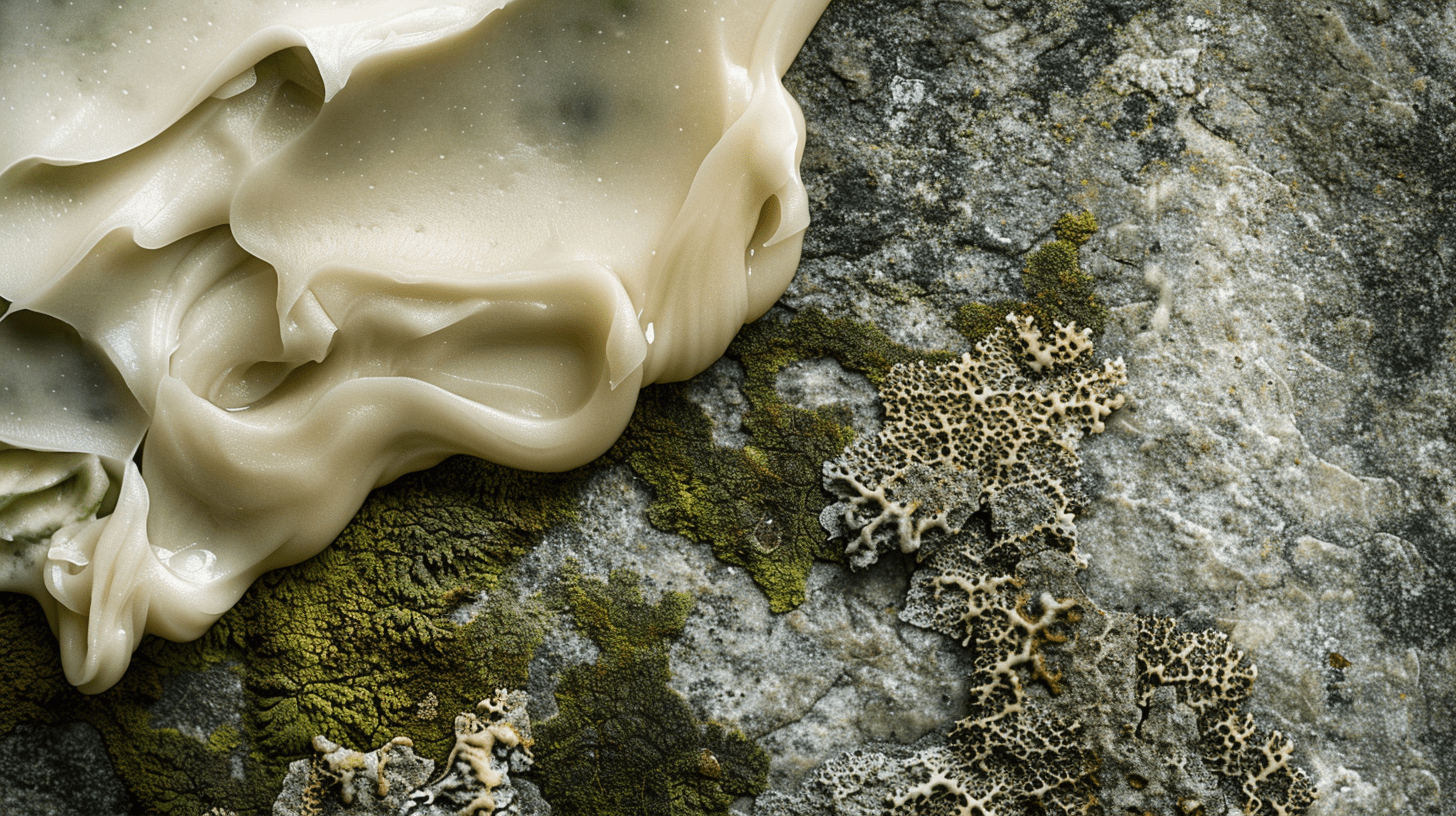
Cream is an emulsion product: a balanced mixture of water and fatty substances, bound by agents that give it its creamy texture. This dual nature is its strength. Where a concentrated serum delivers active ingredients and an oil nourishes, cream provides water and seals it in in one gesture, forming a comforting layer on the skin's surface.
Its primary role is therefore one of balance and protection. It hydrates the superficial layers, helps the skin retain water, and limits evaporation thanks to its fatty phase. It also helps protect the skin from external aggressors – cold, wind, pollution – which can lead to dullness and discomfort. This versatility explains why cream remains the go-to daily treatment for most skin types.
It's also the most adaptable texture: depending on the proportion of water and fatty substances, a cream can be light and fresh, or rich and enveloping. A fluid day cream doesn't play the same role as a nourishing night cream, and that's a good thing. This versatility makes it the final step in a skincare sequence, establishing comfort.
From a sensory perspective, it's the most reassuring galenic form: cream is effortlessly dispensed, spreads evenly, and leaves, depending on its formula, a silky, velvety, or satin finish. This ease of application transforms skincare into an enjoyable ritual, which then becomes a lasting habit – and it's consistency, much more than richness alone, that establishes comfort.
Who is face cream designed for?
Cream is suitable for all skin types – it's even the most universally accepted galenic form. The art lies in choosing the right richness for your skin profile.
Dry skin, which lacks fatty substances, benefits from rich and nourishing creams, sometimes enriched with plant butters or oils, which provide suppleness and lasting comfort. Normal skin opts for balanced textures, neither too light nor too rich. Combination to oily skin prefers fluid, non-occlusive creams that hydrate without leaving a film. Dehydrated skin, regardless of type, seeks creams rich in humectant agents like glycerin or hyaluronic acid. As for mature skin, it favors comfortable textures that help the skin appear more supple and plump.
The same profile may even need two different rich textures depending on the season: a fluid cream in summer, when the skin craves lightness, and a more enveloping texture in winter, when cold and heating put comfort to the test. It's better to think in terms of current needs than to seek the perfect, unique cream.
If you're unsure about the right richness for you, the Nopal Life Skin Intelligence™ diagnostic guides you in two minutes to the most suitable texture. This step helps you avoid creams that are too heavy or too light, and takes into account your skin's seasonal variations.
How to properly apply your face cream
A well-chosen cream can disappoint if applied incorrectly – too much, not enough, or at the wrong time. Here's the technique that helps cream deliver its full potential for comfort.
The right amount: a pea-sized amount. For the face, a small pea-sized amount is enough. To include the neck, add a little more. Too much cream doesn't provide more nourishment: the excess remains on the surface and can create a film-like sensation or interfere with makeup application.
The right time: after serum, at the end of your routine. Cream comes after watery textures and serum, from thinnest to richest. It thus seals in the treatments applied before it. For very dry skin, a vegetable oil can still be applied on top as a final touch.
The right technique: with gentle, upward movements. Distribute the cream at several points on your face, then spread with gentle movements, from the center outwards and from bottom to top. Gently massage, without pulling the skin, to promote comfort and even distribution. This short massage of a few seconds also contributes to a more rested complexion.
On slightly damp skin. Applying cream to skin that is still a little damp after cleansing or serum helps to better retain water and enhances the feeling of comfort.
Morning and evening, with adjustment. A lighter texture in the morning under sunscreen, richer in the evening for nighttime comfort: cream adjusts to the rhythm of the day and the seasons.
Don't forget the eye contour and neck. The neck and décolleté are often neglected, even though their thinner skin quickly shows discomfort: extend the application downwards with upward movements. Around the eyes, be delicate and avoid applying cream too close to the lash line.
Skin diagnostic · free
Curious to know which cream richness your skin prefers?
Take my 2-min diagnostic →
Cream, serum, and oil: how to combine them
Cream never works alone. When thoughtfully chosen, it is part of a sequence where each texture has its role: serum targets and concentrates, cream balances and seals, oil nourishes as a final touch. It is this layering, from thinnest to richest, that establishes lasting comfort. Reversing the order – cream before serum – reduces the perceived effectiveness of each product, as the most occlusive textures hinder the penetration of thinner ones.
For dry or mature skin, adding a few drops of cold-pressed prickly pear seed oil over the cream enhances the comfort layer. Naturally concentrated in antioxidant vitamin E and essential fatty acids, this oil helps limit water evaporation and leaves the skin visibly softer and more supple. For combination to oily skin, cream alone is often sufficient.
To explore textures designed for every need, the Creams & Face Care collection and all natural face care products from NOPAL LIFE offer formulas chosen for their sensoriality.
If your skin shows persistent redness, pronounced itching, or discomfort that persists despite a suitable routine, it is best to seek advice from a healthcare professional. For further information, the NOPAL LIFE Skin Guide gathers our texture-by-texture advice.
Frequently asked questions
Q: What is the difference between a cream and a serum?
A: Serum is a concentrated, fluid treatment that targets a specific need and penetrates quickly. Cream is an emulsion of water and fatty substances that balances and seals comfort on the surface. The two complement each other: serum first, then cream.
Q: How much cream should I apply?
A: A small pea-sized amount is enough for the face. To include the neck, add a little more. Excess does not provide more nourishment: it remains on the surface and can create a film-like sensation or interfere with makeup application.
Q: Do I need a different cream for morning and evening?
A: Not necessarily, but it's often more comfortable. A lighter texture in the morning, under sunscreen, and a richer cream in the evening for nighttime comfort suits many skin types. Adjust according to the season and skin type.
Q: Do oily skin types need cream?
A: Yes. Even oily skin needs hydration: choose a fluid, non-occlusive cream that provides water without leaving a film. Skipping cream can actually accentuate discomfort.
Q: Does cream go on before or after oil?
A: Before. You go from thinnest to richest: cream first, then oil as a final touch for dry skin. Oil, being more occlusive, seals the cream and enhances comfort.
Q: Is cream enough as a sole moisturizing treatment?
A: Often yes, for normal to combination skin. Cream provides both water and a fatty phase that seals it in. However, dry, dehydrated, or mature skin types benefit from combining it with a serum or oil.
Q: Does the online diagnostic replace a dermatologist's advice?
A: No. The Skin Intelligence™ diagnostic is a cosmetic guidance tool to help choose a suitable routine. In case of persistent redness, itching, or established discomfort, consult a healthcare professional.
RECOMMENDED TREATMENT
Cold-pressed prickly pear seed oil · Organic
DISCOVER THIS TREATMENT →
PERSONALIZED ROUTINE
Nopal Life Skin Intelligence™ · Free Diagnostic · 2 minutes
DISCOVER MY ROUTINE →
Face cream is the ultimate balancing treatment: it provides water, seals it in, and establishes comfort in a single gesture. The art lies in choosing the right richness, dispensing a pea-sized amount, and applying it with gentle movements on slightly damp skin. And to precisely match the texture to your needs, the Skin Intelligence™ diagnostic transforms observation into a customized routine.
Read more
Information provided for cosmetic and educational purposes; it does not constitute medical advice.
The "Every texture has its use" series
Gel, balm, oil, cream, mist: these textures are not interchangeable. This series explains what each one is for and when to choose it.


Go further than this article
Get our skincare guides by email — and start with your free skin diagnostic: 2 minutes, advice tailored to your skin. We ship to the US, UK, Canada, Australia and 27 European countries; somewhere else? Sign up and you will be the first to know when we deliver to your country.
By signing up, you agree to our privacy policy. Unsubscribe in one click.