Inflammaging in Mature Skin: Preserving Collagen
What is inflammaging and why does it mark the skin after 40?
Inflammaging—a portmanteau of inflammation and aging—describes a state of low-grade skin fragility that gradually develops with age. Unlike a temporary reaction (redness after sun exposure, discomfort) that fades in a few days, inflammaging is subtle and persistent, and it can affect the skin's appearance and comfort without visible redness. The term is now widely used to describe premature skin aging and its accompanying factors.
Over time, mature skin tends to lose its apparent firmness and density. The support matrix that contributes to the skin's firm and plump appearance becomes less visible, leading to the appearance of fine lines, a less defined contour, and a perceived loss of density. Several daily factors—pollution, sun, stress, fatigue—accentuate these signs and maintain a cycle of discomfort. This context explains, outwardly, the appearance of fine lines, sagging contours, and the loss of density observed in mature skin.
Mature and dehydrated skin is particularly affected: a weakened skin barrier is more susceptible to pollutants and UV rays, which amplifies visible oxidative stress and maintains signs of discomfort. The result is dull, thin-looking skin, marked by fine lines and lacking apparent firmness—the typical signs of advanced inflammaging.
The key role of polyphenols in visibly soothing the skin
When it comes to inflammaging, plant-derived polyphenols are one of the best-known families of active ingredients in cosmetics. These molecules with antioxidant properties help protect the skin from external aggressions and contribute to preserving its firm and radiant appearance over time.
Flavonoids (quercetin, luteolin, apigenin) are recognized for their antioxidant profile. Phenolic acids like rosmarinic acid (found in rosemary) provide a soothing action appreciated by reactive skin. Condensed tannins, meanwhile, help limit the appearance of oxidative stress-related damage and contribute to skin comfort.
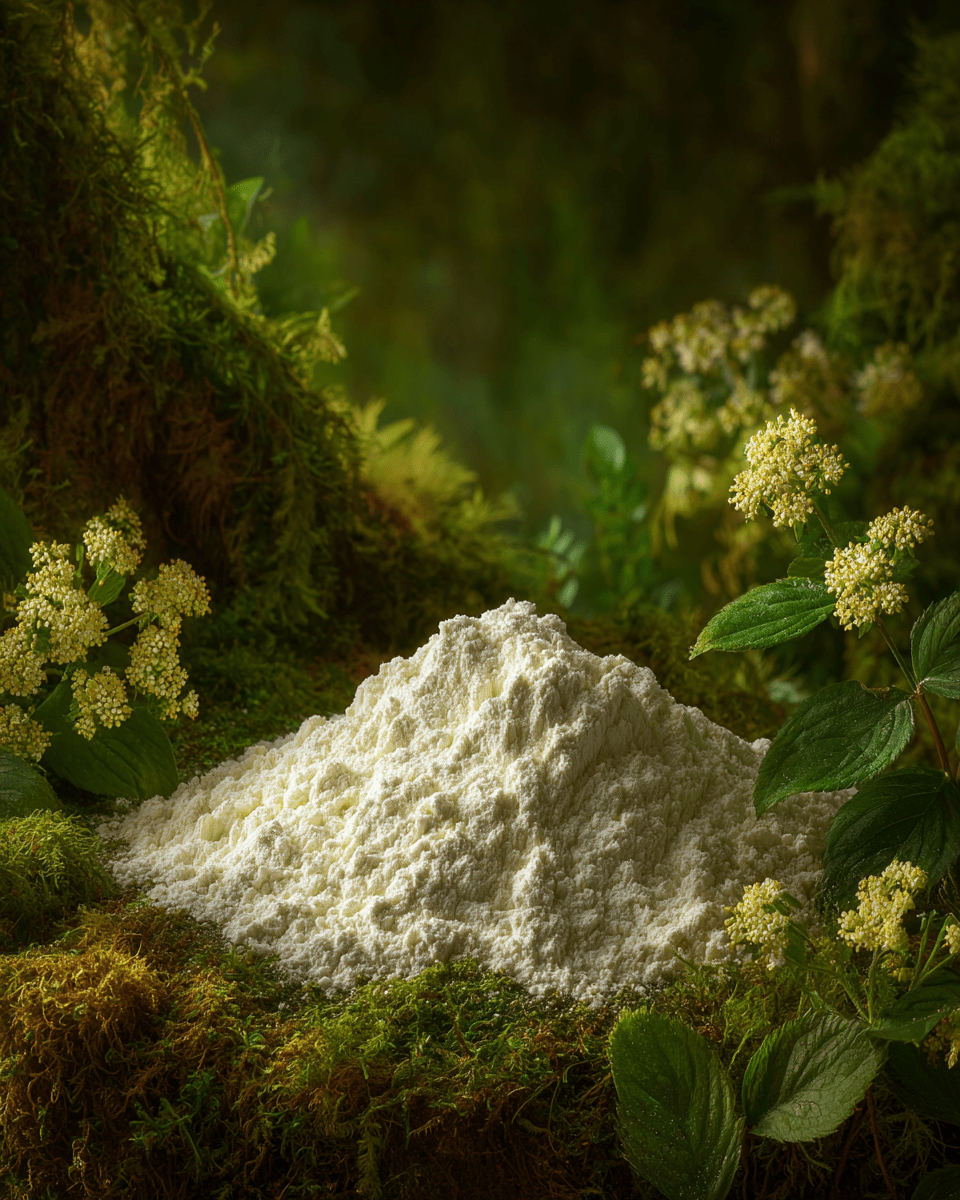
The strength of polyphenols lies in their synergy: combined in a botanical complex, they act on several points to help soothe and preserve skin radiance. This is precisely the principle behind the formulation of the Nopal Life botanical powder mask, which concentrates several families of polyphenols from carefully selected plants for their documented phytochemical profile.
Conclusion
Inflammaging, a subtle age-related fragility, can affect the firm appearance of mature skin. By helping to preserve it with soothing and antioxidant active ingredients, visible firmness and radiance are supported. Soothing the skin helps reduce these signs daily. A well-conducted anti-inflammaging routine supports apparent skin suppleness and freshness.
Nopal Life botanical powder mask: soothing active ingredients and application protocol
The Nopal Life botanical powder mask relies on a synergy of soothing active ingredients, with prickly pear powder as its cornerstone. Here are the main active ingredients and their benefits:
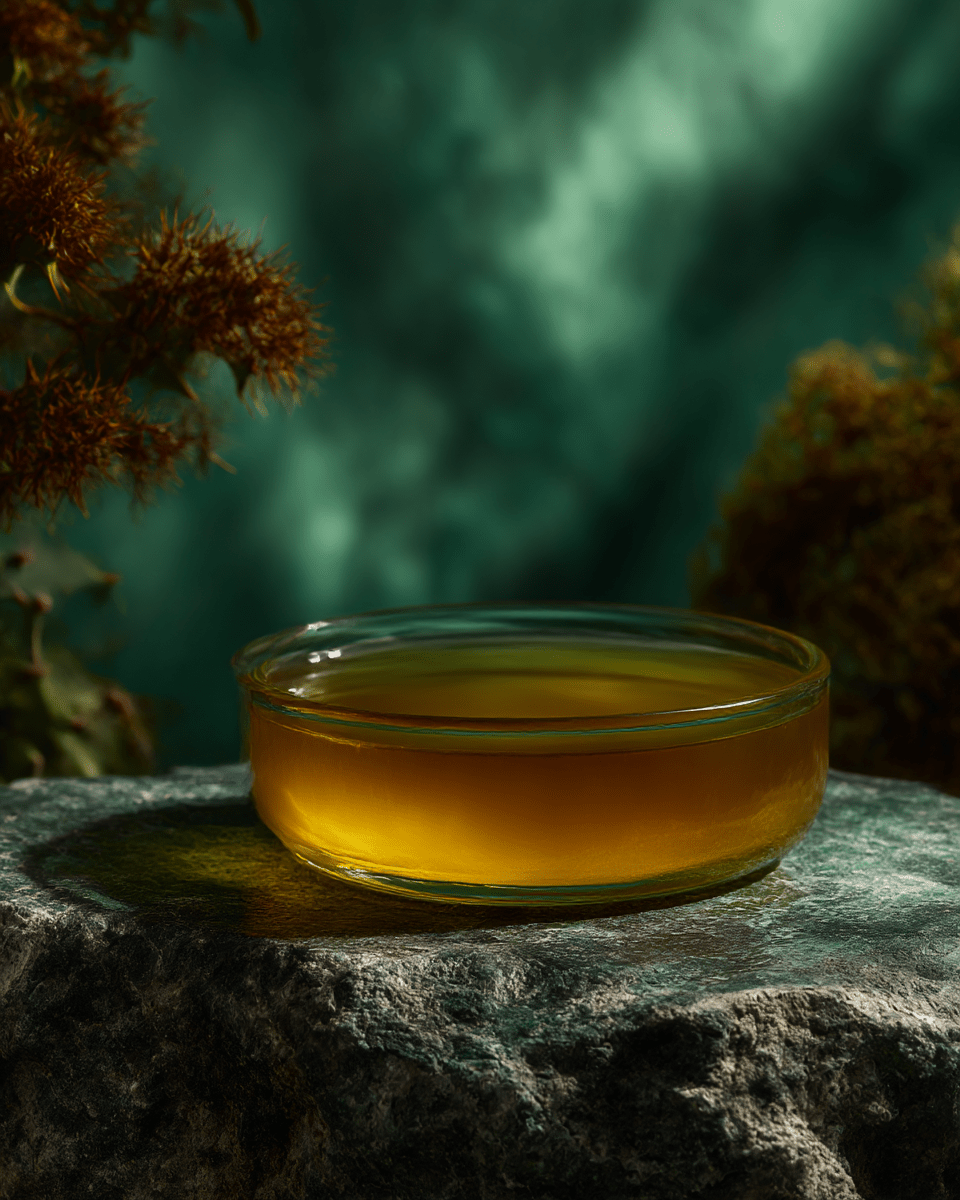
Prickly pear powder (Opuntia ficus-indica) — Rich in betalains (betacyanins and betaxanthins), quercetin, and betulinic acid, nopal powder is valued for its remarkable antioxidant profile, which helps protect the skin from external aggressions. It contributes to preserving the skin's firm and plump appearance and maintaining its radiance. Prickly pear oil, used as a complementary treatment, provides an exceptional concentration of linoleic acid (omega-6) and vitamin E, which help strengthen the comfort of the skin barrier and limit the impact of external aggressions.
White kaolin clay — Helps absorb excess sebum and atmospheric pollutants deposited on the surface, and contributes to mattifying the appearance of shiny areas. It helps maintain skin balance, which is conducive to skin comfort.
Turmeric powder (Curcuma longa) — Curcumin, the emblematic polyphenol of turmeric, is one of the most appreciated antioxidant active ingredients in botanical cosmetics. It provides a soothing action and helps maintain the radiance and apparent uniformity of the complexion.
Rose powder (Rosa damascena) — Rose gallotannins and ellagic acid provide comfort and softness, and help preserve the skin's firm and supple appearance. They also contribute to complexion radiance.
This active ingredient protocol thus aims simultaneously to soothe the skin, help preserve its firm and plump appearance, and maintain its radiance—the three pillars of a skin anti-inflammaging routine.
How to use the mask to maximize its soothing effect
To obtain optimal results on the signs of inflammaging—fine lines and apparent firmness, loss of density, dull complexion—the application technique strongly conditions the performance of the active ingredients.
Recommended frequency: 2 to 3 applications per week for mature skin prone to established signs of discomfort. Daily use is not recommended because clays have a slightly drying action that could weaken an already sensitized skin barrier.
Preparation: Mix one teaspoon of powder with enough floral water (rose, lavender, or aloe vera hydrosol) to obtain a homogeneous paste, neither too liquid nor too thick. Rose hydrosol is particularly suitable because it contains terpenes (geraniol, citronellol) with complementary soothing properties.
Application: Apply to clean, slightly damp skin, avoiding the eye contour. The layer should be uniform, about 2 mm thick, to maintain moisture. Leave on for 10 to 15 minutes—never until completely dry, which would cause a counterproductive mechanical tightening effect on mature skin.
Rinsing and post-mask care: Rinse with lukewarm water (never hot, which can accentuate redness and discomfort). Immediately apply Nopal Life prickly pear oil to still slightly damp skin to seal in the active ingredients and reinforce the barrier effect. It is in this post-mask window that oil-based active ingredients are best utilized.
Discover your personalized protocol adapted to your skin type with our Skin Intelligence diagnostic tool.
Mistakes to avoid with soothing treatments
The performance of a soothing protocol depends as much on what you do as on what you avoid. Here are the most common mistakes that sabotage results:
1. Combining the mask with exfoliating acids on the same evening. AHAs (glycolic, lactic acid) and BHAs (salicylic acid) temporarily stress the skin barrier, which can accentuate feelings of discomfort. Allow at least 24 to 48 hours between applications.
2. Using hot water for rinsing. High temperatures can accentuate redness and a burning sensation on the skin. Lukewarm to cool water is preferable to preserve skin comfort.
3. Letting the mask dry completely. A completely dry clay mask creates a film that can pull on the skin and dry its surface during rinsing. Removing it when the mask is still slightly damp (around 80% dry) is optimal.
4. Neglecting post-mask care. Skin left unprotected after a clay mask loses more surface water in the following hour, which can create a sensation of tightness and discomfort. A nourishing treatment applied immediately afterward helps restore comfort.
5. Ignoring lifestyle factors. The mask acts on the surface, but skin comfort is also influenced from within. An unbalanced diet (refined sugars, trans fatty acids, alcohol), insufficient sleep, and chronic stress can affect the skin's appearance and limit the visible benefits of treatments. Cosmetic care is a supplement, not a substitute for a healthy lifestyle.
6. Changing the protocol before 6 weeks. Visible improvement in the skin's firm appearance is a gradual process. The first perceptible effects on appearance and comfort generally appear after 4 to 6 weeks of regular application. Patience is a component of the protocol.
Expected results and complements to the anti-inflammaging routine
After 4 weeks of regular protocol (mask 2-3×/week + daily prickly pear oil), the appearance benefits generally reported with soothing botanical active ingredients include: smoother appearance of surface fine lines, improved radiance and complexion uniformity, a feeling of firmer and denser skin to the touch, and increased comfort for skin prone to redness.
To amplify and prolong these results on mature skin looking for a botanical powder mask protocol, two complements are particularly synergistic:
Diet, the skin's ally: omega-3s (sardines, mackerel, walnuts), dietary polyphenols (berries, green tea, turmeric, extra virgin olive oil), moderation of high-glycemic index sugars, often associated with a more rested skin appearance. A rich and varied diet supports daily skin comfort.
Daily sun protection: UV-A rays are the primary external factor involved in visible skin aging. A mineral SPF 30+ protection (zinc oxide, titanium dioxide) applied daily is the most useful anti-inflammaging step—long before any cosmetic treatment.
Explore our collection dedicated to preserving skin youth for a holistic and coherent approach.
Ready to soothe the signs of inflammaging?
Start your soothing protocol with the botanical powder mask, then identify your personalized routine with the skin diagnostic.
FAQ — Inflammaging and natural soothing treatments
At what age does inflammaging become visible on the skin?
The very first signs of fragility related to inflammaging can appear in the late thirties, but visible signs—marked fine lines, loss of apparent firmness, dull complexion—generally set in between 40 and 50 years old, with a notable acceleration during menopause in women due to hormonal changes, which are often accompanied by more sensitive skin more prone to discomfort.
Is prickly pear powder really beneficial for skin prone to redness?
Yes, it's a valued botanical active ingredient. The betalains of Opuntia ficus-indica are recognized for their remarkable antioxidant profile, which helps protect the skin from external aggressions and maintain its comfort. Nopal powder thus contributes to visibly soothing reactive skin. Prickly pear oil, rich in linoleic acid, also helps strengthen the comfort of the skin barrier and preserve skin suppleness on the surface.
Can the botanical powder mask be used on sensitive skin prone to redness?
Yes, with precautions. For hypersensitive skin, start with one application per week and gradually increase. Dilute the powder more (1:1.5 powder/floral water ratio rather than 1:1) to obtain a lighter texture. Avoid areas of marked redness and the eye contour. The polyphenolic profile of botanical active ingredients is generally well tolerated, but always perform a patch test on the inside of the wrist 24 hours before the first application to the face.
What is the difference between inflammaging and a temporary reaction?
A temporary reaction is intense and short-lived (from a few hours to a few days), and fades spontaneously once the cause is eliminated. Inflammaging is the opposite: it sets in over the long term (years), is low intensity, has no single identifiable cause, and does not disappear spontaneously. It is precisely its subtlety that makes it significant for the skin: it gradually affects the firm appearance, weakens the comfort of the skin barrier, and accompanies visible aging without obvious warning signs.
Can the mask replace a radiance and firmness serum?
No, and it doesn't claim to. The botanical powder mask is an intensive weekly treatment that helps soothe and purify the epidermis. A radiance and firmness serum acts as a daily background treatment. The two are complementary: the mask prepares the skin and promotes the enhancement of the active ingredients in the serum applied afterwards. In a well-constructed anti-inflammaging routine, mask + prickly pear oil (or serum) + sun protection form the basic recommended trinity.
How long does it take to see results on fine lines?
The first effects on radiance and texture are often visible from the first or second week (better hydrated skin, more even complexion). The effect on the appearance of fine lines and apparent firmness—which requires gradual work—generally takes 4 to 8 weeks of regular use. This is the usual time frame for appearance benefits to become noticeable on the skin's surface.
How do I know if my skin aging is primarily linked to inflammaging?
Several signs point to a dominant discomfort component: reactive skin that reddens easily after cleansing or exposure to cold/wind, underlying wrinkles accompanied by slight morning puffiness, frequent sensations of heat or tingling without identifiable reason, and a dull complexion with areas of irregular pigmentation. Our Skin Intelligence diagnostic tool analyzes these parameters and other indicators to guide your personalized skincare protocol.
This content is informative and educational; it does not replace medical advice, diagnosis, or dermatological consultation. In case of doubt or persistent skin problem, consult a qualified health professional.
RECOMMENDED TREATMENT
Botanical powder mask
Natural formula · Origin Algeria
DISCOVER THIS TREATMENT →


Go further than this article
Get our skincare guides by email — and start with your free skin diagnostic: 2 minutes, advice tailored to your skin. We ship to the US, UK, Canada, Australia and 27 European countries; somewhere else? Sign up and you will be the first to know when we deliver to your country.
By signing up, you agree to our privacy policy. Unsubscribe in one click.