Sea buckthorn: dangers, limitations, and tolerance
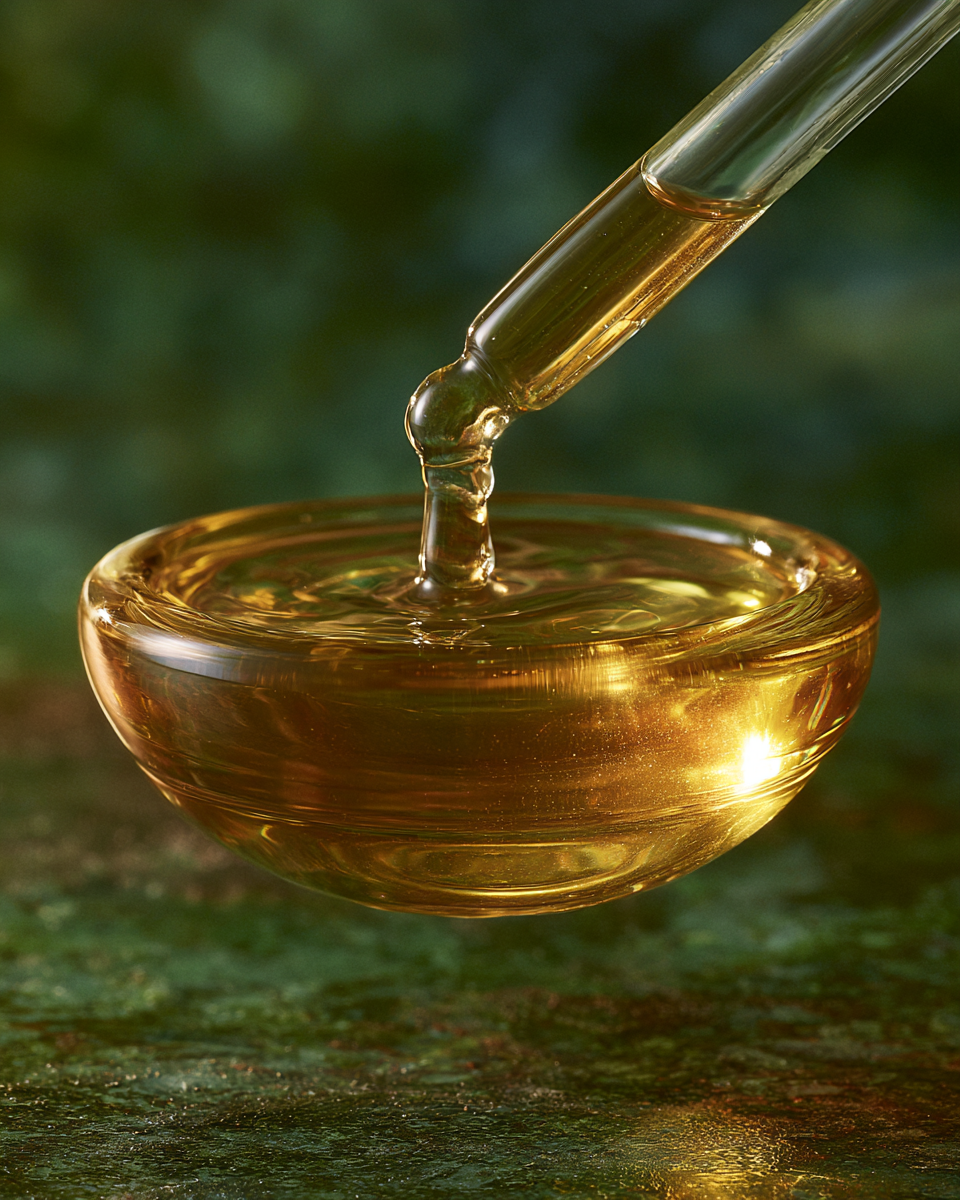
The main disadvantage of sea buckthorn oil is that it stains. Its bright orange color stains the skin, towels, and pillows—and this is the first point that no one mentions before purchase.
Two oils under one name
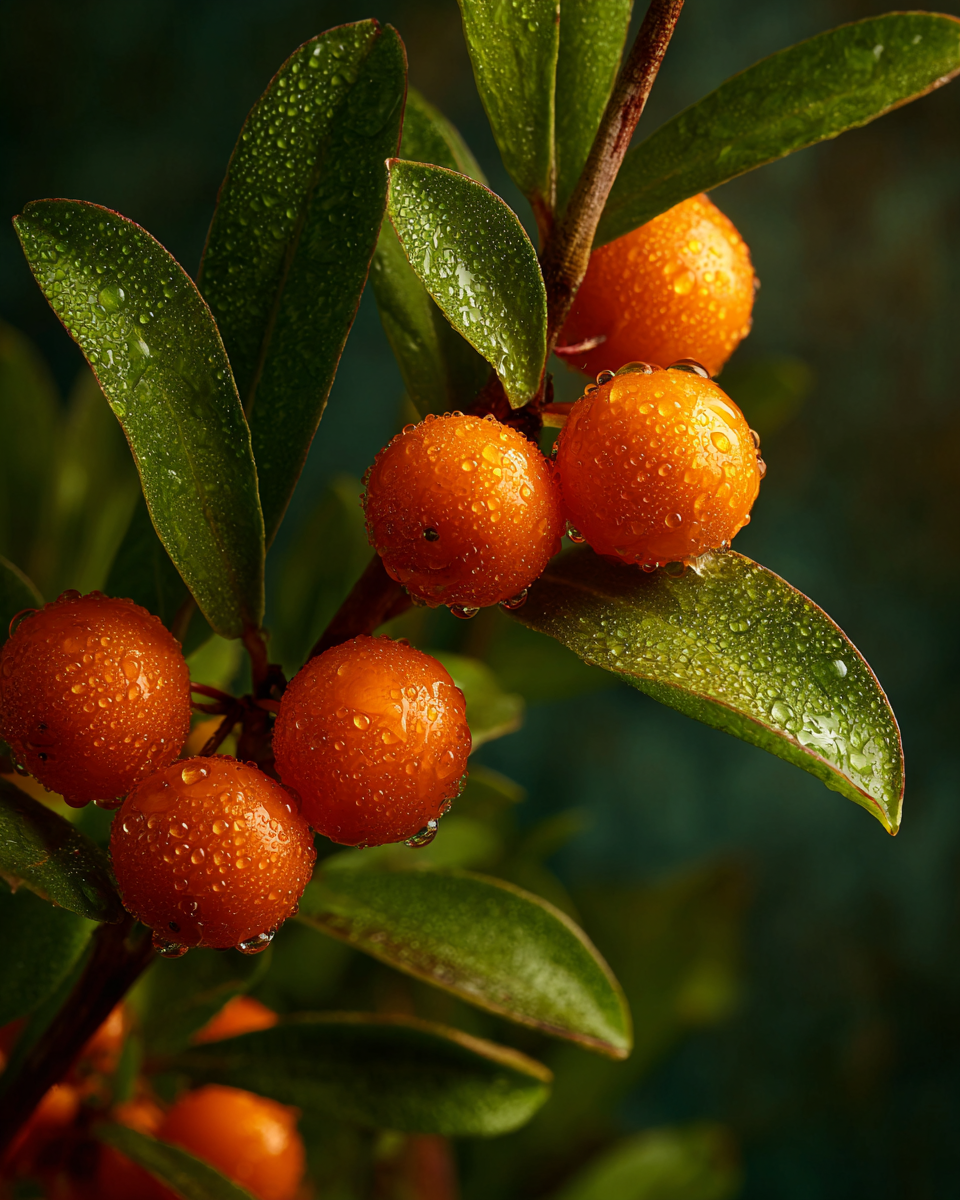
Pulp oil, extracted from the flesh of sea buckthorn berries, is a deep orange, very rich in carotenoids and palmitoleic acid—omega-7. Seed oil, extracted from the seeds, is pale yellow, rich in omega-3 and 6, and hardly stains.
Labels do not always distinguish between them. The Latin name is the same, Hippophae rhamnoides, and only the mention "pulp oil" or "seed oil" can differentiate them. This is the first thing to check, and it completely changes the use.
Coloration, in practice
Pure pulp oil applied to the face leaves a visible orange tint for several hours. On fair skin, the effect is noticeable; on linen, it is persistent and sometimes permanent.
The solution is dilution: one to three drops in a neutral oil or in a cream, representing a concentration of about 1 to 5%. At this level, the carotenoid intake remains real, and the coloration becomes a slight healthy glow effect. This is the only reasonable way to use it in facial care.
Skin tolerance
It is good. Reported reactions are rare and mainly concern pure applications on sensitive skin. A patch test on the elbow crease for two days remains the rule, as with any unrefined vegetable oil.
On blemish-prone skin, its richness makes it delicate: it is rather thick, and its use on the entire face is not recommended. On dry areas and mature skin, it is well suited in low concentrations.
What pertains to nutrition, and not this page
Sea buckthorn is also widely consumed as juice, jelly, and supplement, for its vitamin C content. These uses fall under diet and, if necessary, the advice of a health professional. They have no relation to what an oil does when applied.
This double life explains some of the contradictory information found: much of what is written about the benefits of sea buckthorn concerns the ingested berry, not the applied oil.
Preservation, second limitation
Rich in unsaturated fatty acids and carotenoids, this oil oxidizes fairly quickly: six to twelve months after opening, stored in a cool place away from light. A rancid smell indicates its end.
The format therefore matters: a small bottle used at two drops a day lasts a long time, and a large format will expire before being finished. This is a case where buying little is objectively more cost-effective.
For what use to keep it
For targeted care on dry areas, as a short, highly diluted treatment. As an antioxidant boost in a finishing oil. On the body, where the coloration is less noticeable and where the application can be more generous.
Our nourishing face oil offers a simpler profile for daily use, and the sea buckthorn sheet details the composition of both oils.
How to use sea buckthorn oil without getting the dosage wrong
One to three drops in a neutral oil or in a cream, never pure on the face. It is generally recommended to start with a single drop and observe for a week before any increase.
On very dry skin, daily application can be suitable. On others, two to three times a week are sufficient. Too rapid or too generous use does not yield greater results: it gives an orange complexion.
Its composition, and what makes it interesting
Pulp oil is one of the rare plant sources of palmitoleic acid, omega-7, present in human sebum and whose production decreases with age. It also provides carotenoids in quantity, responsible for its color and its action against oxidative stress.
Seed oil, on the other hand, is rich in essential fatty acids—linoleic and alpha-linolenic in balanced proportions. These are two different profiles under the same name, and this is the source of most confusions.
Available forms
As pure oil, diluted macerate, or incorporated into a cream. Macerate is the simplest form for facial use: the dilution is already done, and the coloring is controlled.
The fruit is also available as juice and puree, but this falls under nutrition and requires competent advice for ongoing consumption. The very acidic taste of the berry explains why it is rarely consumed alone.
When to avoid it
On blemish-prone skin, where its richness is not well suited. Before sun exposure, where carotenoids offer no protection despite what is sometimes read. On light colored linen, for obvious reasons.
On reactive skin, a patch test on the elbow crease for two days is still necessary, as with any unrefined vegetable oil and particularly for those rich in colored compounds.
The "Dangers, Limitations, and Tolerance" series
What real problems each ingredient can pose, and what is rumor.
- Peptides: dangers, limitations, and tolerance
- Centella asiatica: dangers, limitations, and tolerance
- Prickly pear oil: dangers, limitations, and tolerance
- Vitamin C on the skin: dangers, limitations, and tolerance
- Rosehip oil: dangers, limitations, and tolerance
- Argan oil: dangers, limitations, and tolerance
Our anti-aging treatments