Face serum: what it's for and how to choose it
The beauty of the skin often comes down to a detail of method: knowing which product to apply, and in what order. Between a serum and a face oil, many hesitate, convinced that they have to choose. Yet, these two textures do not play the same role. Through this Beauty Lab guide, NOPAL LIFE helps you understand what distinguishes them, how to choose the one that suits your skin, and discover why combining them can change everything — with the precision and touch of botanical nutrition that are dear to us.
Serum and face oil: two products, two logics
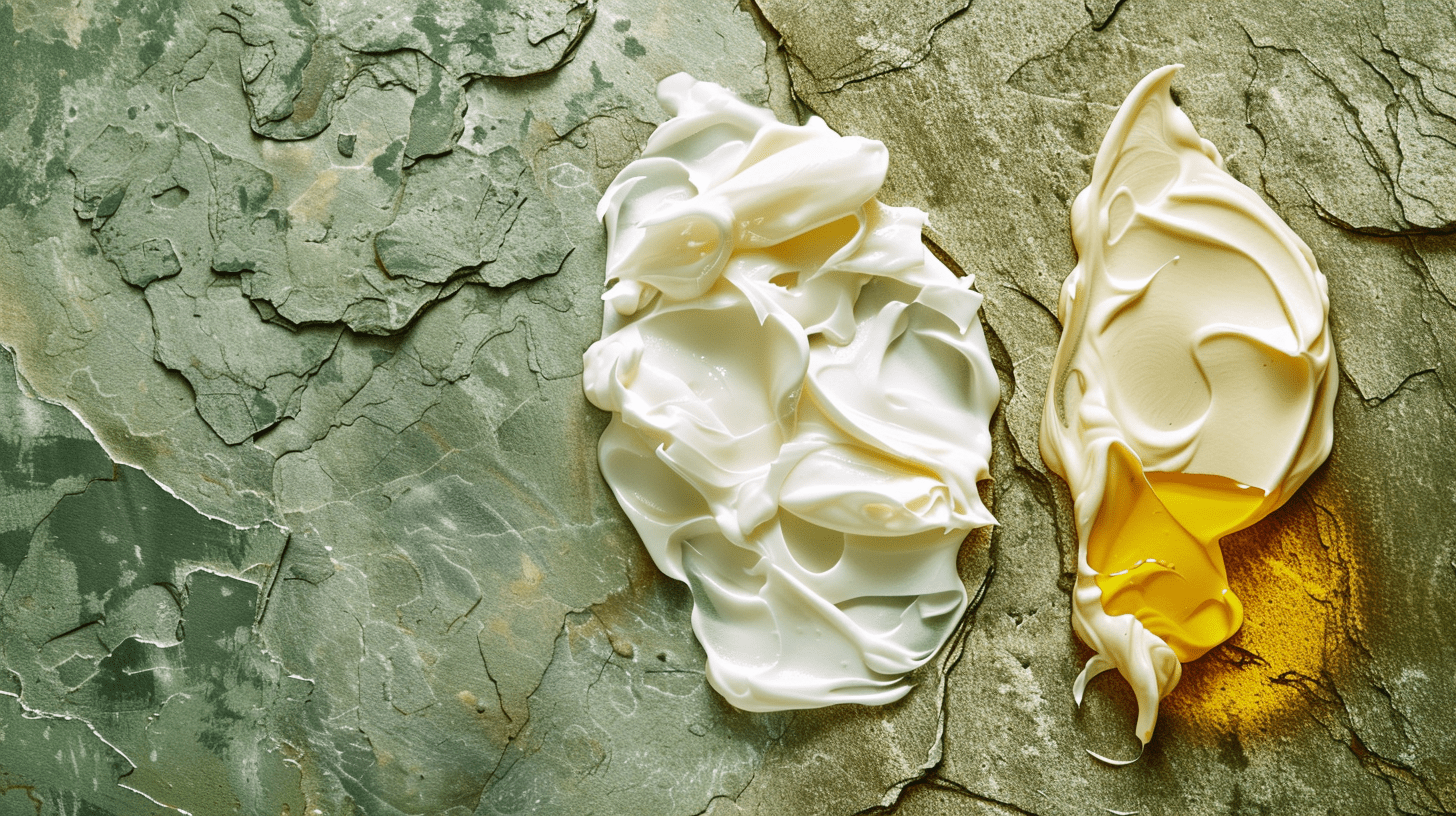
A serum is a concentrated active ingredient with a fluid texture, most often water- or gel-based. Its purpose is to deliver, in a small quantity, a targeted dose of ingredients: moisturizing agents like hyaluronic acid, brightening actives, antioxidants. Its light formula penetrates quickly and prepares the skin to receive the rest of the routine. The serum acts deep beneath the surface: it addresses a specific need rather than providing overall nourishment.
A face oil, on the other hand, is a lipidic treatment. Rich in fatty acids and vitamin E, it nourishes, softens, and seals in existing hydration by limiting water evaporation. Where a serum provides water-soluble actives, an oil provides comfort, suppleness, and a protective layer. It does not replace a water-based product; it complements it.
The nuance is essential. The serum answers the question "what does my skin need?", the oil answers "how do I keep this comfort for longer?". One does not exclude the other, quite the contrary.
An image helps remember this difference: imagine a glass of water and a lid. The serum is the water and the active ingredients poured in; the oil is the lid that limits evaporation. Pouring water without a lid risks it disappearing; placing a lid on an empty glass does nothing to retain anything. The two actions complement each other, each losing much of its value without the other on skin lacking comfort.
Comparative table: serum vs face oil
| Criterion | Serum | Face Oil |
|---|---|---|
| Texture | Fluid, aqueous or gel | Fluid to rich, lipidic |
| Base | Water, water-soluble actives | Fatty substances, fatty acids |
| Main Role | Deliver targeted actives | Nourish and seal in hydration |
| Sensation | Fresh, penetrates quickly | Enveloping comfort, satin finish |
| Application Time | After cleansing, before oil | As the last step of the routine |
| Most Suitable Skin Types | All types, including combination and oily | Dry, mature, seeking comfort |
| Quantity | A few drops | 2 to 4 drops |
| Key Benefit | Precision and lightness | Nutrition and protection |
This table summarizes the essentials: the serum is an active ingredient carrier, the oil is a nourishing finishing treatment. To choose, you must first identify what your skin needs today. And often, the answer is not "one or the other" but "one then the other."
Which product for which skin type?
The right choice depends primarily on your skin profile. Here are some guidelines based on the most common use cases.
Dry skin. It lacks lipids and often feels tight. Face oil is a natural ally here: it provides the missing nourishment and comfort. A hydrating serum first, followed by an oil, forms a particularly suitable duo for restoring suppleness and lasting comfort.
Oily or combination skin. The reflex is often to avoid oil, fearing a shiny effect. However, a fine, well-chosen oil, applied in very small quantities, can be suitable. But for daily use, these skin types often prefer a light serum that hydrates without feeling heavy, reserving oil for evening or drier areas.
Dehydrated skin. Whether dry or oily, it lacks water. A serum rich in humectant agents provides an immediate response; a thin layer of oil can then seal in this hydration for it to last over time.
Mature skin. Seeking suppleness and radiance, it appreciates the combination of both: a targeted serum for radiance and apparent firmness needs, a nourishing oil for comfort and a plump appearance.
Sensitive skin. Simplicity is best: a minimalist soothing serum, possibly a gentle oil, limiting the number of active ingredients to preserve its comfort and avoid overloading it.
Skin diagnosis · free
Curious to know what your skin really needs?
Do my diagnosis in 2 min →
Can you combine serum and oil? Layering explained
Good news: not only can you combine the two, but it's often the best approach. This is the principle of layering, or superposition. The rule is simple and comes down to the physics of textures: apply from the most fluid to the richest, i.e., from aqueous to lipidic.
Specifically, on clean, slightly damp skin, first apply the serum: it delivers its active ingredients and water. Let it penetrate for a few moments, allowing the skin to absorb it. Then seal with a few drops of face oil, warmed between the palms and gently pressed onto the face rather than rubbed. The oil applied last traps the serum's hydration and extends comfort throughout the day or night.
The reverse does not work: an oil applied before the serum would form a film that the aqueous active ingredient would struggle to penetrate. The order is therefore key to successful layering, and it's the most common mistake when starting superposition. To compose your duo, explore the Face Serums collection and the Face Oils collection from NOPAL LIFE, designed to layer harmoniously.
Prickly pear seed oil, an exceptional finish
Among face oils, cold-pressed prickly pear seed oil holds a special place. Its natural concentration of antioxidant vitamin E and essential fatty acids makes it a particularly precious finishing treatment. Its surprisingly fine texture for an oil penetrates without leaving a heavy, greasy finish, making it pleasant even for skin that fears oils.
As the last step, after a hydrating serum, it provides suppleness, comfort, and a healthy glow. Dry and mature skin types find it a nourishing treatment of choice, leaving the skin visibly softer. A few drops are enough: the oil is dosed according to the feeling of comfort, and it's better to start light and then adjust. To learn more about the art of layering, the Hydration & Comfort collection brings together complementary textures.
If your skin shows persistent redness, significant itching, or discomfort that persists, it's no longer a simple matter of texture: consult a healthcare professional for advice.
Frequently Asked Questions
Q: Do I really have to choose between serum and oil?
A: Not necessarily. They have different roles: serum provides targeted active ingredients, oil nourishes and seals in hydration. Combining them in the right order is often more effective than choosing one over the other. The choice of only one depends primarily on your skin type and your current needs.
Q: In what order should I apply serum and oil?
A: Always from the most fluid to the richest: serum first, on clean skin, then oil last to seal. Oil before serum would form a film that the aqueous active ingredient would struggle to settle and penetrate properly.
Q: Can oily skin use a face oil?
A: Yes, provided you choose a fine oil and apply it in very small quantities. However, many oily skin types prefer a light serum for daily use and reserve oil for periods of discomfort or for the evening.
Q: Is serum alone sufficient for hydration?
A: A serum provides water and active ingredients, but doesn't always seal in hydration. On dry skin, a richer step over it helps to extend comfort. On oily skin, serum may sometimes be sufficient.
Q: How many drops of oil should I apply?
A: Two to four drops are enough for the entire face. Warm them between your palms and then press gently. It's better to start with a little and adjust: the oil is dosed according to the feeling of comfort.
Q: Can I use serum in the morning and oil in the evening?
A: Absolutely. Many reserve serum for the daytime, under sun protection, and nourishing oil for the evening, when the skin rests. This is a simple way to enjoy both without overloading.
Q: How do I know which to prioritize for my skin?
A: Self-observation provides initial guidance, but a structured diagnosis refines the choice by distinguishing between lack of water and lack of lipids. The Skin Intelligence™ diagnosis guides you towards the most suitable texture.
RECOMMENDED PRODUCT
Cold-pressed prickly pear seed oil · Organic
DISCOVER THIS PRODUCT →
PERSONALIZED ROUTINE
Nopal Life Skin Intelligence™ · Free diagnosis · 2 minutes
DISCOVER MY ROUTINE →
Choosing between serum and face oil actually means understanding that they complement each other: one provides the active ingredients, the other retains them. Depending on your skin type, you can prioritize one, the other, or layer them in the correct order to combine precision and nourishment. The right texture, at the right time, makes all the difference in comfort and radiance.
Read more
Information provided for cosmetic and educational purposes; it does not constitute medical advice.


Go further than this article
Get our skincare guides by email — and start with your free skin diagnostic: 2 minutes, advice tailored to your skin. We ship to the US, UK, Canada, Australia and 27 European countries; somewhere else? Sign up and you will be the first to know when we deliver to your country.
By signing up, you agree to our privacy policy. Unsubscribe in one click.