Routine for dull, sensitive, combination skin: radiance, texture, and cell renewal with plant collagen
Sensitive skin is often described as reactive, uncomfortable skin that reddens at the slightest change in temperature or with the application of a new product. But when it is also dull and combination, it accumulates very distinct challenges: both epidermal fragility, shiny oily areas, enlarged pores, and a complexion sorely lacking in radiance. Building a sensitive skin routine adapted to this complex profile requires a precise approach — neither too aggressive nor insufficient. This guide will walk you through a step-by-step process that combines soothing the skin's appearance, supporting natural renewal, and restoring radiance, with active ingredients compatible even with the most delicate skin.
Understanding Dull, Combination Sensitive Skin: A Complex Profile

Before building a routine, it's essential to understand why sensitive skin can be dull and combination at the same time. These three characteristics seem contradictory, yet they frequently coexist. Combination skin is characterized by a greasier T-zone (forehead, nose, chin) and often drier or more reactive cheeks. Sensitive skin, on the other hand, has a weakened skin barrier and loses hydration more easily. The result: a dull complexion, micro-texture irregularities, and skin that responds poorly to classic skincare.
Sensitive skin often appears uncomfortable and is highly reactive. On this weakened skin, dead cells tend to accumulate on the surface, directly contributing to a lack of radiance and an uneven texture. To restore luminosity, it's not enough to add a brightening serum — you must first take care of the barrier, then gently support the skin's natural renewal.
The good news: certain natural active ingredients, particularly those derived from prickly pear, have a profile perfectly suited to this paradoxical skin type. Rich in essential fatty acids (linoleic acid), vitamin E, and natural betaine, they nourish without occlusion, soothe the skin's appearance without weighing it down, and support the skin's natural renewal without irritating the epidermis.
Key Steps for a Dull, Combination Sensitive Skin Routine
An effective routine for this skin profile revolves around five essential steps: gentle cleansing, enzymatic exfoliation, targeted hydration, active supporting care, and protection. The order of application is not insignificant — it dictates comfort and skin response.
1. Gentle cleansing, the pillar of the routine. A rich, oil-based cleanser or milk cleanser with a neutral pH (5.5) preserves the hydrolipidic film. Avoid foaming formulas based on SLS (sodium lauryl sulfate), which strip the barrier. Micellar water can complement make-up removal in a double cleansing routine, provided you don't rub. This first step conditions the entire routine: well-cleansed but unaggressed skin better receives subsequent treatments.
2. Enzymatic exfoliation 1 to 2 times a week. For sensitive skin, gentle chemical exfoliants (papain enzymes, pineapple bromelain, PHAs like gluconolactone) are preferred over high-concentration AHAs/BHAs, which risk triggering reactions. These enzymes help gently remove dead cells on the surface, refining the skin's texture and revealing a more luminous complexion, without a rebound effect of oiliness. A papaya or nopal cactus juice exfoliant fits perfectly into this protocol.
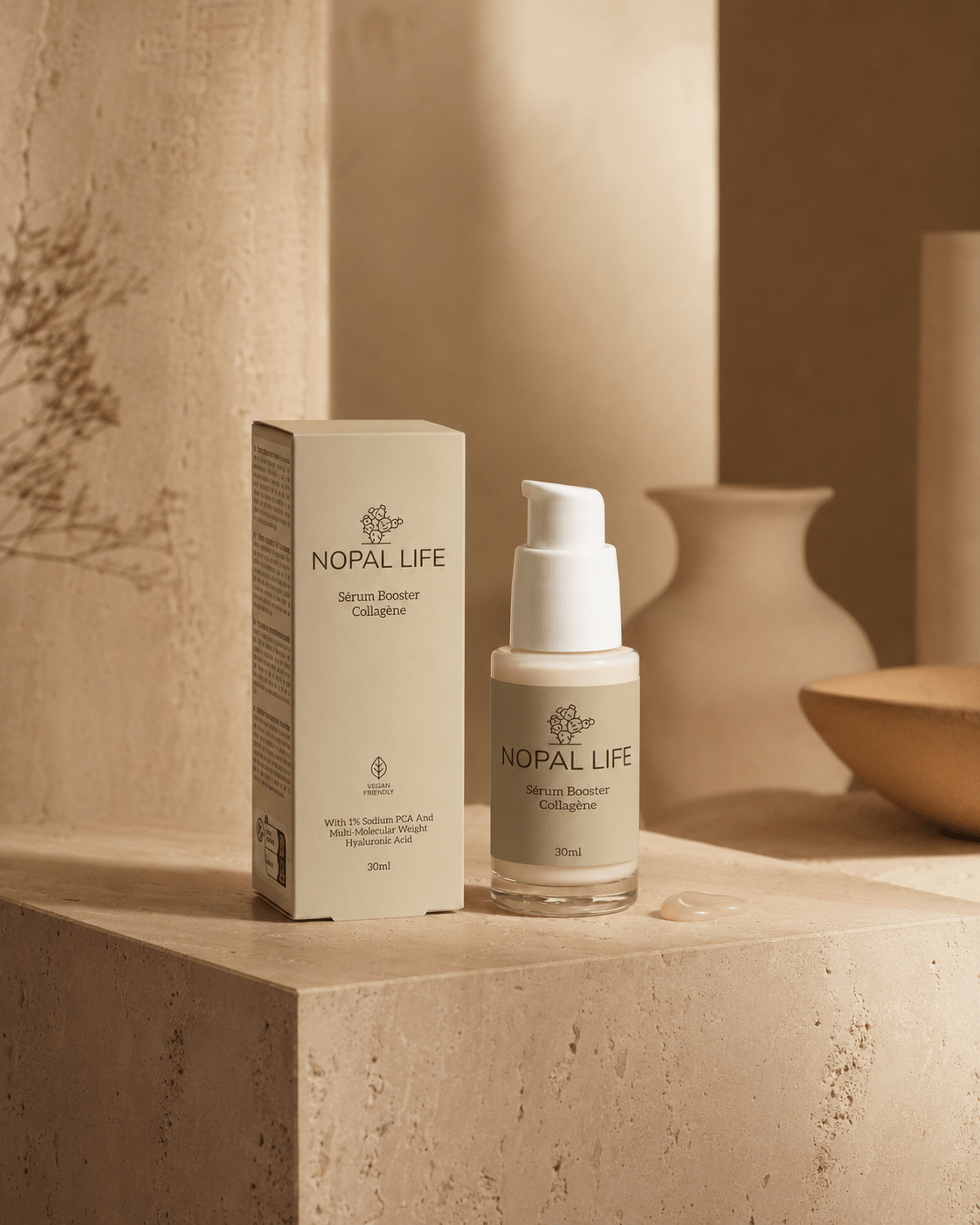
3. The active serum: plant collagen and skin radiance. This is where the transformation of the complexion's appearance takes place. A plant collagen serum provides both a feeling of plumpness, hydration, and support for the skin's appearance. Plant collagen (often extracted from marine algae or associated with natural polysaccharides) remains on the surface and forms a network that helps preserve the skin's supple and plump appearance. For dull skin, this is a gentle approach, appreciated by sensitive skin that tolerates more aggressive formulas poorly.
4. Light moisturizing cream. For combination skin, choose a gel-cream or light emulsion texture. Low molecular weight hyaluronic acid should be applied to slightly damp skin. The T-zone can receive less product, the cheeks a little more. The goal is to balance without overloading.
5. SPF 30-50 sun protection in the morning. Sensitivity to UV can be increased when the barrier is weakened, and UV is the primary factor affecting radiance over time. A mineral SPF (zinc oxide) is often better tolerated on sensitive skin than a chemical filter.
The Central Role of Plant Collagen in Radiance and Texture
Collagen is one of the most abundant components of the skin. Over the years, its appearance changes, which gradually results in a less regular skin texture, a loss of plumpness, and a duller complexion. On sensitive skin, this evolution in appearance may seem more pronounced due to the reactive nature of this skin type.
Plant collagen from cosmetic products acts on the surface: it forms a matrix that immediately improves the appearance of firmness and tactile comfort, and helps preserve the skin's supple and plump appearance. It is often found associated with plant peptides (such as rice or soy oligopeptides) appreciated for their affinity with demanding skin types.
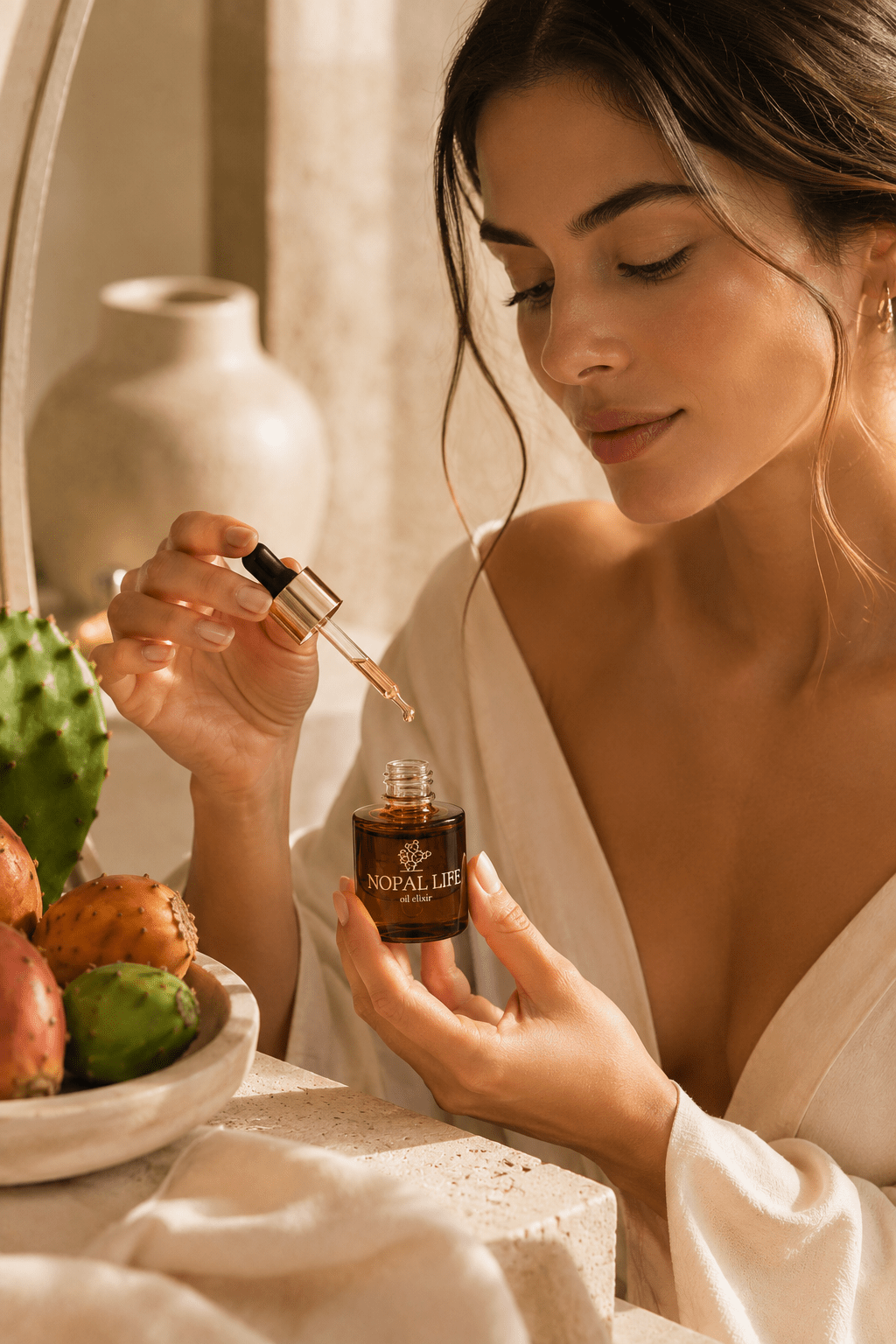
Combined with prickly pear oil — one of the most concentrated sources of linoleic acid (62-67%) in natural cosmetics — plant collagen finds a prepared ground. Linoleic acid helps maintain the comfort of the stratum corneum and reduce the sensation of tightness, contributing to more supple skin on which products remain pleasant to apply. This is a rare formulation synergy, found in Nopal Life products designed for demanding facial rituals.
Gentle Exfoliation on Sensitive Skin: Myths and Realities
One of the biggest obstacles to improving texture on sensitive skin is the fear — often justified — of exfoliation. And yet, without regular surface renewal, the complexion remains dull, pores appear clogged, and skincare struggles to penetrate. The challenge, therefore, is to find the right intensity.
PHAs (polyhydroxy acids) like gluconolactone or lactobionic acid are currently among the best-tolerated exfoliants on sensitive skin. Their larger molecule size compared to AHAs allows them to remain on the surface of the epidermis, significantly reducing the risk of discomfort. They exfoliate gently, provide a simultaneous sensation of hydration (humectant effect), and are appreciated for their antioxidant properties. Gluconolactone is thus often recommended for sensitive skin due to its great gentleness in use.
Fruit enzymes (papain, bromelain) are the mildest alternative. They primarily act on surface dead cells, making them particularly suitable for initial exfoliation on very reactive skin. However, caution is advised for those allergic to tropical fruits.
Recommended frequency: once a week to start, twice if tolerance is good. Never on the same evening as a clay mask or retinol treatment. Always followed by reinforced hydration. In case of persistent redness beyond 20 minutes after application, reduce frequency or switch to an even milder exfoliant.
To go further on protocols adapted to your skin profile, explore our guides on radiance and uniformity correction and anti-aging and firming routines.
Mistakes to Avoid with Dull, Combination Sensitive Skin
Even with the best intentions, certain common practices worsen the situation for dull, combination sensitive skin. Here are the most frequently observed mistakes:
- Over-cleansing the T-zone. Using astringent cleansers or toners on oily areas does not sustainably help mattify the appearance of shiny areas. On the contrary, it can trigger a rebound effect: over-stripped skin tends to become shinier to compensate. A single gentle cleanser for the entire face is sufficient.
- Layering concentrated actives. Stacking retinol, AHAs, vitamin C, and niacinamide at the same time creates an irritating "cocktail" that disrupts the barrier and can generate uncomfortable reactions. Introduce active ingredients one by one, with a minimum of 2 weeks apart.
- Neglecting sun protection. UV is the primary accelerator of dull complexion and loss of radiance. Unprotected skin sees its renewal efforts canceled out by daily oxidative aggressions.
- Using water that is too hot. Hot water dilates capillaries and further weakens the barrier. Prefer lukewarm, or even cold water for the final rinse — the gentle thermal contrast helps to tighten the appearance of pores and revive radiance.
- Ignoring internal hydration. No topical routine can compensate for general dehydration. 1.5 to 2 liters of water per day, combined with omega-3s (flaxseeds, fatty fish), contribute to skin comfort daily.
- Rubbing with a towel. Mechanical rubbing after cleansing irritates reactive skin and weakens the skin's surface appearance. Pat gently, without friction.
- Not adapting the routine to the seasons. In winter, the barrier is more weakened by cold and indoor heating. In summer, heat accentuates shine. Your routine should evolve with the seasons, especially by adjusting the texture of the moisturizer and the frequency of exfoliation.
Building Your Personalized Protocol in the Long Term
A dull, combination sensitive skin routine is not static. It evolves with age, seasons, stress, diet, and hormonal changes. The key is to observe the skin regularly and adjust accordingly. Here is a three-phase starting protocol:
Months 1-2 — Barrier care phase. Gentle cleanser, hydrating collagen serum, light cream, SPF. No exfoliant yet. Observe tolerance and the evolution of skin comfort. Prickly pear oil can be introduced as a night treatment from the first week — a few drops mixed with cream or as a pure treatment on dry areas.
Months 3-4 — Gentle renewal phase. Incorporate 1 enzymatic exfoliation per week. Follow the evolution of texture and complexion. If the skin reacts well, increase to twice a week the following month. It is often at this stage that changes become visible: the complexion becomes more even, the texture refines, and pores appear less dilated.
Month 5 and beyond — Optimization phase. Gradually introduce a targeted active ingredient according to the skin's priority (stabilized vitamin C for radiance, copper peptides for firmness, niacinamide for pores). Only one new active ingredient at a time, always with a 2-week observation period.
To identify the most suitable active ingredients for your skin, you can also consult our comprehensive guides on dull and combination skin issues and on skin radiance, texture, and natural renewal.
FAQ — Dull, Combination Sensitive Skin Routine
Q: Can plant collagen serum be used on very reactive skin?
A: Yes, provided the formula is alcohol-free, fragrance-free, and without aggressive preservatives (parabens, high-concentration phenoxyethanol). Plant collagens derived from algae or rice proteins are among the best tolerated. Always test in the crook of your elbow for 48 hours before the first facial application.
Q: How long before seeing results on texture?
A: Natural skin surface renewal takes approximately 28 days (and more with age). The first improvements in texture appearance are usually visible after 3 to 4 weeks of a regular routine. Radiance, however, can improve from the first week with adapted cleansing and good hydration.
Q: Is prickly pear oil suitable for combination skin?
A: Yes, it is one of the most recommended oils for combination skin. Its comedogenic rating is 0 to 1 (very low), and its richness in linoleic acid helps balance the appearance of shine rather than accentuating it. It does not leave a greasy film if applied in small quantities to clean, slightly damp skin.
Q: Can enzymatic exfoliation and collagen serum be combined on the same evening?
A: It is better to separate them. Exfoliation prepares the skin to better receive treatments, but enzymes or PHAs can slightly alter skin pH and potentially interact with certain peptides. Apply the collagen serum on evenings without exfoliation, and exfoliate on a different evening of the week. Or apply the exfoliant, rinse, then apply the serum 20 minutes later.
Q: Is niacinamide compatible with sensitive skin?
A: At concentrations of 2 to 5%, yes. Niacinamide (vitamin B3) provides comfort, helps balance the appearance of shine, tightens the appearance of pores, and revives radiance. Above 10%, it can cause temporary redness in some sensitive skin types. When combined with vitamin C, wait at least 15 minutes between applications to avoid potential interaction (formation of niacin).
Q: How do I know if my routine is aggravating or improving my skin barrier?
A: Signs of a comfortable barrier include: reduced tightness, less frequent redness, skin that is softer to the touch, and makeup that lasts longer. Warning signs: persistent redness, stinging upon application of any product, increased breakouts or dry patches. In this case, return to a minimalist routine (gentle cleanser + barrier cream + SPF) for 2 weeks.
Q: Can a skin diagnosis help me personalize my routine?
A: Absolutely. A precise diagnosis identifies your Fitzpatrick profile, your dominant skin characteristics (shine, dehydration, uneven skin tone, sensitivity...), and guides you towards the most relevant active ingredients for your specific skin. This avoids costly and potentially irritating trial and error from blindly testing products.
Q: How often should I renew my routine?
A: A skin assessment is necessary with each change of season (autumn and spring are key times), after significant stress, pregnancy, or hormonal changes (menopause, contraception). Otherwise, a well-established routine can remain stable for 6 to 12 months if the skin responds well.
Ready to transform your sensitive skin routine?
Discover Nopal Life collagen serum or let our AI diagnose your skin in 2 minutes.
Conclusion
Sensitive, dull, and combination skin regains radiance with gentle care supported by plant collagen. Delicate exfoliation and plumping active ingredients refine the skin's texture and support its natural renewal. Respect for the barrier is paramount. An adapted routine reveals a complexion with a more luminous, smooth, and toned appearance.
Why choose Nopal Life for visible radiance and firmness
Caring for the appearance of the skin over time requires active ingredients chosen for their quality and affinity with demanding skin types. Nopal Life prickly pear oil, rich in essential omega-6 and omega-9 fatty acids, vitamin E, and plant sterols, contributes to the suppleness and comfort of the skin's film. It helps preserve a firm and plump appearance, reduces the look of dehydration fine lines, and supports the comfort of the epidermal barrier for a visible smoothing effect from the very first weeks.
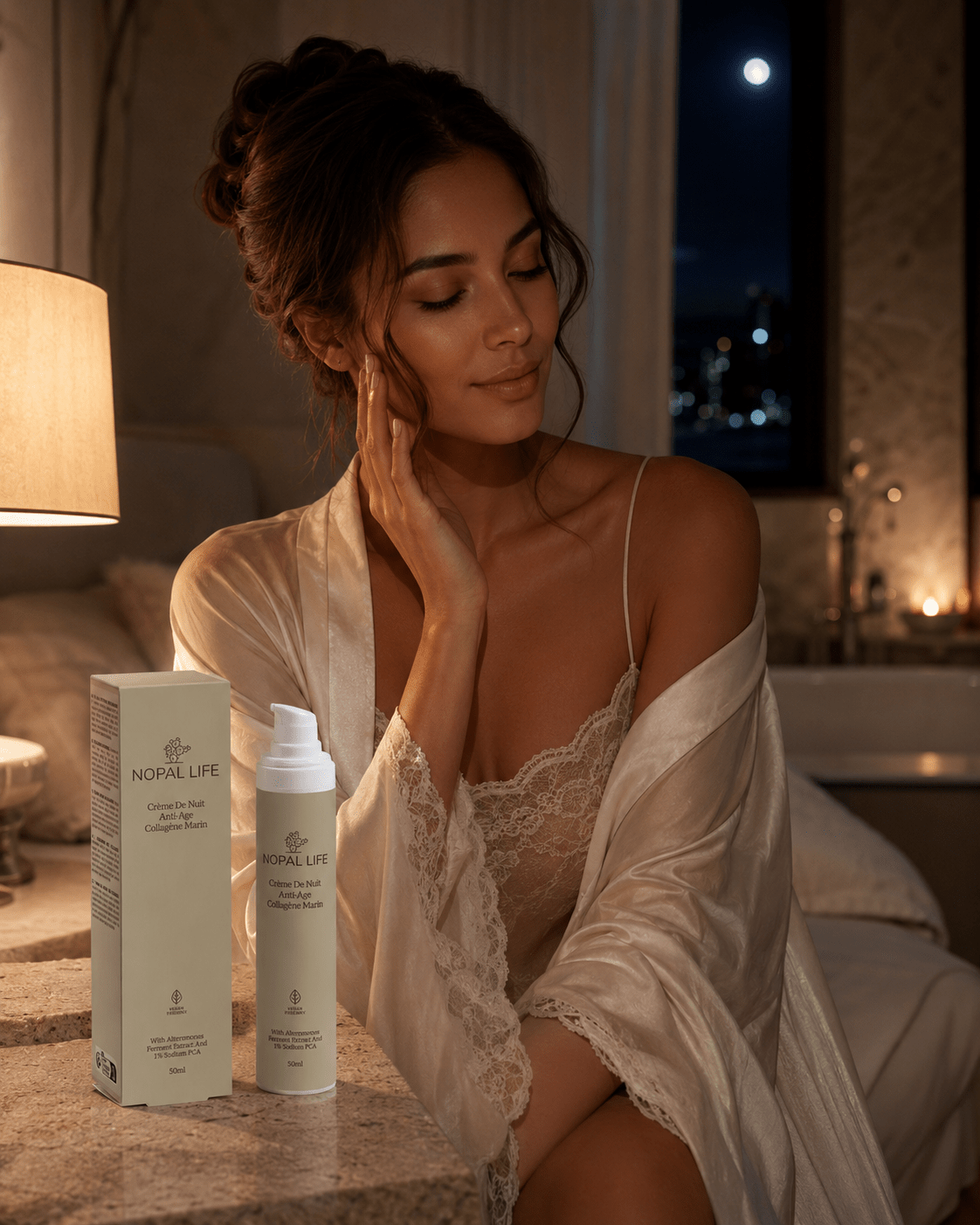
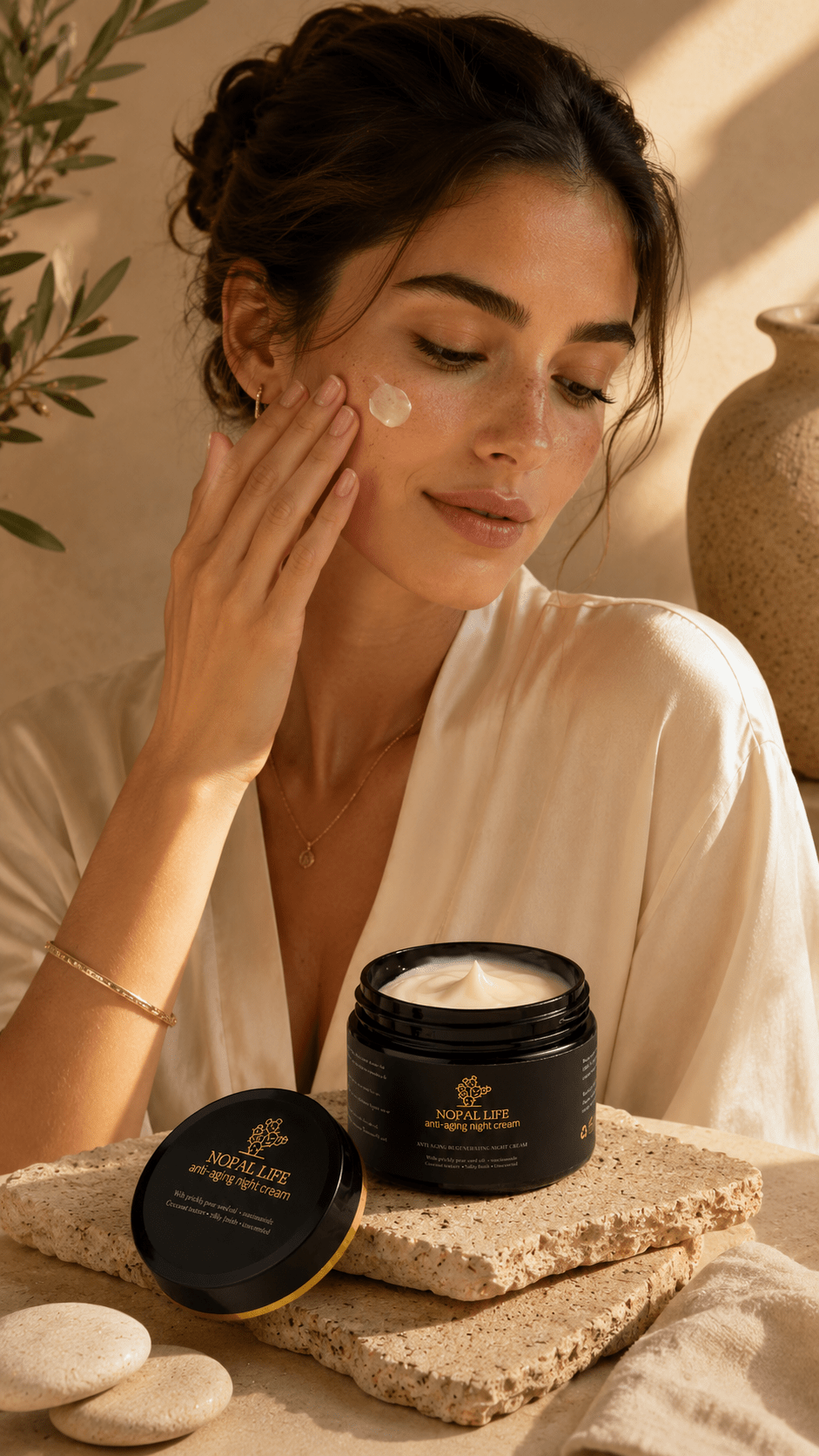
Combine it with our radiance and firmness night cream and our collagen serum for a complete synergy, night and day. Your skin regains a firm appearance, radiance, and lasting comfort. Discover the Nopal Life formulation designed for your skin profile thanks to our free Skin Intelligence diagnosis.
RECOMMENDED CARE
Collagen serum for bouncy hydration
Natural formula · Origin Algeria
DISCOVER THIS CARE →This content is informative and educational; it does not replace medical advice, a diagnosis, or a dermatological consultation. In case of doubt or persistent skin problems, consult a qualified healthcare professional.
Our anti-aging treatments