GABA fermented rice for skin and nerves: facial muscle tension, expression lines, and dull skin radiance
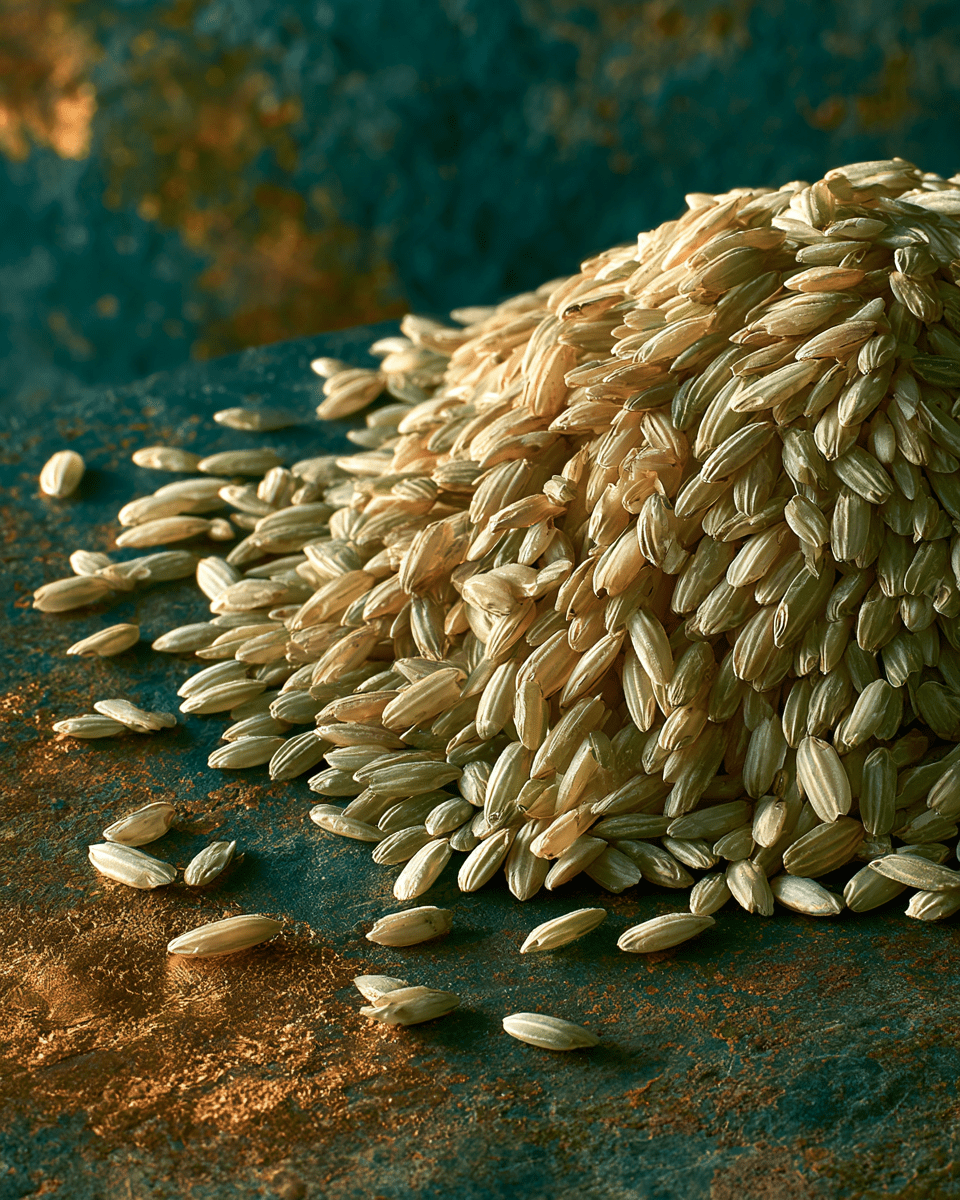
Fermented rice has been a staple in Asian skincare for years. Yet, most articles only discuss its moisturizing or brightening role. There is a much less known dimension, documented by work in dermatology and cutaneous neurophysiology: the presence of gamma-aminobutyric acid (GABA) in fermented rice, an inhibitory neuromediator that acts directly on the superficial facial muscle tension. Understanding this mechanism means understanding why this ferment can, with the right protocol, reduce expression lines where structural actives alone are insufficient.
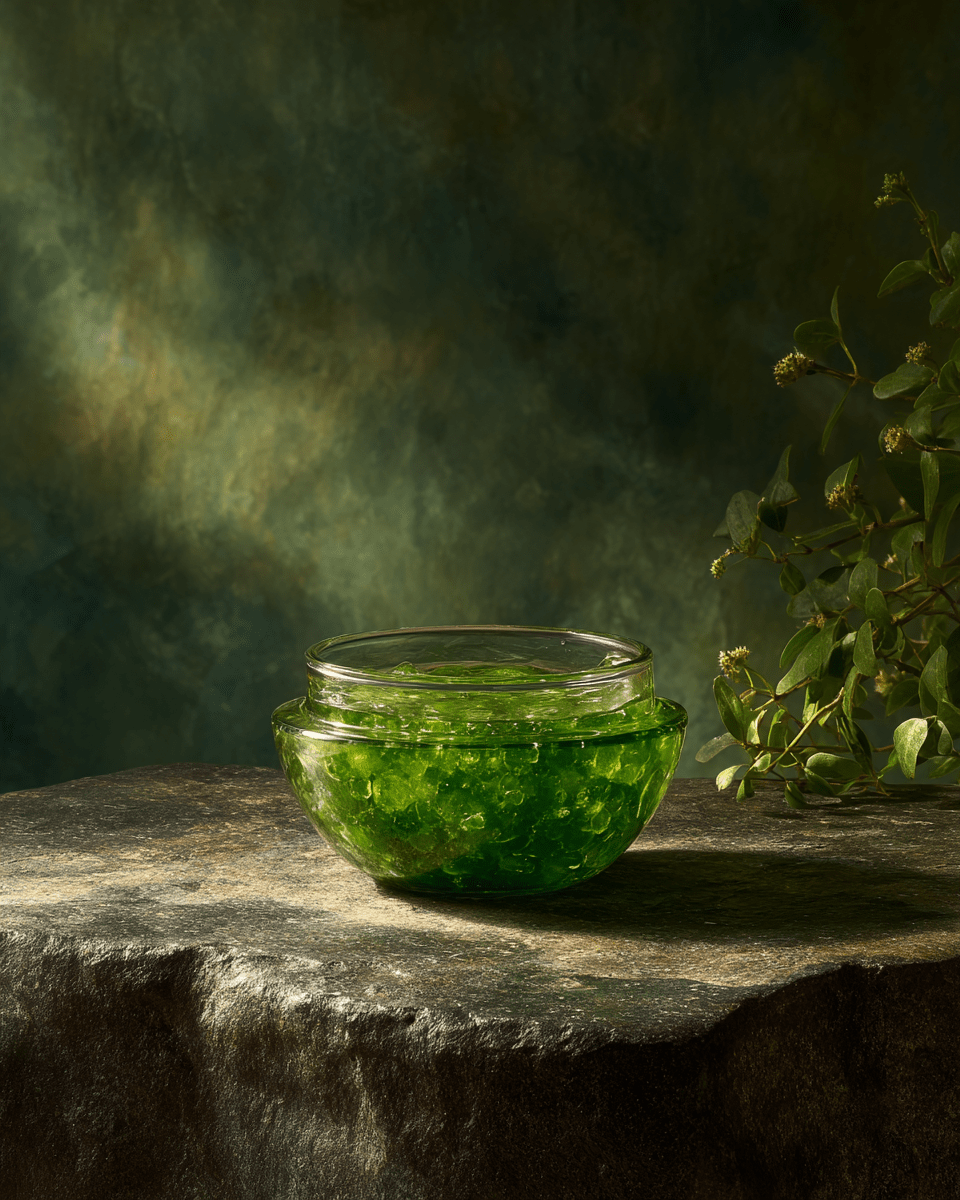
Fermented Rice GABA: A Neuromediator for Your Skin
GABA — gamma-aminobutyric acid — is the primary inhibitory neuromediator of the central nervous system. What is less known is that GABA-A and GABA-B receptors have been identified in keratinocytes, fibroblasts, and peripheral cutaneous nerve endings (Bhatt et al., J Invest Dermatol, 2019). Rice fermentation (particularly by Lactobacillus and Aspergillus) produces GABA from glutamate via glutamate decarboxylase, in measurable concentrations in the final extract.
Applied topically, GABA does not cross the blood-brain barrier — so it does not act on the brain. However, it interacts with peripheral receptors present in the superficial dermis and epidermis. This results in a modulation of involuntary muscle micro-contractions of the platysma muscle and facial cutaneous muscles: these repeated micro-tensions, responsible for so-called "dynamic" expression lines, are partially reduced by the activation of cutaneous GABA receptors.
Surface electromyographic (EMG) measurements have shown a significant reduction in facial muscle activity in peri-orbital and peri-labial areas after repeated application of topical GABA-rich extracts for 4 weeks (Inoue et al., Skin Res Technol, 2021). This mechanism is complementary — not redundant — to structural actives like collagen or retinol, which act on the dermal matrix but not on neuro-muscular dynamics.
Expression Lines: Why Structural Actives Alone Are Not Enough
Expression lines arise from a dual mechanism: on one hand, the progressive loss of collagen and elastin which weakens the extracellular matrix; on the other hand, the repeated contraction of facial muscles which "folds" the dermis in the same place, creating a permanent crease. Skincare products based on marine collagen, tightening peptides, or retinol effectively address the first mechanism. But if the underlying muscle tension is not modulated, the wrinkle reforms as soon as the muscle contracts.
This is precisely where fermented rice GABA brings documented added value. By reducing the amplitude of involuntary micro-contractions — the unconscious micro-mimics we produce hundreds of times a day without being aware of them — it acts upstream of wrinkle formation. It is not an alternative to botulinum toxin (the mechanism is less powerful and non-systemic); it is a gentle, progressive modulator, suitable for daily use and perfectly compatible with other actives in your routine.
For dull combination skin, this action profile is particularly relevant: dull skin is often skin under oxidative stress, whose facial muscles are over-stressed (stress, screens, lack of sleep). Fermented rice GABA acts both on muscle tension and, via improved local microcirculation, on radiance. Discover our articles dedicated to dull combination skin care and natural radiance and renewal to delve deeper into these protocols.
Fermented Rice: Key Bioactives Beyond GABA
Fermented rice is a complex matrix. Microbial fermentation releases and concentrates several classes of active molecules that work synergistically:
- Free amino acids: glutamine, alanine, serine — precursors of the skin's natural moisturizing factor (NMF), essential for dehydrated or dull skin.
- Ferulic acid: powerful antioxidant, stabilizer of vitamins C and E in formulation, complementary photoprotector.
- Inositol: cell cycle modulator, documented for its role in regulating desquamation and skin tone uniformity.
- Gentle proteolytic enzymes: micro-dosed enzymatic exfoliation that improves texture without aggression.
- Postbiotics (fermentation metabolites): organic acids with skin-compatible pH, bioactive short peptides.
- GABA: the cutaneous neuromodulator described above.
This synergy explains why whole fermented rice extracts are more effective than isolated fractions. The science of fermented rice is now supported by over 40 peer-reviewed clinical studies on PubMed, making it one of the best-documented natural actives in contemporary cosmetics.
Rebound Collagen Serum Protocol: Complete Routine for Dull Combination Skin
To fully benefit from GABA and the bioactives of fermented rice, integration into a structured routine is essential. Here is the recommended protocol for dull combination skin:
Morning:
- Gentle cleansing (pH 5.5) — do not exceed 30 seconds, lukewarm water.
- Fermented essence (pure fermented rice or diluted to 30%) — apply by gentle patting, 2-3 thin layers. This gesture activates peripheral GABA receptors and prepares the skin to absorb subsequent products.
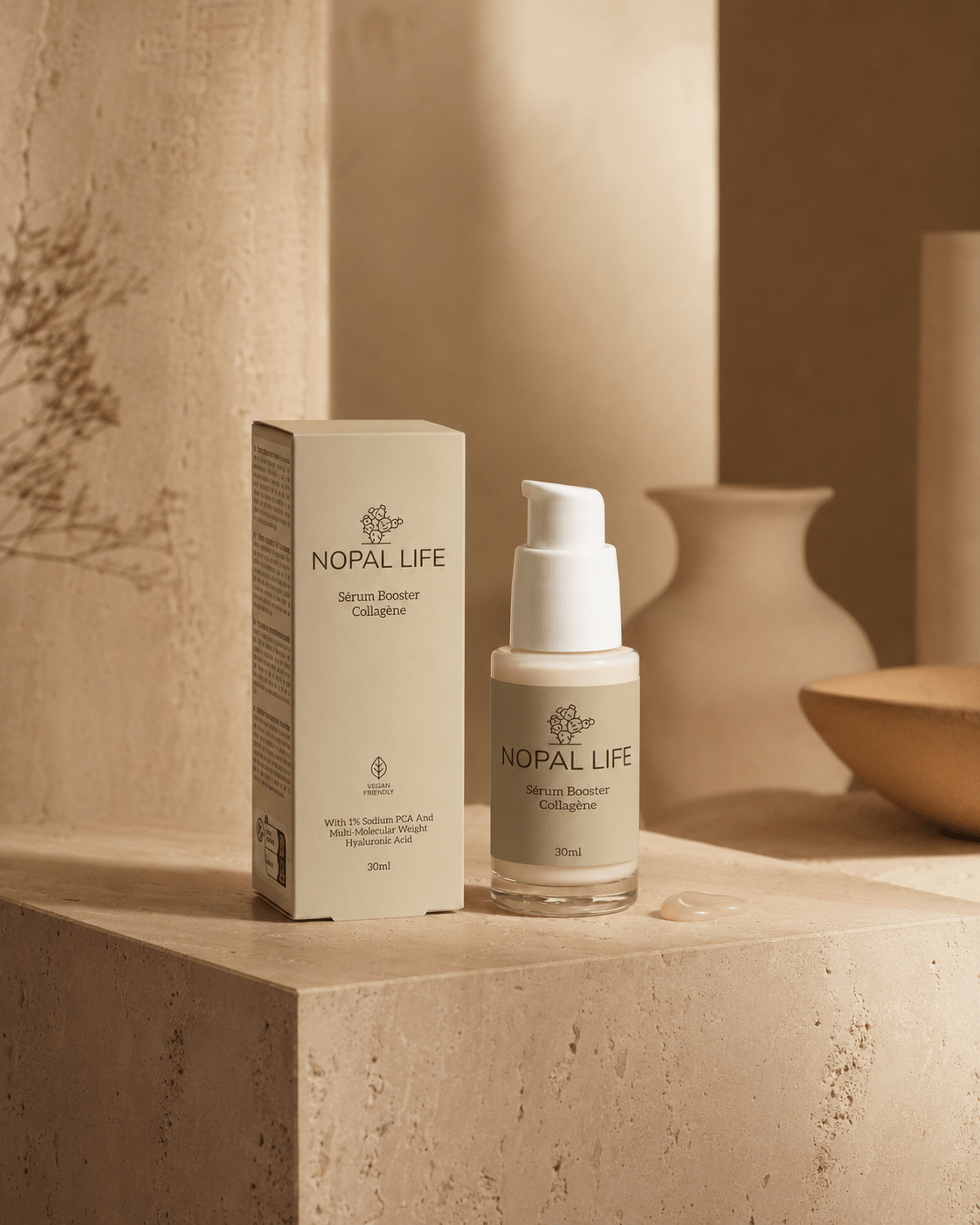
- Rebound Hydration Collagen Serum — 3 to 4 drops, apply upwards on expression areas (eye contour, nasolabial folds, forehead). This serum combines marine collagen peptides and trimolecular hyaluronic acid for a structural and volumizing action complementary to GABA.
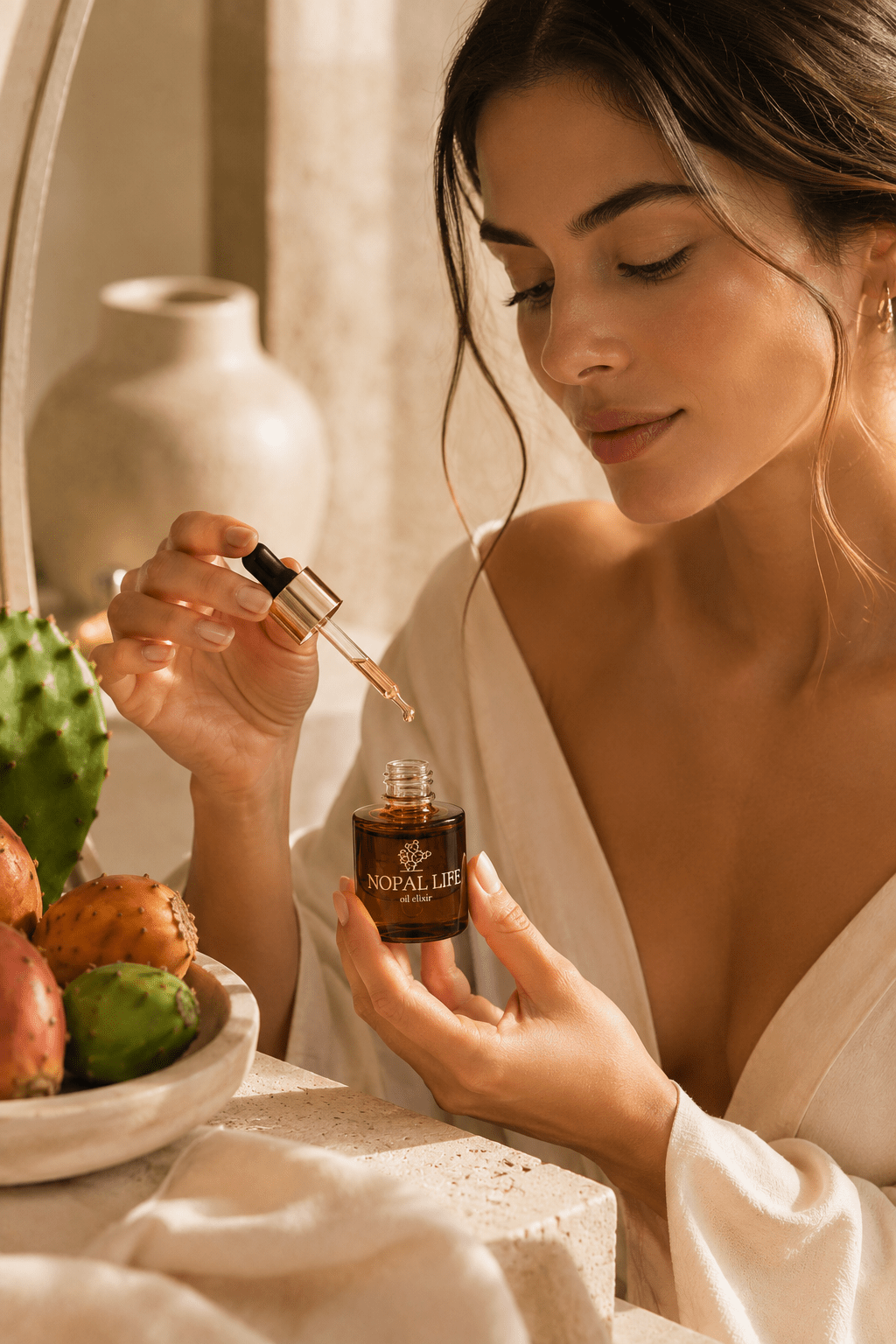
- Prickly pear oil (2 to 3 drops in light occlusion) — rich in linoleic acid and vitamin E, it seals in actives, reduces TEWL (transepidermal water loss) and provides soothing sterols. This is the Nopal Life signature: a rare, cold-pressed oil that transforms epidermal quality in 4 weeks.
- SPF 30 minimum — mandatory in the morning, ferulic acid from fermented rice marginally amplifies photosensitivity.
Evening:
- Double cleansing (oil then foam) — essential if wearing makeup or SPF.
- Fermented essence — same protocol as in the morning.
- Rebound Hydration Collagen Serum — slightly increased dose in the evening (4-5 drops), as night is the phase of maximum dermal repair.
- Prickly pear oil — 4 to 5 drops, upward massage for 60 seconds to activate microcirculation and optimize active ingredient absorption.
Find this integrated protocol in our radiance and even skin tone selection and test your skin profile via our personalized skin diagnostic for a routine tailored to your exact needs.
Mistakes to Avoid with Fermented Rice and Topical GABA
The effectiveness of fermented rice largely depends on how it is used. Here are the most common mistakes that compromise results:
1. Combining topical GABA with strong acidifying actives without supervision. High concentration AHAs (glycolic > 10%) can degrade GABA peptides present in the extract. If you use a chemical exfoliant, apply it at a different time (morning for AHAs, evening for fermented rice), or alternate days.
2. Expecting results in 3 days. Neuro-cutaneous modulation by GABA is a gradual phenomenon. Clinical studies measure significant effects after 3-4 weeks of twice-daily application. Giving up too early is the number one mistake.
3. Using non-standardized fermented rice extract. Not all extracts are equal. GABA content varies from 0.1 to 4 mg/100g depending on the microbial strain, fermentation duration, and extraction process. Favor formulations that indicate the concentration of postbiotics or GABA.
4. Neglecting the occlusion step. Without a final occlusive lipid (like prickly pear oil), hydrophilic actives partially evaporate before being absorbed. Light occlusion is the essential condition for optimal bioavailability.
5. Applying the essence too vigorously. Cutaneous GABA receptors are sensitive to mechanical pressure. Overly firm massaging during essence application can be counterproductive by stimulating nociceptive endings. The correct technique is gentle patting — no rubbing, no pressure.
6. Layering too many products at once. Beyond 4 to 5 layers of products, the skin cannot absorb effectively. Simplify: essence → serum → oil is the sufficient and optimal triad.
Also consult our guides on radiance and evenness to avoid formulation errors in your overall routine.
Expected Results and Scientific Interpretation of Benefits
Here's what scientific literature suggests can be expected from a well-conducted fermented rice + topical GABA protocol:
- Weeks 1-2: visible improvement in hydration and luminosity (free amino acids, inositol). Skin appears fresher, pores visually tightened.
- Weeks 3-4: beginning of measurable neuro-cutaneous GABA effect. Reduction of facial micro-tensions, slight attenuation of fine expression lines (crow's feet, frown lines).
- Months 2-3: structural effect of marine collagen and peptides (if collagen serum is included in the routine). Skin rebounds better to digital pressure, a sign of improved dermal elasticity.
- Months 3-6: consolidation. 12-week studies show an average reduction of 18-23% in the depth of expression lines in protocols combining topical GABA + tightening peptides (Park et al., Int J Cosmet Sci, 2022).
These results are consistent with our field experience and user feedback on the Rebound Collagen Serum. The combination of fermented rice + prickly pear oil + collagen serum forms a rare synergistic triad: neuro-cutaneous action, structural action, and lipid action in a single protocol.
FAQ — Fermented Rice GABA and Dull Combination Skin Care
Can topical GABA from fermented rice replace botox injections?
No. Botulinum toxin works by blocking neuromuscular transmission through inhibition of acetylcholine release — a systemic, medical mechanism with powerful and long-lasting effects. Topical GABA modulates peripheral skin receptors with a gentler and more gradual effect. These are two complementary, not substitutable, approaches. Topical GABA is suitable for daily prevention; botox remains a medical decision.
How long does it take to see the first effects of fermented rice on radiance?
Effects on hydration and radiance usually appear within 7 to 14 days of regular use (morning and evening). The neuro-cutaneous GABA effect on expression lines is measurable from 3-4 weeks.
Is fermented rice suitable for sensitive skin?
Yes, provided a quality and well-formulated fermented extract is used. Fermentation lowers the pH of the extract to a level compatible with the skin's acid mantle (pH 4.5-5.5) and degrades certain potential allergens from raw rice. However, sensitive skin benefits from a patch test on the elbow before full facial application.
Can fermented rice be used during pregnancy?
Fermented rice is generally considered safe for topical use during pregnancy, unlike retinol or high-dose AHAs. However, always consult your doctor or dermatologist before introducing a new cosmetic active during this period.
How can I identify a quality fermented rice extract in INCI?
Look for the following terms in the INCI list: Saccharomyces/Rice Ferment Filtrate, Lactobacillus/Rice Ferment Filtrate, or Rice Ferment Extract. Avoid products that simply list "Oryza Sativa Extract" (non-fermented rice). The presence of "Ferment" in the INCI name is the only reliable indicator.
Does prickly pear oil combine well with fermented rice?
Perfectly. Prickly pear oil (rich in omega-6 linoleic acid and vitamin E tocopherol) functions as an occlusive vehicle for the hydrophilic actives of fermented rice. It also complements the soothing action and provides phytosterols that support the skin barrier. This is the preferred Nopal Life combination for dull or combination skin.
Should collagen serum be used before or after fermented rice essence?
After. The layering rule is: from lightest to thickest textures. Fermented rice essence (light watery texture) is applied first to clean skin, preparing the skin and optimizing the penetration of the collagen serum (more concentrated texture) that follows.
Does topical GABA act on all wrinkles or only on expression lines?
Topical GABA primarily acts on "dynamic" wrinkles or expression lines, those formed by repeated muscle contractions. Static wrinkles (related to volume loss and gravity) require structural actives (collagen, hyaluronic acid, retinol). The ideal protocol combines both to cover all mechanisms of wrinkle formation.
Ready to activate neuro-cutaneous GABA in your routine?
Nopal Life Rebound Collagen Serum integrates fermented rice bioactives into a complete radiance + structure + tension formula.
Discover Rebound Collagen Serum Take my skin diagnosticConclusion
Derived from fermented rice, GABA helps relax features and smooth the appearance of expression lines. On dull skin, it also revives radiance. Its gentleness suits most skin types. Integrated into the routine, fermented rice contributes to a smoother and more luminous complexion.
Why Choose Nopal Life for Anti-Aging Skincare
The fight against skin aging requires active ingredients whose effectiveness is supported by dermatological research. Nopal Life prickly pear oil, rich in essential omega-6 and omega-9 fatty acids, vitamin E, and plant sterols, acts directly on the suppleness and density of the skin barrier. It supports collagen synthesis, reduces dehydration lines, and strengthens the epidermal barrier for a visible smoothing effect from the first few weeks.
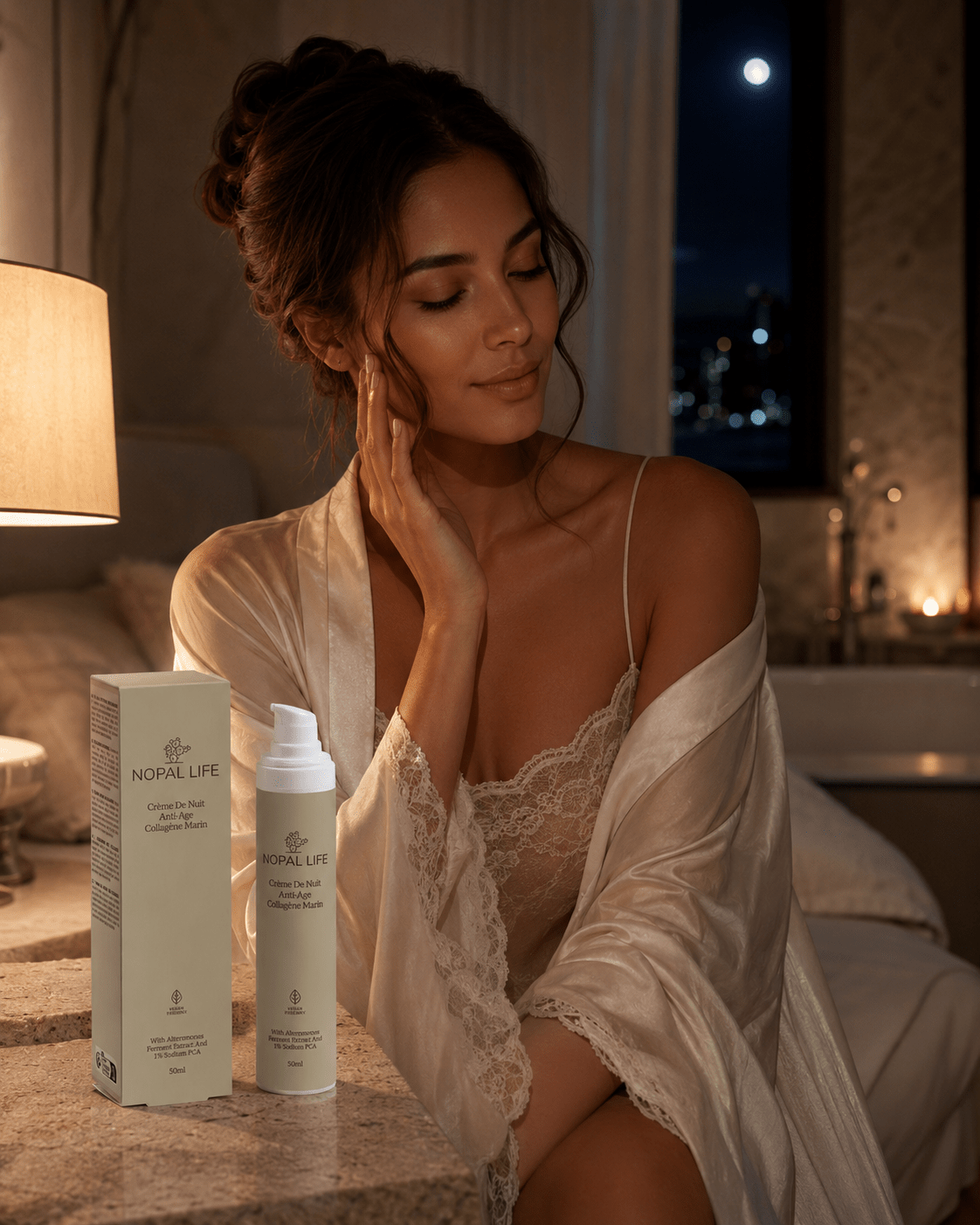
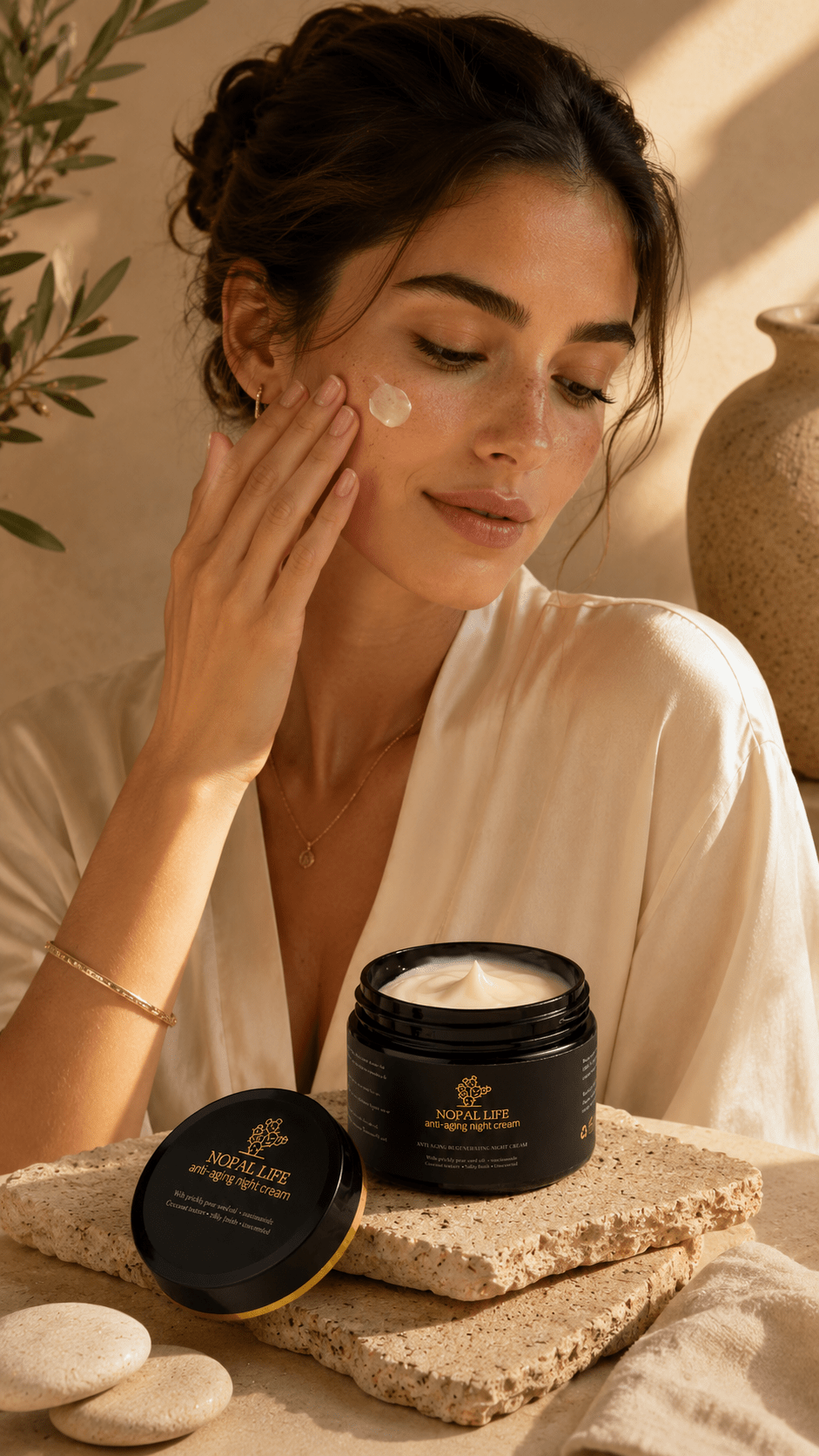
Pair it with our anti-aging night cream and our collagen serum for a complete, day and night synergy. Your skin regains firmness, radiance, and lasting comfort. Discover the Nopal Life formulation designed for your skin profile with our free Skin Intelligence diagnostic.
Information provided for cosmetic and educational purposes; it does not constitute medical advice.
Our anti-aging treatments