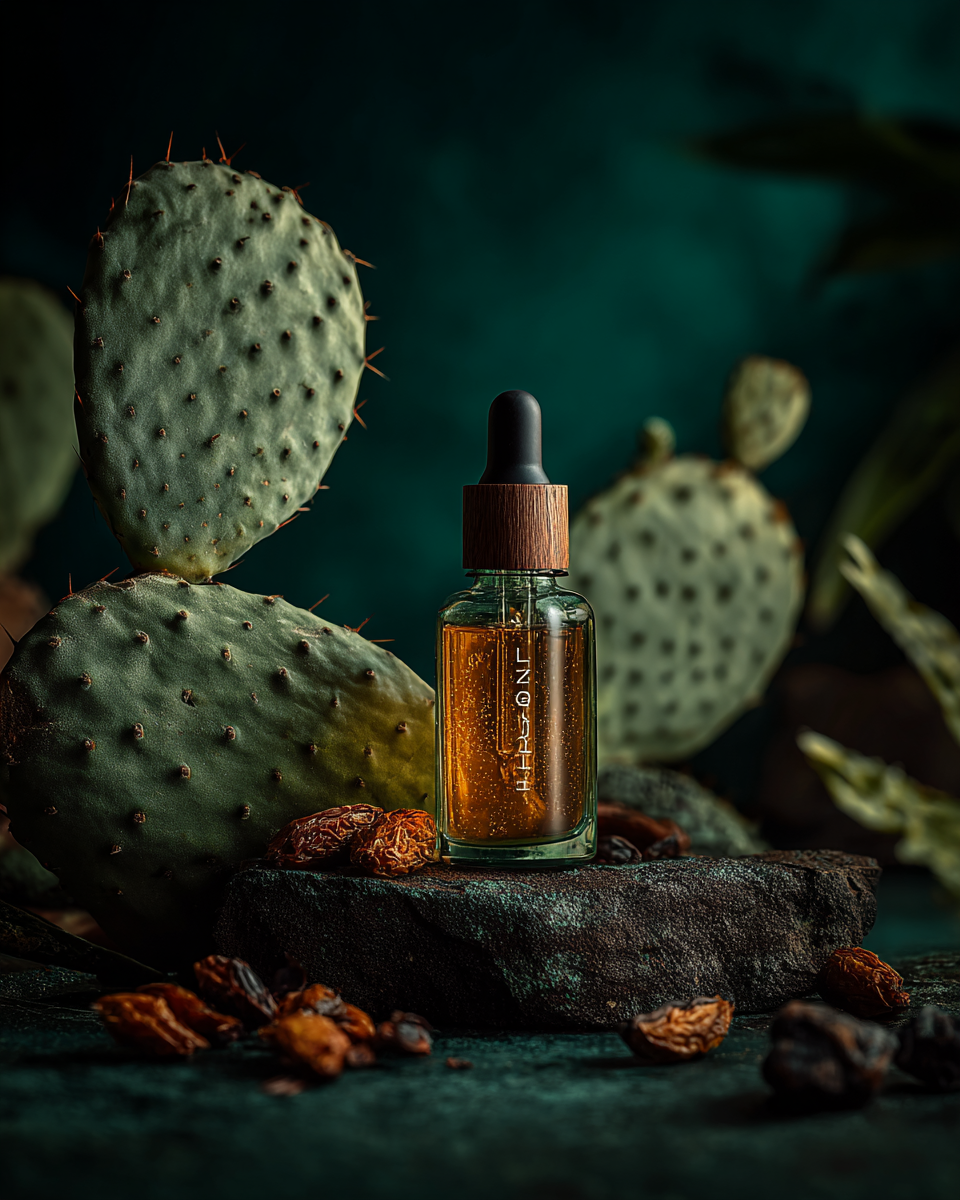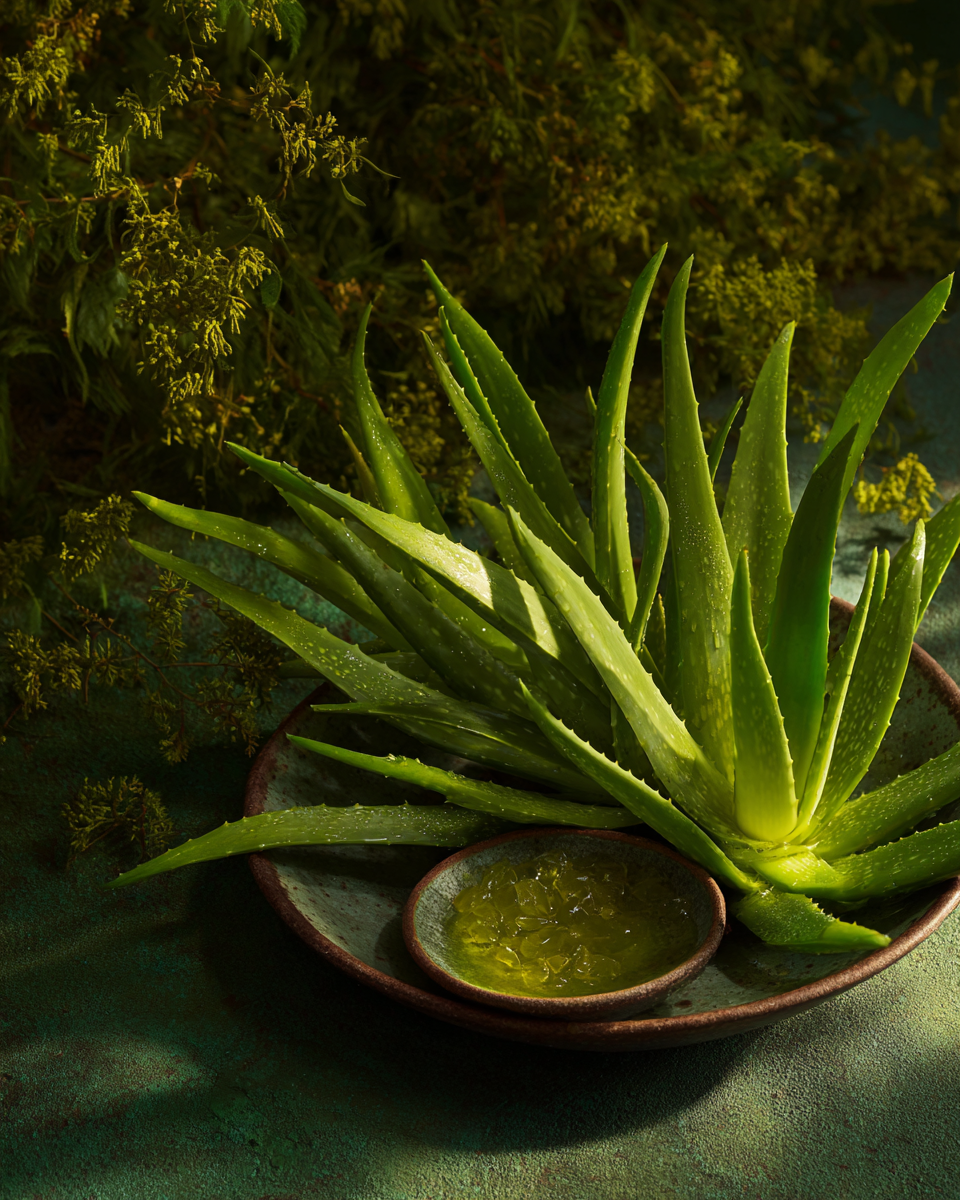
Retinol or aloe vera: two opposing approaches
The question pits two logics against each other, not two comparable products. Retinol transforms the skin slowly and at the cost of adaptation; aloe vera gel soothes and hydrates immediately, with no trade-off. One is a fundamental cosmetic treatment, the other a comfort care product.
Two Profiles
| Criterion | Retinol | Aloe vera |
|---|---|---|
| Nature | vitamin A derivative | water-rich plant gel |
| Action | stimulates cell renewal | hydrates, soothes |
| Timeframe | 3 to 6 months | immediate |
| Adaptation | redness and peeling in the first few weeks | none |
| Time of day | evening only | morning and evening |
| Sun protection | essential | recommended as always |
| Pregnancy | not recommended, medical advice | no known restrictions |
What Retinol Does
It is the best-documented active ingredient for the appearance of fine lines and wrinkles. It stimulates cell renewal and supports collagen production, which explains its effect on fine lines and skin texture.
Its effectiveness comes at a price. The first few weeks are often accompanied by redness, tightness, and peeling. A very gradual introduction—every third evening, then every other evening—and daily sun protection are part of the protocol, not options.
What Aloe Vera Does
Aloe vera gel is mostly composed of water, held on the surface by its polysaccharides. It soothes, hydrates, and its application is immediately noticeable.
Its traditional use on overheated skin is ancient. It stimulates nothing: its role is to make the skin comfortable, which is already considerable when a routine includes demanding active ingredients.
Which for Whom
Reactive skin, beginner, or skin that has already failed with active ingredients: aloe vera. No adaptation, no risk.
Skin accustomed to active ingredients, with established wrinkles: retinol, with the method it requires.
Skin under retinol that feels tight: both, see below.
Combining Them, the Best Answer in Most Cases
Retinol discomfort comes from a weakened skin barrier. Aloe vera gel applied as a supplement significantly improves tolerance.
The simplest method: retinol in the evening on dry skin, aloe vera gel in the morning. The two do not interact, and the skin recovers between applications.
For very reactive skin, a thin layer of aloe before retinol—a technique known as buffering—further reduces discomfort at the cost of a slightly attenuated action. This is a valid option to start with.
What Not to Do
Apply retinol to skin dampened with aloe. It penetrates faster and irritates more. If you use aloe first, let it dry completely.
Skip sun protection. Retinol increases sun sensitivity, and aloe does not protect against ultraviolet rays.
Limitations
An important caveat: retinoids are not recommended for pregnant or breastfeeding women, and this question should be decided with a doctor, not an label. These products are cosmetics and are not intended to be curative. Redness that persists beyond a few weeks requires significant spacing, or even discontinuation.
Frequently Asked Questions
Can both be used on the same evening?
It's possible but not very useful. Retinol in the evening and aloe vera in the morning is simpler and just as effective at improving tolerance.
Does aloe vera reduce the effect of retinol?
Applied in the morning, no. Applied just before retinol, it slightly attenuates the action—this is sometimes desired at the beginning of use.
Which one to choose during pregnancy?
Retinol is not recommended during pregnancy and breastfeeding. Aloe vera has no known restrictions. Always seek medical advice.
What to do if my skin peels under retinol?
Space out applications and increase hydration. Peeling indicates too rapid an adaptation, not superior efficacy.
What the Foundation Does
Pitting the two against each other is only temporary: retinol can only establish itself long-term on comfortable skin. An aloe vera day cream used in the morning prepares this foundation, and this is often what determines success or abandonment after three weeks.


Go further than this article
Get our skincare guides by email — and start with your free skin diagnostic: 2 minutes, advice tailored to your skin. We ship to the US, UK, Canada, Australia and 27 European countries; somewhere else? Sign up and you will be the first to know when we deliver to your country.
By signing up, you agree to our privacy policy. Unsubscribe in one click.