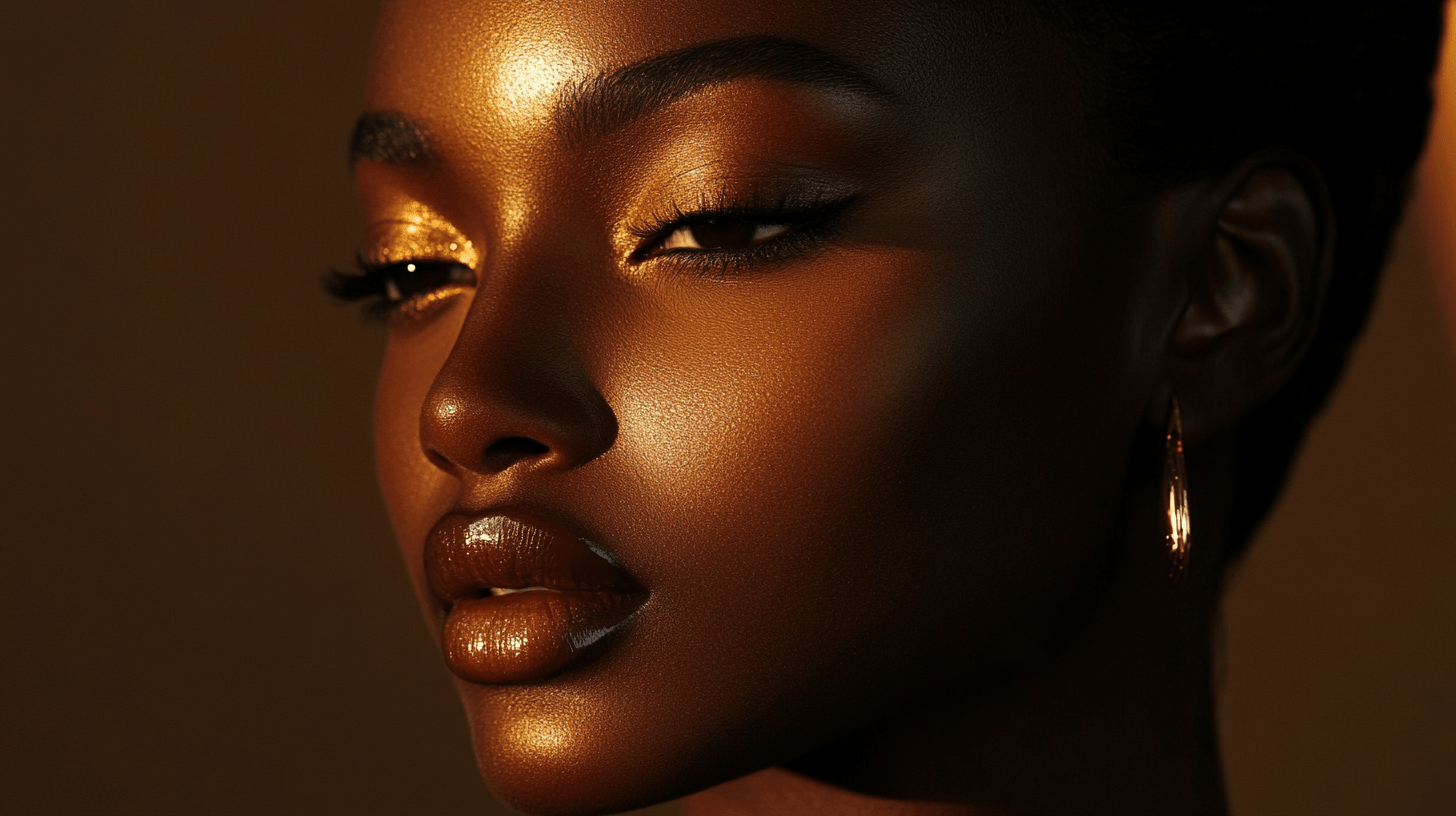
Plant-based resveratrol: natural skincare benefits and routine P1
Botanical Resveratrol: An Exceptional Plant Polyphenol
Resveratrol is a polyphenol from the stilbene family, found in the skin of red grapes, blueberry berries, peanuts, and in a highly concentrated form in the roots of Polygonum cuspidatum (Japanese knotweed), the most widely used plant source for cosmetic extraction. It belongs to the traditionally recognized antioxidant ingredients, valued in cosmetics for their plant richness. It is a renowned active ingredient, different from vitamin E or beta-carotene, often highlighted for its unique polyphenolic profile and botanical origin. As we age, the skin's appearance changes, and its radiance can diminish, which explains the growing interest in antioxidant active ingredients like resveratrol in mature skin routines.
It is a molecule that some plants produce to defend themselves, particularly under stress. Trans-resveratrol is its stable form and the only one with documented cosmetic interest.
Its antioxidant properties are similar to those of vitamin E and green tea, with which it shares the same mode of action: limiting oxidation rather than correcting its effects. This also explains why it is often combined with other antioxidants in the same formula.
Resveratrol and Mature Skin: A Key Active Ingredient for Radiance Routines
Resveratrol is one of the most studied and appreciated ingredients in skincare cosmetics. It is traditionally associated with firm, plump-looking skin and a luminous complexion. In a mature skin routine, it is often sought after to help maintain a radiant and rested facial appearance, and to support daily skin comfort. It is frequently found in products targeting visible radiance and firmness, where it is part of a holistic skincare approach. Valued for its plant richness, resveratrol is integrated into rituals that aim to maintain a healthy, supple, and comfortable skin appearance, without promising transformation but rather in a logic of maintaining and preserving beauty capital.
Resveratrol Integration Protocol in a Mature Skin Routine
Resveratrol requires careful formulations: its sensitivity to oxidation necessitates adapted formulas to preserve its efficacy until application. The most stable forms are liposome-encapsulated resveratrol, rhapontigenin (natural precursor), and standardized Japanese knotweed extracts with 98% trans-resveratrol. For mature skin over 45, the evening is often the preferred time, at a concentration of 0.5 to 1%. It is particularly appreciated in combination with niacinamide (which contributes to comfort and supports the skin barrier's appearance), vitamin E (which complements its antioxidant action), and signaling peptides. Application is done after cleansing and toning, before cream, on slightly damp skin which facilitates the distribution of polyphenolic active ingredients. Regular use over several weeks is generally recommended to appreciate the evolution of texture and radiance.
Mistakes to Avoid with Resveratrol
Despite its generally excellent tolerance profile, resveratrol is often misused, which significantly limits the expected benefits:
Choosing poorly stabilized formulas: Resveratrol degrades on contact with light and air, turning brown and losing its efficacy. A formula in an opaque pump bottle or single dose is preferable to wide-mouthed jars. A product that browns within a few weeks of opening is a degraded product.
Using it alone without cofactors: Resveratrol is best appreciated in combination with other antioxidants. A high-concentration single-active formula is often less effective than a moderate-concentration formula combining resveratrol, vitamin E, and coenzyme Q10.
Applying it to unprepared skin: A weakened skin barrier is less receptive to resveratrol application. Pre-applying a hydrating toner or hyaluronic acid serum helps to better distribute the polyphenolic active ingredients.
Expecting immediate results on deep wrinkles: Resveratrol is a maintenance and upkeep active ingredient, which is part of a logic of appearance and comfort rather than rapid transformation. Its benefits are appreciated over time, as part of a regular maintenance of beauty capital.
Neglecting complementary sun protection: Resveratrol does not replace SPF, which is the first mechanical barrier against the sun. The two are complementary and not interchangeable.
Confusing dietary resveratrol and topical resveratrol: Oral and topical application are distinct approaches. For the care of skin appearance, topical application is more targeted. Both approaches can complement each other.
The first is to ignore the form. Trans-resveratrol is the active molecule; its cis form, produced by light, does not have the same benefit. A clear bottle left on a shelf gradually transforms one into the other.
The second is to expect an immediate effect. Its antioxidant properties act in prevention of what exposure produces, not in correction of what it has already produced — the difference is fundamental and rarely stated.
Resveratrol and Sun Exposure: What You Need to Know
The association between resveratrol and sun exposure is one of the most discussed topics in cosmetic maintenance. UV exposure is one of the main factors influencing skin appearance over time, making sun protection and antioxidant care two complementary axes of any radiance maintenance routine. Resveratrol is traditionally appreciated as a plant-derived antioxidant, and it is often integrated into routines that aim to preserve the skin's radiant and comfortable appearance. This maintenance dimension is particularly sought after for mature skin, which benefits from regular support to preserve its beauty capital and the firm and plump appearance of the face.
Resveratrol in the Nopal Life Routine: Synergy with Prickly Pear
Nopal Life's philosophy is based on the use of natural active ingredients valued for their plant richness, and resveratrol fits perfectly into this approach. Nopal Life pure prickly pear seed oil is an ideal complementary base for a resveratrol serum: its tocopherols (natural vitamin E) pleasantly complement its antioxidant profile. Its phytosterols — among the most concentrated in the plant kingdom — contribute to skin comfort and support the appearance of the barrier function, creating a favorable environment for a polyphenol routine. The often preferred sequence in an evening mature skin routine is as follows: gentle cleansing, hydrating toner, resveratrol serum on slightly damp skin, cream with peptides and ceramides, Nopal Life prickly pear seed oil as a finish to seal everything in and provide an extra antioxidant touch. Our Skin Intelligence™ diagnostic helps identify your skin's radiance and comfort priorities and builds a personalized routine around resveratrol and other active ingredients best suited to your unique skin profile.
Frequently Asked Questions
Q: Is resveratrol as effective in cosmetics as it is when taken orally?
A: The two pathways are distinct and complementary. Topical application directly targets the skin with local concentrations, which is appreciated for the care of skin appearance (radiance, comfort). Oral intake acts more globally. For skin beauty goals, topical application is generally more relevant.
Q: At what age should resveratrol be integrated into a skincare routine?
A: From 35 onwards for maintenance, especially for skin highly exposed to the sun or under high environmental stress. For skin between 20 and 35, vitamin C remains a primary antioxidant choice, more common and less expensive. Resveratrol makes full sense from 40 onwards, when the skin's appearance changes and radiance may diminish.
Q: Can resveratrol be used in the morning?
A: Yes, but it is often preferred in the evening. In the morning, combined with an SPF, it provides an additional antioxidant touch. In the evening, it integrates into the facial care ritual. For mature skin, morning and evening use is appreciated.
Q: Is resveratrol suitable for sensitive skin?
A: Yes, at moderate concentrations (0.5%). Resveratrol is not an exfoliant and generally has a well-tolerated profile. It is appreciated for its comfort at appropriate doses. Reactive skin can nevertheless start with an application frequency of twice a week before daily use.
Q: What is the usual concentration of resveratrol in a cosmetic product?
A: Cosmetic formulas often contain concentrations from 0.1 to 0.5% pure trans-resveratrol. Concentrations above 1% do not necessarily provide a proportional benefit and can pose formulation stability problems. Ensure that the form used is trans-resveratrol (and not cis-resveratrol, which is less sought after in cosmetics).
Q: Can resveratrol be combined with retinol?
A: Yes, and this is one of the most appreciated combinations for mature skin. Retinol supports natural skin renewal while resveratrol provides its antioxidant touch. To avoid any formulation interaction, applying them in separate layers, resveratrol first then retinol 10 minutes later, is good practice.
Q: Are polyphenols from red wine in the diet sufficient for the skin?
A: No. The amount of resveratrol in a glass of red wine is low, well below the amounts used in supplementation. Moreover, alcohol itself is not favorable to the appearance of the skin. Topical application or alcohol-free supplementation are the relevant approaches.
Q: Is resveratrol a sustainable and ethical active ingredient?
A: Japanese knotweed, the main industrial source, is an invasive plant whose exploitation paradoxically contributes to the management of problematic populations for the environment. Grape extracts from wine residues valorize co-products that would otherwise be eliminated. These sectors are generally considered sustainable and are part of a circular economy approach compatible with the values of responsible natural cosmetics.
This content is informative and educational; it does not replace medical advice, diagnosis, or dermatological consultation. In case of doubt or persistent skin problems, consult a qualified health professional.
PERSONALIZED ROUTINE
Nopal Life Skin Intelligence™
Free diagnostic · 2 minutes
DISCOVER MY ROUTINE →


Go further than this article
Get our skincare guides by email — and start with your free skin diagnostic: 2 minutes, advice tailored to your skin. We ship to the US, UK, Canada, Australia and 27 European countries; somewhere else? Sign up and you will be the first to know when we deliver to your country.
By signing up, you agree to our privacy policy. Unsubscribe in one click.