Mature, dehydrated skin barrier protection: fine lines, firmness, and botanical mask
Your skin barrier is your skin's first line of defense against external aggressions: pollution, temperature fluctuations, microorganisms, and oxidative stress. On mature, dehydrated skin, this barrier gradually weakens, leading to a cascade of visible imbalances—persistent tightness, dull complexion, fine lines, and loss of firm appearance. Understanding how it works and how to support it is essential for any sensible and sustainable cosmetic approach.
This guide thoroughly explores the role of ceramides and lipids in epidermal cohesion, the appearance of surface fine lines, and how a botanical powder mask made from prickly pear can provide a true shield of comfort for fragile mature skin.
Understanding the skin barrier: essential architecture and functions
The skin barrier, also known as the epidermal barrier, is a complex and dynamic structure located in the stratum corneum. It is based on a "brick and mortar" model: corneocytes (bricks) are embedded in an intercellular lipid matrix (mortar) composed primarily of ceramides, free fatty acids, and cholesterol.
This lipid system performs three essential functions. First, it helps limit transepidermal water loss (TEWL), contributing to the long-term maintenance of tissue hydration. Second, it forms a shield against external aggressors and irritants. Third, it contributes to the skin's comfort and balanced appearance.
A lower ceramide content in the stratum corneum is associated with an increase in TEWL and increased skin sensitivity. In mature skin, this decrease naturally accentuates with age, explaining the sensation of "cardboard-like" or perpetually tight skin that many women describe after 45.
Ceramides and lipids: the essential mortar for mature skin
Ceramides represent about 50% of the lipid composition of the stratum corneum. They are sphingolipids that ensure the cohesion of cell layers and assist the passage of hydrophilic and hydrophobic molecules through the epidermis. There are at least 12 subclasses of human ceramides (CER1 to CER12), each playing a specific role in barrier integrity.
On dehydrated and mature skin, the depletion of ceramides alters the organization of intercorneocyte lipids. Specifically, the lipid "sheets" that arrange themselves in regular layers become irregular, creating "gaps" through which water evaporates more easily and irritants penetrate. This often results in diffuse redness, reactive skin, and a persistent sensation of dehydration that is not very responsive to ordinary care.
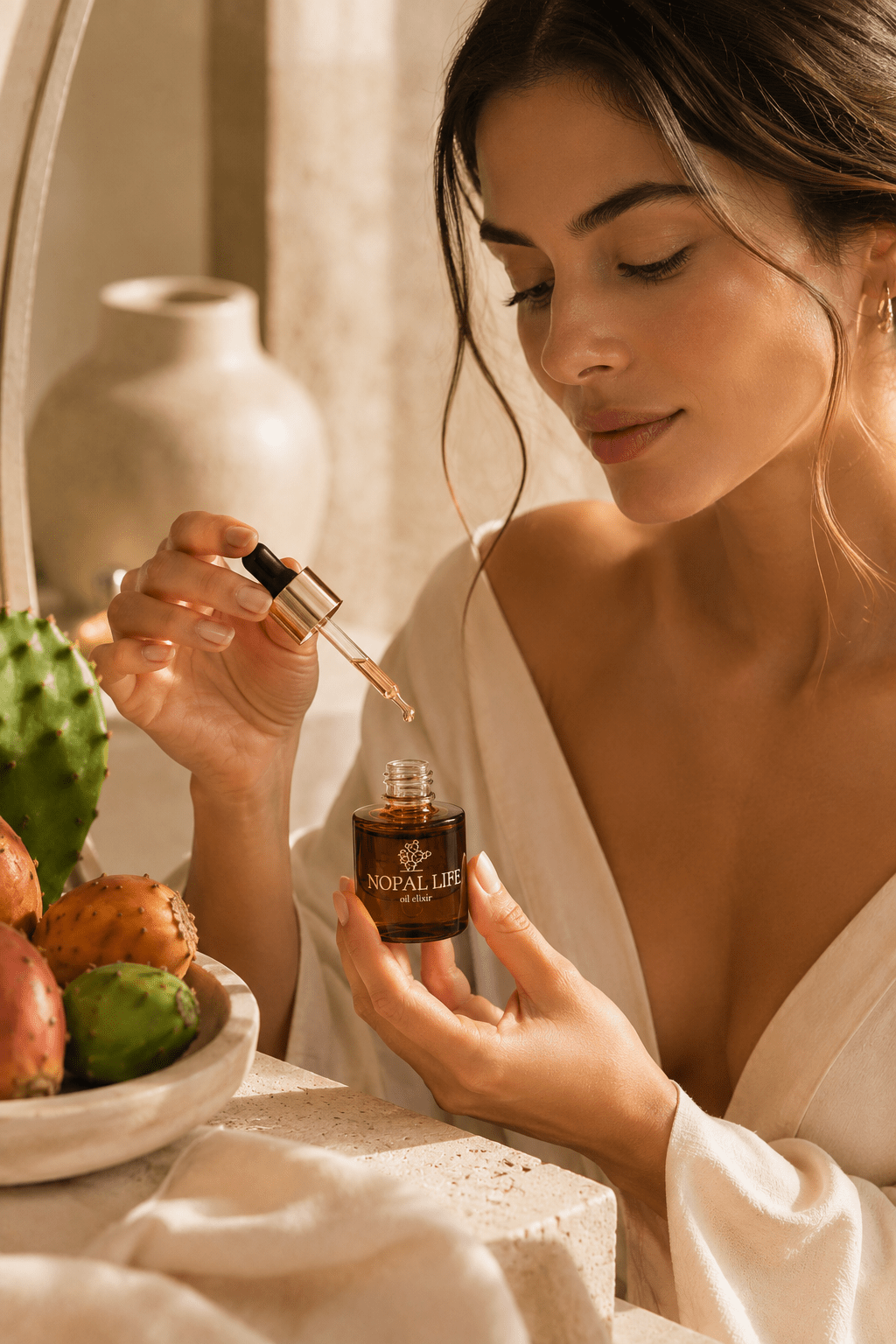
Free fatty acids (especially linoleic acid, omega-6) also play an important role: they contribute to the composition of several ceramides, particularly ceramide 1 (CER EOS), often in smaller quantities on skin with a weakened barrier. An oil rich in linoleic acid—such as prickly pear oil, which contains between 55 and 65% according to INCI analyses—helps provide the skin with these essential lipids.
Fine lines and their appearance on the skin's surface
Fine lines (fine surface wrinkles, distinct from deep expression lines) are the first visible manifestations of a weakened skin barrier combined with a reduced water content in the epidermis. They form primarily in the upper epidermal layer, where dehydration is most pronounced.
On the surface, fine lines indicate two concomitant phenomena. First, a shrinking of corneocytes due to dehydration: each corneal cell loses volume and "wrinkles," creating micro-reliefs visible to the naked eye in grazing light. Second, a reduced apparent density of supporting tissues in the superficial dermis, accentuated by oxidative stress over time.
Cosmetic research suggests that the appearance and organization of dermal support tissues are linked to the state of the overlying epidermal barrier: a compromised barrier is often accompanied by a less even complexion and a loss of suppleness. In other words, supporting and preserving the skin barrier contributes to the appearance of fine lines and the visible quality of the skin in a sustainable way.
For skin showing fine lines and a loss of firm appearance, it is therefore not enough to hydrate the surface: it is useful to support the lipid cohesion of the stratum corneum to preserve skin comfort.
The botanical powder mask: a multi-active comfort shield
Among the most innovative formulation approaches for mature skin with a weakened barrier, the botanical powder mask holds a unique place. Unlike liquid or creamy formulas that can dilute concentrated active ingredients, an anhydrous botanical powder offers several decisive structural advantages.
First, the absence of water in the formula limits the risk of degradation of sensitive active ingredients (polyphenols, fat-soluble vitamins, plant actives). The active ingredients are "frozen" in their optimal state until activated with water or a floral water. Second, the powdery texture allows for a much higher concentration of lipid and polyphenolic active ingredients than a classic emulsion, which by definition must balance aqueous and oily phases.
Nopal Life prickly pear powder perfectly illustrates this principle. Obtained by low-temperature atomization (a process that preserves thermosensitive compounds), it concentrates the components of Opuntia ficus-indica: betalains (antioxidant pigments that help protect against external aggressions), flavonoids (quercetin, kaempferol), mucilaginous polysaccharides with film-forming action, and a lipid fraction rich in tocopherols (natural vitamin E) and plant sterols that provide the skin with lipids related to those of the stratum corneum.
Upon application, nopal polysaccharides form a biocompatible film on the skin's surface, mimicking the "gentle occlusive" effect of natural ceramides: it helps limit TEWL without waterproofing the skin, allowing normal skin respiration while retaining hydration. This action is reinforced by plant sterols that integrate into the intercorneocyte lipid lamellae, helping to fill in the appearance gaps related to a lack of ceramides. For treatments targeting a firm and plump appearance, this contribution is particularly valuable.
Application protocol to maximize barrier protection
To achieve an optimal barrier shield effect with a botanical powder mask, the application protocol is as important as the formulation itself. Here are the recommended steps for mature, dehydrated skin:
Preparation: Start with gentle cleansing, without sulfates or irritating surfactants that alter the residual hydrolipidic film. Apply immediately after to slightly damp skin (not thoroughly dried) to promote the penetration of hygroscopic active ingredients.
Mask activation: Mix the botanical powder with thermal water, rose or neroli floral water (slightly toning and soothing) in a 1:2 ratio until a homogeneous texture is obtained. The natural acidity of floral waters (pH 4.5–5.5) is compatible with the physiological pH of mature skin and supports the action of polyphenols.
Waiting time and rinsing: Leave on for 15 to 20 minutes. Rinse with lukewarm water (never hot, which dilates pores and accentuates TEWL). It is essential to finish with the application of prickly pear oil to seal in the deposited active ingredients and provide fatty acids to the stratum corneum. The complementary powder + oil combination creates a particularly noticeable "double barrier comfort" effect.
Recommended frequency: 2 to 3 times a week for skin with a compromised barrier comfort, then once a week for maintenance. Explore Nopal Life beauty tips and advice to build a complete routine adapted to your skin type.
Mistakes to avoid to prevent weakening the skin barrier
Even with the best care, some common habits harm the preservation of the skin barrier. Here they are, with alternatives to adopt.
Over-exfoliating mature skin. Exfoliating acids (AHAs, BHAs) are valuable, but used too frequently on dehydrated skin with a compromised barrier, they accelerate corneocyte desquamation and amplify TEWL. Rule: maximum 1 time per week during periods of barrier fragility, never on the evening of an active mask.
Using micellar waters containing PEGs or harsh surfactants. These molecules dissolve not only makeup but also intercorneocyte lipids. Prefer cleansing oils or cleansing balms based on plant esters for mature skin.
Skipping the "sealing" step after the mask. Applying a mask without concluding with an oil or rich cream is like opening a window after heating a room: the active ingredients applied evaporate with post-rinse TEWL. Prickly pear oil, 2-3 drops, is the ideal sealant.
Confusing hydration with barrier care. A hyaluronic serum hydrates the superficial dermis but does not fill the lipid gaps in the stratum corneum. The two approaches are complementary but do not substitute for each other.
Applying active ingredients to dry, warm skin (post-hot bath). Heat dilates blood vessels and accentuates redness. Always wait 10 minutes after a hot shower before applying any active care.
Conclusion
Preserving the skin barrier of mature, dehydrated skin supports its firm appearance and comfort. A botanical mask rich in active ingredients helps to plump the skin and reduce the appearance of fine lines. Regular use optimizes its benefits. A preserved barrier leaves skin supple, soothed, and visibly more toned.
Frequently Asked Questions about Skin Barrier Protection
Q: At what age does the skin barrier begin to noticeably weaken?
A: The first changes (decrease in ceramides, reduction in natural moisturizing factor) are observable from 35–40 years old. Visible signs—chronic tightness, fine lines around the eyes—generally become noticeable between 40 and 50 years old, depending on cumulative sun exposure and skincare habits.
Q: Can botanical powder replace a daily moisturizer?
A: No, it complements it. The powder mask is a concentrated weekly treatment to help and sustainably support the barrier. Daily cream ensures continuous hydration. The two formats address different temporal needs.
Q: Can prickly pear powder be used on sensitive, reactive skin?
A: Yes, provided you start with a reduced application time (10 minutes) and activate with neutral thermal water rather than an acidic floral water. Nopal polysaccharides are appreciated for their soothing effect on reactive skin.
Q: What is the difference between fine lines and expression lines?
A: Fine lines are superficial wrinkles located in the epidermis, linked to dehydration and a compromised barrier. Expression lines are deeper, etched into the dermis by repeated contraction of the facial muscles. The former respond well to topical barrier comfort care; the latter require complementary approaches.
Q: How long does it take to see a visible improvement in the barrier?
A: With barrier comfort care, a feeling of suppleness and hydration generally develops over the first few weeks of regular use. A visible improvement in the appearance of surface fine lines and skin radiance is usually noticeable after several weeks of regularity.
Q: Does diet influence the quality of the skin barrier?
A: Yes, significantly. Essential fatty acids (omega-3, omega-6) supplied through diet contribute to the composition of skin ceramides. A lack of dietary linoleic acid is associated with drier skin and a compromised barrier. Zinc and vitamin A intake also supports skin quality.
Q: Is the powder mask suitable for mature combination or oily skin?
A: Yes. Unlike cream masks that can weigh down T-zones, botanical powder adapts to existing sebum—it delivers active ingredients without overloading oily areas. For mature combination skin (oily T-zone + dehydrated cheeks), it is a particularly well-suited formulation.
Q: Can botanical powder be used around the eyes?
A: The area around the eyes is the thinnest and most fragile. Apply in a light layer, avoid direct contact with the eyes, and reduce the application time to 10 minutes. If in doubt, start by testing on the neck to assess tolerance.
Take care of your skin barrier with Nopal Life
Nopal Life prickly pear powder is formulated to help support the lipid cohesion of the stratum corneum, limit TEWL, and sustainably preserve the comfort of dehydrated mature skin.
Content written based on general knowledge of cosmetics and skincare.
Why choose Nopal Life to support mature skin
Supporting mature skin involves active ingredients recognized for their cosmetic benefits. Nopal Life prickly pear oil, rich in essential omega-6 and omega-9 fatty acids, vitamin E, and plant sterols, contributes to the suppleness and apparent density of the skin film. It helps preserve a firm and plump appearance, reduces the look of dehydration fine lines, and supports the comfort of the epidermal barrier for a visible smoothing effect from the first weeks.
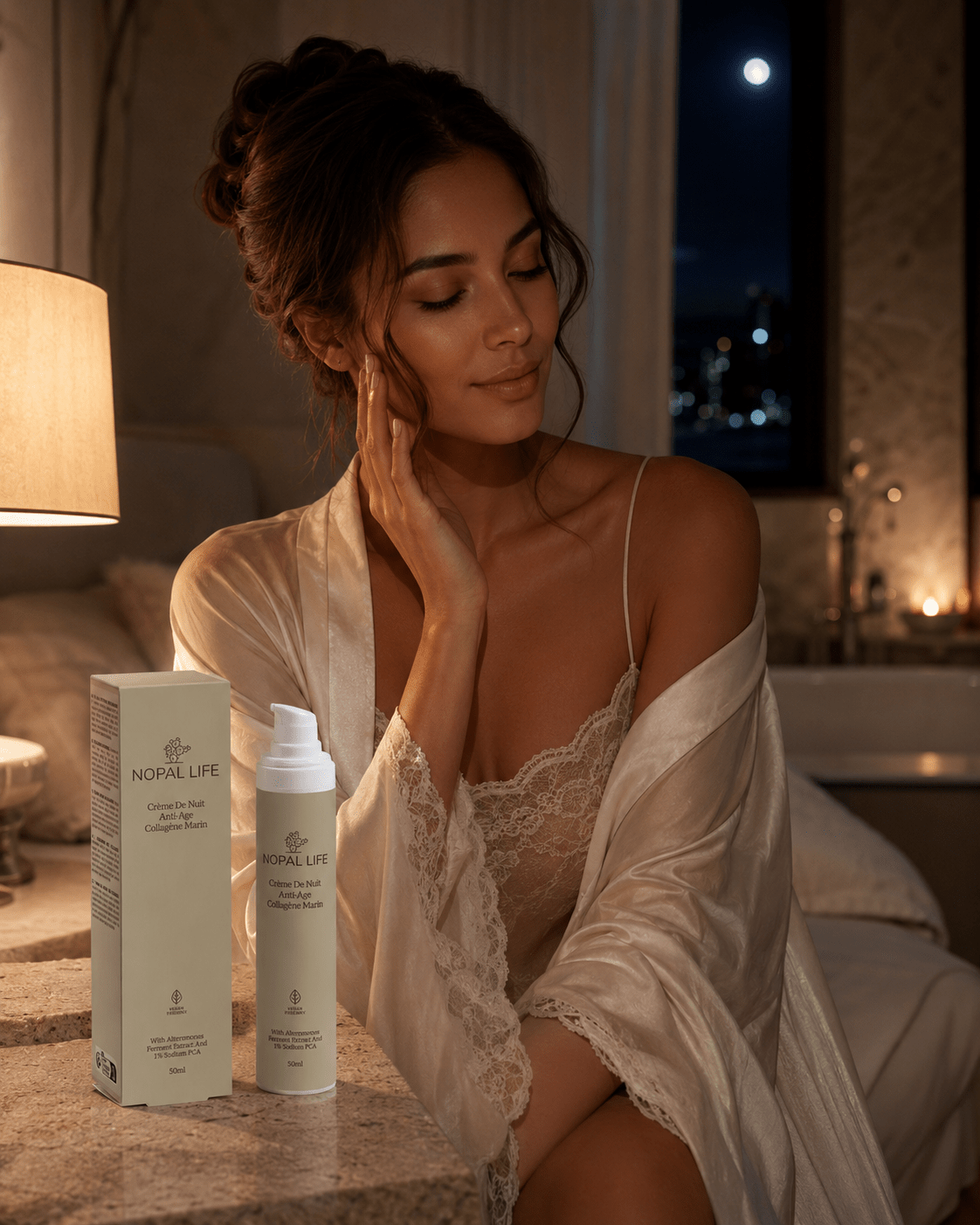
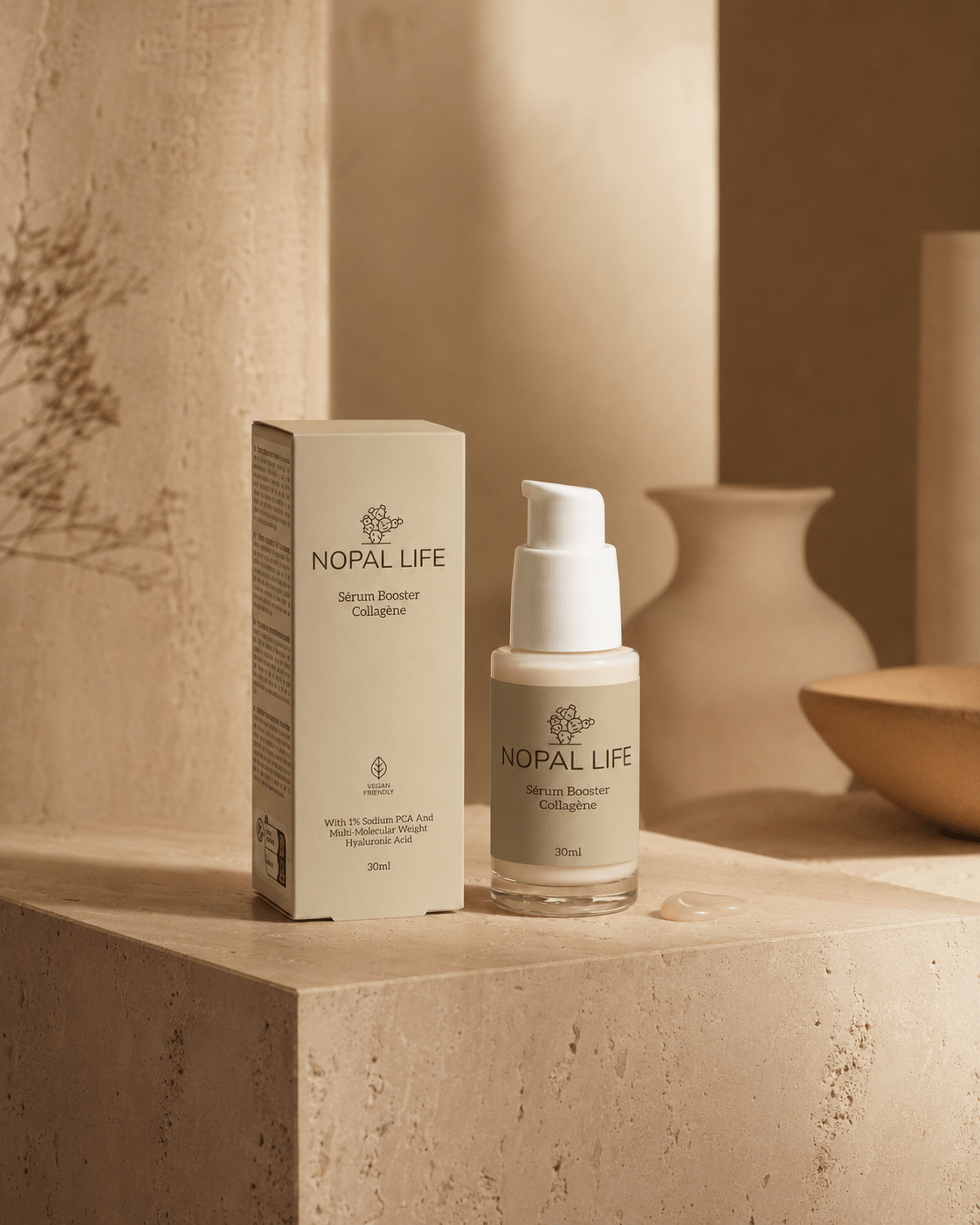
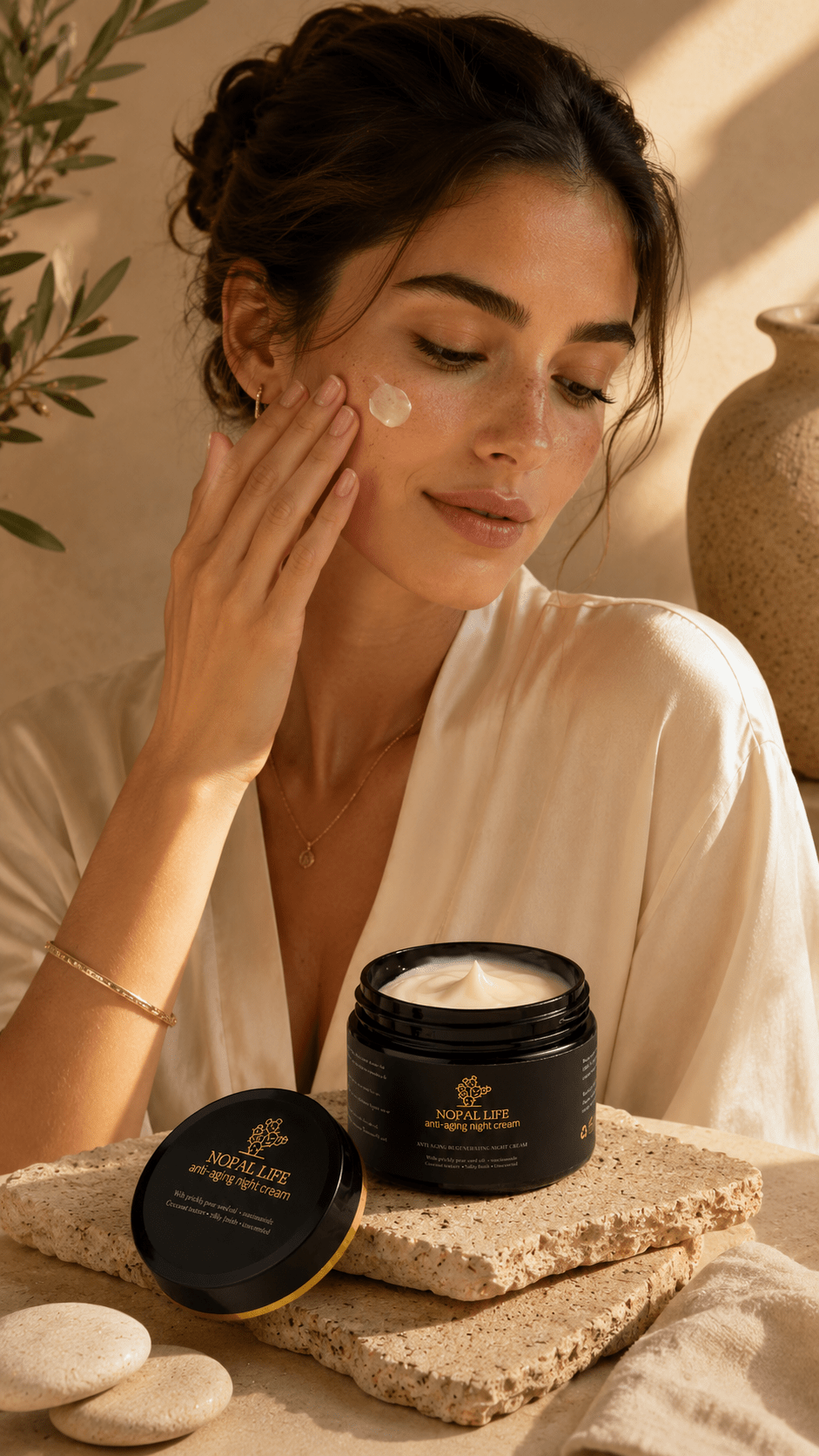
Combine it with our night cream and serum for a complete synergy, day and night. Your skin regains a firm appearance, radiance, and lasting comfort. Discover the Nopal Life formulation designed for your skin profile with our free Skin Intelligence diagnostic.
RECOMMENDED CARE
Botanical powder mask
Natural formula · Origin Algeria
DISCOVER THIS CARE →PERSONALIZED ROUTINE
Nopal Life Skin Intelligence™
Free diagnostic · 2 minutes
DISCOVER MY ROUTINE →This information is provided for educational purposes and does not replace the advice of a healthcare professional.
Information provided for cosmetic and educational purposes; it does not constitute medical advice.
Our anti-aging treatments