Prevention of dark spots on dehydrated sensitive skin: tyrosinase MITF, PIH and gentle depigmenting agents niacinamide arbutin
Dehydrated and sensitive skin is most susceptible to the appearance of dark spots. When the skin barrier is compromised, every aggression — UV, friction, discomfort, oxidative stress — can promote the appearance of spots that are difficult to fade. Understanding how spots appear, identifying the triggers specific to this skin type, and adopting an appropriate preventive routine: this is the objective of this comprehensive guide dedicated to preventing the appearance of spots on dehydrated sensitive skin.
How spots appear
A dark spot — whether it's sun-related, from an old blemish, or hormonal changes — corresponds to an area where the skin appears darker because the skin's natural pigment (melanin) is more concentrated there. This is a common phenomenon, especially noticeable where the skin has been stressed.
On skin with a weakened barrier, this tendency is more pronounced: the skin reacts more to daily aggressions, and stressed areas appear more easily marked. This is why dehydrated and sensitive skin is, by nature, more exposed to the appearance of dark spots than skin with a comfortable and balanced barrier. Preserving the barrier's comfort and hydration is therefore the very first preventive step.
Factors that promote dark spots on dehydrated sensitive skin
Several factors promote the appearance of dark spots on this skin type:
UV rays (ultraviolet radiation) are the number one factor. They stress the skin and accentuate the appearance of existing spots. On skin with a weakened barrier, their effects are more marked and longer-lasting — hence the importance of daily photoprotection.
Marks from old blemishes are responsible for a large part of the spots observed on sensitive skin. Every pimple, every micro-mark can leave a darker-looking area that can persist for several months depending on the phototype.
Friction and micro-aggressions — including over-vigorous cleansing — can be enough to mark sensitive skin. The associated skin dryness accentuates the phenomenon by further weakening the barrier.
Finally, hormonal variations play a role: they can increase skin sensitivity and promote the appearance of dark spots, which are particularly common on dehydrated sensitive skin with a fragile barrier.
Residual marks: the specific spot for sensitive skin
Residual marks left after an imperfection deserve special attention in this guide. They represent the most common type of spot on sensitive and dehydrated skin, and often the most poorly managed.
On a compromised skin barrier, these marks take longer to fade. Dehydrated skin indeed sees the appearance of these marks diminish more slowly, due to reduced skin comfort. Restoring skin hydration and comfort is therefore not a cosmetic luxury: it is a prerequisite for helping the appearance of these marks fade.
Prevention primarily involves avoiding aggressions: never scratch, never extract oneself, use only non-irritating textures, and systematically protect marked areas from the sun.
Gentle active ingredients to support complexion appearance
Not all active ingredients are suitable for sensitive skin. Several are appreciated for their gentle profile and their interest in complexion appearance:
Niacinamide 4% — Niacinamide (vitamin B3) helps to even out complexion appearance and reduce the appearance of spots, while strengthening the comfort of the skin barrier. It is very well tolerated, even by reactive skin, making it a doubly interesting active ingredient for this skin profile.
Alpha-arbutin 1% — Alpha-arbutin is appreciated for helping to reduce the appearance of spots without causing discomfort or sun sensitivity. At 1%, it is well tolerated and suitable for sensitive skin.
Kojic acid 0.5-1% — Of natural origin, kojic acid is appreciated for supporting radiance and evenness of complexion appearance. At low concentrations, it is generally well tolerated; it is recommended to introduce it gradually (2 to 3 times a week at the beginning of the routine).
These three active ingredients can be combined in a sequenced routine, with breaks between applications to preserve the comfort of the fragile skin barrier.
Prickly pear seed oil + SPF protocol: daily prevention
Preventing the appearance of spots on dehydrated sensitive skin relies on two complementary pillars: skin barrier comfort and daily photoprotection.
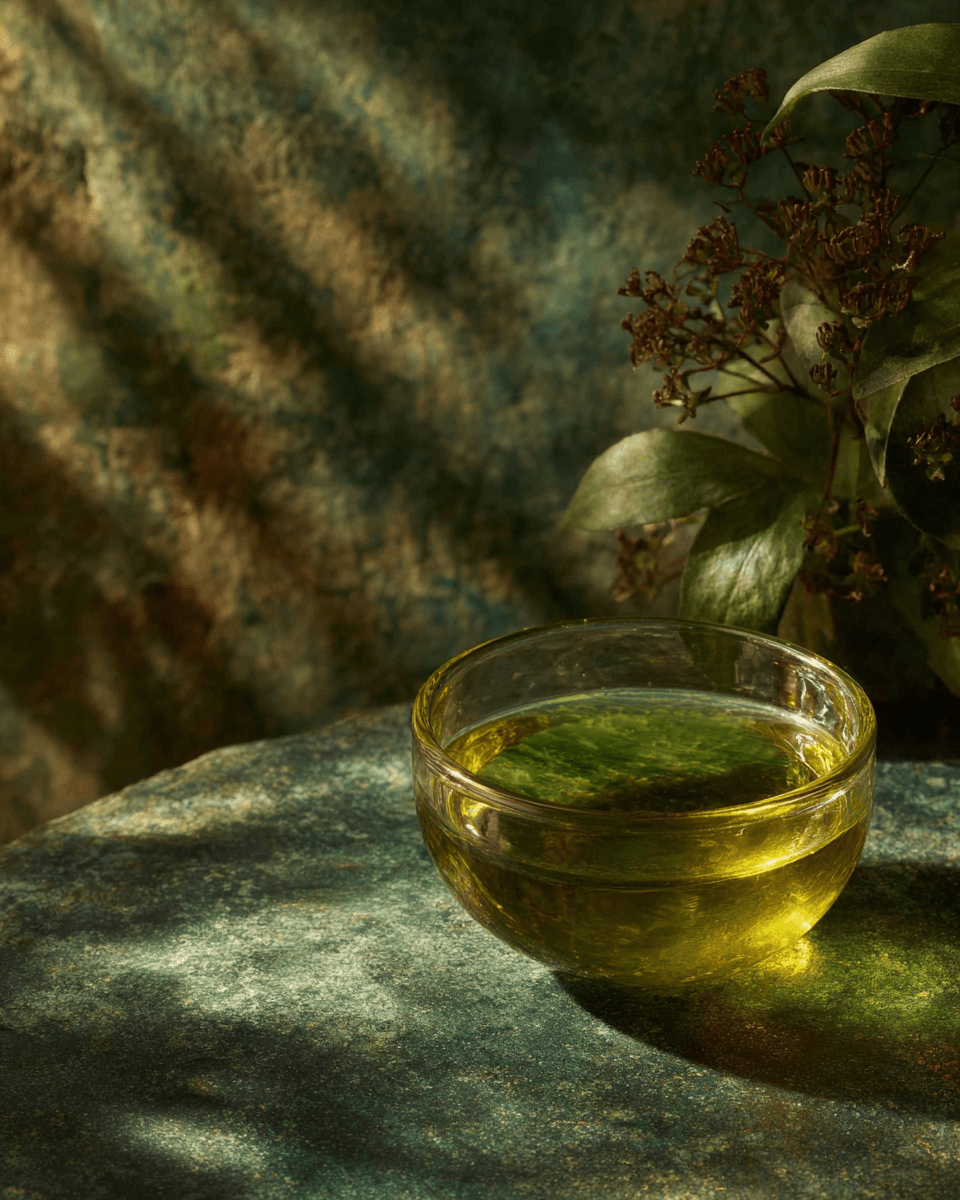
Pure prickly pear seed oil (Opuntia ficus-indica) rightfully occupies a prominent place here. Its exceptional lipid composition — linoleic acid (60-65%), vitamin E (tocopherols and tocotrienols), phytosterols, vitamin K — gives it several advantages for supporting complexion appearance and skin comfort:
- Linoleic acid: helps maintain skin suppleness and even appearance
- Vitamin E: antioxidant action that helps protect the skin from the visible effects of oxidative stress related to UV
- Phytosterols: help strengthen surface lipids and maintain barrier appearance
- Vitamin K: traditionally valued for its soothing comfort on the appearance of marks
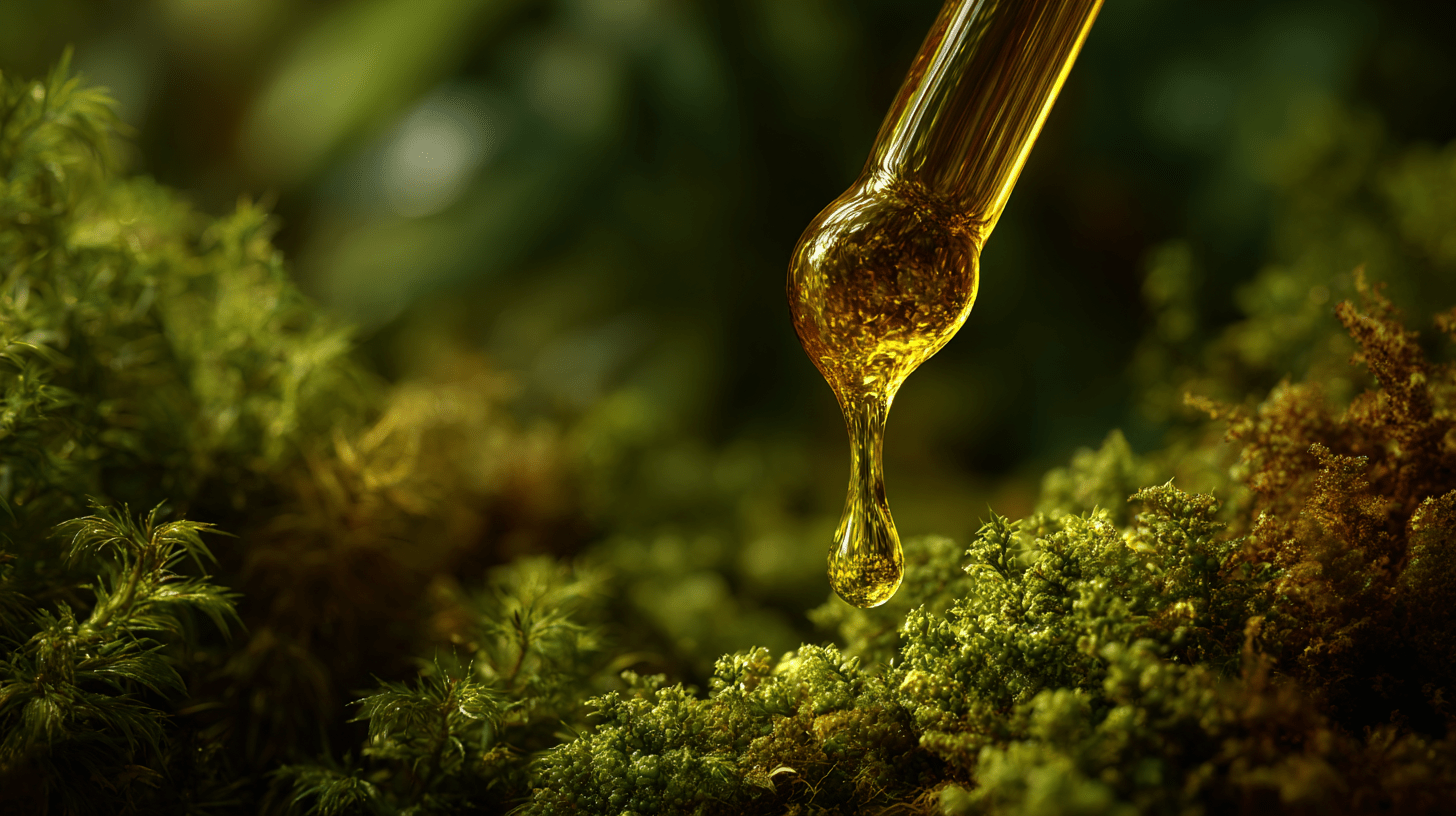
Nopal Life Prickly Pear Seed Oil is applied as an evening treatment to clean, slightly damp skin: 3 to 4 drops over the entire face, gently patting to avoid any friction. In the morning, after gentle cleansing, the application of a broad-spectrum SPF 50+ (UVA/UVB) is non-negotiable: no brightening treatment can fully deliver without strict photoprotection.
The complete protocol recommended to preserve skin radiance:
- Morning: Gentle cleansing → Niacinamide 4% serum → SPF 50+
- Evening: Gentle double cleansing → Alpha-arbutin 1% serum (3×/week) → Nopal Life Prickly Pear Seed Oil 3-4 drops
- Weekly: Kojic acid 0.5% as a targeted mask on spots (15 min, 2×/week)
To personalize this protocol according to your exact skin profile, the Nopal Life skin diagnosis analyzes 11 parameters and generates a tailor-made routine adapted to your skin barrier.
Mistakes to absolutely avoid
On dehydrated sensitive skin, certain common practices accentuate the appearance of spots instead of reducing them:
Using overly concentrated or irritating active ingredients — Very potent active ingredients, high-dose retinoids, or aggressive acid peels generate contact discomfort that can precisely accentuate the appearance of the spots you are trying to fade. On sensitive skin, "stronger" does not mean "more effective."
Neglecting SPF in winter or on cloudy days — 80% of UV rays pass through clouds. UVA rays also penetrate glass. Without daily SPF, the visible benefits of all brightening treatments are compromised.
Applying mechanical exfoliants to active spots — Abrasive grains create micro-marks that accentuate the appearance of spots. For sensitive skin, prefer gentle enzymatic exfoliants (papain, bromelain) at very low concentrations.
Interrupting the routine at the first improvements — Visible marks are stubborn. A preventive routine should be maintained for at least 3 months, even if visible results appear earlier. Premature cessation is almost systematically accompanied by a return of spots.
Layering too many active ingredients without order or delay — On sensitive skin, the rule is: one brightening active ingredient at a time per half-day. Mixing everything in the same layer can cause unpredictable reactions.
FAQ — Spot prevention on dehydrated sensitive skin
Is dehydrated skin really more prone to spots?
Yes. Dehydration weakens the skin barrier, increasing its reactivity to irritants and UV. Fragile skin marks more easily: it reacts to stimuli that would not affect well-hydrated skin. Restoring hydration is therefore the first preventive step, even before any brightening active ingredient.
What is the difference between a sunspot and a residual mark?
A sunspot results from repeated UV exposure: it is localized, well-defined, and generally painless. A residual mark, on the other hand, appears after an old blemish. On sensitive skin, both can coexist and accumulate.
Can prickly pear seed oil really help with spots?
It primarily helps to prevent the appearance of spots by comforting the skin. Its vitamin E provides antioxidant action against oxidative stress related to UV; its phytosterols help preserve the barrier's appearance, which reduces skin reactivity; its linoleic acid helps maintain a supple and even-looking complexion. It is not a lightening product, but an ally for comfort and prevention of spot appearance.
Can niacinamide and alpha-arbutin be used at the same time?
Yes, these two active ingredients are compatible and complementary for complexion appearance. On sensitive skin, caution involves introducing them separately (niacinamide in week 1, alpha-arbutin added in week 3) to ensure individual tolerance before combining them in the same routine.
How long does it take for a mark to fade?
On dehydrated sensitive skin, the appearance of a mark fades slowly without a suitable routine. With a routine combining barrier hydration, gentle active ingredients (niacinamide + alpha-arbutin), and strict photoprotection, a progressive improvement in appearance is generally observed over 8 to 12 weeks. Patience and regularity are the two essential conditions.
Is SPF really essential even indoors?
Yes. UVA rays penetrate glass and are the main cause of the accentuation of existing spots. If you work near a window, your skin is exposed for several hours a day. A broad-spectrum SPF 50+ applied every morning — including in winter and on cloudy days — is the most effective preventive measure in the entire routine.
Are there any active ingredients to avoid on sensitive skin?
Yes. Some very powerful anti-blemish active ingredients are too irritating for this skin profile. On sensitive dehydrated skin, a gentle and progressive approach is always more effective in the long term.
How do I know if my protocol is suitable for my skin type?
The best way to adapt your routine is to know your skin profile precisely: level of dehydration, reactivity, tendency to spots, state of the barrier. The Nopal Life Skin Intelligence diagnosis analyzes 11 parameters and generates a personalized routine including the active ingredients and textures adapted to your skin, with a direct product selection integrated.
Why choose Nopal Life for lasting hydration
Skin hydration is not limited to applying water to the skin: it requires film-forming active ingredients that help retain water in the skin. Nopal Life formulates each treatment around recognized humectant agents (hyaluronic acid, aloe vera, prebiotics) combined with prickly pear seed oil, an exceptional natural emollient that helps seal in hydration and strengthen the lipid film.
The result: plump, supple, and comfortable skin that lasts. Each formulation is adapted to your skin type. Take your free diagnosis to identify the ideal hydration routine for you.
RECOMMENDED TREATMENT
Pure Prickly Pear Seed Oil
Natural formula · Origin Algeria
DISCOVER THIS TREATMENT →This content is informational and educational; it does not replace medical advice, diagnosis, or dermatological consultation. In case of doubt or persistent skin problems, consult a qualified healthcare professional.
Read more


Go further than this article
Get our skincare guides by email — and start with your free skin diagnostic: 2 minutes, advice tailored to your skin. We ship to the US, UK, Canada, Australia and 27 European countries; somewhere else? Sign up and you will be the first to know when we deliver to your country.
By signing up, you agree to our privacy policy. Unsubscribe in one click.