Prevention of skin glycation in dull, combination skin: diet, antioxidants, and collagen routine
Is your skin lacking radiance, does the texture seem uneven, are the first wrinkles appearing faster than expected? Skin glycation might be the explanation you're looking for. This process, still largely unknown to the general public, is often cited among the factors associated with the aging appearance of dull and combination skin. This P1 guide gives you all the keys to understanding glycation, avoiding it in your daily life, and incorporating the right active ingredients into your routine.
What is skin glycation and why does it affect the skin's appearance?
Glycation is a natural reaction between sugar molecules circulating in the blood — mainly glucose and fructose — and certain skin proteins, particularly collagen and elastin. This leads to the formation of compounds called AGEs (Advanced Glycation End-products).
Over time, this phenomenon is associated with a less firm and less plump appearance of the skin. The visible result: dull complexion, pores that appear enlarged, uneven texture, more pronounced wrinkles, and loss of radiance. Combination skin — where the balance of the skin's film is already fragile — is particularly affected by this loss of radiance in the T-zone as well as on the cheeks.
The complexion can gradually dull, the skin appears less luminous, and the appearance of the skin surface seems less regular. It is precisely this visible dimension that good daily practices aim to address.
Low glycemic index diet: the first line of defense
Glycation prevention begins with diet. Adopting a low glycemic index (GI) diet is one of the most frequently recommended approaches to limit glycation in daily life.
To prioritize:
- Legumes (lentils, chickpeas, beans) — GI 20–40
- Non-starchy vegetables: zucchini, broccoli, spinach, bell peppers
- Al dente whole grains: quinoa, buckwheat, old-fashioned oats
- Red fruits and berries: blueberries, raspberries, pomegranates — rich in polyphenols
- Fatty fish (salmon, sardines): sources of omega-3
- Extra-virgin olive oil: monounsaturated fatty acids
To drastically reduce:
- Refined sugars, sodas, industrial fruit juices
- White bread, pastries, sugary breakfast cereals
- High-temperature cooking (grilling, frying) which forms exogenous AGEs
- Ultra-processed products rich in hidden fructose
Generally, a low GI diet is often associated with skin that appears denser and more even, when combined with a healthy lifestyle over several weeks.
Also consult our selection of specific tips for dull and combination skin to complement your nutritional approach.
Topical antioxidants: carnosine, vitamin C and prickly pear seed oil
Topical glycation prevention relies on two complementary approaches: limiting AGE formation and helping to protect the skin from daily oxidative stress, often associated with a dull appearance.
Carnosine is a natural dipeptide (beta-alanyl-L-histidine) often cited among active ingredients of interest in anti-glycation cosmetics. Topical formulations containing 1 to 5% carnosine are valued for supporting the firm and smooth appearance of the skin.
Vitamin C (L-ascorbic acid) is an antioxidant active ingredient appreciated for its benefit on complexion radiance. In a stable formulation (ascorbyl glucoside or MAP — magnesium ascorbyl phosphate), it is particularly suitable for combination skin because it is non-comedogenic.
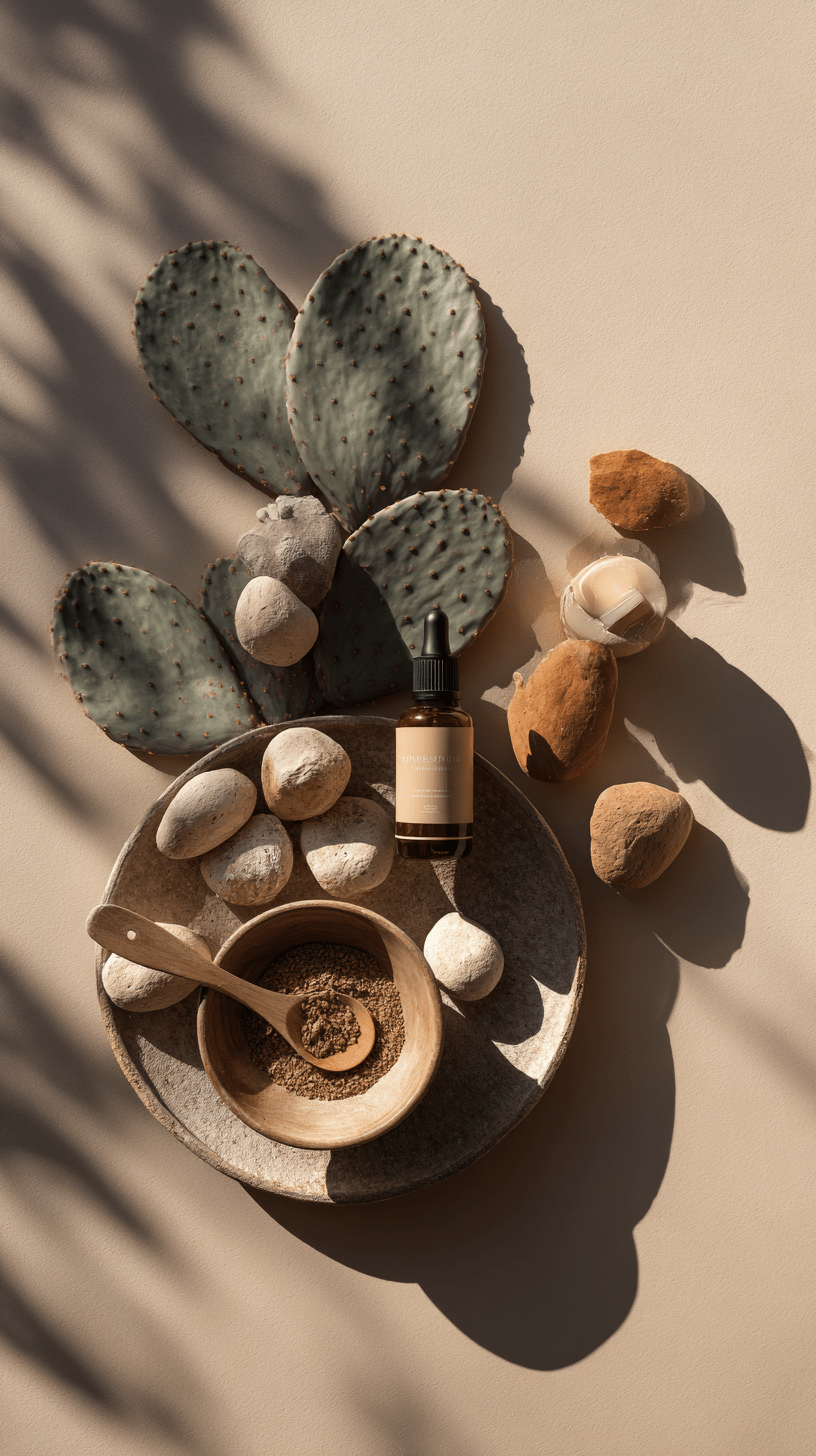
Prickly pear seed oil (Opuntia ficus-indica seed oil) is the signature active ingredient of Nopal Life. Exceptionally rich in linoleic acid (60–70%), vitamin E tocopherol, and plant sterols (beta-sitosterol), it helps reinforce the comfort of the lipid barrier, contributes to mattifying the appearance of shiny areas on combination skin, and provides an antioxidant action valued for preserving radiance. Its content of betalains — antioxidant pigments characteristic of the Opuntia genus — makes it a particularly rich vegetable oil. It is the base ingredient of our routines for preserving youthful-looking skin.
For skin concerned with radiance and texture, our articles on radiance, texture and natural renewal and on radiance and uniformity provide complementary protocols.
Adapting your routine: the key role of collagen serum for dull combination skin
In the face of glycation, a targeted routine aims to combine daily preventive measures and care that supports the firm and plump appearance of the skin. Here is the optimal structure for dull combination skin prone to glycation:
Morning:
- Gentle cleansing: neutral pH (5.5), SLS-free — respects skin balance
- Antioxidant serum: stable vitamin C + 5% niacinamide for radiance and a mattified skin appearance
- Collagen serum: marine collagen peptides + multi-weight hyaluronic acid to help preserve the plump appearance of the skin
- SPF 50: UV rays accentuate the dullness linked to glycation — photoprotection is non-negotiable
Evening:
- Double cleansing: oil then gentle foaming gel
- Light chemical exfoliant (PHA or mandelic) 2×/week: supports natural skin renewal
- Carnosine serum + prickly pear seed oil: anti-glycation action + lipid nourishment for skin comfort
- Comforting night cream: retinol 0.1–0.3% (beginners) to support visible radiance and firmness
Our Collagen Hydration & Skin Plump Serum has been specifically formulated to meet these needs: it combines peptides, hyaluronic acid, and active ingredients valued in anti-glycation cosmetics to help preserve the firm appearance and radiance of dull combination skin. Discover all our recommendations for a complete visible radiance and firmness routine.
Lifestyle measures to slow down glycation
Beyond diet and topical care, several lifestyle habits have a direct impact on the rate of skin glycation:
Regular physical activity: exercise improves insulin sensitivity and helps balance blood sugar. 30 minutes of brisk walking or yoga 5 times a week contributes to better glycemic balance and therefore slows down AGE formation.
Stress management: chronic stress tends to elevate blood sugar. Practices such as cardiac coherence (5 min, 3×/day) or meditation help to better manage stress and, by cascading effect, can help limit skin glycation.
Sleep quality: during deep sleep, the skin activates its natural recovery mechanisms. Chronic lack of sleep tends to elevate morning blood sugar and promote AGE formation.
Hydration: well-hydrated and comfortable skin is better equipped daily. Goal: 1.5 to 2 liters of water, green tea, rooibos herbal teas (sources of antioxidants).
Smoking: nicotine and compounds in cigarette smoke are known to significantly increase glycation. Quitting smoking is one of the most useful anti-glycation actions.
Mistakes to avoid to protect your collagen
Despite increasing awareness, several mistakes persist and sabotage anti-glycation efforts:
1. Thinking that only visible sugar is problematic. High-fructose corn syrup, industrial sauces, flavored yogurts, and even some "diet" cereals contain massive amounts of hidden sugars. Always read labels and look for total carbohydrates.
2. Neglecting photoprotection. UV rays accentuate glycation-related reactions in the skin. Without daily SPF 50 — even in winter, even in the city — all your topical anti-glycation efforts are partially nullified.
3. Using an oxidized vitamin C serum. Ascorbic acid oxidizes quickly in light and air. A yellow-orange serum or one with a rancid smell is inactive, or even pro-oxidant. Opt for stable formulations (pH 3.5, opaque bottle, small capacity) and replace them every 3 months after opening.
4. Over-exfoliating combination skin. Exfoliation is beneficial for supporting natural skin renewal, but no more than 2 times a week. Beyond that, the skin barrier weakens, the skin loses comfort, and... the dull appearance linked to glycation can worsen.
5. Forgetting the neck and décolleté. These areas have fewer sebaceous glands and show signs of aging associated with glycation more quickly. Always extend your collagen serum down to the décolleté.
6. Waiting for the first visible signs. Glycation is a cumulative process that begins in the twenties. Early prevention is infinitely more useful than correction. The sooner you start, the better your skin's appearance is preserved over time.
Conclusion
Preventing glycation means helping to preserve the skin's appearance against excess sugar. A balanced diet, antioxidants, and collagen treatments support the radiance and visible suppleness of dull and combination skin. Acting early makes a difference. An anti-glycation strategy durably maintains a youthful and luminous complexion.
Frequently Asked Questions about Skin Glycation
Q: Is glycation reversible?
A: Already established AGEs cannot be erased with topical treatment. However, you can support the skin's appearance daily, enhance its comfort, and visibly revive radiance in a few weeks with an adapted routine and a low GI diet. Controlled blood sugar helps preserve the skin's appearance over time.
Q: At what age should one start worrying about it?
A: Glycation gradually sets in from your twenties. The first preventive measures (low GI diet, daily SPF, vitamin C) are recommended from 20–25 years old. More targeted active ingredients like carnosine and collagen serums become particularly relevant from age 30.
Q: Are combination skin types more vulnerable to glycation?
A: Yes, for two reasons. The sometimes sensitive nature of combination skin often goes hand in hand with a complexion that dulls faster. Furthermore, the temptation to over-cleanse the T-zone weakens the barrier and exposes the skin more to exogenous AGEs. A balancing treatment is essential.
Q: Does ingested collagen supplementation help against glycation?
A: Hydrolyzed collagen peptides (2.5–10 g/day) are valued for supporting skin suppleness and comfort. They do not act directly on glycation but provide amino acids (glycine, proline, hydroxyproline) that are part of a diet associated with beautiful skin. The effect is complementary to a low-sugar diet.
Q: Can prickly pear seed oil truly fight glycation?
A: It is one of the most appreciated natural active ingredients in this area: its richness in linoleic acid helps reinforce the comfort of the skin barrier, its tocopherols provide a recognized antioxidant action, and its betalains make it a particularly rich vegetable oil. A choice ally in an anti-glycation routine.
Q: How long before seeing results?
A: The first visible results (radiance, smoother-looking texture) generally appear in 3 to 4 weeks with a well-followed routine. Improving the firm and dense appearance of the skin requires more consistency. Daily consistency is key.
Q: Can I combine carnosine and retinol in the same routine?
A: Yes, and they complement each other well. Carnosine is valued for supporting the appearance of the skin while retinol supports a firm and smooth look. Apply carnosine serum before retinol in the evening, and wait 10–15 minutes between applications to preserve skin comfort.
Q: What tests can assess one's level of skin glycation?
A: In a clinic, devices like the AGE Reader measure skin fluorescence related to AGEs. At home, measuring blood HbA1c provides an indirect indication of long-term blood sugar. Our Nopal Life Skin Intelligence™ tool analyzes your skin profile and identifies visual signs consistent with advanced glycation to guide your routine.
Take care of your collagen today
Our Collagen Hydration & Skin Plump Serum combines peptides, hyaluronic acid, and active ingredients valued in anti-glycation cosmetics to help preserve the firm appearance, radiance, and texture of dull combination skin — formulated with Nopal Life prickly pear seed oil.
Why choose Nopal Life to support youthful skin appearance
Supporting the youthful appearance of skin involves active ingredients valued in skincare cosmetics. Nopal Life prickly pear seed oil, rich in essential omega-6 and omega-9 fatty acids, vitamin E, and plant sterols, contributes to the suppleness and comfort of the skin film. It helps preserve the firm and plump appearance of the skin, reduces the appearance of dehydration lines, and enhances the comfort of the epidermal barrier for a visible smoothing effect from the first weeks.
Combine it with our night cream for radiance and firmness and our collagen serum for a complete synergy, night and day. Your skin regains a firm appearance, radiance, and lasting comfort. Discover the Nopal Life formulation designed for your skin profile thanks to our free Skin Intelligence diagnosis.
This content is informative and educational; it does not replace medical advice, diagnosis, or a dermatological consultation. In case of doubt or persistent skin problems, consult a qualified healthcare professional.
RECOMMENDED CARE
Anti-aging & firming routine
Natural formula · Origin Algeria
DISCOVER THIS TREATMENT →


Go further than this article
Get our skincare guides by email — and start with your free skin diagnostic: 2 minutes, advice tailored to your skin. We ship to the US, UK, Canada, Australia and 27 European countries; somewhere else? Sign up and you will be the first to know when we deliver to your country.
By signing up, you agree to our privacy policy. Unsubscribe in one click.