Skin Glycation: Protecting Collagen from Sugar
Skin glycation is one of the most subtle phenomena associated with aging, particularly visible on dull and combination skin. This process, often ignored in classic skincare routines, permanently alters the skin's appearance by stiffening supporting fibers, thereby depriving the skin of its natural radiance, smooth texture, and ability to renew itself. For combination skin, already prone to an imbalanced appearance, glycation accentuates dullness, highlights imperfections, and blurs luminosity. This comprehensive guide helps you understand the mechanisms of skin glycation, identify active ingredients studied to help address it, adopt an exfoliation protocol suitable for dull and combination skin, and implement a targeted routine to help restore radiance, texture, and promote natural renewal. From understanding the phenomenon to daily gestures, each step is designed to support dull skin affected by glycation.
Skin Glycation: Fundamental Mechanisms and Impact on Cellular Exfoliation
Glycation is a non-enzymatic chemical reaction called the Maillard reaction, during which free sugars—primarily glucose and fructose—bind permanently to skin proteins. This binding forms advanced glycation end-products, commonly referred to by the acronym AGEs. AGEs gradually accumulate in the dermis and alter the appearance of the skin's supporting fibers, making them less flexible and less able to perform their role of firmness and bounce.
For dull and combination skin, glycation has particularly visible consequences: the complexion becomes dull, yellowish or grayish, irregular texture is accentuated, and natural renewal appears to slow down. Exfoliation plays a central role here, as it helps support natural surface renewal, remove dead cells from the surface, and restore the skin's ability to absorb targeted active ingredients. Without regular exfoliation, applied treatments remain largely hindered by the thickened stratum corneum.
Glycation also affects the appearance of collagen, which is essential for visible skin firmness and suppleness. AGEs create abnormal links between fibers, forming aggregates that do not naturally renew. This phenomenon, amplified by a diet rich in refined sugars and exposure to ultraviolet light, is one of the main intrinsic factors of the aged appearance of combination skin. Understanding this mechanism is the first step to help preserve the skin's radiance, texture, and renewal.
Anti-Glycation Actives Studied to Help Restore Radiance and Texture
It has been observed that the topical application of 2% carnosine is associated, over several weeks, with a brighter appearance and a more regular texture on combination skin. Carnosine is a natural dipeptide that helps limit the Maillard reaction. It is one of the most frequently mentioned anti-glycation active ingredients for topical use.
Other active ingredients have shown interest in addressing skin glycation. Alpha-lipoic acid, a double-soluble antioxidant (hydro- and fat-soluble), helps neutralize free radicals involved in the glycation chain. Vitamin B3 (niacinamide) helps mattify the appearance of combination skin while supporting an even complexion. Finally, plant polyphenols—particularly quercetin and resveratrol—are antioxidants that help protect the skin from external aggressions, thus reinforcing their interest for dull skin.
For combination skin, combining an anti-glycation active (such as carnosine or niacinamide) with a targeted radiance and uniformity routine can yield complementary results. Gentle exfoliation with fruit acids (AHAs) prepares the skin by refining the stratum corneum, promoting the absorption of targeted active ingredients. This combined strategy is favored by contemporary skincare protocols for dull skin with a combination component.
Step-by-Step Anti-Glycation Exfoliation Protocol for the Radiance & Uniformity Routine
The anti-glycation exfoliation protocol for combination and dull skin begins with a gentle cleansing with lukewarm water and a foaming gel free of harsh sulfates. This first step is essential to eliminate oxidized sebum residues which, on combination skin, locally contribute to the Maillard reaction and the dull appearance of the complexion. Cleansing prepares the skin surface to receive the exfoliant without risk of discomfort.
Gentle exfoliation is preferred over mechanical exfoliation for dull and combination skin showing signs of glycation. An exfoliant containing 8 to 10% glycolic acid or 10% lactic acid, applied two to three times a week in the evening, helps refine the thickened stratum corneum, promote natural renewal, and reduce the superficial accumulation of cells on the surface. Glycolic acid has the advantage of being a small molecule that penetrates effectively to help maintain the skin's firm and plump appearance. The anti-aging and firming routine systematically integrates this targeted gentle exfoliation step.
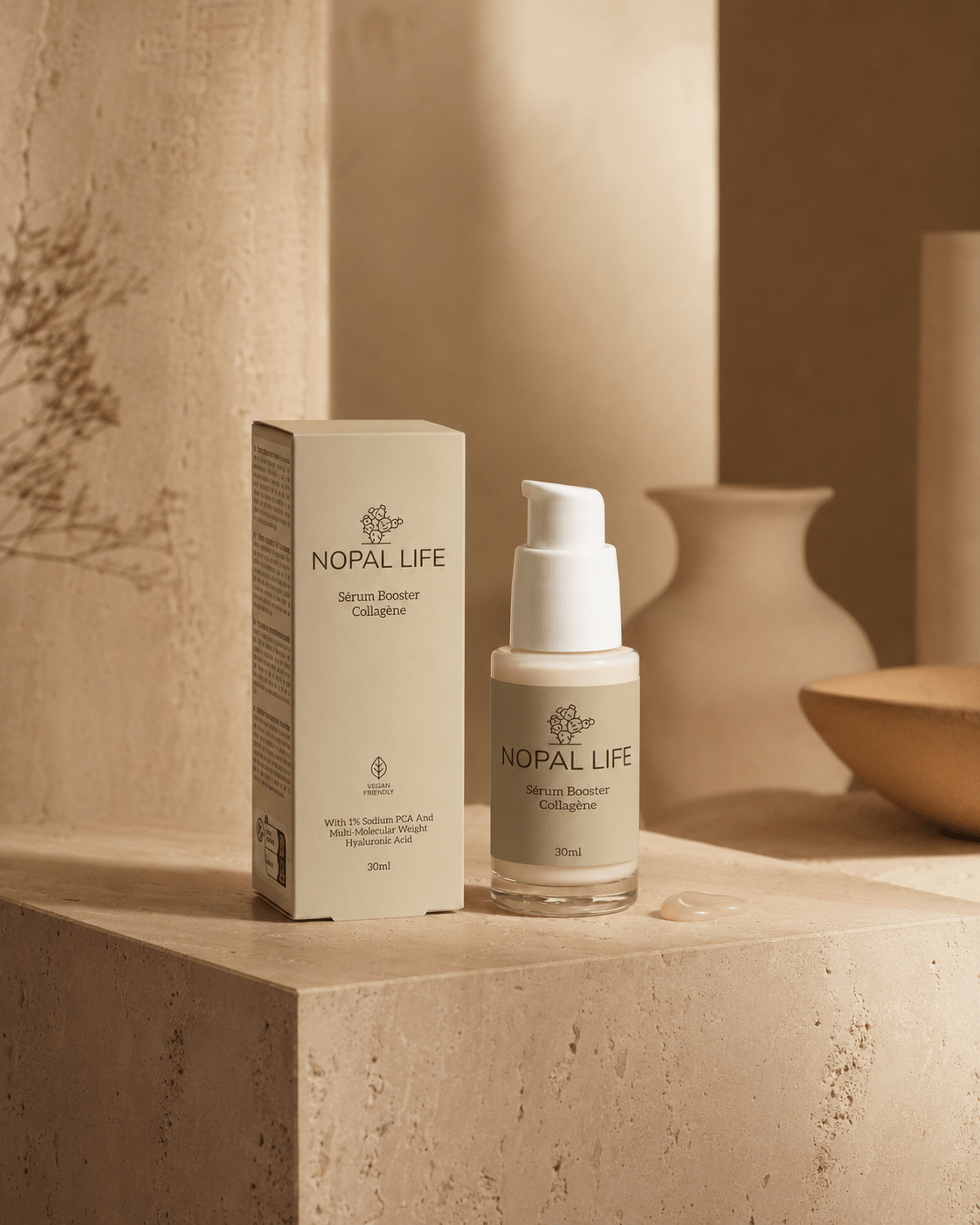
After exfoliation, the application of a concentrated serum rich in targeted active ingredients is the highlight of the protocol. The skin bounce collagen hydration serum helps maintain the firm and plump appearance challenged by glycation, while providing intense hydration that counteracts the drying effect of some exfoliants on dry areas of combination skin. This serum is the key link between exfoliation and long-term care. The routine ends with a light moisturizing cream in the morning and a nourishing cream in the evening, with systematic application of an SPF 50 during the day: ultraviolet rays being the primary catalysts of photo-induced glycation.
Mistakes to Avoid and Complementary Care Against Skin Glycation
The first common mistake in fighting skin glycation is to over-exfoliate combination skin. Using a strong exfoliant every day, or combining several exfoliants (AHA + BHA + retinol) without progression, weakens the skin barrier, triggers discomfort reactions, and paradoxically promotes the production of free radicals that fuel the glycation chain. It is advisable to respect an adapted frequency—two to three times a week maximum—and to increase the concentration of exfoliating active ingredients very gradually over several weeks.
The second mistake is neglecting sun protection in an anti-glycation routine. UVA ultraviolet rays in particular promote photo-induced glycation. Chronic exposure to UVA is observed to accelerate the accumulation of AGEs in the dermis compared to protected skin. For combination skin, oil-free SPF formulas or those based on non-comedogenic mineral filters are preferred to help balance the appearance of the T-zone.
Among the relevant complementary care to support anti-glycation action, we highlight a low glycemic index diet—dietary glycemic peaks being correlated with the intensity of skin glycation—and oral antioxidant supplementation (vitamin C, zinc, selenium). Topically, access to skin youth-preserving treatments formulated with plant extracts with anti-AGE activity effectively complements the exfoliation protocol. Finally, a precise skin diagnosis via the Nopal Life Skin Intelligence™ assessment allows adapting each step of the protocol to the specificities of each individual's combination and dull skin.
Anti-Aging & Firming Routine: The Natural Ally for Radiance, Texture, Renewal
In the face of skin glycation, the anti-aging and firming routine represents the most complete answer for combination and dull skin. By simultaneously supporting the appearance of collagen marked by AGEs, the apparent slowdown in renewal, and the loss of radiance, this routine addresses the three major consequences of glycation on skin quality. Formulations rich in anti-glycation actives—carnosine, niacinamide, polyphenols—combined with agents that help preserve the appearance of the dermis constitute the core of this integrated approach.
The elements supporting the interest of active ingredients in the anti-aging and firming routine in the context of glycation are numerous. 5% niacinamide, integrated into firming care formulas, is associated with a more uniform complexion appearance and a more regular appearance of glycation-related spots on combination skin, over several weeks of use. The combination of active ingredients that help preserve a firm and plump appearance with those that help limit glycation constitutes the dual interest on which the relevance of these specialized routines for dull skin showing early signs of aging is based.
To best use the anti-aging and firming routine against glycation, apply the anti-AGE serum in the evening after exfoliation, focusing on the dull and matte areas characteristic of combination skin. In the morning, opt for a light antioxidant treatment that helps protect the skin from external aggressions before UV exposure, the primary vectors of photo-induced glycation. In the long term, regularity takes precedence over intensity: daily application of anti-glycation actives at moderate concentrations produces more lasting results than occasional application of high concentrations. Integrate this routine into your daily life for at least 12 weeks to observe a measurable improvement in the radiance, texture, and renewal of dull combination skin.
Conclusion
Sugar doesn't spare the skin: glycation stiffens fibers and dulls the complexion. Countering it with measured exfoliation, antioxidants, and a balanced diet helps preserve suppleness and radiance. Acting early is the best strategy. Understanding glycation means helping to durably preserve the skin's youth and luminosity.
Frequently Asked Questions
Q: What exactly is skin glycation and how does it differ from oxidation?
A: Glycation is the permanent binding of sugars to skin proteins without enzymatic intervention, forming AGEs that stiffen and dull the skin's appearance. Oxidation, on the other hand, involves reactions with free radicals. These two phenomena complement and amplify each other—AGEs generate oxidative stress that in turn accelerates glycation, forming a particularly unfavorable cycle for combination and dull skin.
Q: How often should I exfoliate my combination skin to fight glycation?
A: For combination skin with signs of glycation (dull complexion, irregular texture), gentle exfoliation two to three times a week in the evening is optimal. Start with a low frequency (once a week) with a moderate AHA concentration (5-8%), and gradually increase over 4 to 6 weeks depending on skin tolerance. Mechanical exfoliation is not recommended for dull skin showing signs of discomfort.
Q: Do dietary sugars directly contribute to the glycation of my skin?
A: Yes, directly. Post-meal glycemic peaks raise blood glucose levels, which then diffuse into skin tissues and fuel the Maillard reaction. A high-glycemic diet is correlated with increased accumulation of dermal AGEs and an accelerated aged skin appearance. Adopting a diet rich in vegetables, quality proteins, and healthy fats, while limiting refined sugars, is an essential complement to any topical anti-glycation routine for dull and combination skin.
Q: How can I tell if my dull skin is suffering from glycation rather than just dehydration?
A: Glycation produces specific signs: a yellowish or grayish complexion (not just dull), diffuse loss of firmness, thickened texture that doesn't improve with hydration alone, and the gradual appearance of cross-hatch wrinkles. Dehydration, on the other hand, manifests as tightness, skin that is less bouncy, superficial fine lines, and rapid improvement after applying moisturizing treatments. If in doubt, a personalized skin diagnosis can help distinguish these two mechanisms and adapt the routine accordingly.
Q: Are physical exfoliants (scrubs) effective against skin glycation?
A: Physical exfoliants only act on the superficial layer of the skin (stratum corneum) and do not penetrate down to dermal AGEs. For dull and combination skin with an accumulation of surface cells, gentle exfoliants (AHAs, BHAs) are significantly preferable because they uniformly refine the stratum corneum and promote natural renewal as well as the absorption of targeted active ingredients.
Q: Does the sun really accelerate skin glycation on combination skin?
A: Yes, significantly. UVA exposure promotes photo-glycation by generating free radicals that accelerate the dull appearance of the skin. For combination skin, which is often oily in the T-zone, non-comedogenic SPF formulas (fluids or gels) are essential daily, even on cloudy days, as UVA penetrates clouds and windows. An SPF 50 PA+++ is the minimum protection recommended in a rigorous anti-glycation protocol.
Q: How long does it take to see visible results in radiance and texture with an anti-glycation treatment?
A: The first results on radiance and texture are generally observed after 4 to 6 weeks of a regular protocol combining gentle bi-weekly exfoliation and daily application of anti-glycation actives (carnosine, niacinamide, polyphenols). More lasting visible improvements (apparent firmness, uniform appearance) require at least 10 to 12 weeks. Regularity and daily sun protection are the two most determining factors for the success of anti-glycation care on dull and combination skin.
Q: Can gentle exfoliation and anti-glycation actives be combined in the same routine for combination skin?
A: Yes, this is even the most effective combination, provided a precise order is followed. The gentle exfoliant (AHA) is first applied to clean, dry skin, left on for 10 to 20 minutes, then rinsed or not depending on the formula. The anti-glycation serum is then applied to slightly damp skin to promote penetration. This sequence allows the exfoliant to prepare the skin surface by refining the thickened stratum corneum, providing an optimal pathway for targeted active ingredients.
This information is provided for educational purposes only and does not replace the advice of a healthcare professional.
Why Choose Nopal Life Against Skin Aging
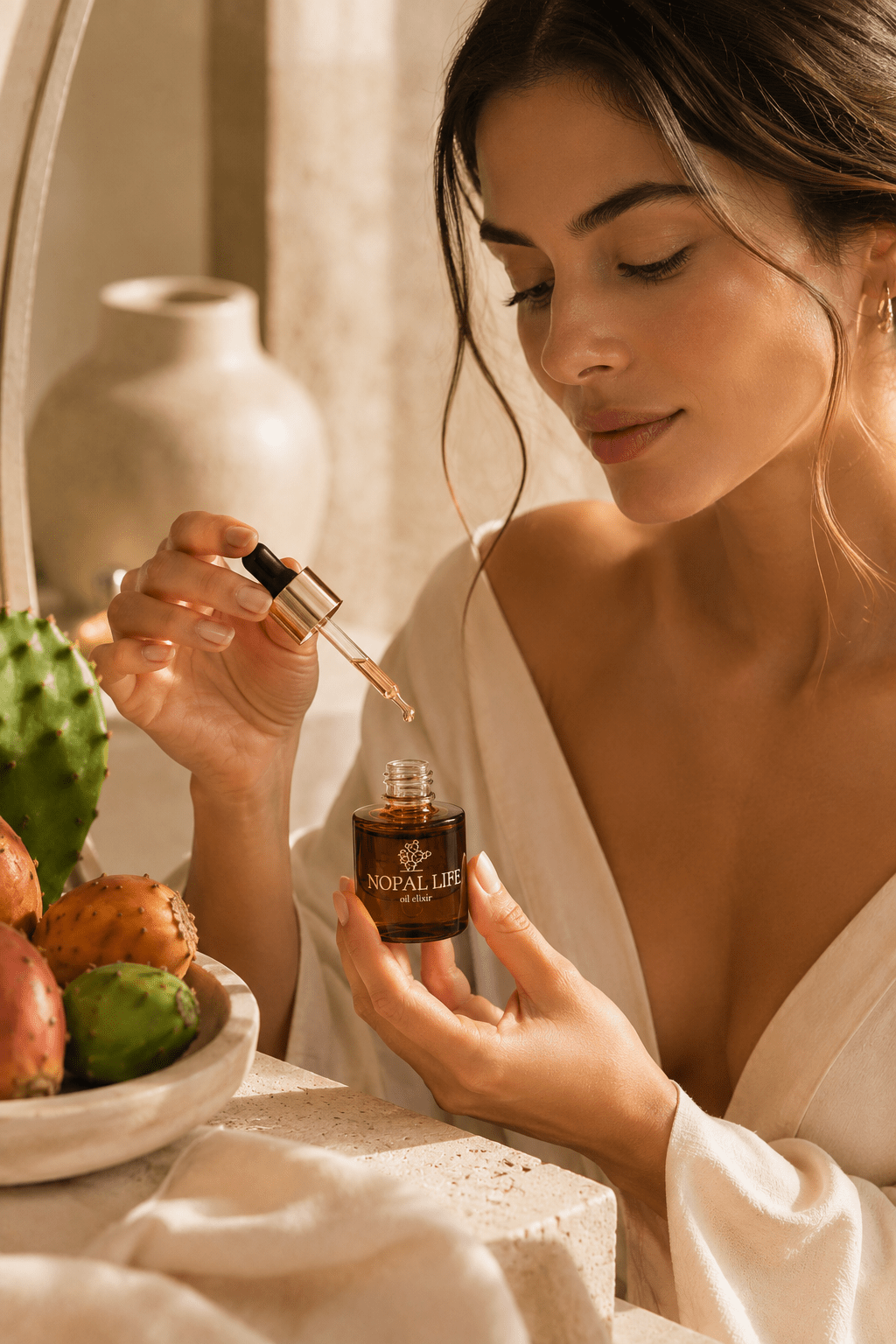
The fight against skin aging requires active ingredients whose benefits are supported by dermatological research. Nopal Life prickly pear oil, rich in essential omega-6 and omega-9 fatty acids, vitamin E, and plant sterols, helps preserve the suppleness and comfort of the skin's film. It helps maintain a firm and plump appearance, reduces the appearance of dehydration lines, and supports the epidermal barrier for a visible smoothing effect from the first weeks.
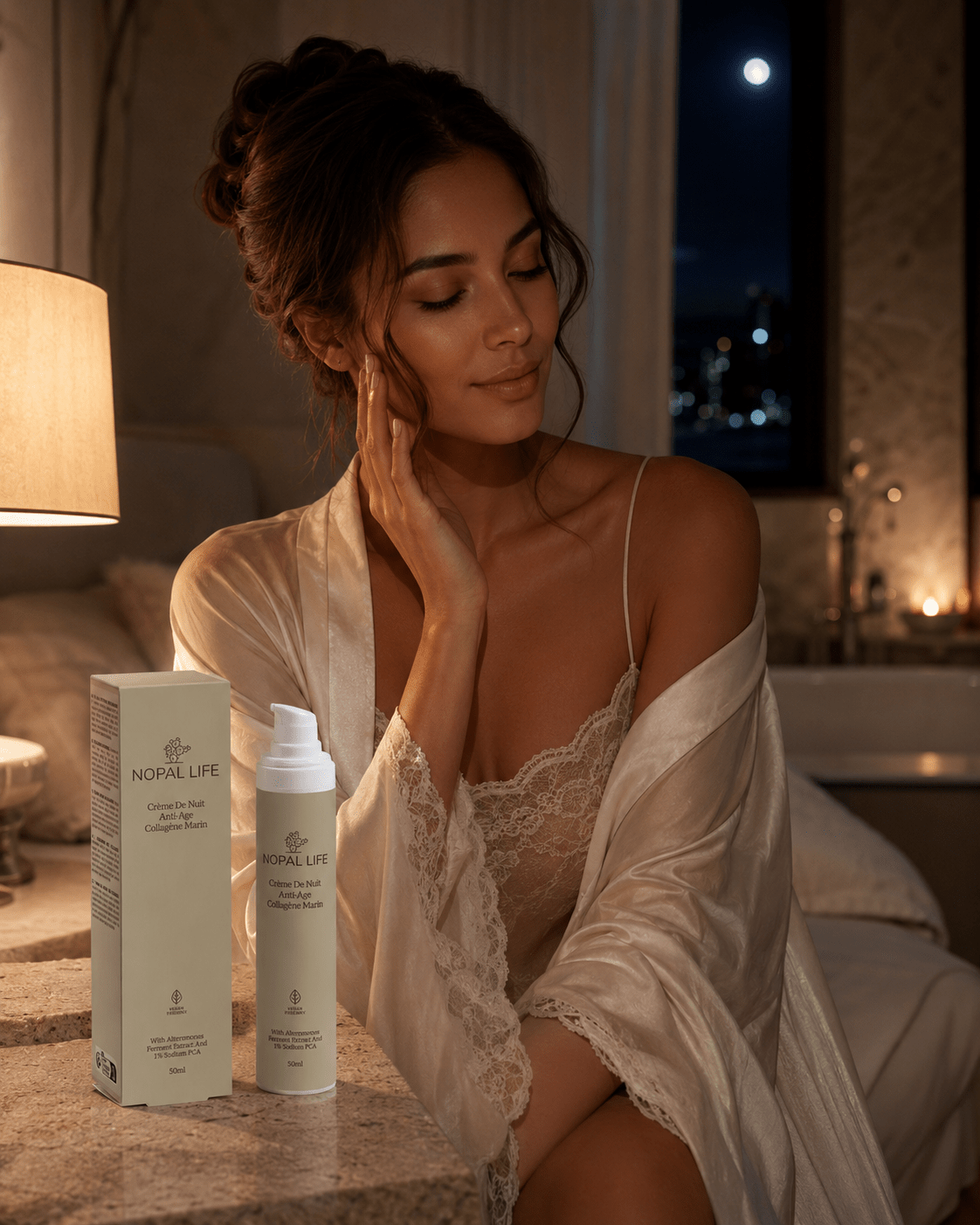
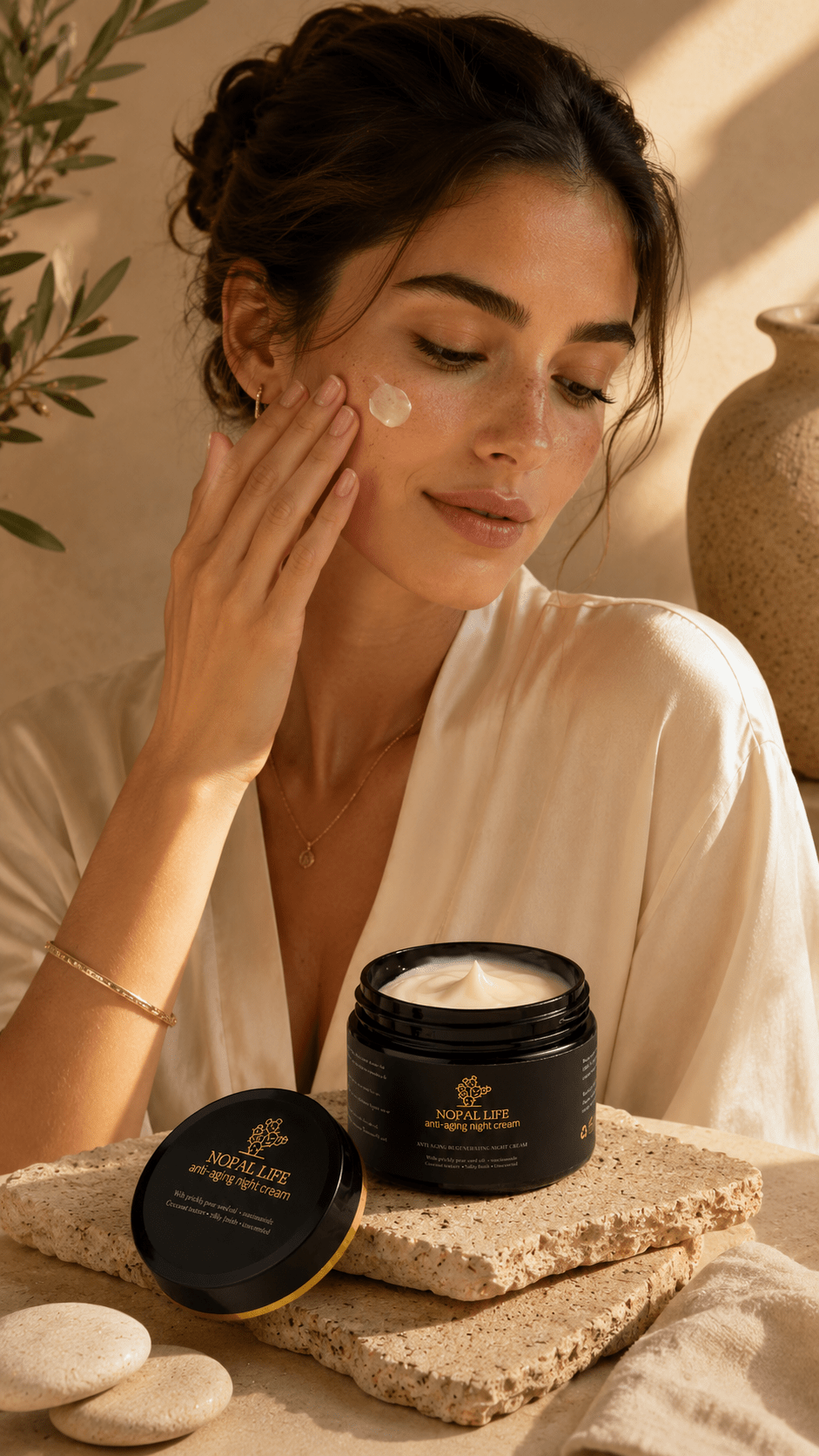
Pair it with our anti-aging night cream and our collagen serum for a complete synergy, day and night. Your skin regains visible firmness, radiance, and lasting comfort. Discover the Nopal Life formulation designed for your skin profile with our free Skin Intelligence diagnosis.
Information provided for cosmetic and educational purposes only; it does not constitute medical advice.
Our anti-aging treatments