Enzyme Papaya: the serum, cream, and oil protocol
Enzymatic papaya is now one of the most popular active ingredients in cosmetics. Derived from the tropical fruit Carica papaya, it is used to care for the appearance of mature and dehydrated skin. Unlike conventional chemical acids, papaya offers gentle and respectful exfoliation, appreciated for its comfort. By gently helping to detach dead cells from the surface, it leaves the skin visibly smoother, brighter, and more receptive to subsequent treatments. For skin experiencing fine lines, a less firm appearance, or a feeling of dryness, incorporating enzymatic papaya into a structured mature/dehydrated skin routine represents a natural and reasoned strategy. This article details the uses of this active ingredient, its optimal application protocol, and common mistakes to avoid.
Enzymatic papaya and skin appearance
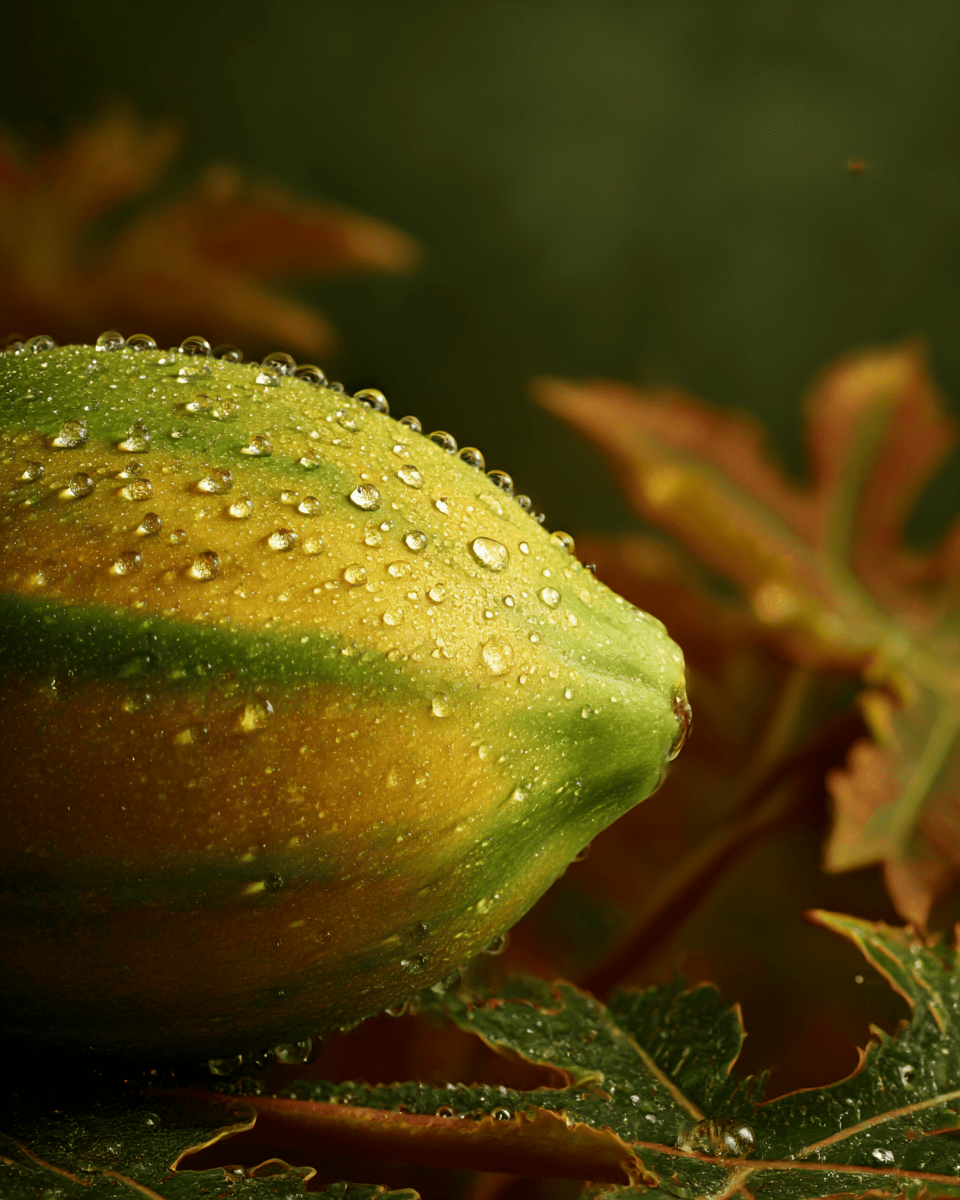
Papaya is derived from the pulp and fruit of Carica papaya. It is appreciated for its gentle exfoliating action on the most superficial layer of the skin. This gentleness is best expressed at a pH close to that of the skin, making it a comfortable gesture, suitable for skin that poorly tolerates more pronounced exfoliation.
Specifically, papaya helps gently detach dead cells that dull the surface, thus promoting their natural elimination without aggressive mechanical friction. This gentle exfoliation supports the skin's natural renewal and contributes to a refined texture. For sensitive or mature skin, this is a significant advantage compared to high-concentration acids, which are often less well tolerated.
At the same time, papaya is recognized for its soothing effect on the appearance of the skin. For mature skin, which seeks comfort and softness, this effect is particularly valuable. The appearance of fine lines and visible firmness are enhanced by a clearer and brighter complexion.
What we appreciate about enzymatic papaya
Enzymatic papaya is appreciated in cosmetics for several concrete reasons related to the appearance and comfort of the skin.
On mature skin, a product based on enzymatic papaya used regularly is appreciated for helping to refine the appearance of skin texture and to reduce the visible appearance of fine lines over the weeks. The roughness felt to the touch decreases and the skin appears smoother. These are significant appearance benefits for an active ingredient of natural origin.
Enzymatic papaya is also valued because it prepares the skin to better receive subsequent treatments (hyaluronic acid, ceramides) when applied beforehand, which confirms the interest of a layered, sequential routine. Enzymatic exfoliation is thus a gentle approach, often preferred by mature skin that does not tolerate classic chemical peels.
Finally, in preparation for radiance and firmness treatments, enzymatic papaya is appreciated for helping the tightening peptides applied afterward to spread more uniformly than a direct application on unprepared skin. Enzymatic papaya is therefore not just a surface active ingredient: it is a routine amplifier for visible radiance and firmness treatments.
Application protocol: serum - cream - oil in P1 routine
The P1 routine dedicated to enzymatic papaya is based on the fundamental layered application method: active serum, nourishing cream, protective oil. Each step plays a precise role and should not be skipped.
Step 1 — Preparatory cleansing. Apply a gentle cleanser that respects the skin's acidic pH (pH 5.0–5.5). Avoid any alkaline foaming cleanser that would neutralize the action of the papaya applied afterward.
Step 2 — Papaya serum (2 to 3 times a week, evening). Apply 3 to 4 drops of the enzymatic serum to slightly damp skin. The residual water creates a favorable micro-environment for the active ingredient's action. Leave on for 5 to 10 minutes before the next step. Never apply to damaged skin, active rosacea, or during the post-laser period.
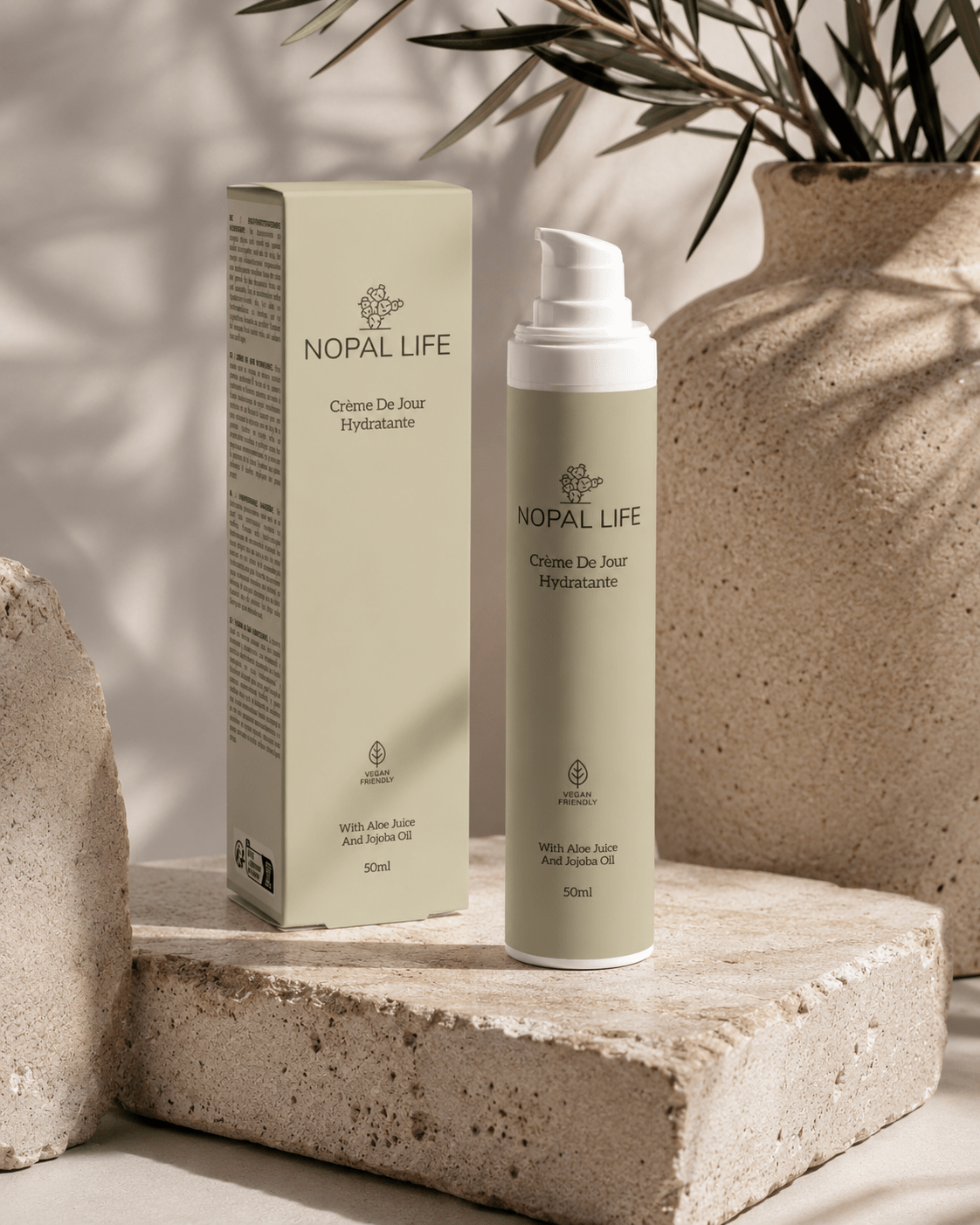
Step 3 — Moisturizing and comfort cream. Immediately after the serum, apply a cream rich in low molecular weight hyaluronic acid and tightening peptides. Since papaya has already refined the surface, subsequent treatments spread more uniformly. Massage in upward movements to support a visible smoothing effect.
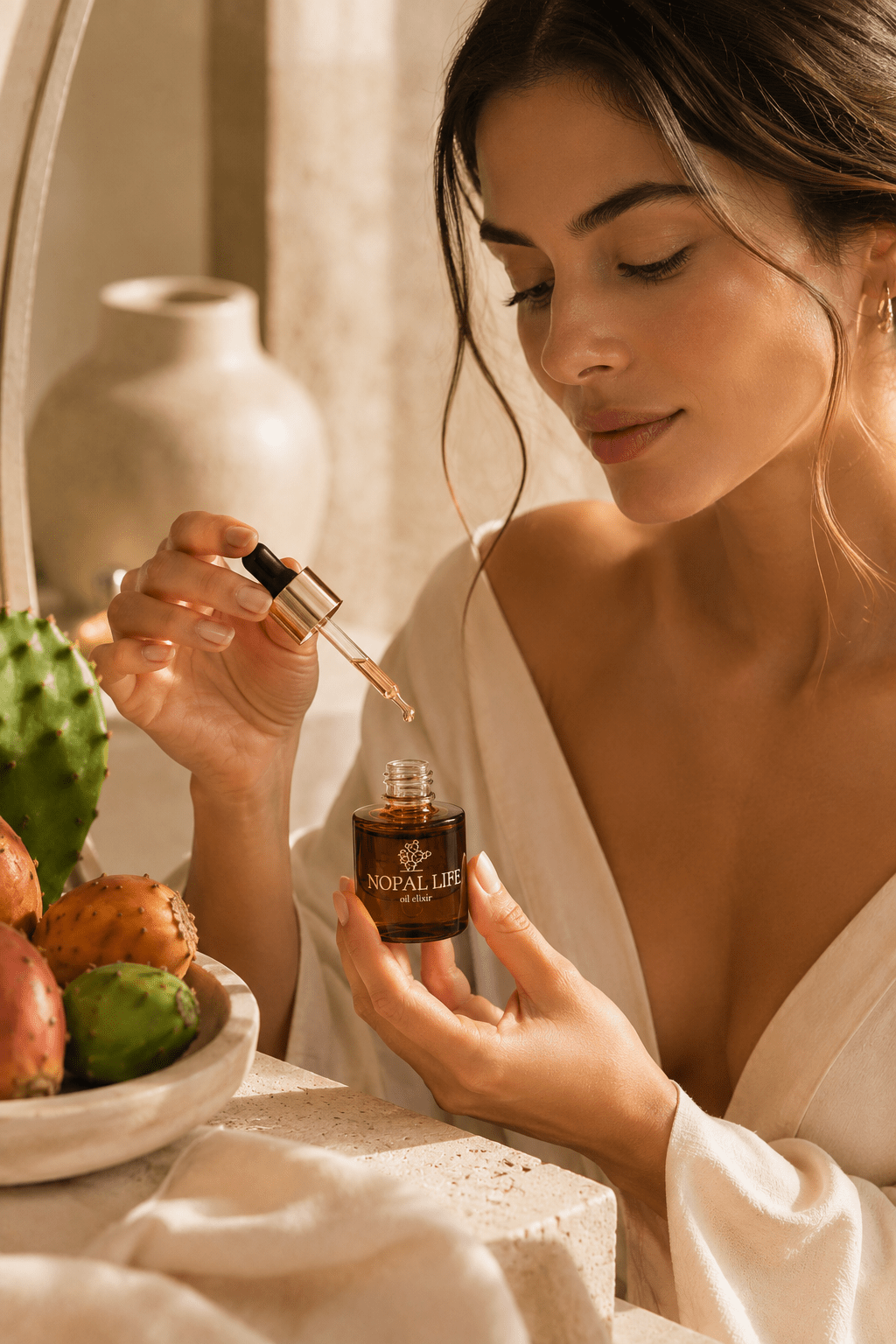
Step 4 — Vegetable oil (last step, occlusive film). Seal the routine with 2 to 3 drops of vegetable oil rich in omega-9 and -6 fatty acids. The oil creates a semi-occlusive film that helps limit water loss, maintains hydration, and prolongs the comfort of the underlying cream. This step is essential for dehydrated skin with a weakened lipid barrier.
Recommended rhythm: 2 to 3 weekly applications in the evening for the first 4 weeks, then adjust according to skin tolerance. Daily use is not recommended as it can lead to over-exfoliation and weaken the barrier.
Mistakes to avoid with enzymatic papaya
Mistake #1 — Combining papaya and AHA/BHA on the same evening. Combining two exfoliating agents in the same evening routine can cause severe irritation, excessive flaking, and damage to the skin barrier. If you use glycolic or salicylic acids in your routine, alternate evenings: papaya one evening, acids the other.
Mistake #2 — Forgetting sun protection the next morning. Enzymatic exfoliation makes the epidermis temporarily more sensitive to UV. The day after applying papaya serum, a minimum SPF 30 is mandatory, SPF 50 is recommended for mature skin that fears photoaging.
Mistake #3 — Applying to dry skin without pre-humidification. Papaya needs water to fully express its gentleness. On perfectly dry skin, its comfort and apparent effectiveness are significantly lower. Spray a thermal mist or apply after cleansing without complete drying.
Mistake #4 — Storing the product exposed to light or heat. Plant active ingredients are fragile. A papaya serum stored in a warm, bright bathroom will lose much of its qualities in a few weeks. Store away from light, ideally between 4°C and 15°C.
Mistake #5 — Waiting until the last minute to consult a specialist. In case of a reaction (persistent redness, itching), immediate cessation is the rule. Papaya is generally well tolerated, but a cross-allergy to latex is possible. A personalized skin diagnosis helps identify your skin profile before introducing any new enzymatic active ingredient.
Enzymatic papaya: natural allies to boost its effectiveness
Enzymatic papaya does not work alone. Several natural active ingredients act in synergy with papaya to amplify visible results on mature and dehydrated skin.
Zinc PCA helps balance sebum appearance and pleasantly complements papaya by helping maintain a comfortable skin pH. It is particularly useful for mature combination skin that suffers from a shiny T-zone despite dehydration of the cheeks.
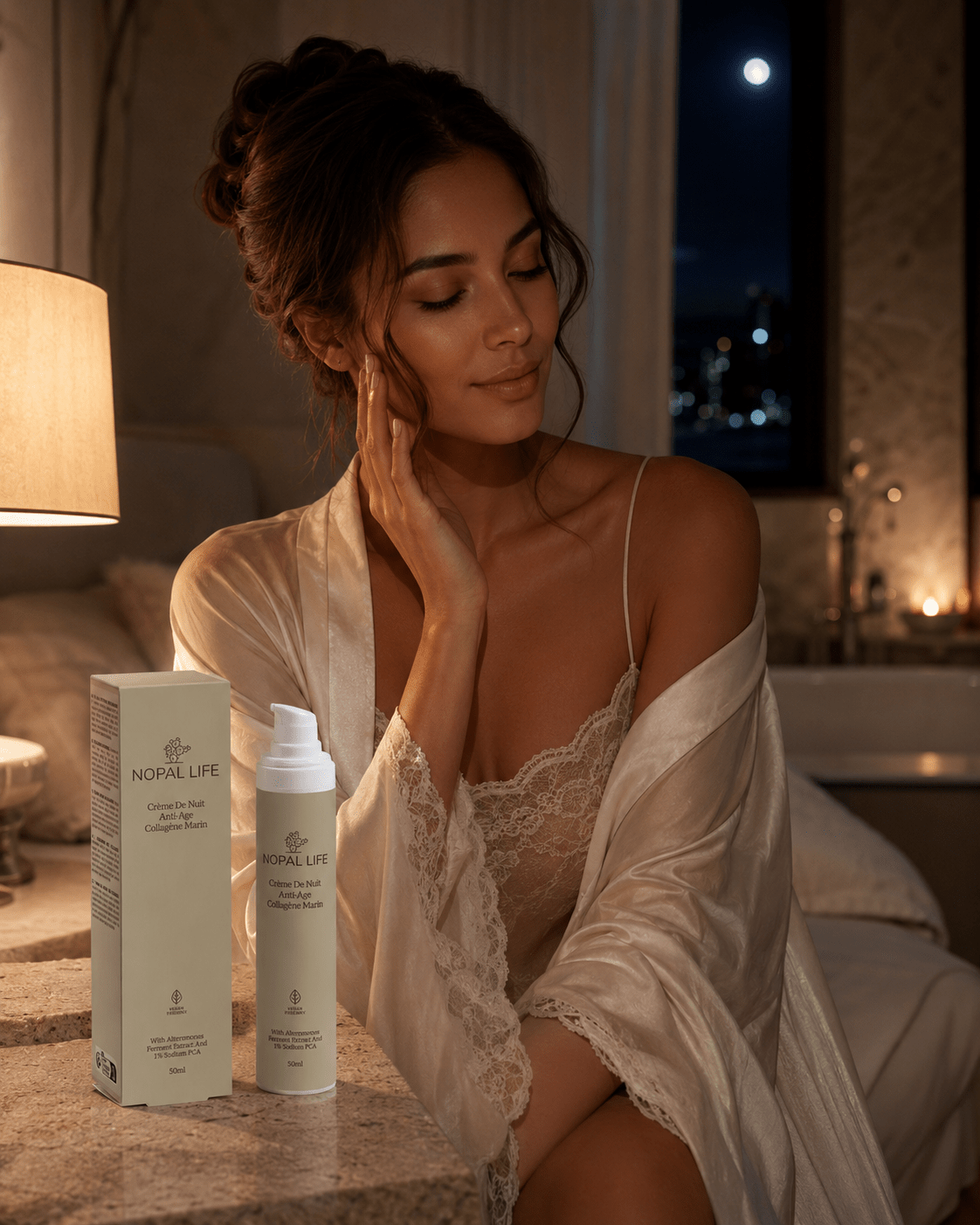
Silk and marine collagen peptides — applied in cream after the enzymatic serum — benefit from the surface refined by papaya. They are appreciated for helping to preserve a firm and plump appearance, and for enhancing the visible firmness and elasticity of the skin.
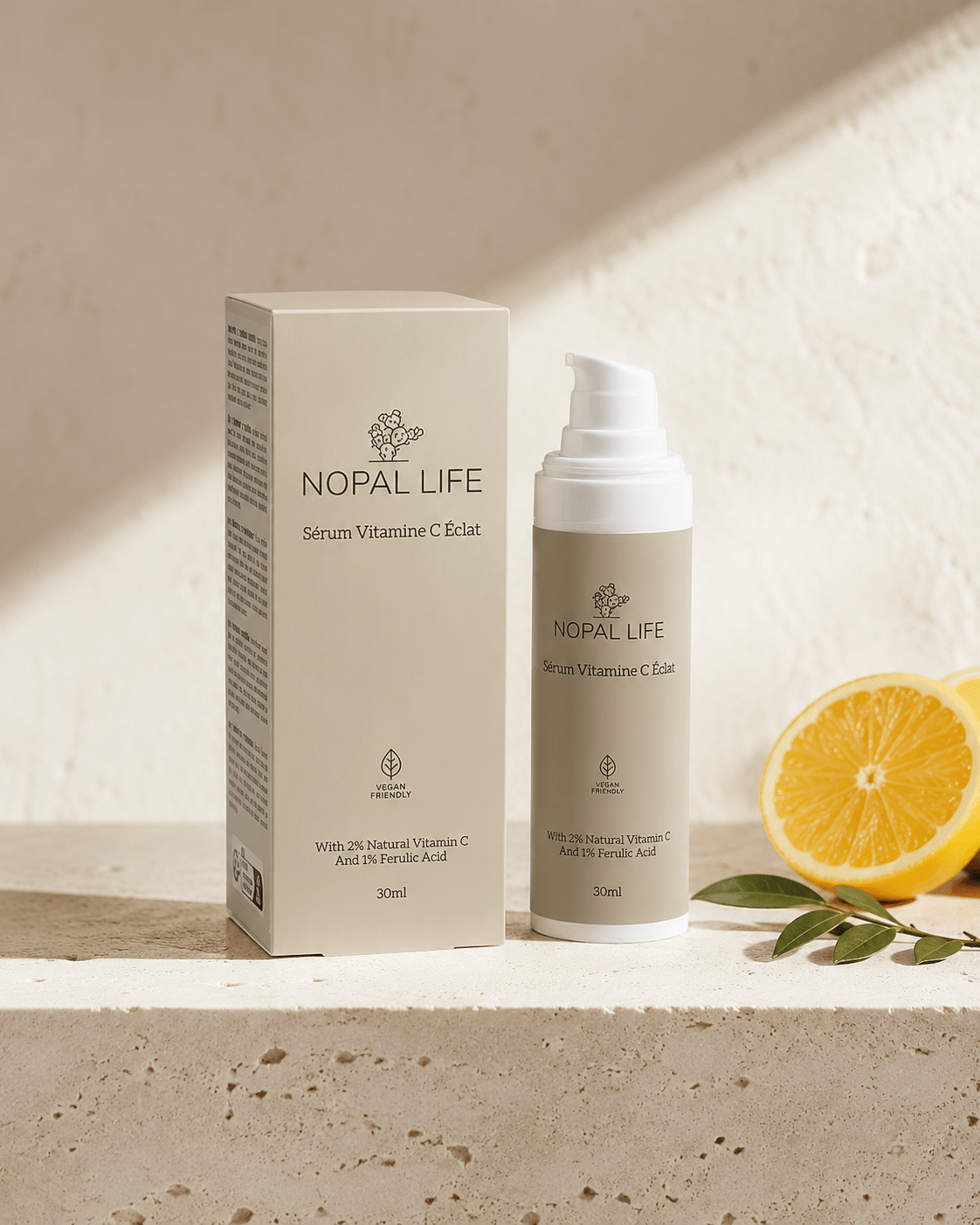
Stabilized vitamin C (ascorbyl glucoside) at 5-10% ideally completes a papaya routine in the morning. It helps unify skin tone appearance, reduce the visible appearance of spots related to photoaging, and contributes to a visible radiance. The combination of papaya (evening) + vitamin C (morning) is one of the most appreciated for mature skin prone to fine lines and an uneven complexion appearance. Find our adapted selection in the radiance and even complexion collection.
Vegetable oils rich in omega-3 and -6 close the routine by ensuring occlusion. Prickly pear seed oil, exceptionally rich in linoleic acid (omega-6) and rare plant sterols, stands out among the best finishing oils for mature skin.
Conclusion
Papaya, rich in natural enzymes, gently exfoliates the skin. Without abrasive particles or harsh acids, it helps detach dead cells and revives the radiance of sensitive skin. Its delicacy makes it an ideal alternative to classic scrubs. Used regularly, enzymatic papaya reveals a brighter complexion and a refined texture.
Frequently asked questions about enzymatic papaya
Is papaya suitable for sensitive skin?
Yes, provided you use a formula with a moderate concentration (0.5 to 2%) and respect the rhythm of no more than twice a week. Very reactive skin should start with a single weekly application for 4 weeks before increasing the frequency.
From what age can enzymatic papaya be used?
Enzymatic papaya is mainly appreciated by mature skin. For younger individuals, light enzymatic exfoliation can be useful occasionally, but the P1 radiance and firmness routine is designed for mature skin from around 40 years old.
Can papaya be used during pregnancy?
Safety data on the topical use of papaya during pregnancy is insufficient. As a precaution, it is recommended to avoid concentrated enzymatic exfoliants during the first trimester and to consult a healthcare professional before use.
How long before seeing results?
The first visible improvements in texture and radiance are generally noticeable from the 2nd or 3rd application. Effects on the appearance of fine lines and visible firmness generally require 6 to 8 weeks of regular use.
Does enzymatic papaya replace a professional peel?
No. Papaya acts on the surface (gentle enzymatic exfoliation). A professional TCA or phenol peel is a procedure performed by a specialist for more pronounced issues. The two approaches are complementary, not interchangeable.
How to choose a quality formula?
Check that papain is among the first 10 ingredients in the INCI list. Prefer formulas without synthetic fragrance, packaged in an opaque bottle (light protection) with an airless pump. The presence of a stabilizer (glycerin, panthenol) is a guarantee of stability.
Can enzymatic papaya be applied around the eyes?
The peri-ocular area is particularly thin and sensitive. It is not recommended to apply an enzymatic serum directly to the eyelids or in contact with the eyes. Some eye contour creams formulated with micro-doses of papain (less than 0.5%) exist and are specifically designed for this area.
Is papaya vegan and ecological?
Papaya is of plant origin (Carica papaya), so it is compatible with a vegan lifestyle. Regarding environmental impact, papaya is a tropical crop whose intensive production can put pressure on forests. Prioritize brands that source their papaya from sustainable or certified agriculture.
Why build your face routine with Nopal Life
An effective skincare routine is not just a simple accumulation of products: it is a sequence of complementary active ingredients applied in the correct order, on clean skin, for visible and lasting results. Nopal Life has designed each product to work equally well alone or in synergy with other products in the range. Prickly pear seed oil is the common thread: present in several formulas, it ensures consistency and tolerance for all skin types.
Start with our free Skin Intelligence diagnostic. In 3 minutes, it identifies your skin type, your primary concerns, and suggests a personalized routine from our 6 skincare rituals.
PERSONALIZED ROUTINE
Nopal Life Skin Intelligence™
Free diagnostic · 2 minutes
DISCOVER MY ROUTINE →This content is informative and educational; it does not replace medical advice, diagnosis, or dermatological consultation. In case of doubt or persistent skin problems, consult a qualified healthcare professional.
Our anti-aging treatments