Inflammaging: smoothed fine lines and firmness for mature and dehydrated skin
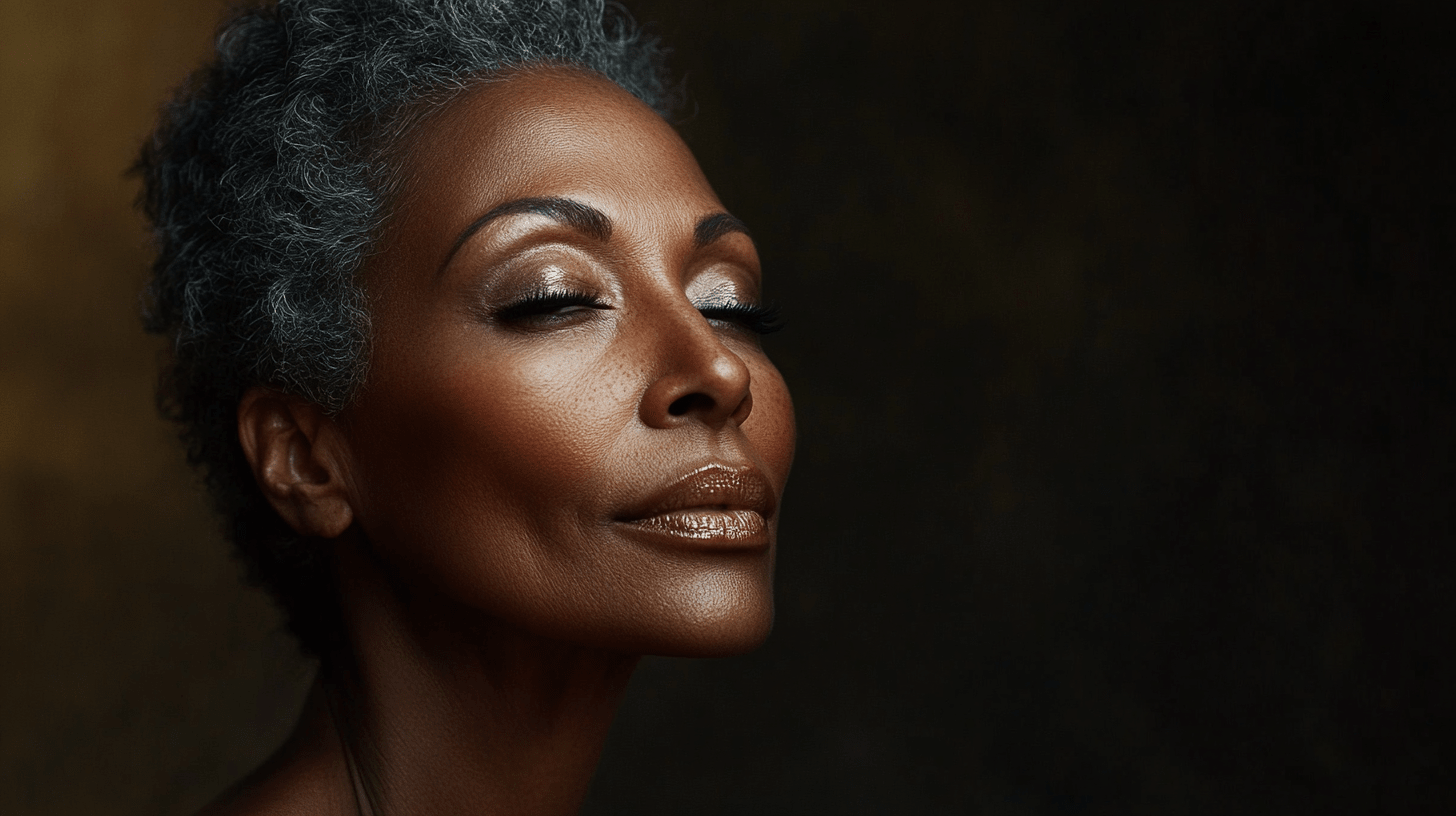
Inflammaging – a portmanteau of inflammation and aging – refers to increasingly sensitive and reactive skin that gradually develops with age. For mature and dehydrated skin, this context is particularly delicate: it accompanies the loss of firmness and plumpness, discomfort of the hydrolipidic barrier, and the visible appearance of fine lines. Skin appears tired, dull, and progressively loses its plump look. However, a better understanding of inflammaging allows for proactive action with targeted treatments and an adapted routine. This comprehensive guide explains this skin phenomenon, the botanical active ingredients renowned for supporting skin in this context, and a practical step-by-step protocol to regain skin that appears firmer, more hydrated, and visibly radiant. You will also discover why botanical powder masks are among the most popular allies in this natural soothing strategy.
Inflammaging and Mature Dehydrated Skin: Understanding the Skin Context
Inflammaging does not correspond to an ordinary, fleeting reaction. Unlike acute reactions that quickly subside, it is a persistent, subtle sensitive condition, yet present enough to weaken the appearance of skin structures over time. Mature skin often proves more reactive, creating an unfavorable environment for the appearance of rested and comfortable skin.
This chronic sensitive condition is accompanied by a fragility in the skin's firm and plump appearance. On mature and dehydrated skin, comfort and suppleness are already less pronounced due to natural age-related changes. Inflammaging therefore visually accentuates the situation: it accompanies the progressive loss of firmness while promoting the appearance of visible signs of aging. The result is clearly visible on the face: less defined contours, accentuated fine lines, skin that "slips" instead of appearing "plump."
Dehydration plays an amplifying role in this cycle. When the skin barrier is weakened – which is common in mature skin – daily external aggressions (pollution, sun, temperature variations) are felt more easily, perpetuating discomfort and sensitivity. This is an unfavorable cycle that a radiance and visible firmness routine must help soothe by simultaneously acting on hydration and skin comfort.
Soothing Actives Appreciated in the Context of Inflammaging
Plant extracts rich in polyphenols are traditionally valued for supporting the skin's firm and plump appearance and helping to preserve its comfort against external aggressions. They are thus among the botanical active ingredients of choice for mature skin seeking radiance and suppleness.
Among the botanical active ingredients often highlighted in this context, flavonoids and phenolic acids play a central role. They are renowned for their soothing properties and for helping to protect the skin from environmental oxidative stress. On skin with fine lines and a loss of firmness, this dual dimension – soothing and protective – helps maintain a smoother and more rested appearance.
Betalains, characteristic pigments of certain arid plants like Opuntia ficus-indica (prickly pear), are also appreciated for their remarkable soothing qualities. These properties make prickly pear powder a key ingredient in skincare protocols dedicated to mature and dehydrated skin seeking comfort and radiance.
Practical Protocol: Serum-Cream-Oil Application for Mature Dehydrated Skin
The serum-cream-oil application technique is not just a simple cosmetic routine: it is a thoughtful way of layering soothing treatments, organized according to the rule of textures (from lightest to most occlusive). It is applied morning and evening, after gentle cleansing that respects the physiological pH of mature skin, generally between 4.5 and 5.5. An overly alkaline cleanser could irritate the skin and accentuate its sensitivity.
The serum constitutes the first layer: concentrated in soothing active ingredients (niacinamide, peptides, botanical extracts), it absorbs quickly thanks to its light aqueous texture. For mature dehydrated skin, opt for a serum containing hyaluronic acid of different molecular weights, appreciated for helping to intensely hydrate the skin and form a comforting film on the surface. Apply to slightly damp skin to promote absorption, tapping with fingertips without rubbing – friction can cause localized discomfort.
The cream then intervenes to seal in the serum's active ingredients and provide its own nourishing and protective components. For mature skin, choose a rich but non-comedogenic texture, formulated with ceramides and essential fatty acids (linoleic acid, oleic acid) to help reinforce the comfort of the skin barrier day after day. Finally, vegetable oil – preferably cold-pressed – completes the occlusion and helps protect the skin from nocturnal dehydration. To refine your skin profile and personalize this sequence, the Nopal Life Skin Intelligence™ tool analyzes your specific needs in real time.
Common Mistakes and Complementary Care for Mature Skin
The first mistake to avoid is excessive exfoliation. Acids (AHA, BHA) and mechanical exfoliants, used too frequently on already fragile mature skin, can irritate the skin and work against the desired gentleness. Gentle exfoliation once or twice a week at most is recommended, and never on days when the skin shows increased sensitivity. Prefer gentle enzymatic treatments (papain, bromelain) to strong acids for the most reactive skin types.
Unprotected sun exposure represents the second point of vigilance for mature skin. UVA rays have a lasting effect and accentuate the visible appearance of signs of aging. Systematically integrate an SPF 30 minimum sun filter into your morning routine, after the serum-cream sequence and before any makeup. Photoprotection is not an option for mature skin: it is an essential step in itself. The collection dedicated to preserving youthful skin radiance includes products formulated for this precise context.
In addition, facial massages targeting tension areas (jaw, forehead, eye contour) contribute to a feeling of relaxation and a more rested complexion. A gentle manual lymphatic drainage technique can also provide a feeling of lightness to the tissues. These gestures, combined with sufficient internal hydration (1.5 to 2 liters of water per day) and a diet low in refined sugars, pleasantly complement the action of skincare products applied to the skin.
Botanical Powder Mask: The Natural Ally for Visible Fine Lines and Firmness
The botanical powder mask represents a particularly suitable approach for mature dehydrated skin, as it allows for temporarily concentrating a cocktail of soothing and comforting active ingredients directly on the skin, with an extended application time that promotes absorption. Unlike creams applied in a thin layer, the mask creates a dense interface that envelops the skin in a generous treatment for 10 to 20 minutes.
Botanical powders based on Opuntia, kaolin clay, turmeric, or adaptogenic plant extracts concentrate flavonoids, vitamins (C, E), and minerals (zinc, silica) that work together on several fronts of skin comfort: soothing reactive skin, supporting a firm and plump appearance, and comforting the hydrolipidic film. These powders rich in betaxanthins are appreciated for helping to soothe the appearance of redness and offer visibly more rested skin with regular applications on mature skin.
To effectively use the botanical powder mask, mix the powder with a liquid suitable for your skin type: floral water (rose or calendula hydrosol for very sensitive skin), thermal water, or plant milk for a more nourishing effect. The texture should be homogeneous, neither too fluid nor too thick. Apply a generous layer to cleansed and slightly damp face, avoiding the eye contour. Leave on for 15 minutes, then rinse with lukewarm water (never hot, to preserve skin comfort) before following with your usual serum-cream-oil sequence. Two applications per week are sufficient to observe a smoother appearance and visible firmness in four to six weeks.
Conclusion
Inflammaging, this subtle and sensitive skin condition, accompanies the visible signs of aging on mature dehydrated skin. Addressing it with soothing active ingredients and a comforting serum-cream-oil routine helps smooth the appearance of fine lines and maintain visible firmness. Soothing the skin means offering it comfort and radiance. A well-managed routine preserves comfort, suppleness, and the appearance of youthful skin.
Frequently Asked Questions
Q: At what age does inflammaging begin to visibly affect the skin?
A: Visible signs associated with inflammaging generally appear from 35-40 years old, although the skin condition evolves from the thirties. The rate of progression depends on genetic factors, but also on UV exposure, stress, and lifestyle. Dehydrated and sensitive skin types often show earlier signs due to their more fragile skin barrier.
Q: Is the serum-cream-oil technique suitable for all mature skin types?
A: Yes, provided the textures are adapted. Mature combination skin will use a lighter serum, a cream-gel, and a non-comedogenic vegetable oil (jojoba, rosehip). Very dry and dehydrated skin can apply two successive layers of serum before the cream, and opt for a richer vegetable oil (avocado, liquid shea). The order serum → cream → oil remains immutable: it respects the rule of textures, from most aqueous to most oily.
Q: Can the botanical powder mask be used daily to accelerate results?
A: No, daily application is not recommended, even with gentle active ingredients. The skin needs time between each application to fully benefit from the treatment and preserve its comfort. Two to three times a week is the optimal frequency for a visibly smoother and firmer appearance without the risk of over-solicitation. For very sensitive skin, start with a weekly application during the first month.
Q: What signs indicate that inflammaging is worsening on my skin?
A: Indicators of worsening include increased sensitivity (frequent reactive redness), rapidly appearing loss of tone, fine lines that seem to deepen over a few weeks, and hydration that "no longer holds" despite regular application of treatments. Persistent dull complexion despite good sleep hygiene is also a warning sign. In these cases, consult a dermatologist to assess your situation and adapt the protocol.
Q: Does diet really impact mature skin?
A: Yes, lifestyle plays a recognized role in skin appearance. Refined sugars and high-glycemic-index foods are often associated with skin that shows more signs of aging. Conversely, omega-3s (fatty fish, flax seeds, nuts), polyphenols (berries, colorful vegetables, unsweetened green tea), and zinc are appreciated as part of a balanced diet. A Mediterranean-type diet is readily associated with better skin quality in the medium term.
Q: How can I differentiate between fine lines related to inflammaging and those related to simple dehydration?
A: Fine lines associated with sensitive skin are generally more pronounced, diffusely distributed over the entire face, and do not fade with intense hydration (unlike dehydration lines which diminish after applying an occlusive treatment). This context is also accompanied by an appearance of "accelerated aging" manifested by a loss of dense appearance, visible sagging of the facial oval, and uneven texture. If intensive hydration is not enough to improve the appearance of fine lines within two weeks, this condition is probably the cause.
Q: Is niacinamide beneficial for mature dehydrated skin?
A: Yes, niacinamide (vitamin B3) is one of the most appreciated active ingredients in this context. At concentrations of 4 to 5%, it helps to unify skin tone, contributes to the comfort of the skin barrier, helps to mattify the appearance of shiny areas, and pleasantly supports reactive skin. These qualities make it a must-have in serum for mature skin, compatible with almost all other active ingredients, including sequencing with the botanical powder mask.
Q: How long does it take to see visible improvements with a complete protocol?
A: The first improvements – better radiance, reduced sensation of sensitivity – generally appear within two to four weeks. Visible effects on fine lines and firmness become noticeable between six and twelve weeks, which corresponds to the skin's natural renewal time. The regularity of the protocol is crucial: an interruption of more than a week can slow visible progress. Use the Nopal Life Skin Intelligence™ tool to track the evolution of your skin profile over time.
Why Choose Nopal Life to Support Mature Skin
Supporting the appearance of mature skin calls for appreciated and carefully selected botanical active ingredients. Nopal Life prickly pear oil, rich in essential omega-6 and omega-9 fatty acids, vitamin E, and plant sterols, is recognized for helping to preserve the suppleness and comfort of the skin's film. It helps maintain the skin's firm and plump appearance, diminishes the look of dehydration fine lines, and supports the comfort of the epidermal barrier for a visible smoothing effect from the first few weeks.
Combine it with our radiance and visible firmness night cream and our hyaluronic acid serum for a complete synergy, day and night. Your skin regains a firm appearance, radiance, and lasting comfort. Discover the Nopal Life formulation designed for your skin profile thanks to our free Skin Intelligence diagnostic.
PERSONALIZED ROUTINE
Nopal Life Skin Intelligence™
Free diagnostic · 2 minutes
DISCOVER MY ROUTINE →This content is informative and educational; it does not replace medical advice, diagnosis, or dermatological consultation. In case of doubt or persistent skin problems, consult a qualified health professional.


Go further than this article
Get our skincare guides by email — and start with your free skin diagnostic: 2 minutes, advice tailored to your skin. We ship to the US, UK, Canada, Australia and 27 European countries; somewhere else? Sign up and you will be the first to know when we deliver to your country.
By signing up, you agree to our privacy policy. Unsubscribe in one click.