Dull skin after 40: the 56-day radiance protocol
Key takeaways
- Dull skin after forty rarely has a single cause: slowed cell renewal, poorly hydrated stratum corneum, and sluggish blood circulation all combine. The lower your RADIANCE-6 score, the more dominant a factor is for you.
- Chemical exfoliation works, provided you choose the right molecule: our table compares four families by molecular weight, European regulatory limits, and frequency of use.
- The dated 56-day protocol (D1 to D56) gives the exact order of introduction — barrier first, exfoliant next, vitamin C last — to avoid the most common mistake: adopting everything on the same Monday.
- Five minutes of prickly pear oil massage, timed segment by segment, complements these tips without any additional cost.
Dull skin: what we really observe
"My skin is dull." This phrase comes up in almost every beauty consultation after forty, yet it covers very different realities. For some, the texture has thickened: light no longer bounces off it, it disperses. For others, the uniformity of the complexion has been lost, with more pronounced spots on the cheekbones and temples. For still others, the skin remains smooth but appears grey at the end of the day, as if veiled.
Distinguishing these situations changes everything, because the helpful actions are not the same. Thickened texture calls for measured exfoliation; a poorly hydrated stratum corneum calls for water intake and an emollient; a complexion that fades at 6 p.m. calls for rest and circulation, not another serum. Before choosing a product, you must therefore know what you are looking at — and what you are looking at is named, evaluated, and monitored over time.
A methodological clarification: we are talking about appearance here. A cosmetic product acts on the visible aspect of the skin, its comfort, and its moisture level. It does not modify deep structures and never replaces the advice of a dermatologist if you are concerned about a skin change.
The four faces of a tired complexion
In practice, four profiles constantly recur. Recognizing them will save you weeks.
- Rough skin — it feels slightly rough to the touch, makeup highlights imperfections, the complexion is matte and flat. Here, slowed cell renewal is the cause.
- Dehydrated skin — soft to the touch but without radiance, with fine lines appearing at the end of the day and foundation cracking. This is a lack of moisture in the superficial layers.
- Uneven complexion — the overall appearance is good, but darker spots break the uniformity. Their appearance, often linked to cumulative sun exposure, takes precedence over the rest.
- "End-of-day grey" complexion — fresh in the morning, faded by 6 p.m. Blood circulation, lack of rest, and the environment (heating, screens, pollution) then weigh more heavily than applied products.
Most dull skin after forty combines two of these profiles. This is precisely why a single program, applied without hierarchy, yields disappointing results: it distributes effort equally when one factor clearly dominates.
The causes of dull skin after forty
Three mechanisms, all progressive, explain most of what you see in the mirror. Identifying the dominant causes avoids random purchases.
Cell renewal slows down
The epidermis regenerates continuously: cells are born deep down, migrate upwards, flatten, and eventually detach. This cycle is generally estimated at around 28 days in a young adult; it lengthens with the decades, exceeding forty days after fifty. Direct consequence: dead cells remain on the surface longer, the stratum corneum thickens irregularly, and the light that should reflect homogeneously disperses in all directions. This is the primary cause of dull skin.
This slowing of renewal is not an aesthetic fatality. It simply explains why gentle and regular exfoliation produces such a visible result so quickly after forty, whereas it changes little at twenty-five.
The hydrolipidic film becomes scarcer
The skin barrier is an assembly of corneocytes and intercellular lipids — ceramides, cholesterol, fatty acids. Over time, their production decreases, the skin retains water less effectively, and transepidermal water loss increases. A poorly hydrated stratum corneum is optically less smooth: it diffuses rays instead of reflecting them. This is why good hydration provides an immediate boost in luminosity, sometimes from the very first application, long before any fundamental benefits.
This is also why powerful treatments applied to a weakened barrier are disappointing: the skin reacts, feels tight, reddens, and one gives up, thinking that the product is not suitable, when in fact the order of the steps was wrong.
Microcirculation becomes less toned
A healthy glow largely depends on the quality of the superficial capillary network. Sedentary lifestyle, smoking, short nights, prolonged sitting: anything that slows blood circulation dulls the face, regardless of the quality of the products. This is the most quickly reversible parameter — a few minutes of massage, a walk, real recovery — and the one most often absent from classic beauty advice.
And the appearance of spots
Cumulative sun exposure over decades results in areas where pigment is less evenly distributed. On a fair phototype, a few spots are enough to disrupt the impression of uniformity, and thus the perception of a radiant complexion. No cosmetic product makes a spot disappear: what a good formula can do is help unify the overall appearance and prevent the contrast from intensifying — daily sun protection remains by far the most decisive action against visible skin aging.
The RADIANCE-6 score: evaluate your skin in two minutes
Here is the grid we use at Nopal Life to guide our advice. Stand in front of a window, in daylight, without makeup, preferably in the morning. Rate each line 0 (never), 1 (sometimes) or 2 (often, or constantly).
| Observed criterion | What you are looking for | Score |
|---|---|---|
| 1. Reflection | Absence of a bright spot on the upper cheekbones when you turn your head towards the window | 0 · 1 · 2 |
| 2. Texture | Visible relief at 30 cm from the mirror: enlarged pores, irregular texture | 0 · 1 · 2 |
| 3. Touch | Rough or "catching" sensation when running the back of your hand over your cheek | 0 · 1 · 2 |
| 4. Uniformity | Spots or noticeable areas (cheekbones, temples, back of hands) that catch the eye first | 0 · 1 · 2 |
| 5. Eye contour | Hollow or colored dark circles, eyelids appearing creased upon waking | 0 · 1 · 2 |
| 6. Durability | Complexion significantly greyer at 6 p.m. than at 8 a.m., makeup that shifts | 0 · 1 · 2 |
How to read your total out of 12:
- 0 to 3 — stable situation. Your current routine is working. Focus on sun protection and hydration; do not add any exfoliating products.
- 4 to 7 — fading radiance. Look at which lines have your points. Lines 2 and 3: your priority is gentle exfoliation. Lines 1 and 6: you need to address lifestyle and hydration.
- 8 to 12 — established dull skin. The 56-day protocol detailed below was designed for this specific case: consolidate the base before adding any active ingredients.
Retest on D1 and then on D56. A two-point drop on lines 2 and 3 is the first reliable sign that a program is working — well before the subjective impression of a healthy glow, which largely depends on the day's mood and bathroom lighting.
Chemical exfoliants: what chemistry and regulations say
This is the chapter where you save the most time. Not all exfoliating molecules are created equal, and the difference primarily lies in a very simple physical property: the size of the molecule. The smaller it is, the faster it penetrates the stratum corneum — thus, the more active it is, but also the more likely it is to irritate an already thinned epidermis.
A second often overlooked fact: since Regulation (EU) 2024/996, two major exfoliants are regulated in products intended for the general public, with a maximum concentration and a minimum pH. A toner legally sold in Europe cannot exceed these thresholds, which invalidates many comparisons found on non-EU websites.
| Molecule | Molar mass | Origin | EU public ceiling | Recommended frequency | For which skin type |
|---|---|---|---|---|---|
| Glycolic (AHA) | 76 g/mol | Sugar cane | 4%, pH ≥ 3.5 | 1 to 2 evenings / week | Thickened, irregular texture, not very reactive |
| Lactic (AHA) | 90 g/mol | Lactic fermentation | 5%, pH ≥ 3.5 | 2 to 3 evenings / week | Dry: it exfoliates and retains moisture |
| Mandelic (AHA) | 152 g/mol | Bitter almond | Not targeted by this restriction | 2 to 3 evenings / week | Sensitive, dark phototype, beginner |
| Gluconolactone (PHA) | 178 g/mol | Glucose oxidation | Not targeted by this restriction | Up to 4 evenings / week | Very reactive, minimum tolerance |
| Fruit enzymes | Macromolecules | Papaya, pineapple | Not concerned | 1 application / week | Intolerant: superficial action only |
The practical takeaway from this table is summarized in three sentences. Glycolic acid is the fastest to revive dull skin, because its small molecule acts quickly — but it also requires the most caution after forty-five and demands rigorous sun protection. Lactic acid is the best compromise when dryness dominates, as it exfoliates while retaining moisture. PHAs are the sensible choice if redness appears easily: less dramatic, significantly better tolerated.
Key takeaway: a chemical exfoliant should never be used on the same evening as a retinoid, never on damp skin, and always with sunscreen the following morning. If stinging lasts for more than ten minutes, the concentration or frequency is too high for your skin.
What really helps restore radiance
The anti-aging aisle is overflowing with promises. Here are the ingredients with the most well-established cosmetic benefits, and most importantly, how to combine them without contradictions.
Prickly Pear Seed Oil
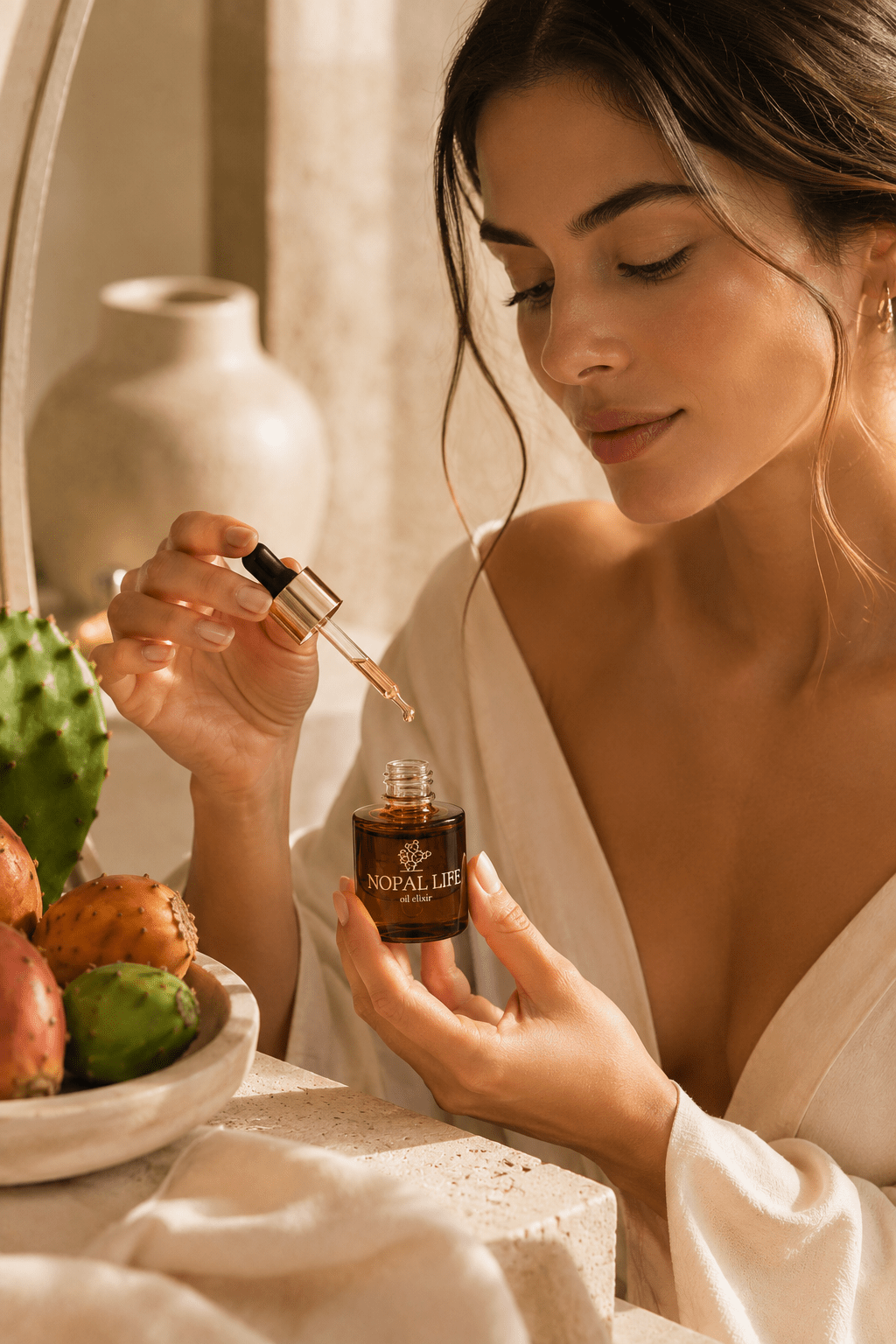
Prickly pear seed oil (Opuntia ficus-indica seed oil in INCI) boasts one of the highest tocopherol (vitamin E family) contents in the plant kingdom, combined with a high proportion of linoleic acid. In practice: an antioxidant active ingredient that helps protect the skin from external aggressions and maintains barrier comfort, with an unusually dry finish for such a rich oil. It is the most requested product in our range, and it is also the ideal massage medium because it glides for a long time without feeling sticky.
The key figure for a producer: it takes about a ton of fruit to extract one liter of cold-pressed oil, as the seeds represent only a tiny fraction of the fruit. This rarity, more than a brand positioning, explains the price of an authentic bottle.
How to use it: 3 to 4 drops of oil in the evening on clean, slightly damp skin, applying with presses rather than rubs. For very dry skin, add 2 extra drops to the neck.
Vitamin C
It is the ultimate radiance active, prized for its antioxidant action and its contribution to visibly even skin tone. It should be used in the morning, under moisturizer and SPF, using 3 to 4 drops. Be aware of its fragility: a clear bottle left on the edge of the sink will lose its effectiveness within a few weeks. A formula that has turned dark amber should be replaced.
Niacinamide
Niacinamide is one of the most well-documented and versatile ingredients in cosmetics: it helps refine texture, even out skin tone, and enhance barrier comfort. It pairs easily with almost everything, including a gentle exfoliant, provided they are not applied at the same minute. A concentration of 4 to 5% is more than enough; above 10%, the risk of redness mainly increases.
Hyaluronic Acid
It acts like a sponge: it captures moisture and retains it in the superficial layers. Multi-molecular weight formulas combine long chains, which form a protective film and provide immediate bounce, and shorter chains, which act deeper within the epidermis. A golden rule too often forgotten: apply it to damp skin and always seal it with a richer texture; otherwise, it can dry out the skin further in a very dry atmosphere.
Centella Asiatica
Its main compounds – asiaticoside, madecassoside – are valued for helping to comfort weakened skin and reduce the appearance of redness. It's the ideal transition ingredient when introducing an exfoliant: it supports tolerance without canceling the desired benefit.
Rose Hydrolat, as a toning lotion
Rose hydrolat toning lotion is one of the rare traditional practices that has retained all its meaning. Obtained by distilling petals, Damask rose floral water provides a slightly acidic pH, close to that of the skin, and a sensation of freshness that makes the application pleasant — and thus repeatable. Its contribution is modest but real: it prepares the skin to receive subsequent active ingredients and prevents the feeling of tightness after makeup removal. Opt for a certified hydrolat, without added preservatives, stored in a cool place and consumed within six months.
| Ingredient | Time | Usual Dose | First Visible Result | Do Not Combine With |
|---|---|---|---|---|
| Vitamin C | Morning | 3-4 drops | 3 to 4 weeks | An AHA in the same application |
| Niacinamide | Morning or Evening | 4 to 5 % | 4 to 6 weeks | Nothing specific |
| Hyaluronic Acid | Morning and Evening | 2-3 drops | Immediate to 7 days | Never leave without an occlusive over it |
| Prickly Pear Seed Oil | Evening | 3-4 drops | 7 to 14 days | Apply last, never under a serum |
| Glycolic Acid | Evening, 1-2 ×/week | 4 % max | 2 to 3 weeks | Retinol, Vitamin C, mechanical exfoliant |
| Retinol | Evening, 2-3 ×/week | 0.1 to 0.3 % | 8 to 12 weeks | Any chemical exfoliant on the same evening |
Does the organic label make a difference?
This question deserves an honest answer, neither militant nor dismissive. A label does not guarantee the effectiveness of a product: it guarantees a specification regarding the origin of raw materials, processing methods, and excluded ingredients. For a vegetable oil, this is a useful criterion, because the quality of the raw material directly affects the antioxidant content.
Three situations where certification provides a real advantage. Firstly, for fats: cold-pressed oil preserves its tocopherols better than hot-refined oil. Secondly, for hydrolats: an untreated floral water without synthetic preservatives is better suited for reactive skin. Thirdly, for minimalist formulas, where each ingredient truly contributes to the final result.
Two situations where certification makes no difference. First, for sunscreens: performance depends on the filter, not the label. Second, for biotechnological ingredients — hyaluronic acid, niacinamide — obtained by fermentation, whose purity is identical in organic and conventional products. In other words, choose certification where it impacts quality, and judge the rest based on the formula. A certified but poorly formulated product remains a poorly formulated product.
A final point, often a source of confusion: the terms "organic" and "natural" are not interchangeable. The first refers to a certification controlled by a third-party organization, while the second has no binding regulatory definition in cosmetics. Always check which organization certifies and what part of the formula the announced percentage refers to.
Adopting a daily ritual, step by step
Effective skincare doesn't necessarily mean a lot of products. The most important thing is to adopt a consistent routine, adapted to your skin type, and follow a logical order: from thinnest to richest consistency.
Morning, in four steps
- Light cleansing — maximum 30 seconds, with a super-fatty gel or a micellar emulsion without harsh surfactants. After forty, simply rinsing is often enough.
- Toner — an underestimated step: it rebalances the pH and prepares the skin to receive treatments. Choose one without denatured alcohol, and apply it with your hands rather than a cotton pad to avoid waste.
- Antioxidant serum — Vitamin C or Niacinamide, 3 to 4 drops, on still slightly damp skin.
- Moisturizer then SPF 30 minimum — the non-negotiable step, even in winter and on cloudy days. This is the only step that truly helps preserve the benefits of everything else in the long term.
Evening, in four steps
- Double cleansing — an oil to dissolve makeup and sunscreens, then a gentle gel. Without this first step, a resistant SPF remains in place until morning.
- Toner, then evening active ingredient — exfoliant on scheduled evenings, retinol on other evenings, never both together. On evenings without active ingredients: hyaluronic acid.
- Eye contour — a rice-grain sized amount per eye, gently patted with the ring finger from the inner corner outwards, on the orbital bone and not on the movable eyelid.
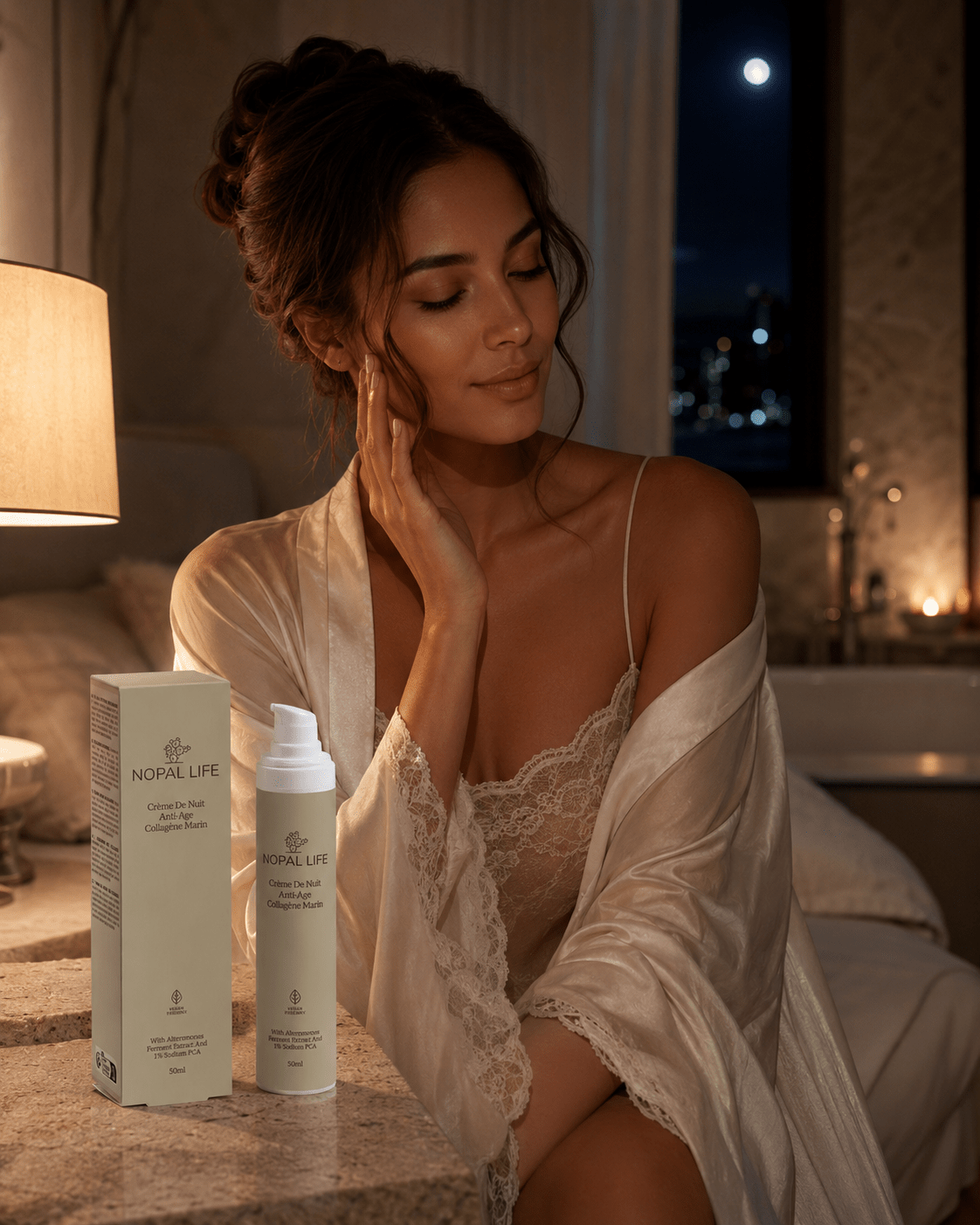
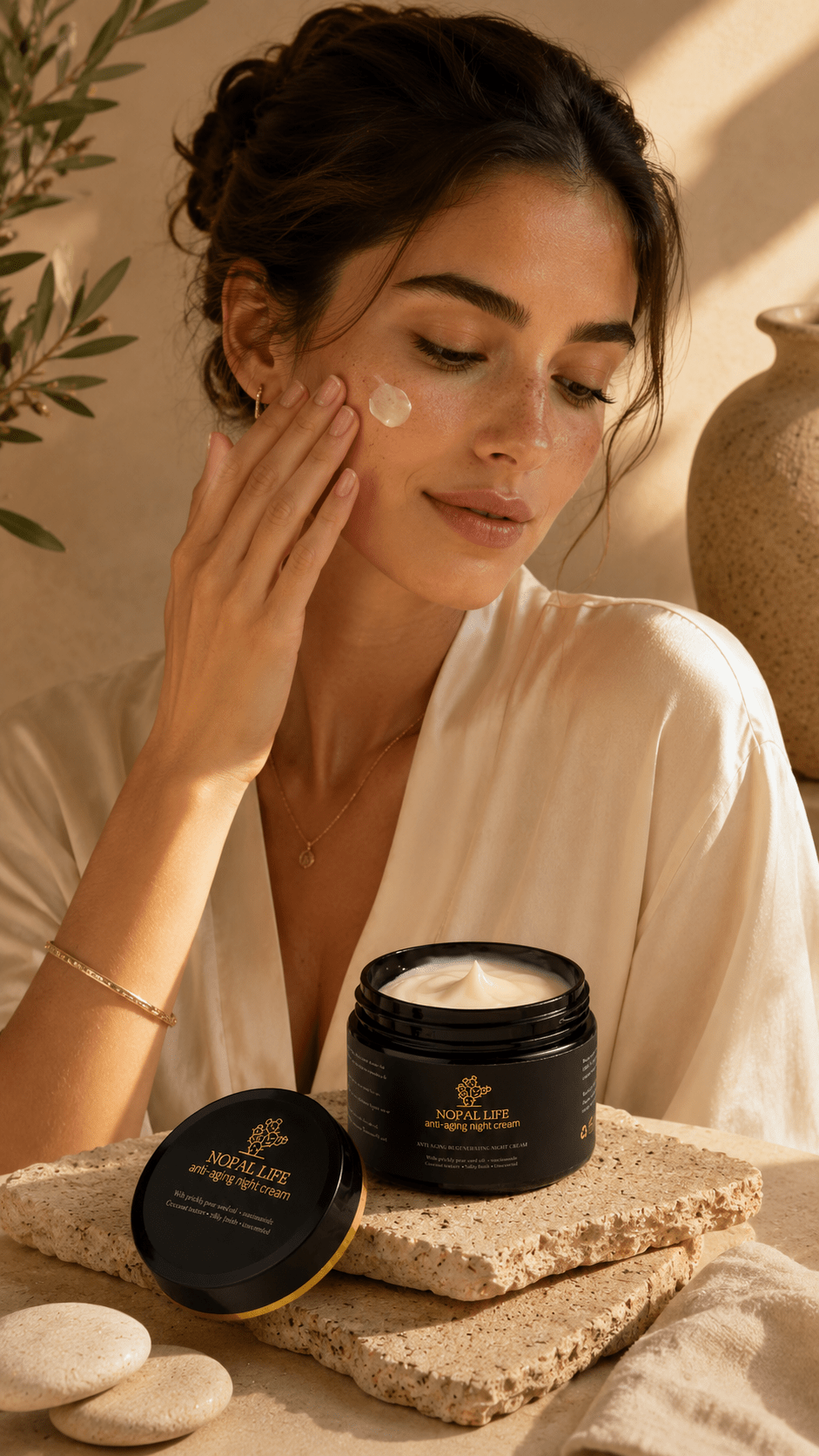
- Evening texture — richer than the daytime formula. Nighttime regeneration is accompanied by higher water loss between 11 PM and 4 AM: this is when an occlusive texture provides the most benefits.
The eye contour deserves a separate note
The skin there is significantly thinner than on the rest of the face, with very few sebaceous glands, and subjected to thousands of blinks daily. This is where fatigue and dehydration are first noticeable, and it is often the primary reason for a generally dull complexion. Two simple steps are enough: a dedicated evening treatment, and in the morning, thirty seconds of tapping under the eyes to boost circulation before applying the rest.
The 56-day protocol: introduction order, day by day
Here is the most practical part of this guide. The most common mistake, when one finally decides to address dull skin, is to start everything on the same Monday: new cleanser, new exfoliant, new treatment, new formula. After ten days, the skin reacts, one doesn't know which product to blame, and the whole routine is abandoned.
This calendar introduces only one variable at a time, with an observation window between each addition. Take a photo on D1, in daylight, facing a window, without makeup, around 10 AM — and take exactly the same photo, in the same place and at the same time, on D56.
| Period | What you add | Application details | Signal to monitor |
|---|---|---|---|
|
D1 → D14 Foundation |
Nothing active. Gentle gel, toner, prickly pear seed oil in the evening, SPF 30 in the morning. | 3 to 4 drops of oil in the evening on damp skin. Photo and GLOW-6 score on D1. | Disappearance of tightness. If skin is still tight on D14, extend for 7 days. |
|
D15 → D21 First peel |
Glycolic 4% or lactic 5%, one evening only during the week. | On perfectly dry skin, avoiding eye contour and sides of the nose. Rich texture 10 minutes after. | Brief tingling acceptable. Persistent redness after 30 minutes = too strong. |
|
D22 → D28 Ramping up |
Increase to two evenings, three days apart (e.g., Monday and Thursday). | Other evenings, oil only. | Texture begins to refine: this is the first visible improvement. |
|
D29 → D35 Morning glow |
Vitamin C in the morning, every day. | 3 to 4 drops after toner, before moisturizer and SPF. | No immediate results expected: this active ingredient is assessed after 4 weeks. |
|
D36 → D42 Circulation |
5-minute massage, three evenings a week (timed protocol below). | Always with oil, never dry, upward strokes. | More pronounced healthy glow upon waking, reduced puffiness. |
|
D43 → D49 Eyes |
Eye contour treatment, morning and evening. | Rice grain-sized amount per eye, with ring finger, on the orbital bone. | Less visible dehydration lines in grazing light. |
|
D50 → D56 Consolidation |
No additions. Stabilize and observe. | Photo and GLOW-6 score on D56, same conditions as D1. | Compare the two photos rather than your memory: the eye quickly adapts. |
At the end of the eight weeks, there are two scenarios. If your score has dropped by three points or more, don't change anything: maintain this rhythm for six months before considering an additional active ingredient. If it has dropped by two points or less, the dominant cause is probably elsewhere — lifestyle, rest, or a skin factor that warrants a dermatologist's opinion.
Not sure which profile to start with? Our Nopal Life Skin Intelligence™ tool analyzes your skin type in two minutes and tells you which branch of the protocol to follow first.
Face massage, timed at five minutes
Among all possible actions, massage offers the best return on investment for time spent and perceived results — and it's the only one that's completely free. It helps activate microcirculation, reduces morning puffiness, relaxes facial tension, and improves the penetration of whatever is applied immediately afterward.
Here is the exact sequence we recommend, in the evening, on clean skin, with 4 to 5 drops of plant oil. Timing matters: most people stop after forty seconds, believing they've completed a massage.
| Duration | Area | Movement |
|---|---|---|
| 30 s | Palms | Warm the oil between your hands, then take three slow breaths with hands flat on your face. |
| 60 s | Forehead | Horizontal strokes from the center towards the temples, then small circles on the temples. |
| 75 s | Cheekbones | From the side of the nose to the ear, firm and steady pressure, six passes per side. |
| 60 s | Facial contour | From the chin to the earlobe, using the back of your index fingers, in upward movements. |
| 45 s | Neck and décolleté | Always from bottom to top, palms flat, alternating left and right. |
| 30 s | Eye contour | Tapping with the ring finger, from the inner to the outer corner. No firm pressure. |
Three principles govern the technique: work from bottom to top, against gravity; use enough slippery product to never stretch the skin; prioritize pressure over rubbing. Contrary to a persistent misconception, a well-executed massage does not create wrinkles: dry friction and horizontal stretching are the issues.
Lifestyle: the levers that make a difference
No product can sustainably compensate for habits that work against you. Four parameters weigh significantly more heavily than others on radiance.
- Nightly rest. This is the most visible short-term variable. Two consecutive short nights are enough to deepen dark circles, regardless of any product. No cosmetic can make up for four hours of lost sleep.
- Smoking. It alters cutaneous microcirculation and is among the best-identified extrinsic skin aging factors, alongside unprotected sun exposure.
- Diet and water intake. Reference total intake is around 2 liters per day for adult women and 2.5 liters for men, including both beverages and food (EFSA guidelines adopted by ANSES). On the plate side, colorful vegetables—citrus fruits, bell peppers, kiwi, green tea, grapes—provide antioxidants and polyphenols that help protect against oxidative stress.
- Ambient air. An indoor environment heated to 22 °C in winter frequently falls below 35% relative humidity, which accelerates water loss. Lowering the heating by one degree in the bedroom is a beauty gesture in itself.
A word on chronic stress, often cited but rarely explained: it disrupts sleep, encourages neglect of evening routines, and is frequently accompanied by a poor diet. This accumulation, more than a single mechanism, explains why a period of intense stress shows on the face within about fifteen days.
Seasons, environment, habits: the details that matter
We underestimate how much the immediate environment affects the balance. These factors don't replace a good routine, but they often explain why results obtained in June collapse in January.
Winter is not a break, it's a change of program
External cold, wind, and heated indoor air form an unfavorable trio: the barrier weakens, the feeling of tightness returns, and foundation becomes more noticeable. The correct adaptation is not to layer active ingredients, but to reduce exfoliation by one step (from twice a week to once) and to enrich the evening texture. Many do the exact opposite, intensifying in January what worked in June.
Conversely, summer allows for a slightly more sustained routine—but requires absolute rigor on SPF, even in the city and in the shade.
Planes, hard water, and pillowcases
- In the cabin, relative humidity often drops below 20%, a level drier than most deserts. For flights over three hours: remove makeup before boarding, apply a hydrating serum, an occlusive oil on top, and no makeup.
- Very hard water leaves a mineral deposit that accentuates the feeling of roughness after rinsing. A rose hydrosol sprayed immediately after is enough to eliminate this sensation, with no particular investment.
- The pillowcase concentrates residues, sebum, and dust. Changing it every week does more for skin comfort than an extra serum, and a smooth material limits sleep creases upon waking.
Sport, in one sentence
Thirty minutes of breath-inducing activity, three times a week, stimulates peripheral blood circulation more effectively than any massage. The only caution: remove makeup before exercise and rinse afterwards, to prevent sweat from stagnating under a layer of product.
The six mistakes that perpetuate dull skin
- Exfoliating too often. After forty, a weekly mechanical scrub with abrasive grains weakens the barrier more than it refines texture. A gentle exfoliant two evenings a week does better, and without micro-lesions.
- Changing everything every month. Most formulas require 8 to 12 weeks to deliver their fundamental effects. Constantly trying new products means never giving one enough time to prove itself.
- Skipping SPF from October to March. UVA rays penetrate clouds and windows all year round, cause no burning sensation, yet are most implicated in visible skin aging.
- Layering active ingredients on the same evening. An exfoliant plus retinol plus vitamin C is a recipe for a red, uncomfortable face in ten days. One strong product per evening, no more.
- Neglecting the neck and hands. They show signs of aging faster than the face because they are less protected, and they immediately betray partial application. Extend your routine downwards, literally.
- Reading promises rather than the INCI list. An ingredient listed at the end, after fragrance, is present in anecdotal quantities. The first five ingredients make up the bulk of the formula.
Choosing products without getting lost in labels
Three criteria are enough to sort 90% of products on shelves. Firstly, the INCI list: what is highlighted on the packaging should appear among the first ingredients, not at the end of the list. Secondly, supplementary composition: beware of formulas laden with fragrances and denatured alcohol, which are pleasant to apply but unfriendly to an already fragile barrier. Thirdly, transparency: a brand that indicates its concentrations and the origin of its raw materials allows you to compare; a brand that only publishes satisfaction percentages does not.
For a plant oil in particular, four mentions are worth examining: the full INCI name, the extraction method (cold-pressed), the geographical origin, and the certification issued by an identifiable body. An amber or opaque glass bottle is an additional sign of seriousness, as oils rich in unsaponifiables are sensitive to light.
Where to prioritize effort
If you only remember one priority order from all these tips, here it is, from most effective to least determining: 1) daily sun protection; 2) sleep and physical activity; 3) morning and evening hydration, without exception; 4) gentle exfoliation, once or twice a week; 5) antioxidant serums; 6) everything else. A routine that neglects the first three points and invests heavily in the fifth consistently yields disappointing results.
FAQ — your questions about dull skin
How do I know if my skin is dull or just tired?
The difference lies over time. A tired face recovers after two or three good nights: radiance returns on its own. Established dull skin doesn't change after a week of rest, because the causes are cutaneous — thickened texture, insufficient hydration, lost uniformity. The ECLAT-6 score, redone two weeks apart under the same lighting conditions, settles the question.
Is glycolic acid suitable for sensitive skin over fifty?
It is most effective on a thickened stratum corneum, but also the most penetrating due to its very small molecule (76 g/mol). In case of reactivity, start with mandelic acid or gluconolactone, which are better tolerated, and then switch if tolerance is good after two months. In Europe, general public formulas are capped at 4% with a minimum pH of 3.5, which already significantly limits the risk.
How long before I see a change?
Three different timeframes, not to be confused. Good hydration restores radiance in a few days. Gentle exfoliation refines the appearance of skin texture in 2 to 3 weeks. Fundamental effects on firmness and uniformity require 8 to 12 weeks of regularity—at least the duration of the 56-day protocol detailed above.
Can a plant oil be used on mature, oily-prone skin?
Yes. Prickly pear oil is classified as non-comedogenic (index 0 to 1 on the Kligman scale), its texture is light and its absorption is fast, making it compatible with combination to oily skin. It helps to lighten the shiny appearance without drying out, and provides the fatty acids that often become deficient with age. For this skin type, 2 to 3 drops in the evening are sufficient, compared to 3 to 4 for dry skin.
What's the real difference between a day cream and an evening formula?
The day formula should remain light, compatible with the SPF applied over it, and provide antioxidants. The evening formula can be richer in lipids and occlusive agents, as water loss is higher at night and there are no makeup-holding constraints. If you can only keep one, keep the evening one and lighten up in the morning.
Do "radiance" food supplements help?
A varied diet covers the needs of the vast majority of people. A supplement is only beneficial in cases of identified deficiency, and this falls under the advice of a health professional, not beauty tips. Investing in good quality sun protection will change your appearance more in five years than any capsule.
Can established spots be eliminated with cosmetics?
No, and any promise to that effect should alert you. What a good routine can do is help unify the overall appearance of the complexion, improve how light is reflected, and most importantly—thanks to daily SPF—prevent the contrast from intensifying. If a spot changes, alters color or contour, a dermatologist's opinion is essential before any cosmetic action.
At what age should preventive care be adopted?
There's no age too early for sunscreen and antioxidants: starting in your twenties, these are the two beneficial habits. More specific products—chemical exfoliants, retinol, peptides—find their place from the thirties, when cell renewal begins to slow down. After fifty, the priority shifts to hydration and barrier comfort before any exfoliation.
Is a weekly mask useful?
A mask is never essential, but it provides two concrete benefits: it enforces a pause, which improves regularity, and it allows for a generous application of humectant ingredients. For dull skin, prefer a creamy hydrating texture over clay, which is often too drying after forty.
Do I need a different product for each area of the face?
No, except for the eye contour, whose delicate nature justifies a dedicated texture. For the rest, a modulated application is sufficient: a little more product on the often drier cheeks, a little less on the T-zone. Multiplying products complicates everything and makes it impossible to identify what truly works.
What Nopal Life brings to dull skin
Our approach can be summarized in one sentence: few, well-chosen products, used consistently over time. Nopal Life prickly pear oil, cold-pressed and rich in essential omega-6 and omega-9 fatty acids, tocopherols, and plant sterols, helps preserve the suppleness and comfort of the skin's film. It reduces the appearance of dehydration fine lines, supports a firm and plump appearance, and serves as the massage base for the entire protocol described here.
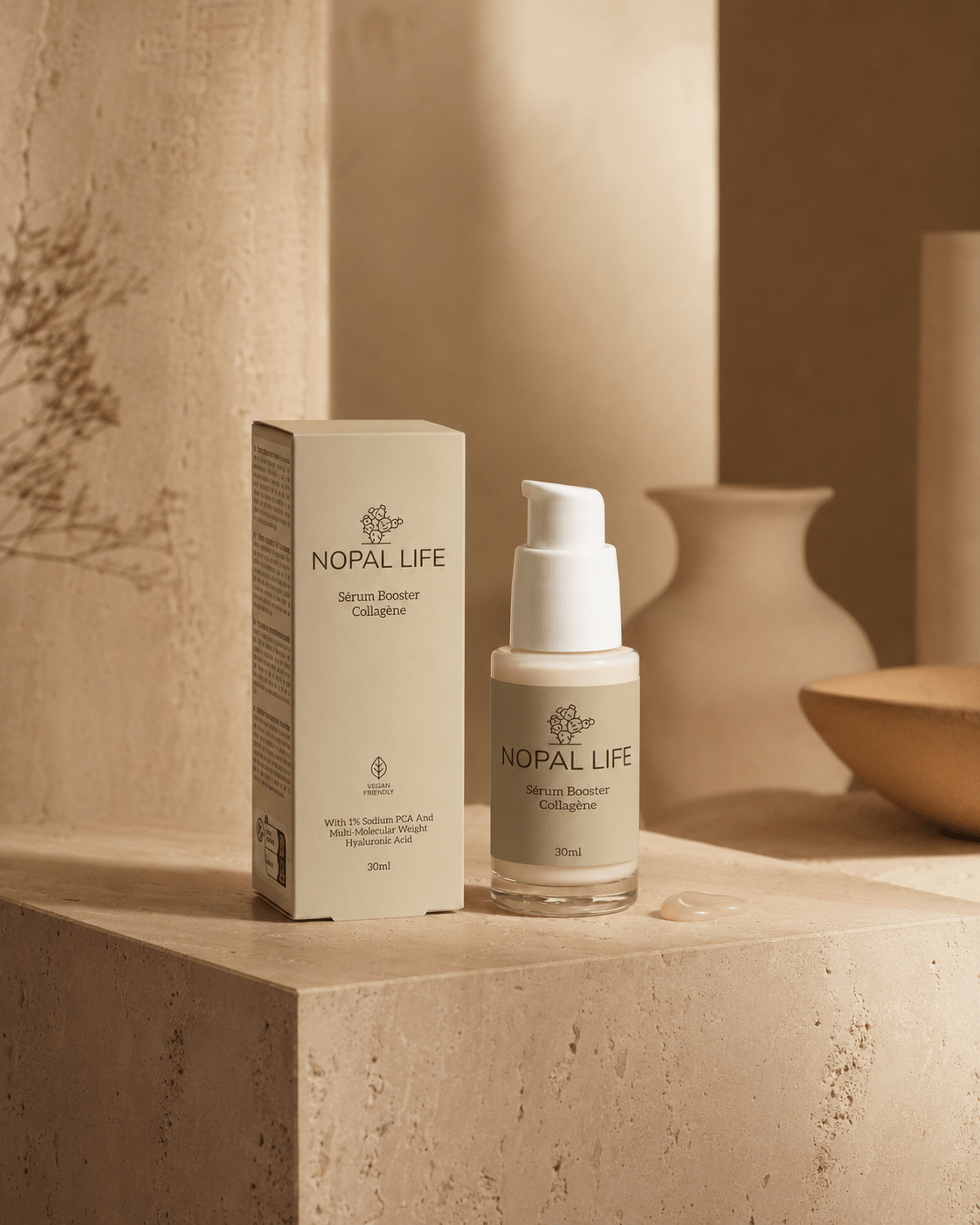
Combined with a nourishing night cream and a morning serum, it forms a complete yet uncomplicated set. The rest—consistency, rest, SPF—cannot be bought, and this is precisely what makes the difference over eight weeks for a radiant complexion.
Regulatory and nutritional benchmarks cited: Regulation (EU) 2024/996 amending Regulation (EC) No 1223/2009 on cosmetic products (restrictions applicable to glycolic and lactic acids); EFSA's water intake benchmarks adopted by ANSES.
Information provided for cosmetic and educational purposes only; it does not constitute medical advice.
Our anti-aging treatments