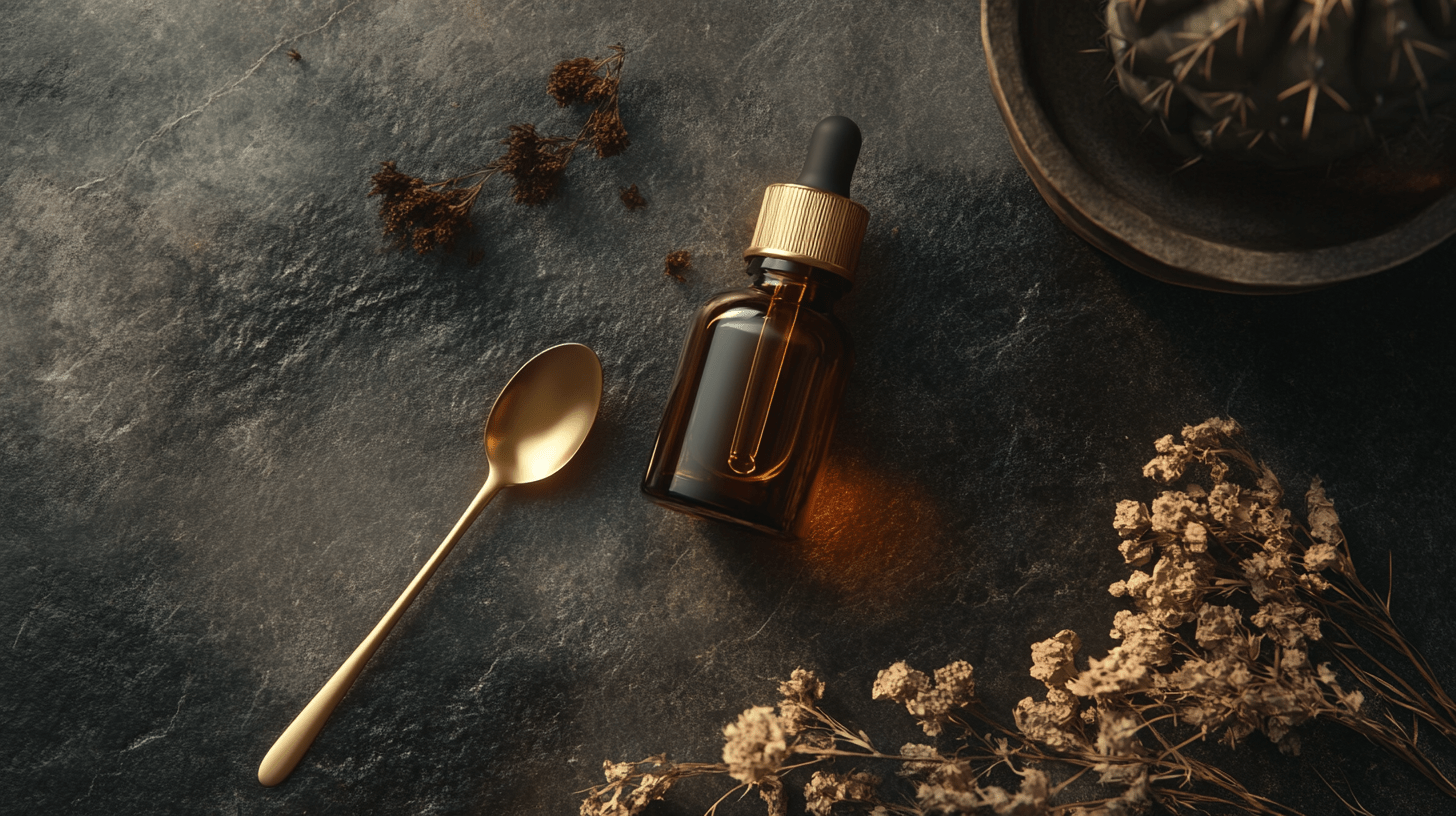
Antioxidant Defense: Complete Guide Nopal Life
Every day, your skin faces an invisible yet constant adversary: oxidative stress. Urban pollution, UV radiation, heat, unbalanced diet — these factors generate free radicals and can affect the appearance of the skin over time. Skin antioxidant defense refers to how the epidermis helps cope with these daily aggressions and maintain its radiant appearance and comfort.
At Nopal Life, we founded our formulation on one of the richest antioxidant-rich plants in the Mediterranean world: Opuntia ficus-indica, the prickly pear. Its pulp, seeds, and precious oil concentrate a range of natural active ingredients — tocopherols, unsaturated fatty acids, flavonoids, betalains — that work synergistically to support your skin's healthy appearance.
This guide offers a comprehensive and structured overview of skin antioxidant defense: understanding the concepts involved, identifying the specific needs of each skin type, building a suitable routine, choosing the right natural active ingredients, and avoiding mistakes that compromise epidermal comfort. You will also find answers to frequently asked questions, as well as product recommendations designed according to this natural and rigorous philosophy.
Whether your skin is dry, mature, combination, or sensitive, this guide is the starting point for understanding your skin's capital and caring for it sustainably, with natural skincare formulated with intention.
Understanding the skin's antioxidant defense
Oxidative stress refers to an imbalance between the production of free radicals and the skin's ability to cope with them. Free radicals are unstable molecules: a chain reaction is often invoked which, over time, can alter the comfort of the superficial layers of the skin and affect its appearance.
On the skin, this phenomenon can visually manifest as a dull complexion, a less smooth-looking texture, visible pigmentation irregularities, and a progressive loss of luminosity. Cumulative UV exposure is generally presented as one of the main external sources of oxidative stress and a major factor in the visible signs of skin aging.
Fortunately, the skin has its own natural mechanisms. Two levels are often mentioned:
- The skin's natural enzymatic antioxidants: superoxide dismutase (SOD), catalase, glutathione peroxidase — compounds naturally present in the skin, whose levels tend to change with age and under the influence of environmental factors.
- Non-enzymatic antioxidants: vitamins C and E, carotenoids, polyphenols — supplied partly by diet and partly by topical skincare.
Prickly pear oil from Opuntia ficus-indica seeds is distinguished by its remarkable richness in tocopherols (vitamin E), traditionally recognized as one of the highest among vegetable oils.
On the surface, topical antioxidants are often described as allies that support the skin's appearance against external aggressions. A network action is often mentioned: vitamin C and vitamin E, for example, are frequently combined because they complement each other, contributing to the overall comfort of the routine.
Understanding these fundamental concepts helps to better grasp why a multi-active approach — such as that developed by Nopal Life around prickly pear combined with other natural compounds — supports the skin's appearance more comprehensively than a single isolated active ingredient.
Antioxidant defense according to your skin type
Antioxidant defense is not a uniform need: its intensity varies depending on the structure and condition of your epidermis. Identifying your skin profile is the first step to precisely adapting your routine.
Dry and mature skin
Dry and mature skin share a common vulnerability to oxidative stress. The skin may appear more uncomfortable, the skin barrier seemingly less supple, and the sensation of tightness more frequent. This perceived fragility makes the skin more sensitive to external aggressions.
For this profile, our specialized guide explores hydration strategies and antioxidant comfort in detail: discover the antioxidant protocol adapted to dry and mature skin.
Combination and oily skin
Contrary to popular belief, combination or oily skin is not better protected from oxidative stress. Excess sebum on the surface can accentuate the shiny appearance and the appearance of pores. These skin types appreciate light, non-comedogenic antioxidants that can help mattify the appearance of shiny areas without weighing down the texture.
Our dedicated article on this profile details the most suitable textures and active ingredients: antioxidant guide for combination skin: radiance and balance without excess.
Sensitive and reactive skin
Sensitive skin often has a visibly more fragile skin barrier, which can accentuate discomfort reactions to external aggressions. In this case, antioxidants should be selected for their skin tolerance and their visibly soothing action — the naturally gentle polyphenols of prickly pear prove particularly suitable. A dedicated article addresses building a gentle and comfortable routine: strengthening the antioxidant defense of sensitive skin without irritating it.
The Skin Intelligence™ personalized diagnosis
Because every skin is unique, there is no universal routine. The Nopal Life Skin Intelligence™ diagnosis analyzes your skin profile in detail — type, condition, priority needs — to guide you towards the most relevant skincare and active ingredients for your specific situation. It is the ideal tool to complement your reading of this guide with a personalized recommendation.
Recommended routine: the Nopal Life protocol for antioxidant defense
A good antioxidant routine is based on a simple logic: protect in the morning, care in the evening. Oxidative aggressions are maximal during the day (UV, pollution, heat) while night represents the skin's natural rest window. Adapting care to this day/night rhythm helps to make the most of the applied active ingredients.
Morning: protect and illuminate
The morning antioxidant routine revolves around three fundamental steps.
- Gentle cleansing: Start with a cleanser that respects the hydrolipidic film. Aggressive cleansing compromises the comfort of the skin barrier and reduces the efficacy of subsequently applied skincare.
- Concentrated antioxidant serum: This is the highlight of the morning routine. Nopal Life's Vitamin C² Radiance & Spots Serum combines stabilized vitamin C with natural prickly pear extracts. Its light formulation applies easily and prepares the skin's appearance to face the day's aggressions. Apply 2 to 3 drops to clean, slightly damp skin, gently patting to promote absorption.
- Sun protection: The essential final protective step. No topical antioxidant replaces sun protection — these two approaches are complementary, not substitutable.
Evening: care and revitalize
- Double cleansing: In the evening, first remove sunscreen residues and pollution with an oil or balm, then cleanse with an aqueous cleanser.
- Night booster: The Ginkgo Antioxidant Radiance Skin Gel Booster is formulated to support the skin overnight. Ginkgo biloba extract, one of the most well-known plant antioxidants, combines with prickly pear polyphenols to help the skin cope with accumulated aggressions during the day and support a firm and plump appearance during rest. Its light gel texture is suitable for normal to combination as well as sensitive skin.
- Moisturizing or nourishing care: Complete with a care product adapted to your skin type to seal in active ingredients and help preserve hydration overnight.
Frequency and consistency
Antioxidant defense is a long-term care that requires regularity. Most topical antioxidant active ingredients generally require several weeks of regular application before visible effects on complexion appearance and skin texture are observed. Consistency takes precedence over occasional intensity.
Essential natural active ingredients for antioxidant defense
The richness of Nopal Life's formulation relies on a selection of natural active ingredients with complementary antioxidant properties. Here are the main active ingredients often associated with skin care against oxidative stress.
Prickly pear oil (Opuntia ficus-indica)
The star active ingredient of the Nopal Life range. Cold-pressed from the seeds of Opuntia ficus-indica, this precious oil concentrates an exceptional lipid composition:
- Linoleic acid (omega-6): up to 60% of total fatty acids. This essential fatty acid is traditionally associated with the comfort of the skin barrier and a feeling of supple and nourished skin.
- Tocopherols (vitamin E): among the highest levels traditionally recognized in vegetable oils. Vitamin E is a fat-soluble antioxidant known for supporting skin comfort.
- Phytosterols: these plant-based compounds are often associated with a feeling of soothing and the comfort of the skin's lipid film.
- Betalains: pigments specific to Cactaceae, traditionally valued for their antioxidant and soothing properties.
Vitamin C (ascorbic acid and stable derivatives)
One of the most well-known hydrophilic antioxidants in cosmetology. Vitamin C is renowned for helping to maintain the skin's firm and luminous appearance and can contribute to helping unify the complexion's appearance. Its stabilization in cosmetic formulas is a major technical challenge that Nopal Life addresses by choosing stabilized derivatives valued for their ease of use.
Ginkgo biloba extract
Ginkgo biloba is one of the most well-known plant species for its antioxidant properties. Its leaves concentrate flavonoids (quercetin, kaempferol, isorhamnetin) and specific compounds (ginkgolides, bilobalide) traditionally associated with antioxidant action. In topical application, Ginkgo extract is often appreciated for helping to revive the appearance of a radiant and luminous complexion.
Plant polyphenols
Naturally present in prickly pear extracts — fruit, prickly pear flower, leaves (cladodes) — polyphenols constitute a family of versatile antioxidants. They are traditionally valued for their antioxidant action and for supporting skin comfort. The richness of their composition makes them particularly precious active ingredients in a holistic approach to skin care.
Ferulic acid
This phenolic acid naturally present in plant cell walls is valued for two reasons: its antioxidant property and its ability to complement other antioxidants. Combined with vitamins C and E, ferulic acid is often integrated to enhance the efficacy of advanced antioxidant skincare.
Common mistakes to avoid for effective antioxidant defense
Even with quality active ingredients, certain habits can compromise the efficacy of your antioxidant routine. Here are the most common mistakes and how to correct them.
Mistake 1: Exposing antioxidant formulas to light and heat
Vitamin C and many natural antioxidants are photosensitive and thermolabile. Store your skincare products away from direct light, preferably in a cool place. A vitamin C serum that yellows or browns significantly has often deteriorated and may lose its efficacy.
Mistake 2: Waiting for the first visible signs to start
Oxidative stress accumulates silently before manifesting visually. Antioxidant defense is as much preventive as corrective care. Starting an antioxidant routine in your twenties allows you to better care for your skin's capital in the long term.
Mistake 3: Applying antioxidants in the wrong order
Antioxidant serums should always be applied to clean skin, before moisturizer and sunscreen. Applied after a thick cream, active ingredients are less well absorbed and their efficacy is greatly reduced. The golden rule: from lightest to richest textures.
Mistake 4: Neglecting sun protection
Topical antioxidants do not replace sun protection — they complement it. UV rays generate free radicals in quantities that even a concentrated formula cannot fully compensate for. Sun protection is the first antioxidant gesture of the day.
Mistake 5: Changing routine too often
The effects of skin antioxidants appear gradually, over weeks. Changing products before giving a product enough time to act is one of the most frequent causes of disappointment. Establish a protocol for at least 6 to 8 weeks before evaluating the results.
Nopal Life products to strengthen your antioxidant defense
The Nopal Life range was designed around a central conviction: natural active ingredients, when rigorously selected and intelligently combined, offer comparable efficacy to synthetic solutions, with an often appreciated tolerance profile.
Vitamin C² Radiance & Spots Serum
The reference antioxidant care for the morning. Its formulation concentrated in stabilized vitamin C, enhanced by prickly pear extracts and plant polyphenols, supports the skin's appearance against free radicals generated by UV exposure and pollution. Light texture, rapid absorption, suitable for all skin types. Discover the Vitamin C² Radiance & Spots Serum.
Ginkgo Antioxidant Radiance Skin Gel Booster
The night care to revive radiance. Light gel formula enriched with standardized Ginkgo biloba extract and prickly pear polyphenols, to support the skin against aggressions accumulated during the day and revive the appearance of rested skin upon waking. Fresh, non-comedogenic texture, suitable for normal to combination and sensitive skin. Discover the Ginkgo Antioxidant Gel Booster.
Pure Prickly Pear Seed Oil
The pure concentrate of natural active ingredients. Cold-pressed from the seeds of Opuntia ficus-indica using traditional methods preserving the integrity of natural compounds, this oil is the most direct expression of the Nopal Life philosophy: the richness of the plant, without intermediaries. A few drops are enough for a generous supply of tocopherols, essential fatty acids, and polyphenols. Versatile, it can be used pure or mixed with your usual care. View the Nopal Life facial care range.
To go further in your antioxidant strategy
This guide has presented you with the foundations of skin antioxidant defense. To deepen your understanding and adapt your care to your specific profile, explore the series' companion articles:
- Antioxidant defense for dry and mature skin — rich protocol and intense nourishment
- Antioxidant defense for combination skin — lightness and efficacy without excess
- Antioxidant defense for sensitive skin — gentleness and progressive strengthening
- Vitamin C and skin: everything you need to know — the complete guide to this essential active ingredient
- The benefits of prickly pear oil for the skin — composition, properties, and instructions for use
And for a personalized recommendation based on your actual skin profile, start with the Nopal Life Skin Intelligence™ diagnosis — free, in a few minutes, with immediately actionable results.
Article written by the Nopal Life team. Nopal Life is committed to transparent and rigorous communication, based on available cosmetic knowledge. This content is for informational and educational purposes.
Frequently asked questions about skin antioxidant defense
At what age should you start an antioxidant routine?
There is no age too early to start protecting your skin from oxidative stress. From the age of twenty, the first cumulative exposures to UV and pollution begin to mark the appearance of the epidermis. A light routine based on natural antioxidants can be started at any age, adapting the concentration and richness of the formulas to the skin profile.
Are topical antioxidants sufficient?
Topical treatments are an important line of care, but they accompany an overall healthy lifestyle. A diet rich in colorful fruits and vegetables, sufficient hydration, UV protection, and limiting environmental stress factors are the pillars of a sustainable antioxidant routine. Nopal Life treatments are formulated to support this approach, not to replace it.
Can prickly pear oil be suitable for oily skin?
Yes, provided it is used in appropriate quantities. Prickly pear oil has a particular affinity with skin lipids and absorbs quickly without leaving a greasy film. Its high content of linoleic acid makes it a light oil, well tolerated by combination or oily skin. A small amount applied in the evening allows you to enjoy its antioxidant properties without weighing down the skin's texture.
How do I know if my skin is under oxidative stress?
Several signs can suggest a high level of cutaneous oxidative stress: dull and lackluster complexion, seemingly irregular texture, more pronounced fine lines, visible pigmentation irregularities, persistent sensation of tightness or discomfort. These signs are not exclusively linked to oxidative stress but their simultaneous presence justifies particular attention. The Skin Intelligence™ diagnosis can help you assess the appearance and comfort of your skin.
Can several antioxidants be combined in the same routine?
Yes, and it is even recommended. Antioxidants are often described as complementary. Combining vitamin C (hydrophilic, acts in the aqueous phase) and vitamin E (liposoluble, refines for rich textures) offers a broader approach than a single active ingredient. Ferulic acid complements this combination. Nopal Life formulas thoughtfully integrate these combinations for optimal enjoyment and great comfort of use.
Read more
Information provided for cosmetic and educational purposes; it does not constitute medical advice.


Go further than this article
Get our skincare guides by email — and start with your free skin diagnostic: 2 minutes, advice tailored to your skin. We ship to the US, UK, Canada, Australia and 27 European countries; somewhere else? Sign up and you will be the first to know when we deliver to your country.
By signing up, you agree to our privacy policy. Unsubscribe in one click.