Antioxidant Defense: Your Skin's Natural Shield
Caring for your skin begins with understanding its needs. This guide on Antioxidant Defense provides clear benchmarks and practical steps, in the spirit of NOPAL LIFE: natural, precise, without exaggerated promises.
Cutaneous oxidative stress: benchmarks and factors
Cutaneous oxidative stress refers to when the skin's balance is challenged by environmental aggressors. Daily, skin is exposed to numerous external factors that can affect its appearance, comfort, and radiance. This is why antioxidant defense has become central to a modern skincare routine.
Exposure factors are multiple: UV radiation (primary factor), atmospheric pollution (fine particles PM2.5, ozone), tobacco, and even high-energy visible light (HEV blue light). The skin is the frontline organ against these environmental aggressors, which explains why its need for antioxidant support tends to be felt with age.
SOD: a benchmark antioxidant active ingredient
Superoxide dismutase (SOD) is one of the most well-known antioxidant active ingredients. It is naturally found in the skin, where its presence tends to change with age and repeated exposures. This evolution partly explains why mature skin may appear more sensitive to external aggressions.
In the skin, SOD is associated with the layers responsible for freshness and vitality. Over time and sun exposure, mature skin can appear more vulnerable to signs of skin fatigue, which motivates the interest in daily antioxidant care.
Bio-inspired active ingredients mimicking SOD activity (melon extracts, mineral complexes) are now used in cosmetics for their value in a visible antioxidant skincare approach.
Vitamin C and Vitamin E: the benchmark antioxidant duo
Vitamin C (ascorbic acid) is the most well-known water-soluble antioxidant in cosmetics. It is valued for its benefit in skincare products that aim to preserve a radiant and even complexion. It is a key active ingredient in routines that seek to maintain a fresh and luminous complexion.
Vitamin E (tocopherol, especially alpha-tocopherol) is the benchmark fat-soluble antioxidant. Present in many vegetable oils, it is associated with visible skin comfort and suppleness. Vitamin C and Vitamin E are often presented as a complementary duo: it's a classic and popular combination in the world of antioxidant care.
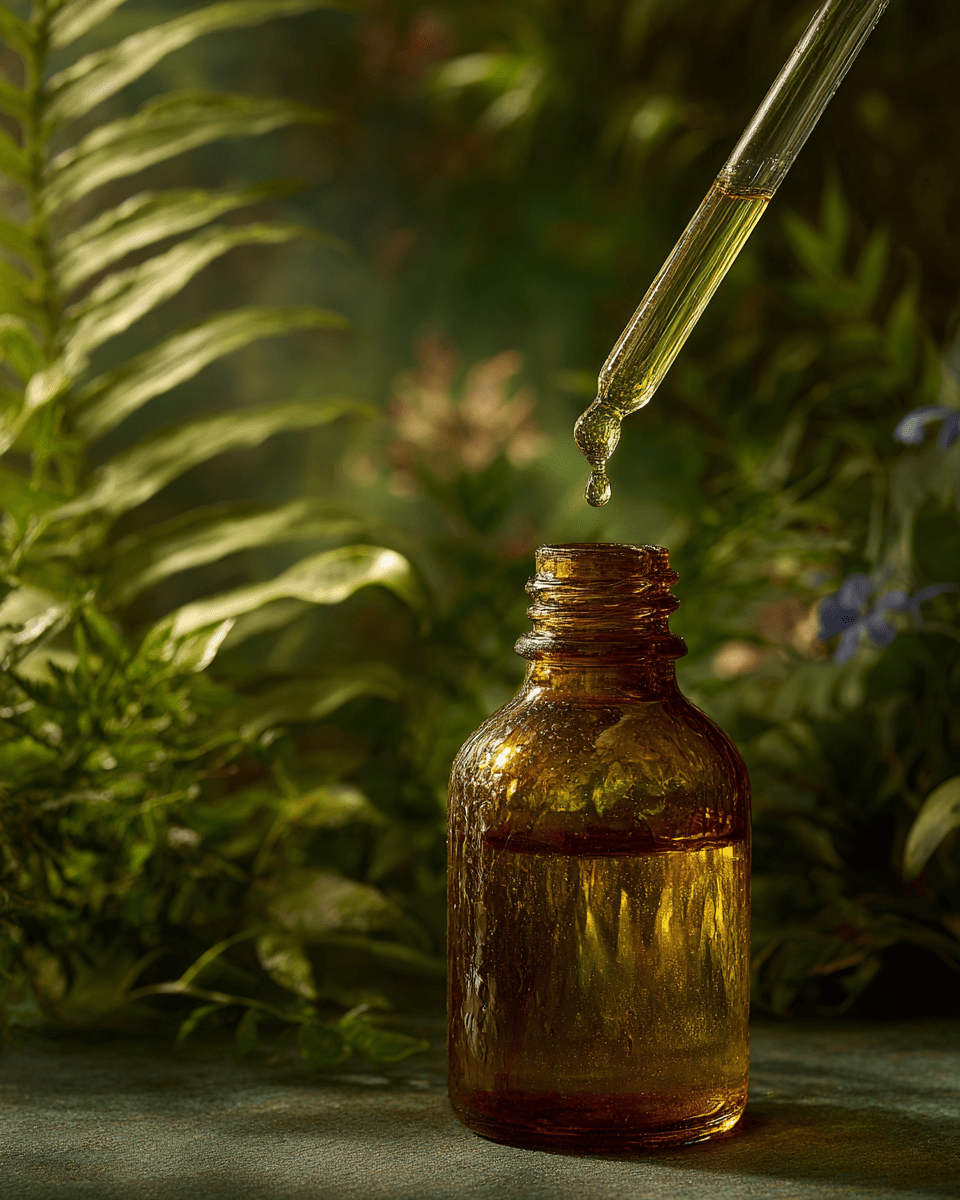
Prickly pear seed oil is one of the vegetable oils richest in tocopherols (up to 760 mg/kg), particularly gamma-tocopherol. This exceptional richness, combined with its content of linoleic acid and plant sterols, makes it one of the most valued cosmetic oils for its antioxidant contribution and comfortable feel.
Selenium and antioxidant minerals
Selenium is a trace element often associated with the antioxidant world. It is naturally found in food, where it supports skin well-being as part of a balanced lifestyle. It is a frequently cited topic when discussing global antioxidant support.
Zinc and copper are also minerals often mentioned in the antioxidant world. Zinc is also valued for its benefit on the appearance of shiny areas and helps to mattify the appearance of combination to oily skin. Manganese completes this family of minerals associated with skin vitality.
These minerals are primarily supplied through diet (fish, nuts, legumes) rather than topically. A varied diet rich in these nutrients (zinc, selenium, vitamin E) supports skin comfort and healthy appearance over time.
Polyphenols and botanical antioxidants
Polyphenols constitute the most well-known family of botanical antioxidants. Their phenolic structure makes them highly valued active ingredients in cosmetics for their antioxidant benefits. The main relevant representatives in skincare: resveratrol (grape), EGCG (green tea), quercetin (capers, apples), curcumin (turmeric), ferulic acid.
Ferulic acid deserves special mention. In combination with vitamins C and E (CEFer formula), it is valued for strengthening the protected and radiant appearance of sun-exposed skin. This synergy is a classic reference in antioxidant care, with ferulic acid known to help stabilize vitamin C in formulas.
Resveratrol is one of the most popular botanical active ingredients for helping to preserve the firm and plump appearance of the skin, as well as its radiance. It is readily associated with the world of visibly youthful skin. These qualities make resveratrol one of the most prominent active ingredients in current botanical cosmetics.
Mistakes to avoid in antioxidant strategy
Using vitamin C alone without sun protection: Vitamin C is valued in a radiance routine, but it cannot replace sunscreen. The two are complementary and not interchangeable.
Buying unstable vitamin C formulas: Pure ascorbic acid oxidizes rapidly on contact with air and light. A brownish formula is one to avoid. Prefer stable derivatives (Ascorbyl Glucoside, Sodium Ascorbyl Phosphate) or airtight packaging.
Ignoring diet: Dietary antioxidants (berries, green tea, olive oil, nuts) contribute to overall skin well-being. Topical care alone does not cover all needs.
Accumulating too many antioxidant active ingredients without logic: Three well-chosen and complementary active ingredients are better than ten incompatible or redundant ones. Vitamin C, vitamin E, and ferulic acid form a classic and popular trio.
FAQ
What is the best concentration of topical vitamin C?
For pure ascorbic acid, 10-20% is the usually recommended range in cosmetics. Below 10%, the contribution is minimal. Above 20%, the risk of discomfort increases without additional visible benefit.
Can resveratrol be taken as a nutritional supplement?
Yes, it is also found as a nutritional supplement as part of a balanced lifestyle. For the visible aspect of the skin, topical application nevertheless remains the preferred route in cosmetics.
Is astaxanthin more valued than vitamin C?
Astaxanthin is a renowned botanical antioxidant, often cited for its benefits. It is interesting as a complement to a routine, not as a replacement for vitamin C.
Is topical green tea beneficial?
EGCG (green tea extract) in topical application is valued in antioxidant skincare. Formulas with 2-5% green tea extract are generally well-tolerated and beneficial in an antioxidant product.
Do topical antioxidants replace SPF?
No. Topical antioxidants support the protected appearance of the skin, but they do not absorb UV rays like sun filters. They are complementary layers of protection.
Is topical glutathione beneficial?
Topical glutathione remains a debated topic in cosmetics. N-acetyl-cysteine and ingredients associated with the antioxidant world (selenium, alpha-lipoic acid) are often considered more relevant avenues.
Content written for informational and educational purposes, in a cosmetic context.
Why choose Nopal Life for your natural facial care
Nopal Life has developed a range of facial care products formulated around premium prickly pear seed oil, an exceptional botanical active ingredient extracted from Algerian plantations in arid highlands, using methods that respect its delicate active ingredients. Each product is designed to precisely meet the skin's real needs: hydration, nourishment, radiance, visible firmness, or soothing, without compromising on tolerance or comfort.
Our approach combines the richness of botanical active ingredients with the teachings of modern dermatology. Discover your personalized routine in less than 3 minutes with our free Skin Intelligence diagnostic.
RECOMMENDED PRODUCT
Pure Prickly Pear Seed Oil
Natural formula · Origin Algeria
DISCOVER THIS PRODUCT →PERSONALIZED ROUTINE
Nopal Life Skin Intelligence™
Free diagnostic · 2 minutes
DISCOVER MY ROUTINE →Read more
Information provided for cosmetic and educational purposes; it does not constitute medical advice.


Go further than this article
Get our skincare guides by email — and start with your free skin diagnostic: 2 minutes, advice tailored to your skin. We ship to the US, UK, Canada, Australia and 27 European countries; somewhere else? Sign up and you will be the first to know when we deliver to your country.
By signing up, you agree to our privacy policy. Unsubscribe in one click.