Dry scalp: causes and gentle scalp care
The scalp is skin in its own right, and it can dry out just like the skin on your face or hands. When its skin barrier weakens, your scalp can feel tight, itchy, and sometimes develop fine flakes. The good news is that, in the vast majority of cases, a dry scalp can be rebalanced with gentle practices, less frequent washing, and natural treatments that help limit dehydration without stripping the protective film.
Key takeaways
- Main cause: a weakened skin barrier that allows water to evaporate — often perpetuated by overly frequent washing, hot or hard water, heating, and cold.
- Signs: tightness, itching, fine dry flakes, and discomfort, generally with little sebum.
- Good practice: simplify your hair care routine, use a gentle shampoo, rinse with lukewarm water, and delicately massage with your fingertips.
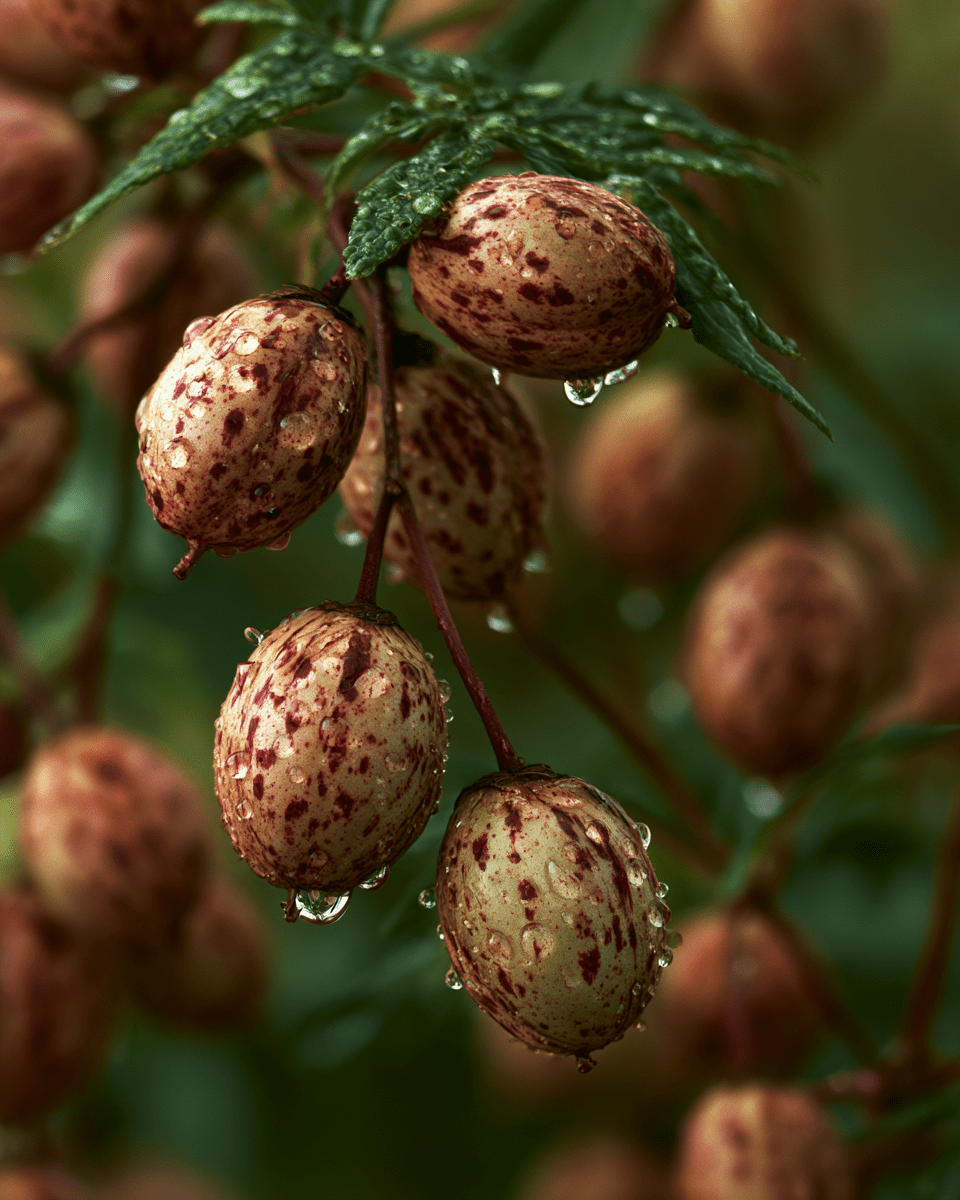
- Helpful treatments: a few drops of vegetable oil as a pre-shampoo treatment — prickly pear seed oil, rich in linoleic acid, is one of the most suitable.
- When to consult: red patches, scabs, intense or persistent itching, or hair loss require a dermatologist's opinion.
Why does the scalp dry out?
Underneath the hair, the scalp has its own skin barrier and sebaceous glands, which produce sebum to protect it. When this barrier weakens, water loss accelerates: hydration escapes, surface cells dry out, and a sensation of tightness sets in. A dry scalp often produces little sebum, unlike oily skin — hence a primary need for hydration and comfort.
Several factors, especially external ones, explain this dryness:
- Overly frequent washing or shampoos with harsh cleansing agents, whose stripping effect removes the protective film with each use.
- Very hot or hard water: heat and limescale weaken the barrier and exacerbate the sensation of a tight scalp.
- Heating, cold, and wind, which dry out the air and skin throughout the seasons.
- Heat from styling tools — hair dryer too close to the head, straightener — which dehydrates the hair fiber and root.
- Seasonal changes, stress, or fatigue, which alter the skin's balance.
With age, sebum production naturally decreases, which can increase the tendency towards dryness. Identifying these factors is the first step to choosing gentle solutions and adapting your routine.
Recognizing the signs
The signs are quite recognizable: tightness after shampooing, itching, a feeling of discomfort, and sometimes fine white flakes — dry dandruff — that detach into the hair. The lengths may appear dull at the root and rougher.
These symptoms are most often benign and related to the environment or overly harsh washing. However, they must be distinguished from an oily scalp, where dandruff is thicker and greasy. In contrast, red patches, scabs, hair loss, or intense and persistent itching fall outside the scope of cosmetics: they warrant a dermatologist's opinion, as only they are qualified to diagnose a scalp condition.
Which vegetable oil to choose?
Applied in small quantities before shampooing, vegetable oils help limit dehydration and restore comfort thanks to their fatty content. However, they do not all have the same composition or feel. This table provides our guidelines for choosing based on the desired richness and ease of rinsing.
| Vegetable oil | Dominant fatty acid | Feel / absorption | Use on dry scalp |
|---|---|---|---|
| Prickly pear (seeds) | Linoleic acid (omega-6) + vitamin E | Dry and light, absorbs quickly | Targeted massage, 5 to 10 drops before shampooing |
| Jojoba | Esters similar to sebum (liquid wax) | Light, non-greasy | Daily balancing base, in small amounts |
| Argan | Oleic acid + vitamin E | Moderately rich | Nourishment for lengths and ends |
| Coconut | Saturated fatty acids (lauric acid) | Rich, film-forming | Pre-wash mask on lengths, rinse thoroughly |
| Olive | Oleic acid | Rich, occlusive | Occasional treatment, thorough rinsing |
For a dry scalp, a light feel is most comfortable for daily use. Prickly pear seed oil, one of the richest in linoleic acid and vitamin E, is particularly suitable: its dry feel makes it pleasant for massage, where it helps limit dehydration without weighing down the roots.
Oil treatment, step-by-step
A pre-shampoo oil treatment is the simplest way to comfort a dry scalp. Here's our method, in just a few minutes.
1. Choose the right moment. The treatment is applied to dry hair, before washing. Set aside a quiet evening if you plan to leave it on for a long time.
2. Dose carefully. Use 5 to 10 drops, depending on hair length, warmed for a few seconds between your palms for a more fluid texture.
3. Apply section by section. Separate your hair into several sections and apply the treatment directly to the skin, without applying it everywhere at once.
4. Massage for 2 to 3 minutes. Use your fingertips — never your nails — to make small, slow circles. This massage relaxes the scalp and makes the experience pleasant.
5. Leave on. From 15 minutes for a quick treatment to an entire night when dryness is severe, with hair wrapped in a towel.
6. Rinse gently. Follow with a gentle shampoo and rinse with lukewarm water (around 37°C), never hot.
Performed 1 to 2 times a week, this ritual helps the skin barrier maintain its balance and leaves the skin more supple and comfortable.
Skin diagnosis · free
Not sure if your scalp is dry, sensitive, or dehydrated?
Start my free 2-min diagnosis →
Gentle daily habits
Between oil treatments, a few simple adjustments maintain comfort:
- Space out washes, often every 2 to 3 days, to avoid removing the protective sebum too frequently.
- Opt for a very gentle wash, without harsh sulfates, emulsifying it in your hands before application.
- Monitor water quality: rinse with lukewarm rather than hot water; if it's very hard, a final rinse with softer water often improves the feel.
- Massage without rubbing: fingertips respect the skin, while nails irritate it.
- Limit heat from styling tools and keep the hairdryer away from your head.
- Protect your head from cold and wind in winter, when the ambient air dries out the skin.
These actions don't require any sophisticated products: they simply give the skin time to regain its balance.
Rinsing temperature matters more than the product used. Above thirty-eight degrees Celsius, the protective film dissolves and takes several hours to rebuild. A lukewarm rinse, followed by a final cooler spray, makes a noticeable difference to next day's comfort.
Drying comes next. Hot air directed five centimeters from the scalp causes the same damage as rinsing with water that is too hot, only faster. Twenty centimeters distance and a medium temperature are sufficient, and drying time barely increases.
Mistakes to avoid
Some common habits perpetuate dryness:
- Shampooing frequently to "clean" flakes: this further strips the barrier.
- Choosing overly harsh products or highly fragranced ones, which are more irritating for an already sensitized area.
- Scratching: while temporarily relieving, scratching damages the barrier and perpetuates itching.
- Alternating hot water and hot hairdryer air, which exacerbate water loss.
A minimalist and consistent routine is better: it's the regularity of gentle actions, more than the quantity of products, that makes the difference.
Frequently asked questions
Q: Dry scalp or dandruff: how to tell the difference?
A: A dry scalp is accompanied by fine white flakes and tightness. Thicker, greasy, and yellowish dandruff indicates a different mechanism. When in doubt, a professional's opinion can provide clarity.
Q: Can you apply oil directly to the scalp?
A: Yes, in small amounts and with a gentle massage. A light-feeling texture like prickly pear oil is suitable, followed by a gentle wash to avoid weighing down the roots.
Q: How often should you wash your hair when your scalp is dry?
A: There's no single rule. Space out washes as much as your comfort allows, often every 2 to 3 days, using a gentle shampoo and lukewarm water.
Q: Does cold dry out the scalp?
A: Cold, wind, and heating reduce air humidity and can exacerbate dryness. Covering your head in winter and spacing out washes helps limit discomfort.
Q: How long should an oil treatment be left on?
A: From 15 minutes for a quick treatment to overnight when dryness is severe. The main thing is to rinse thoroughly afterward with a gentle shampoo.
RECOMMENDED TREATMENT
Cold-pressed prickly pear seed oil
DISCOVER THIS TREATMENT →
A dry scalp most often indicates a weakened skin barrier, perpetuated by overly frequent washing, heat, or cold. By spacing out shampoos, preferring lukewarm water and gentle actions, and providing the skin with a few drops of vegetable oil, comfort can be restored. For a truly adapted hair routine, take the Skin Intelligence diagnosis and explore the NOPAL LIFE Skin Guide.
Should the scalp be protected from the sun? Yes, and it's a major oversight in routines. Sun protection generally stops at the hairline, even though the parting and thinning areas receive direct sun exposure. A hat solves the problem better than any product.
Does dryness lead to hair loss? Not directly. The risk is more related to repeated scratching, which mechanically damages the follicles. It is sustained irritation, not dryness itself, that can delay hair regrowth.
When to consult? If patches persist beyond a few weeks despite regular care, or if discomfort sets in, a healthcare professional will provide clarity faster than a series of trial-and-error attempts. A lack of results after a month of adapted practices warrants an opinion, not another product.
Read also
Sources: ducray.com, headandshoulders.fr, energiedelavie.fr.
Information provided for cosmetic and educational purposes; it does not constitute medical advice.
Our anti-aging treatments