Stress and skin: understanding the connection
Nervous tension can show on your face. During prolonged periods of pressure, the epidermis may appear more reactive, duller, or more prone to discomfort. This link to mental state is partly explained by cortisol. Discover the effects of anxiety on the appearance of your complexion, face, and body, and what soothing actions you can adopt daily.
Cortisol: the stress hormone and its link to the epidermis
When you're under pressure, your body releases cortisol, the stress hormone, which prepares your body to cope. In small quantities, this is normal and useful. But prolonged tension keeps this level high, which can be accompanied by several visible effects on the complexion and general well-being.
What are the visible effects on the skin?
1. A shinier appearance: the epidermis may appear oilier and shine more in certain areas.
1. A more stressed skin barrier: under pressure, the skin may appear more reactive and taut, and less comfortable when exposed to pollution and irritants.
1. A duller complexion and discomforts: redness, sensations of warmth, and minor imperfections may be more present.
1. An unbalanced lifestyle: nervousness often comes with disturbed sleep and diet, which in turn reflect on the appearance of the complexion and hair.
Tension and imperfections: a cycle to soothe
Here's a common scenario: you're upset, your complexion appears shinier and shows more imperfections, which can increase the feeling of discomfort. The good news? This cycle can be soothed. By taking care to relieve the pressure, you help the skin regain a clearer and more comfortable appearance.
(Read: Well-being and skin: the link between lifestyle and radiance)
Nervous tension and skin comfort in daily life
Imperfections are not the only manifestation. An epidermis under pressure can also be accompanied by:
- Tightness and increased sensitivity: the skin appears more reactive and less comfortable.
- Uncomfortable scalp: itching and scalp discomfort can increase with fatigue and anxiety.
- Temporary redness: the complexion may appear more prone to redness during periods of tension.
- A tired appearance: dull complexion and drawn features often accompany periods of nervousness.
- A marked appearance: lack of sleep and fatigue accentuate the appearance of fine lines and dark circles, both on the face and all over the body.
Stress, skin rashes, and skin conditions: what you need to know
We often hear about "skin diseases due to nervousness" or "stress-related rashes." Psychological tension is indeed described as a factor that can accompany or make certain pre-existing conditions more uncomfortable – sometimes acne, urticaria, eczema, or psoriasis, and even signs of aging are mentioned. But it must be clear: these issues require diagnosis and follow-up by a healthcare professional, never just a simple cosmetic treatment.
If a skin or scalp condition appears, persists, or worsens, consulting a dermatologist remains the preferred approach. Cosmetic treatments, on the other hand, support the comfort and appearance of the skin daily: they never replace medical advice for persistent symptoms.
Relieving pressure: beneficial habits
Taking care of your inner balance benefits overall well-being, and this often reflects on the appearance of the complexion and body.
Useful strategies:
1. Regular physical activity: exercising several times a week helps to better manage pressure and supports well-being. Bonus: effort provides a feeling of relaxation and promotes a fresher complexion.
1. Meditation and breathing: a few minutes daily help to relieve tension and calm the mind.
1. Regular sleep: sufficient nights support overall balance and a more rested complexion.
1. Yoga and stretching: they release muscle tension and bodily anxiety.
1. Creative activities: art, music, writing offer an outlet for nervousness.
1. Limit stimulants: caffeine and refined sugars can amplify the feeling of anxiety. Moderating them can help.
1. Intentional relaxation moments: warm baths, nature walks, quality time with loved ones.
(Read: Sport and skin: effects and precautions)
(Read: Sleep and skin: the importance of rest)
Soothing face and body care
As you relieve the pressure, you can support your skin's comfort, on both your face and body, with suitable care products:
- Gentle cleansing: avoid aggressive products that can further discomfort an already reactive epidermis.
- Soothing hydration: our Prebiotic Mist provides an immediate feeling of freshness and comfort to uncomfortable areas.
- Comforting night cream: our Ceramide Night Cream helps preserve the comfort of the skin barrier, often more stressed during periods of tension.
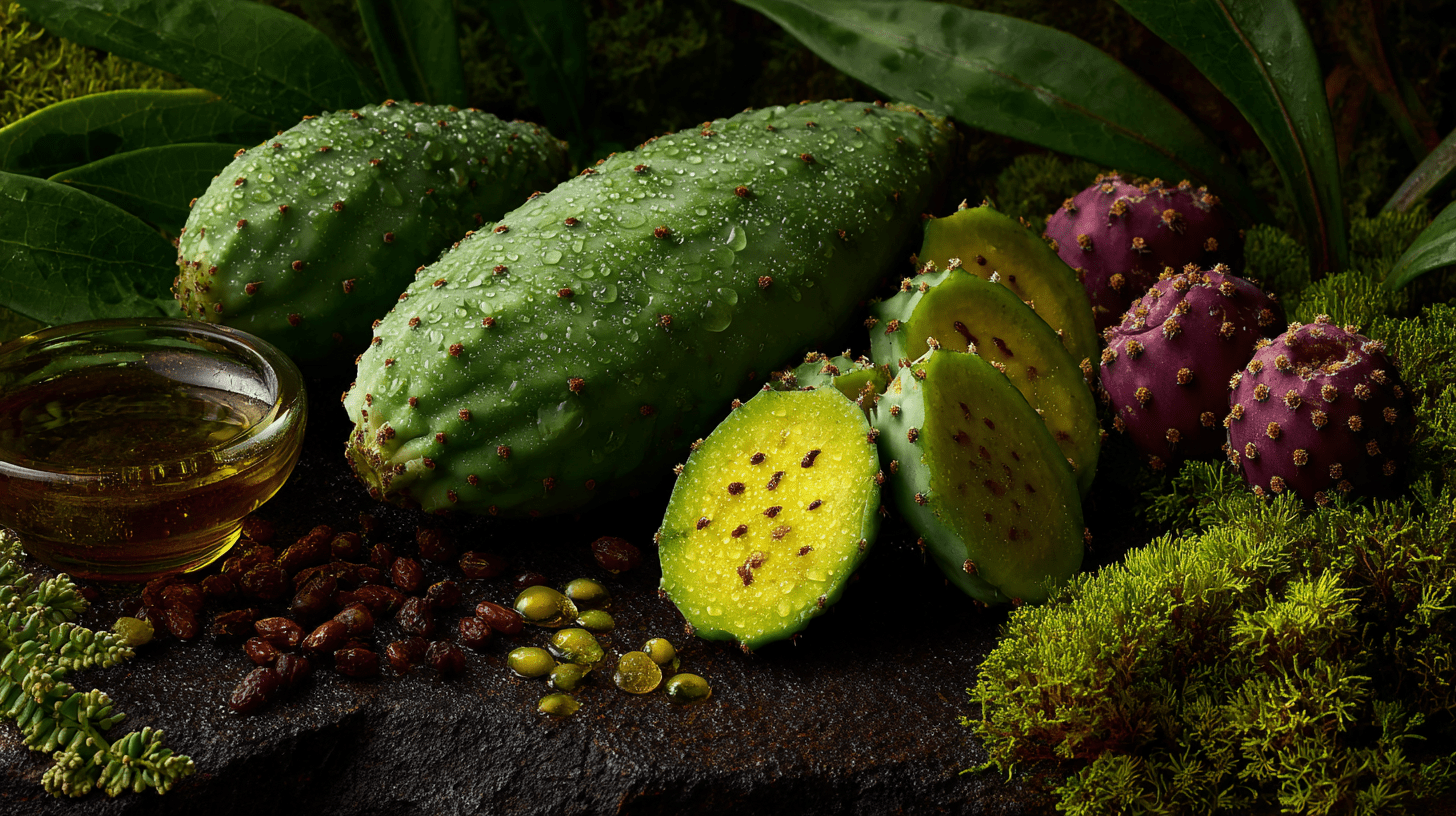
- Antioxidants: our Fig Seed Oil, rich in vitamin E, offers antioxidant action against the visible effects of oxidative stress.
Regular facial care, supplemented if necessary by body care, extends this moment of relaxation: the act itself contributes to release.
FAQ - Stress and skin
What are the effects of nervous tension on the skin?
It can make the complexion appear shinier, more reactive, and duller, accentuate the appearance of imperfections, temporary redness, and dark circles, and be accompanied by an uncomfortable scalp. These effects are generally temporary and diminish when the pressure is relieved.
Can stress cause skin rashes or skin conditions?
It is often cited as a factor that can accompany or make certain pre-existing conditions more uncomfortable. But persistent rashes or conditions require medical advice: only a healthcare professional can diagnose and suggest appropriate treatment.
Does my dull complexion improve if I relieve the pressure?
Often, yes. Nervousness is just one factor among others, but taking care of your well-being (physical activity, sleep, relaxation) helps the skin regain a fresher and more comfortable appearance.
How long does it take to see an improvement in appearance?
Some sensations are almost immediate (skin more soothed after a yoga session). A more rested appearance often sets in after a few weeks of regular practice.
Are care products sufficient on their own?
Cosmetic care products help support the comfort and appearance of the complexion, but without addressing the source of the tension, only the appearance is addressed. Combine care and mental management, and consult a professional for any health concerns.
In summary
Nervous tension can affect the appearance of your skin. But you can take action. By taking care of your well-being through physical activity, quality sleep, and relaxation practices, you help your complexion—face and body—appear clearer, soothed, and radiant. For any persistent rash or skin condition, the advice of a dermatologist remains essential.
Combine this approach with soothing care products to support your skin's comfort, both internally and externally. Discover your skin profile with our Skin Intelligence diagnosis and receive personalized recommendations.
Other articles in the Well-being & Skin silo:
- Well-being and skin: the link between lifestyle and radiance
- Sleep and skin: the importance of rest
- Sport and skin: effects and precautions
Informative article for educational purposes, not medical advice: it does not replace the advice of a healthcare professional. In case of persistent skin concerns, consult a dermatologist.


Go further than this article
Get our skincare guides by email — and start with your free skin diagnostic: 2 minutes, advice tailored to your skin. We ship to the US, UK, Canada, Australia and 27 European countries; somewhere else? Sign up and you will be the first to know when we deliver to your country.
By signing up, you agree to our privacy policy. Unsubscribe in one click.