Skin elasticity: Nopal Life complete guide
Skin suppleness is one of the first signs of its good balance. When it fades—due to time, cold, an unsuitable routine, or an imbalance of the skin microbiome—the skin sends a clear message: it lacks resources. Tightness upon waking, dry areas resistant to cream, skin that “cracks” to the touch… These sensations are not inevitable. They call for a precise response, based on recognized natural active ingredients and an approach that respects the skin barrier.
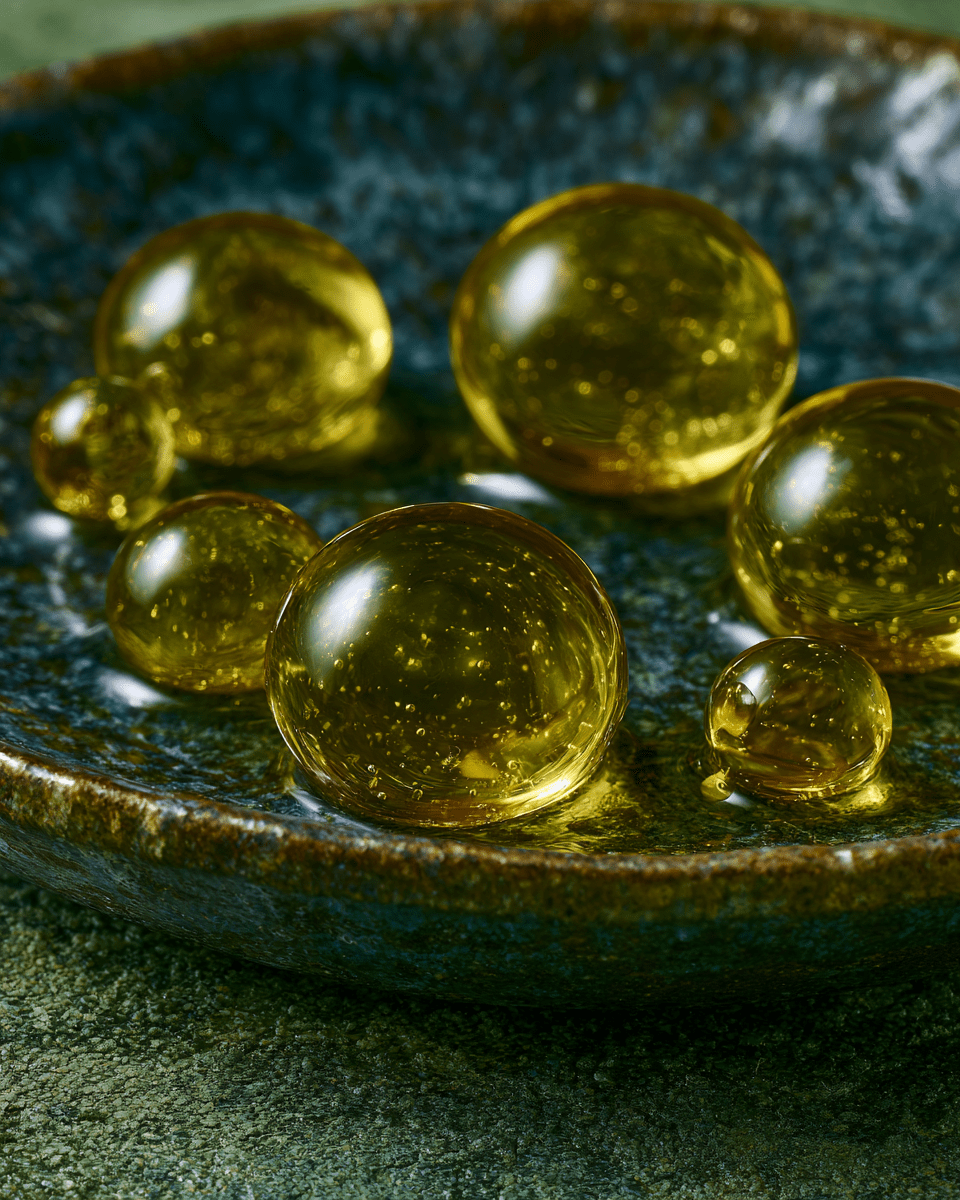
At Nopal Life, we have built our expertise around an exceptional ingredient: prickly pear seed oil (Opuntia ficus-indica), one of the most concentrated active ingredients in essential fatty acids and vitamin E identified in natural cosmetics. This page offers you a structured, careful, and immediately actionable guide to understanding why your skin may lose suppleness and how to help restore a supple and comfortable appearance, day after day.
You will discover the components associated with supple skin appearance, different approaches based on your skin type, the step-by-step Nopal Life routine protocol, essential natural active ingredients, the most common mistakes to correct, and answers to the questions our customers ask most often. Each section links to specialized guides for an even deeper dive according to your profile.
Understanding Skin Suppleness: Components and Factors of Deterioration
Skin suppleness is associated with the balance between three structures of the dermis and epidermis: collagen, elastin, and hyaluronic acid. These three components form a support network that contributes to the skin's ability to stretch and then return to its shape. When this network weakens, the skin can gradually lose visible bounce, comfort, and tone.
Collagen represents a significant portion of the dry mass of the dermis. With age, its supportive appearance naturally tends to diminish, which gradually results in skin that appears less firm and less plump. Elastin, for its part, is the protein associated with the skin's ability to return to its original appearance after deformation. Its alteration, accentuated by exposure to UV and pollutants, can explain why aged-looking skin seems to recover more slowly.
Hyaluronic acid is the third pillar associated with suppleness. A molecule with a high affinity for water, it is known to retain a large quantity of water, which contributes to a "plumping" effect that helps maintain the skin's plump and supple appearance. Its cutaneous presence tends to decrease with age, but also under the effect of aggressive environmental conditions: cold, wind, prolonged exposure to air conditioning or central heating.
At the epidermal level, the skin barrier plays a primary role in moisture retention. Composed of intercellular lipids—ceramides, free fatty acids, and structuring lipids—it supports water exchange between the skin and the environment. When this barrier is altered (by overly harsh products, hard water, or excessive cleansing), more water evaporates on the surface, and the skin can become dehydrated, appearing tight and rough.
These factors are also associated with oxidative stress, which can alter the appearance of supporting fibers. A global approach—combining topical care and lifestyle—is therefore useful for visible and lasting results.
Skin Suppleness According to Your Skin Type
Suppleness is not accompanied in the same way depending on whether you have dry, combination, oily, or sensitive skin.
Dry and mature skin: Dry skin naturally has a more discreet sebum production, which can weaken the lipid barrier and accentuate the sensation of tightness. With age, this phenomenon intensifies: mature skin often combines an impoverished barrier and a less firm appearance. It needs active ingredients that are both occlusive (to limit evaporation), emollient (to soften), and film-forming (to protect). Vegetable oils rich in linoleic acid—like prickly pear seed oil—are particularly suitable. Our specialized guide for dry and mature skin details a complete protocol adapted to this profile.
Combination skin: The T-zone (forehead, nose, chin) often appears shinier, while the cheeks can be dry and lack suppleness. The classic mistake is to use formulas that are too light to spare the shiny area, to the detriment of dry areas that do not receive enough care. A two-step approach—hydrating serum for the entire surface, light oil targeted at the cheeks—helps reconcile the two needs.
Oily skin: Oily skin is not immune to a lack of suppleness. It can present surface dehydration (a common confusion with dry skin) while having a shiny appearance. In this case, the skin needs hydration without excessive occlusion: aqueous serums based on hyaluronic acid are ideal, occasionally supplemented with a non-comedogenic dry oil.
Sensitive skin: Skin reactivity makes the selection of active ingredients delicate. Formulas too loaded with perfumes, preservatives, or irritating active ingredients can trigger discomforts that further weaken the barrier's appearance. Here, the priority is to choose minimalist formulas, dermatologically tested, and to introduce new active ingredients one by one to identify any intolerances.
If you are unsure of your skin type, our Skin Intelligence™ diagnostic tool allows you to obtain an analysis of your skin profile and a personalized routine adapted to your real needs in a few minutes. This diagnostic, developed with HAUT.AI technology, integrates 11 skin parameters for a reliable and personalized result.
Recommended Routine: The Nopal Life Protocol to Restore Suppleness
An effective routine for loss of suppleness is based on a fundamental principle: layer active ingredients from lightest to richest, from aqueous to oily care, to promote their comfort and effectiveness. Here is the Nopal Life protocol, applicable morning and evening with variations depending on the time of day.
In the morning: lasting protection and comfort
Step 1 — Gentle cleansing: Start with a gentle cleanser that respects the hydrolipidic film. Avoid foaming gels containing sulfates (SLS, SLES) that strip the skin barrier. A cream cleanser or a gentle micellar water is sufficient in the morning.
Step 2 — Hydrating and plumping serum: Apply the Collagen Hydration & Skin Bounce Serum to slightly damp skin to promote the comfort of hyaluronic acid. Gently pat onto the face and neck, without rubbing. Leave on for 60 seconds before the next step.
Step 3 — Nourishing oil: A few drops of the Glow & Comfort Multi-Use Face Oil then seal the serum and form a thin protective layer. Warm two to three drops between your palms, then gently press them onto the face, covering the cheeks, forehead, and neck. This oil, rich in linoleic acid and natural tocopherol, helps maintain the comfort of the skin barrier and limit the sensation of tightness.
Step 4 — Sun protection: Always finish with SPF in the morning. UV rays are among the main factors associated with the alteration of the skin's firm appearance. A mineral screen based on titanium dioxide or zinc oxide is compatible with natural care.
In the evening: prolonged nutrition and comfort
Step 1 — Double cleansing: Start with a cleansing oil to dissolve makeup and sunscreen residue, then follow with a gentle cleanser. Double cleansing ensures a perfectly clean surface without aggressing the barrier.
Step 2 — Active serum: At night, the skin is at rest and receives care particularly well. This is the ideal time to apply the Collagen Hydration & Bounce Serum, concentrating the care on areas of tension—eye contour, cheekbones, nasolabial fold.
Step 3 — Nourishing occlusive oil: In the evening, you can apply a slightly more generous amount of prickly pear seed oil for a prolonged nourishing sensation overnight. It can be used alone or mixed with a few drops of your cream if you use one.
This protocol, applied consistently for four to six weeks, can contribute to a visible improvement in the skin's suppleness and apparent bounce. Consistency is key: natural active ingredients support the skin, and their visible effects gradually appear.
Essential Natural Active Ingredients for Skin Suppleness
Nature offers a remarkable palette of active ingredients renowned for supporting the skin's supple and plump appearance. At Nopal Life, we have selected those whose use is best documented in cosmetology and whose tolerance profile is excellent.
Prickly pear seed oil: Nopal Life's star active ingredient
Opuntia ficus-indica seed oil is our flagship ingredient, and for good reason. It is renowned for its high tocopherol (vitamin E) content among vegetable oils. Vitamin E is a fat-soluble antioxidant valued in cosmetics for helping to preserve the skin's appearance against visible signs of aging.
Its fatty acid profile is equally remarkable: rich in linoleic acid (omega-6), it helps maintain the comfort of the skin barrier, support the sensation of hydration, and soothe the appearance of surface discomforts. Unlike oleic acid (dominant in argan or olive oil), linoleic acid is particularly appreciated by skin that tends to shine, as it remains non-comedogenic and absorbs quickly.
Hyaluronic acid: the comfortable hydration vector
Hyaluronic acid is present in our Collagen Hydration & Bounce Serum in several molecular weight forms. Low molecular weight molecules are appreciated for a lasting sensation of hydration, while high molecular weight molecules form a film on the surface that helps limit water evaporation. This combination contributes to a visible plumping effect.
Cosmetic peptides
Peptides are protein fragments valued in cosmetics for supporting the skin's firm appearance. Certain peptides like palmitoyl tripeptide-5 or Matrixyl 3000 are commonly incorporated into skincare to help preserve a firm and plump appearance. Integrated into a serum at an adapted concentration, they can contribute to a more elastic and bouncy appearance over weeks of use.
Plant ceramides
Ceramides are lipids associated with the skin barrier. Their presence is linked to the skin's supple appearance, as it supports its ability to maintain a sensation of hydration. Cosmetic formulas enriched with phytoceramides (plant-derived ceramides) help maintain this lipid comfort naturally and without risk of irritation.
Stabilized Vitamin C
Vitamin C (ascorbic acid or its stabilized derivatives) is valued in cosmetics for helping to preserve the skin's radiance and unified appearance. It also supports the skin against oxidative stress and contributes to a luminous look. An adapted concentration of stabilized ascorbic acid is generally sought for a visible cosmetic effect.
Common Mistakes to Avoid to Preserve Suppleness
Certain common habits silently compromise the skin's supple appearance, even in people who take care of their skin. Here are the five most common mistakes and how to correct them.
Mistake 1 — Washing your face with water that is too hot. Hot water can dissolve the lipids of the skin barrier and accentuate the sensation of tightness. Use lukewarm to cool water for the final rinse to preserve the hydrolipidic film.
Mistake 2 — Skipping the oil step on oily skin. Oily skin has a shiny appearance, but this shine is not equivalent to the lipids of the skin barrier. Oily skin can be simultaneously dehydrated and lack suppleness. A light, non-comedogenic dry oil like prickly pear seed oil helps balance the appearance without clogging pores.
Mistake 3 — Changing your routine too often. Skin needs time to get used to new active ingredients and for their visible effects to appear. Changing products every two weeks prevents any serious evaluation of their benefit. Maintain a stable routine for at least four weeks before drawing conclusions.
Mistake 4 — Neglecting daily sun protection. UV rays alter the skin's firm appearance even on cloudy days. Daily application of SPF is the most useful preventive measure to preserve visible suppleness in the long term, much more than any topical treatment.
Mistake 5 — Confusing dry skin with dehydrated skin. Dry skin is a skin type (lack of sebum), dehydrated skin is a condition (lack of water) that can affect all types. The solutions are not the same: dry skin needs occlusives and emollients, dehydrated skin needs humectants like hyaluronic acid or glycerin.
Go Further According to Your Profile
Skin suppleness is a common concern for many skin issues. Depending on your profile and priorities, our specialized guides will allow you to deepen your approach:
- Skin suppleness for dry and mature skin: radiance and comfort — complete protocol and selection of products adapted to skin that lacks both sebum and tone.
- Skin Intelligence™ Diagnostic — get your complete skin profile and personalized routine in less than 5 minutes.
- Our range of facial care — discover all Nopal Life formulas developed around prickly pear seed oil.
Skin suppleness is not a luxury reserved for youth: it is an indicator of skin balance that can be maintained and supported at any age, with the right active ingredients, the right routine, and the necessary consistency. At Nopal Life, every formula is designed to respect the skin barrier while providing it with what it needs to remain supple, comfortable, and radiant in appearance.
FAQ — Frequently Asked Questions About Skin Suppleness
At what age does skin start to lose suppleness?
The visible loss of suppleness is gradual and multifactorial. The first signs can appear as early as 25-30 years old, as the skin's firm appearance evolves. It intensifies after 40, especially during menopause in women due to hormonal changes that affect the skin's appearance. An early preventive routine helps delay these visible signs.
Can prickly pear seed oil be used alone, without a serum?
Yes, prickly pear seed oil can be used alone as a complete treatment, especially on clean and slightly damp skin. It nourishes and helps preserve the comfort of the skin barrier. For a more intense plumping and hydrating effect, combining it with a serum based on hyaluronic acid amplifies visible results: the serum provides the sensation of hydration, the oil seals and prolongs it.
How long does it take to see results?
Immediate effects (comfort, radiance) are noticeable from the first applications. Visible effects on suppleness and apparent bounce generally require 4 to 8 weeks of regular use. Patience and consistency are essential: maintaining the comfort of the skin barrier and the firm appearance of the skin takes time.
Can suppleness be restored after significant loss?
Skin has a remarkable ability to renew itself at any age. Visible loss of suppleness due to dehydration or discomfort of the skin barrier can be significantly improved within a few weeks of appropriate care. Loss related to chronological aging is more difficult to mitigate, but the right active ingredients can support the skin and visibly improve its comfort and appearance.
Are nutritional supplements useful for skin suppleness?
Certain supplements are commonly associated with skin well-being: oral hydrolyzed collagen, vitamin C, omega-3s, and vitamin E are known to support skin balance from within. They do not replace an effective topical routine but can usefully complement it as part of a holistic approach. Consult a professional before introducing any supplements.
Read more
Information provided for cosmetic and educational purposes only; it does not constitute medical advice.


Go further than this article
Get our skincare guides by email — and start with your free skin diagnostic: 2 minutes, advice tailored to your skin. We ship to the US, UK, Canada, Australia and 27 European countries; somewhere else? Sign up and you will be the first to know when we deliver to your country.
By signing up, you agree to our privacy policy. Unsubscribe in one click.