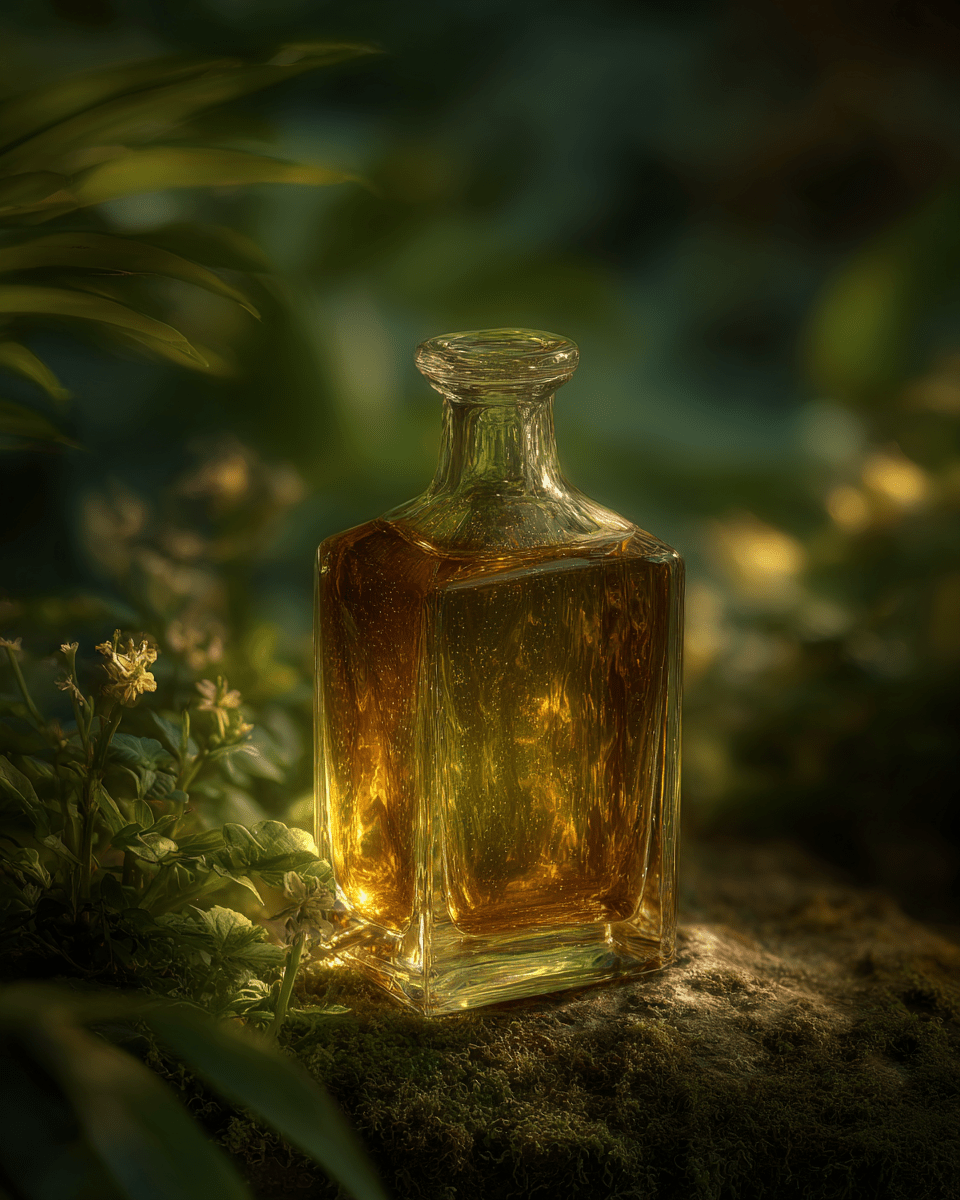
Anti-aging winter routine: glow and protection for combination skin
Preserving the skin's youthful appearance is not a miracle, but a matter of consistent, precise actions. Through Winter Routine for visible radiance and firmness for dull, combination skin, discover how to support your skin over time — with the desert treasure, prickly pear seed oil, as a guiding thread.
Why does winter accentuate the dull appearance of combination skin? Environmental factors
In winter, dull, combination skin is put to the test: the cold outside and heating indoors dry out the atmosphere and promote a feeling of discomfort. This combination can weaken the comfort of the skin barrier and accentuate a dull complexion, making it appear less radiant. With age, the skin naturally renews itself at a different pace, and winter tends to accentuate this impression of a dull complexion. For combination skin, winter creates a paradoxical imbalance: the T-zone may remain shiny while the cheeks and eye contour feel tight and dehydrated. This asymmetrical appearance calls for a stratified approach, with textures and active ingredients adapted to each area of the face.
Radiance and texture active ingredients for dull, combination skin in winter
The winter routine for dull, combination skin, focused on radiance and visible firmness, benefits from combining active ingredients that contribute to the appearance of radiance, smooth texture, and support the skin's natural renewal. AHAs (glycolic acid, lactic acid) are essential: they help refine the appearance of the skin's surface to reveal a complexion that appears brighter. Glycolic acid (10-15%) is appreciated for helping to smooth the appearance of skin texture, but it should only be used 1 to 2 times a week in winter to preserve the comfort of an already stressed barrier. Retinol (0.3-0.5%) is known to help preserve the skin's firm and plump appearance; in winter, its nocturnal use 2 to 3 times a week benefits from being followed by enhanced hydration the next morning. Copper peptides (GHK-Cu) support a firm and plump appearance while providing a soothing, soft sensation, perfect for combination skin sensitized by the cold. Niacinamide 5% helps mattify the appearance of shiny areas in the T-zone while promoting comfort in dry areas — it's the ideal unifying active ingredient for combination skin.
Winter protection of the skin barrier: ceramides and hydration
Winter calls for strengthening the comfort of the skin barrier. Ceramides are lipids naturally present in the stratum corneum and contribute to surface comfort; they are among the first to be affected by cold and dehydration. For dull, combination skin, a night cream rich in ceramides, essential fatty acids, and related lipids applied to dry areas is a valuable step to help preserve hydration and comfort. Hyaluronic acid in a hydrating treatment helps provide an immediate feeling of hydration and plumpness. To best benefit from its qualities in winter, it should be applied to slightly damp skin and immediately sealed with an emollient or oil to help preserve surface hydration. Prickly pear seed oil, with its remarkable omega-6 and omega-9 ratio, forms a natural semi-occlusive film that helps preserve hydration without giving an occlusive oily effect — a valuable quality for combination skin.
Mistakes to avoid in the winter routine for dull, combination skin
The first winter mistake is to overload the shiny T-zone with overly rich textures. On combination skin, applying a thick nourishing cream to the forehead and nose can accentuate shine and a dull complexion. The solution: light textures in the T-zone (gel-cream, essence) and more nourishing textures on the cheeks and eye contour. Second mistake: stopping exfoliants in winter for fear of sensitizing the skin. Often, the opposite is true: without regular exfoliation, dullness on the surface can worsen in the cold. Gentle weekly exfoliation remains an ally. Third mistake: neglecting sun protection in winter. UVA rays have almost identical intensity in January and July; reflection on snow can even significantly increase UV exposure. Fourth mistake: using hot water for cleansing. Hot water can accentuate feelings of discomfort and tightness; lukewarm water is preferable. Fifth mistake: accumulating brightening and firming active ingredients without a rest phase. In winter, the skin can appear more reactive; introducing retinol, AHAs, and vitamin C at the same time can cause lasting discomfort that accentuates a dull complexion.
Radiance and texture: complementary steps to enhance combination skin in winter
Beyond topical treatments, several practices help enhance the skin's appearance in winter. A facial massage routine with prickly pear seed oil, performed 3 to 4 times a week, provides an immediate healthy glow effect and revives radiance. Kneading and modeling movements applied to the cheeks help revive the complexion's appearance and reduce morning puffiness. White clay (kaolin) masks once a week help purify the appearance of the T-zone without irritating dry areas. With age, the skin naturally appears less firm; red light therapy sessions (LED 630-660 nm) at home or in a salon are appreciated for helping to preserve a firm and radiant appearance. A room humidifier is often underestimated: maintaining humidity levels of 40 to 60% in heated rooms helps preserve skin comfort and hydration and improves the pleasantness of night treatments.
The Nopal Life winter routine for dull, combination skin, visible radiance and firmness
The Nopal Life winter routine for dull, combination skin is built around four pillars: gentle purification, barrier comfort, support for a radiant appearance, and impeccable photoprotection. In the morning: micellar water or gentle milk cleansing (sulfate-free), niacinamide 5% serum all over the face, light hydrating cream with hyaluronic acid and ceramides on the cheeks, light gel-cream in the T-zone, SPF 50 matte finish (to help mattify T-zone shine). In the evening: double cleanse if wearing makeup (pure prickly pear seed oil as the first step, then a gentle cleanser), peptide serum or retinol 0.3% (2 out of 3 nights), application of pure prickly pear seed oil as a nourishing treatment all over the face with a 3 to 5-minute massage. Weeks 1 and 3: AHA exfoliation (glycolic acid 10%) on Sunday evening instead of retinol, never on the same evening. Nopal Life prickly pear seed oil plays a dual role here: the first step in makeup removal and the last nourishing step sealing the evening routine. Its richness in natural tocopherols (vitamin E) makes it particularly valuable in winter to help protect the skin's radiance against cold and urban pollution.
Frequently Asked Questions
Q: Should I completely change my routine in winter or just adapt it?
A: Targeted adaptation is usually sufficient. Key changes include: switching to a more nourishing night cream on dry areas, slightly reducing exfoliation frequency (1 time/week instead of 2), and adding an occlusive treatment (oil) at the end of the evening routine.
Q: Can combination skin become dry in winter?
A: Yes, especially the cheeks and eye contour. Cold and heating can accentuate a feeling of dryness in these areas, even if the T-zone remains shiny. Combination skin can therefore experience both sensations simultaneously in winter.
Q: How to use prickly pear seed oil on combination skin without accentuating shine?
A: Apply it only in the evening, avoiding the T-zone (forehead, nose, chin), or use it as the first step of double cleansing in the morning to remove makeup. Its dry texture makes it compatible with combination skin, unlike oils rich in oleic acid.
Q: Is retinol suitable for dull, combination skin in winter?
A: Yes, but the frequency and concentration must be adapted. Start with 0.1-0.2% twice a week, always followed by enhanced hydration. If discomfort occurs, space out applications and increase hydration.
Q: What exfoliation should I choose for combination skin in winter?
A: Lactic acid (10-12%) or glycolic acid (10%) applied weekly. Lactic acid is slightly milder and also has humectant qualities, ideal for dry areas of combination skin in winter.
Q: Does an air humidifier really impact the skin?
A: Yes, dry air can accentuate the feeling of skin dryness and discomfort. A humidifier maintaining 40 to 60% humidity helps preserve skin comfort and hydration and improves the pleasantness of night treatments.
Q: Can I use a matte SPF in winter to manage a shiny T-zone?
A: Absolutely. SPF with a matte finish, often enriched with silica or absorbent powders, are particularly suitable for combination skin in winter: they help unify the complexion's appearance, mattify shine, and provide essential UV protection even in cold weather.
PERSONALIZED ROUTINE
Nopal Life Skin Intelligence™
Free diagnostic · 2 minutes
DISCOVER MY ROUTINE →Read more
Information provided for cosmetic and educational purposes; it does not constitute medical advice.


Go further than this article
Get our skincare guides by email — and start with your free skin diagnostic: 2 minutes, advice tailored to your skin. We ship to the US, UK, Canada, Australia and 27 European countries; somewhere else? Sign up and you will be the first to know when we deliver to your country.
By signing up, you agree to our privacy policy. Unsubscribe in one click.