Dandruff: Understanding and Soothing Your Scalp
Dandruff is linked to an imbalance of the scalp, where the natural yeast Malassezia proliferates and skin sheds faster than usual. To soothe it daily: gentle care, a rebalanced scalp, and patience. But when dandruff persists, is accompanied by redness or significant itching, only a dermatological opinion can rule out seborrheic dermatitis or psoriasis.
Dandruff affects a large part of the population at some point in their lives. Uncomfortable and sometimes annoying, it is rarely serious—but it deserves to be understood before seeking to soothe it. At NOPAL LIFE, we approach the scalp as skin in its own right, to be treated with gentleness and discernment. Here is a measured overview of the subject.
What exactly is dandruff?
Dandruff consists of fine flakes of skin that detach from the scalp. It corresponds to an accelerated desquamation: instead of renewing itself in about 28 days, the surface of the scalp sheds in 5 to 14 days, which makes the flakes visible.
Two forms are often distinguished:
- Dry dandruff: fine, white, it detaches easily and sprinkles onto shoulders.
- Oily dandruff: thicker, yellowish, it adheres to the scalp and is often associated with excess sebum.
Understanding the causes: the role of Malassezia
The exact cause of dandruff is not fully understood, but a yeast naturally present on the skin, Malassezia, plays a central role. When it proliferates excessively—often favored by sebum—it can lead to an inflammatory reaction and accentuate desquamation.
Several factors can contribute to this imbalance:
- hormonal fluctuations, which stimulate the sebaceous glands;
- stress, often associated with flare-ups;
- unsuitable or overly aggressive care products;
- an unbalanced scalp, too dry or too oily.
It is important to be cautious: dandruff can also be a sign of dermatological conditions such as seborrheic dermatitis or psoriasis, which require a medical diagnosis.
Soothing dandruff daily: the right steps
In a gentle and natural care approach, several habits can help restore comfort:
- Use a gentle shampoo and wash regularly. Excessive spacing of washes can, paradoxically, promote the proliferation of Malassezia.
- Avoid aggressive products (harsh sulfate surfactants, drying alcohol) that disrupt the scalp's balance.
- Gently massage the scalp to stimulate microcirculation, without scratching.
- Rinse with lukewarm water, as overly hot water can increase irritation.
- Limit heat from styling tools directly on the roots.
A soothed and balanced scalp is less prone to itching and flaking.
(Read: Dry scalp)
Dry or oily scalp: adapting your approach
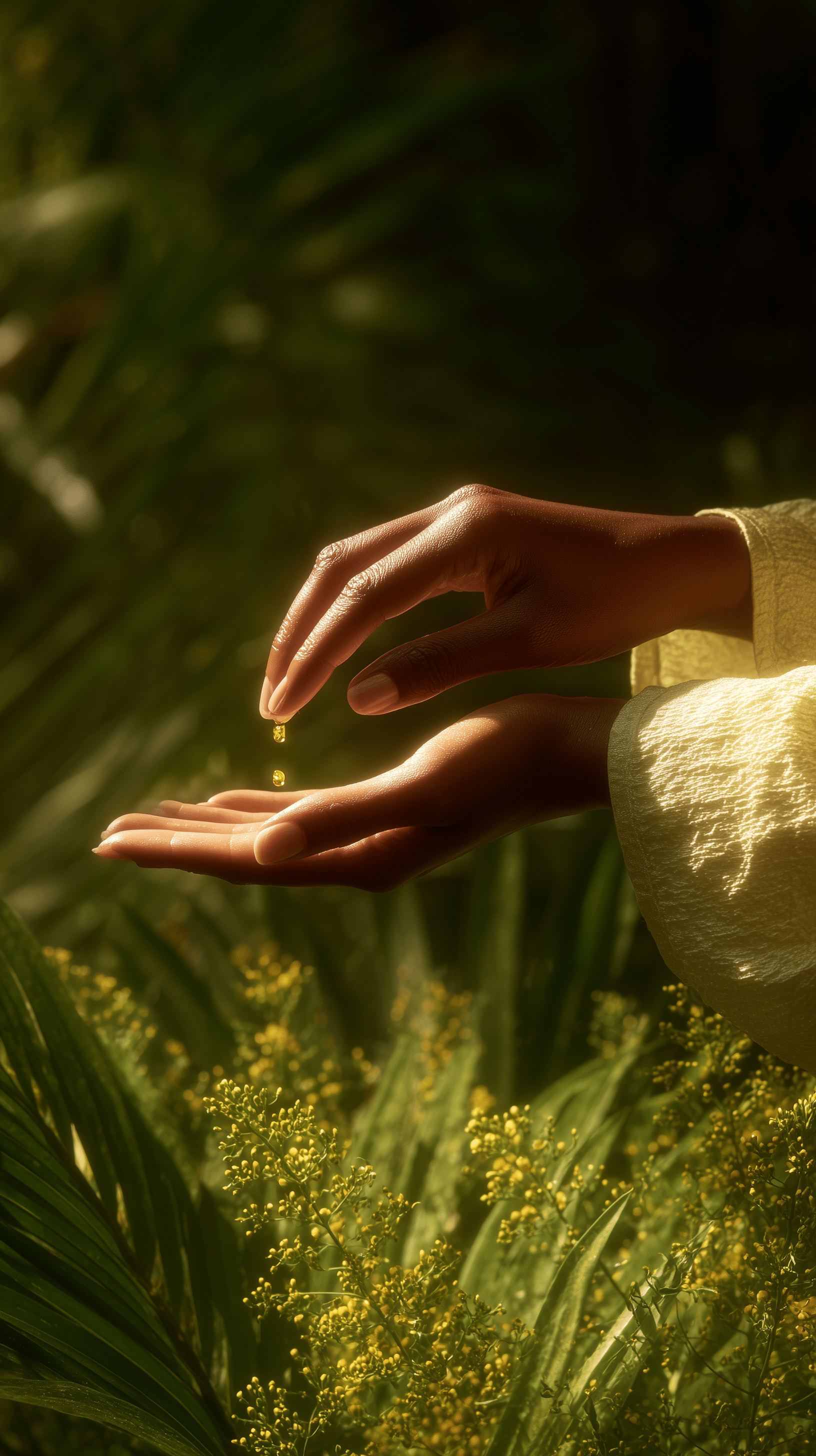
A dry scalp prone to dandruff appreciates gentleness and comfort. A light massage with a few drops of fine vegetable oil, such as pure prickly pear seed oil, can provide immediate comfort to tight-feeling skin, without claiming to treat the cause.
An oily scalp with thick flakes, on the other hand, requires regular cleansing and special attention to excess sebum.
Because every scalp is unique, our Skin Intelligence diagnostic can help you better understand your skin and adjust your care routine.
When to consult a dermatologist?
This is the essential point. Occasional dandruff is generally managed with appropriate care. But certain situations warrant a dermatological opinion:
- persistent dandruff despite appropriate care;
- redness, thick patches, or yellow, greasy flaking suggesting seborrheic dermatitis;
- well-defined, scaly patches that may suggest psoriasis;
- intense itching, hair loss, or a painful scalp.
These conditions require a medical diagnosis and treatment: only a healthcare professional can identify them and propose the appropriate management. Cosmetic care, meanwhile, supports comfort without replacing medical treatment.
(Read: Natural hair care: the complete guide)
FAQ
Is dandruff contagious?
No. It results from an imbalance of the scalp and is not transmitted.
Should I wash my hair less often if I have dandruff?
Not necessarily. Excessive spacing of washes can promote the proliferation of Malassezia. A gentle and regular shampoo is often preferable.
Can oil worsen dandruff?
On an oily scalp with thick flakes, an excess of fatty substances can maintain discomfort. On a dry scalp, a fine oil can, on the contrary, provide comfort. If in doubt, ask for advice.
Does stress cause dandruff?
Stress is frequently associated with flare-ups, without being the sole cause.
When should I really consult a doctor?
As soon as dandruff persists, is accompanied by significant redness, intense itching, or patches: a dermatologist will make the correct diagnosis.
In summary
Dandruff indicates an imbalance of the scalp, often linked to the yeast Malassezia. Gentle care, a rebalanced scalp, and regularity help restore comfort. But as soon as the symptom persists or intensifies, a dermatologist's opinion remains indispensable.
To gently soothe a dry scalp, discover our pure prickly pear seed oil.
Sources: MSD Manual, ameli.fr, French Eczema Association. Informative article, without medical scope.
Information provided for cosmetic and educational purposes; it does not constitute medical advice.
Our anti-aging treatments