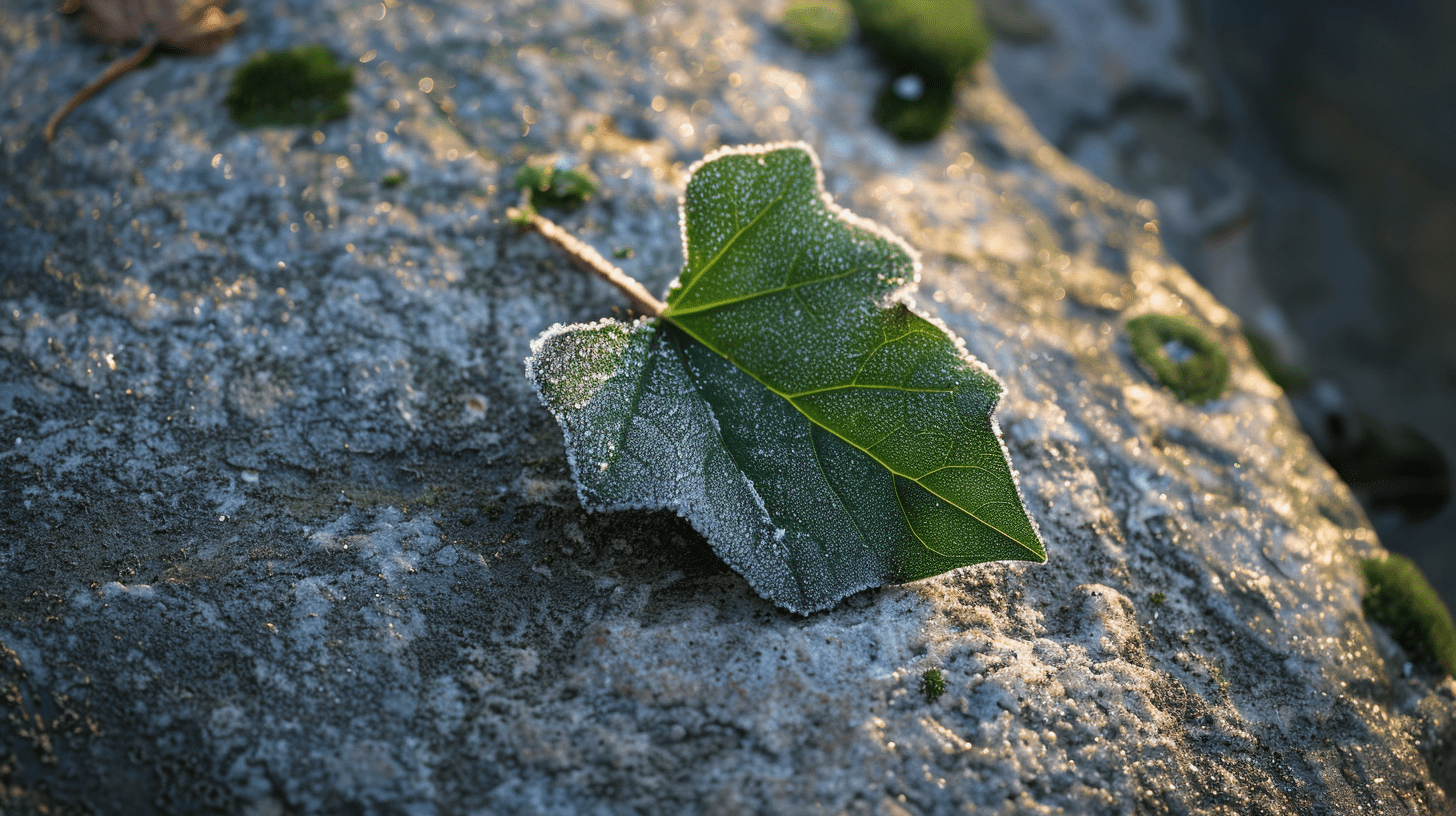
How to care for normal skin in winter
Normal skin is reputed to tolerate everything well — and that's largely true. Regular texture, stable comfort, few issues: it starts with a good balance. But the cold season, with its biting climate, wind, and ubiquitous heating, can disrupt even the most serene complexions. Through this Beauty Lab guide, NOPAL LIFE helps you adapt your routine — with the precision and botanical nutrition that are dear to us. The goal: to help your skin maintain its comfort and radiance despite the harsh climate.
What characterizes normal skin, and how winter affects it
Normal skin is balanced: it produces neither too much nor too little sebum, its hydrolipidic film effectively protects, and it tolerates most skincare products. The texture is fine, the complexion radiant, and discomfort rare. But this balance relies on mild external conditions — which the cold season frankly disrupts.
The first factor is cold. Low temperatures slow down the activity of the hydrolipidic film and weaken the surface barrier, which retains water less effectively. The second is wind, which sweeps away this protective veil and further exposes the skin. Then comes heating: by drying out indoor air, it accentuates evaporation on the surface, especially at night.
As a result, even balanced skin can, during this period, temporarily become drier or dehydrated. It feels tight after cleansing, the complexion dulls, and the texture appears less smooth. This is not a change in skin type, but a temporary imbalance linked to the season. Understanding this means knowing that it's enough to enrich and comfort your routine, without completely overhauling it, to restore comfort.
Signs that your skin is reacting to the cold
Even balanced skin sends signals when the climate challenges it. A few indicators deserve attention.
Tightness after cleansing. This is often the first sign. The skin "pulls," especially on the cheeks, where the protective film is most challenged.
A duller complexion. Skin reflects light less effectively when it lacks water and comfort. The complexion can appear tired, veiled, especially at the end of the day.
A less smooth texture. To the touch, the surface appears less supple, sometimes slightly rough in places, where it was usually even.
Small areas of discomfort. Certain parts of the face, more exposed to the wind, may become sensitive or redden when moving from cold to warm environments.
Fine dehydration lines. Small fine lines, especially around the eyes, can appear or worsen when the skin lacks water.
If you notice these signs, the season calls for richer and more comforting actions. However, if you observe persistent redness, significant itching, or established patches, it is no longer a simple cosmetic matter: seek the advice of a healthcare professional.
Skin diagnosis · free
Curious to know what your skin really needs this winter?
Do my 2-min diagnosis →
Normal skin can shift towards dry skin in a few days of dry cold: cheeks feel tight after cleansing, the complexion loses its evenness. This is a seasonal reaction, not a change in skin type.
Heating sometimes produces the opposite effect on the forehead, nose, and chin area, which shines at the end of the day without the skin having become oily or combination. A slightly richer moisturizer on the cheeks alone is enough to restore balance, and pores regain their usual appearance as soon as the air becomes milder.
The ideal winter routine for normal skin
This period calls for a more enveloping approach: we enrich textures and reinforce hydration to compensate for what the climate and heating take away from the skin. A few steps are enough.
Gentle cleansing. Cold already weakens the protective film: no need to add to it with a harsh cleanser. Prefer a gentle cleansing texture and lukewarm, never scalding, water, as heat accentuates tightness.
Enrich textures. This is the key step of the season. We move from the fluid formulas of summer to richer, more comfortable consistencies, which form a protective layer against the climate. The logic remains layering: a product that provides water, then a texture that seals in comfort. The Hydration & Comfort collection offers products designed for this purpose.
Seal with a botanical oil. As a final step, especially in the evening, a nourishing botanical oil forms a layer of comfort that helps the skin better retain its water overnight, when indoor air is driest.
Space out exfoliation. More fragile, the skin does not need to be stripped. Gentle and spaced-out exfoliation is enough to revive radiance without increasing discomfort.
Maintain sun protection. Even on cloudy days or in the snow, light affects the skin. Adequate protection preserves the complexion from aggressions and dullness.
Adopted regularly, these actions help normal skin get through the season while maintaining its comfort, suppleness, and radiance. To create a coherent ritual, explore NOPAL LIFE's natural face care products and the Nutrition & Repair collection.
Key ingredients to comfort the skin
During this period, we focus on active ingredients that nourish, deeply hydrate, and comfort skin challenged by the climate.
Nourishing botanical oils. Rich in fatty acids and antioxidant vitamin E, they provide suppleness and comfort and help limit water evaporation. Cold-pressed prickly pear seed oil is one of the most valuable: its natural concentration of vitamin E and essential fatty acids makes it a nourishing care of choice, leaving the skin visibly softer and more supple in the face of cold.
Humectant agents. Glycerin and hyaluronic acid attract and retain water in the superficial layers, providing an immediate sensation of comfort and helping to reduce the appearance of dehydration lines, which are more visible during this period.
Film-forming and nourishing agents. Plant butters and film-forming active ingredients create a layer of comfort that helps the skin barrier to be better respected in the face of the climate. The skin appears smoother, plumper, and its radiance is revived.
Conversely, it is better to avoid very harsh cleansers, excessively hot water, high proportions of denatured alcohol, and aggressive exfoliants, which accentuate tightness and temporary dryness.
When to do a skin diagnosis in the cold season
Self-observation provides good guidance, but winter — which can temporarily transform the needs of normal skin — is a good time to take stock with a structured diagnosis.
The Nopal Life Skin Intelligence™ asks you a few targeted questions in two minutes and guides you towards the actions and care truly adapted to your skin and the season. This is the ideal step if your skin feels tighter than usual, if its radiance has dulled, or if you want to enrich it without unnecessarily overloading it. To delve deeper into each need, explore the entire Skin Guide.
Frequently Asked Questions
Q: Can normal skin become dry in winter?
A: Temporarily, yes. Cold, wind, and heating weaken the protective film and promote water evaporation. Normal skin can then feel tight and lose its radiance. This is not a change in skin type, but a temporary imbalance that can be corrected by enriching your routine.
Q: Should I change my skincare products between summer and winter?
A: Yes, it's wise to adapt textures. We switch from fluid summer products to richer, more comforting textures in winter to compensate for what cold and heating take away from the skin.
Q: Why does my skin feel tighter in winter?
A: Because the hydrolipidic film, slowed down by the cold and swept away by the wind, retains water less effectively, while heating dries out indoor air. The skin more easily loses its water, hence the sensation of tightness, especially after cleansing.
Q: Does heating really damage the skin?
A: Heating reduces air humidity, which accentuates water evaporation on the skin's surface, especially at night. Reinforcing hydration and sealing in comfort with a botanical oil in the evening helps compensate for this effect.
Q: Should I continue sun protection in winter?
A: Yes. Even on cloudy days or in the snow, light affects the skin. Adequate protection preserves the complexion from external aggressions and the dull appearance they promote.
Q: Which oil should I choose for normal skin in winter?
A: A nourishing botanical oil rich in fatty acids and vitamin E, such as prickly pear seed oil. Applied in the evening as a final step, it helps the skin retain its water and provides suppleness and comfort against the cold.
Q: Does an online diagnosis replace a dermatologist's advice?
A: No. The Skin Intelligence™ diagnosis is a cosmetic guidance tool for choosing a routine adapted to the season. In case of persistent redness, itching, or established patches, consult a healthcare professional.
RECOMMENDED TREATMENT
Cold-pressed prickly pear seed oil · Organic
DISCOVER THIS TREATMENT →
PERSONALIZED ROUTINE
Nopal Life Skin Intelligence™ · Free diagnosis · 2 minutes
DISCOVER MY ROUTINE →
Caring for normal skin in winter means compensating for what cold and heating take away: enriching textures, reinforcing hydration, and sealing in comfort in the evening with a nourishing oil. With a few precise steps — gentle cleansing, layered hydration, botanical nutrition — it maintains its comfort, suppleness, and radiance despite the harshness of the season. And to adjust without trial and error, the Skin Intelligence™ diagnosis transforms observation into a tailor-made routine, season after season.
Read more
Information provided for cosmetic and educational purposes; it does not constitute medical advice.
The Nopal Life signature treatment


Mature skin · Dry skin

Go further than this article
Get our skincare guides by email — and start with your free skin diagnostic: 2 minutes, advice tailored to your skin. We ship to the US, UK, Canada, Australia and 27 European countries; somewhere else? Sign up and you will be the first to know when we deliver to your country.
By signing up, you agree to our privacy policy. Unsubscribe in one click.