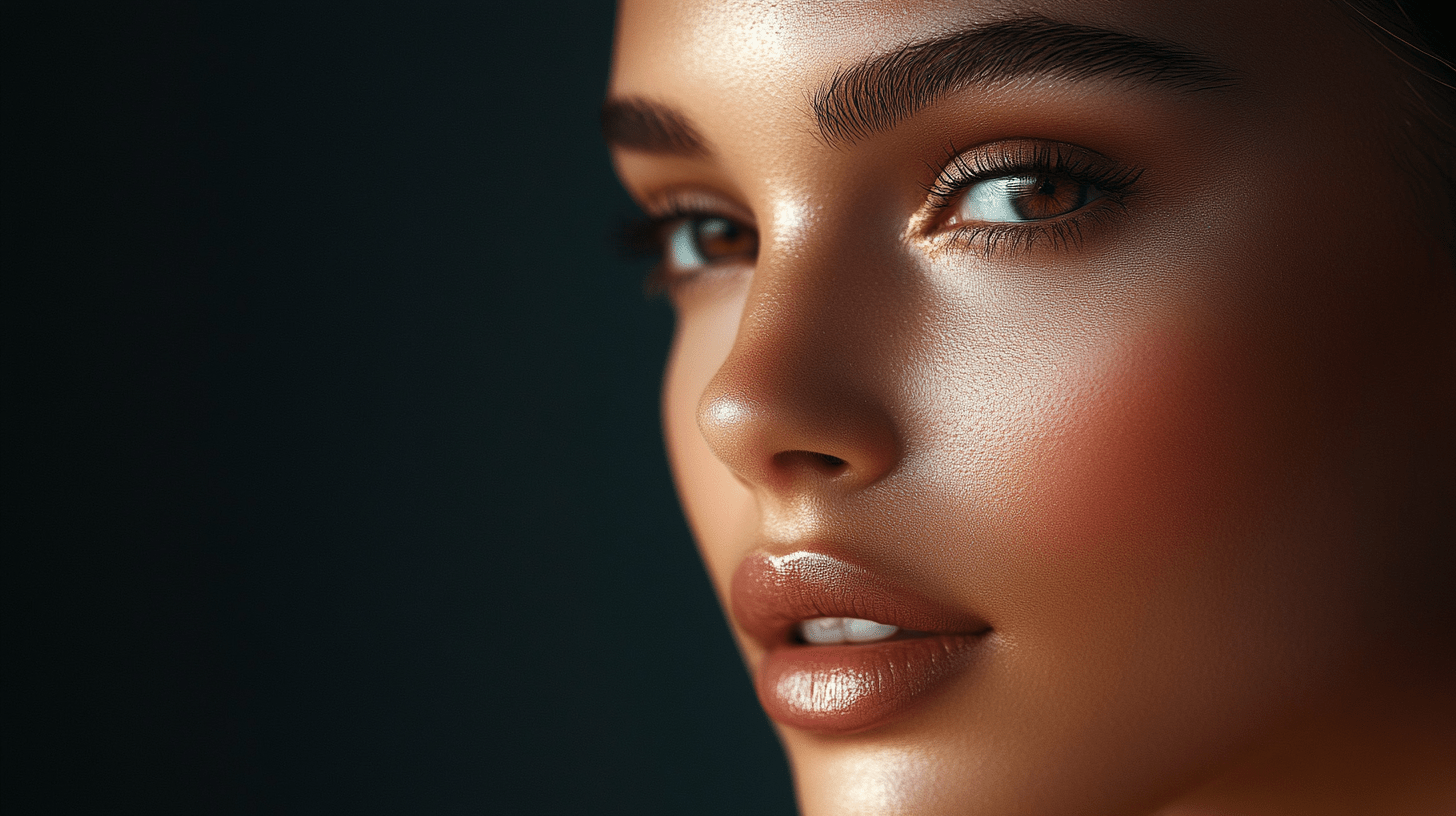
Oily Skin: The Complete Nopal Life Guide
Mattifying without drying, soothing without irritating: the art of caring for blemish-prone skin lies in this nuance. Before choosing an active ingredient, you must first understand the origin of shine. This guide provides a clear explanation, followed by a method and recognized cosmetic active ingredients.
Why do we have oily skin? The real causes
It all starts with sebum, this oily substance produced by the sebaceous glands attached to hair follicles. In normal quantities, it forms the hydrolipidic film which helps preserve the comfort of the skin surface and limit water evaporation. When its production intensifies, the epidermis appears shinier, the texture seems uneven, and pores appear more visible, especially on the face's T-zone — forehead, nose, chin — where sebaceous glands are densest.
One question always comes up: why does this production increase in some people and not others? The answer is rarely singular. Several factors combine, and identifying them allows us to act on the right levers rather than multiplying aggressive actions.
| Factor | What's at play | Room for action |
|---|---|---|
| Genetics & heredity | The density of sebaceous glands and the tendency to shine are largely inherited. | None on the ground, but actions are fully adapted. |
| Hormones | Puberty, cycle, androgens stimulate sebaceous activity. This is why shine peaks in adolescence, often more pronounced in men. | Indirect; medical advice is useful in case of imbalance. |
| Heat & humidity | Ambient temperature and summer accentuate the seborrheic appearance and the sensation of oiliness on the surface. | Lighten up in summer, use fresh textures. |
| External aggressions | Pollution and especially excessive washing weaken the film and trigger a rebound effect of shine. | Strong: gentle actions, never harsh products. |
| Lifestyle | Stress, sleep, and a high-sugar diet are often mentioned for skin comfort. | Real in the long term, as a complement. |
Remember the essential: shine is not a hygiene fault, but a predisposition. We don't "eliminate" it, we manage it intelligently.
Recognizing this skin type and differentiating it from combination skin
A frankly seborrheic epidermis shines quite uniformly across the entire face — including the cheeks — a few hours after washing, without applying anything. The combination variant brings together a shiny T-zone and normal to slightly dry cheeks. The blotting paper test, an hour after washing and leaving the skin bare, simply visualizes this distribution. Our Skin Intelligence refines this classification according to eight dimensions.
Active ingredients for mattifying appearance: a comparison
The offer is vast, but not all active ingredients are equal in comfort and sensation. Here are the most relevant ones, with their usual concentration and what they truly provide.
| Active Ingredient | Usual concentration | What it provides | Tolerance |
|---|---|---|---|
| Niacinamide (vit. B3) | 4-5 % | Mattifies appearance, refines pore appearance, provides comfort. | Excellent |
| Salicylic acid (BHA) | 0.5-2 % | Helps to decongest pore appearance, cleaner finish. | Good (gradual introduction) |
| Zinc PCA | 0.1-1 % | Traditionally associated with mattifying formulas, for a cleaner finish. | Good |
| Clay (kaolin, bentonite) | As a mask, 1-2 ×/week. | Helps absorb excess sebum on the surface, mattified finish. | Good |
| Retinol | Low dosage | Smoother appearance and refined texture over time. | To be introduced gradually |
| Green tea extract | Variable | Antioxidant and comfort. | Excellent |
| Prickly pear seed oil | Pure, a few drops | Light emollient with a very low comedogenic index, rich in linoleic acid. | Excellent |
This last point often comes as a surprise: a fatty substance on shiny skin? Rich in linoleic acid and light to the touch, prickly pear seed oil is particularly suitable for profiles lacking comfort lipids — a paradoxically common case in blemish-prone skin. Its richness in lipid antioxidants helps preserve comfort and radiance.
The 5 mistakes that accentuate shine
The first, and most common, is overwashing. Washing three, four, or five times a day with harsh products weakens the hydrolipidic film and is often accompanied by discomfort followed by increased shine. Two daily washes with a gentle, sulfate-free gel are more than enough.
The second is to avoid all hydration under the pretext that the epidermis is already oily. Dehydrated seborrheic profiles exist, and the absence of cream can paradoxically accentuate the oily appearance. A light, gel-cream texture, non-comedogenic and rich in humectants, is perfectly suitable. Third mistake: alcohol-based toners, which dry out and promote the rebound effect. Fourth: oils rich in oleic acid (olive, argan), less suitable here; those with a high linoleic acid content (prickly pear, hemp, raspberry seed) are preferred. Fifth: believing that this epidermis doesn't age — it ages differently, with fewer dryness lines but more visible pores.
Mattify without drying: the protocol
A good protocol balances a mattified finish with maintaining comfort: gentle actions and a mattifying serum in the morning, thorough makeup removal, and measured exfoliation in the evening — without ever stripping the skin. Only in cases of dehydration signs, a few drops of Nopal Life's Pure Prickly Pear Seed Oil, with its very low comedogenic index, are sufficient on dry areas. The detailed steps, morning and evening and in order, are gathered in our complete oily skin protocol.
Darker skin tones: slightly different priorities
For black and mixed-race skin with an oily tendency, shine is often accompanied by an additional concern: the appearance of marks left after a blemish, which are more visible on darker skin tones. Two reflexes help preserve an even complexion: prioritizing gentle active ingredients (niacinamide, low-dose BHA) rather than aggressive exfoliation, which can accentuate the appearance of spots, and applying sunscreen every morning, which is essential to help unify the complexion's appearance over time.
The Nopal Life vision
We reject the common misconception that shiny skin should be "dried out." Our approach values balance: mattifying the appearance of shiny areas while preserving comfort and addressing the lack of lipids specific to blemish-prone profiles. Our Skin Intelligence precisely distinguishes your profile — tendency to blemishes, visible pores, underlying dehydration — to suggest the most suitable routine. Your skin deserves an approach as clear and well-cared for as any other type.
Frequently Asked Questions
Q: Does oily skin become less shiny with age?
A: Generally, yes. The tendency to shine diminishes with time, especially after menopause in women and gradually in men after 50. Many youthful seborrheic profiles become combination to normal in adulthood. Some areas may then become slightly dry while remaining shiny elsewhere.
Q: Does diet really play a role?
A: Lifestyle is one of the factors often mentioned for skin comfort. A balanced diet, limiting refined sugars, is generally recommended for overall well-being. For any persistent concerns, a healthcare professional remains the best point of contact.
Q: Is prickly pear seed oil really suitable for shiny skin?
A: Yes, provided it is used correctly: in small quantities, in the evening, on dry areas or after a watery serum. Its richness in linoleic acid and its very low comedogenic index make it one of the rare suitable oils. It helps to fill the lack of comfort lipids without weighing down the skin texture.
Q: Can dilated pores permanently close?
A: Their size is genetically determined and does not permanently change with cosmetics. However, their appearance significantly improves with regular maintenance, BHA, niacinamide, photoprotection, and retinol in the long term. Clean skin looks much smoother than clogged skin.
Q: How many times should you wash your face?
A: A maximum of twice a day, morning and evening. A third wash after sport, with a very gentle product, is still acceptable. Beyond that, excess accentuates shine due to a rebound effect and weakens comfort. It's not the frequency that matters, but the gentleness of the action.
Read more
Information provided for cosmetic and educational purposes; it does not constitute medical advice.


Go further than this article
Get our skincare guides by email — and start with your free skin diagnostic: 2 minutes, advice tailored to your skin. We ship to the US, UK, Canada, Australia and 27 European countries; somewhere else? Sign up and you will be the first to know when we deliver to your country.
By signing up, you agree to our privacy policy. Unsubscribe in one click.